PNG Regulatory Context and Compliance Reality
Selecting a packaged sewage treatment plant for residential projects in Papua New Guinea requires matching site power reliability and footprint constraints to local environmental license conditions. Because PNG enforces sewage compliance through project-specific license terms rather than a single published national standard, engineers must evaluate effluent requirements alongside power availability. Options range from non-electric biological filtration to moving bed bioreactors and membrane bioreactors. Obtaining characterization data for design flow, raw influent biochemical oxygen demand, and discharge points ensures proper process selection and prevents compliance failures on remote sites.
Environmental compliance for sewage treatment in Papua New Guinea is governed through project-specific environmental license conditions issued by the Conservation and Environment Protection Authority (CEPA), rather than a single uniform national effluent standard. Academic research from the Queensland University of Technology investigating municipal waste management in Madang Urban, PNG, notes that while solid waste framework gaps exist, wastewater discharge limits remain strictly attached to individual development permits and site-specific environmental impact evaluations. Project developers must establish the precise discharge parameters required by their environmental permit before finalizing process design.
Operating experience in PNG shows that failing to align equipment selection with license conditions creates operational failure. For example, MAK Water documented a retrofit project at a border control facility in Port Moresby where the existing sewage treatment plant ran unreliably, consumed excessive treatment chemicals, and required high operator intervention to satisfy environmental license conditions. The facility achieved stable compliance only after upgrading equipment to match actual load profiles and local operator capacity.
| Discharge route or influent problem | Governing rule or process option | What data settles it |
|---|---|---|
| Low-risk surface water or sub-surface discharge | Class C effluent specification via basic secondary treatment (ASBR or MBBR) | CEPA environmental permit schedule and receiving water body sensitivity classification |
| High-risk land reuse or discharge near sensitive marine habitats | Class A+ effluent specification via physical membrane barrier (MBR) | Permit mandate for pathogen removal, turbidity caps, and biological nutrient control |
Technology Options for Residential Scale in Tropical Conditions
Designing wastewater plants for PNG residential developments requires evaluating treatment performance against power consistency, footprint availability, and local mechanical skills. Tropical ambient temperatures accelerate biological reaction kinetics, but high humidity and unstable power grids increase the risk of septic conditions if aeration stops. Engineers generally evaluate four biological treatment configurations for residential flow profiles.
For standard secondary treatment, biological options like an Anoxic/Oxic (A/O) process or Moving Bed Bioreactor (MBBR) offer low operational complexity. Technical specifications from MAK Water indicate that Activated Sludge Bioreactors (ASBR) and MBBR systems treat domestic-strength sewage to Class C effluent standards, suitable for low-risk environmental discharge. Projects requiring underground placement to preserve land surface can utilize a buried A/O package plant (1–80 m³/h) to protect equipment from weather while maintaining stable soil temperatures.
When high-quality reuse water is required, a submerged MBR system (10–2,000 m³/day) provides complete solid-liquid separation without secondary clarifiers. MAK Water documentation confirms that Membrane Bioreactor (MBR) plants achieve Class A+ effluent suitable for high-risk reuse. Commercial specifications from Ion Exchange show that single packaged units like the Eco MBR integrate biological treatment with submerged membrane filtration, delivering high-quality treated water with low energy consumption and zero process chemical requirements during normal operation. Readers can reference our A/O vs MBR comparison for off-grid hotel applications for process performance trade-offs under fluctuating loads.
For remote sites with severe grid instability or zero access to electricity, non-electric biological filters provide a mechanical alternative. Specifications from BIOROCK detail non-electric sewage treatment plants that rely on natural convection draft and gravity filtration. BIOROCK supports these non-electric units with a 10-year warranty on the filtration media and a 25-year warranty on the containment tanks, eliminating blower power draw and control panel failures.
| Discharge route or influent problem | Governing rule or process option | What data settles it |
|---|---|---|
| Intermittent off-grid power supply or expensive diesel generation | Non-electric gravity media filter (BIOROCK) or solar-buffered A/O package | Site electrical log, fuel delivery cost per kWh, and daily outage duration |
| Restricted land area requiring high effluent clarity for toilet flushing | Single-packaged Eco MBR or integrated submerged MBR skid | Site footprint drawing, target suspended solids (<5 mg/L), and reuse pipework plan |
Supplier Evaluation with PNG Track Record
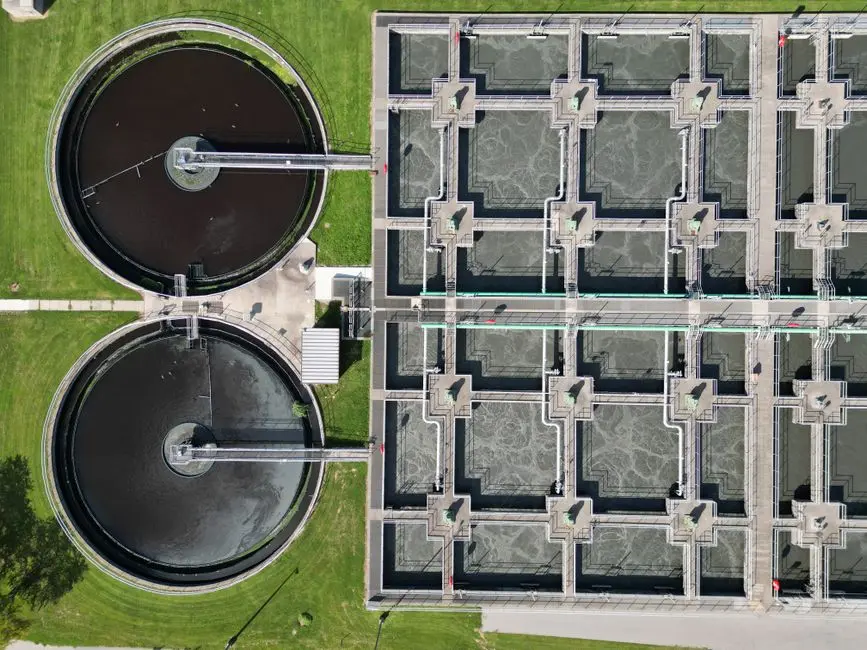
Evaluating packaged plant vendors for PNG projects requires checking verified remote logistics, tropical equipment packaging, and field commissioning support. Equipment built without tropicalization—such as unventilated control enclosures or non-UV-stabilized plastics—fails rapidly under PNG environmental conditions.
MAK Water maintains documented project references in PNG, including the design and supply of wastewater and potable water treatment plants for ExxonMobil's 630-man accommodation camp supporting LNG construction near Port Moresby, as well as the Port Moresby border control facility STP retrofit. Their scope included offsite modular fabrication, site installation assistance, commissioning support, and operator service agreements. Global manufacturers like Ion Exchange bring extensive international delivery data, reporting operations across 50+ countries, over 3,000 core projects, and more than 200,000 total installations globally, with dedicated Asia-Pacific support offices for packaged SBR, FMR, and MBR plants. HydropureWater supplies buried WSZ series and skid-mounted MBR equipment, though buyers must explicitly verify regional shipping routes and remote site commissioning scope during procurement.
| Quote line item | Technical scope to specify | Red flags to check before signing |
|---|---|---|
| Primary treatment & reactor tanks | Polyethylene, fiberglass, or heavy-duty coated steel tanks with dual macerator lift pumps and level controls | Unprotected carbon steel, single non-macerating pump, or lack of high-level alarm contacts |
| Freight, delivery & commissioning | CIF main port (Port Moresby/Lae), remote logistics insurance, and on-site engineer for 4–6 week commissioning window | Ex-factory terms leaving remote ocean transport, customs clearance, or biological start-up to the client |
Pre-Quote Checklist: Site Data Required for Accurate Sizing
Project engineers must gather complete baseline site data before requesting vendor proposals to obtain a fixed-scope quotation and prevent equipment mis-sizing. Standardizing baseline assumptions prevents mid-project change orders. Sizing protocols align with broader regional practices documented in our tropical packaged plant guide for Vietnam. Buyers should compile the following six data inputs:
- Design Flow Rates: Define average daily flow (m³/day) and peak hourly factor based on residential unit count, occupancy density, and targeted fixture consumption rates.
- Raw Influent Characterization: Obtain baseline concentrations for Biochemical Oxygen Demand (BOD₅), Chemical Oxygen Demand (COD), Total Suspended Solids (TSS), Total Nitrogen (TN), and Total Phosphorus (TP). If testing is unavailable, document standard domestic wastewater strength assumptions.
- Effluent Compliance Standard: Confirm whether the discharge destination requires Class C standard (low-risk surface discharge) or Class A+ standard (unrestricted reuse or sensitive aquatic protection) under the project's environmental permit.
- Power Supply Metrics: Detail voltage, phase stability, available daily generator hours, grid outage frequency, and soft-starter compatibility.
- Civil and Site Constraints: Assess available footprint area, buried versus above-ground placement preferences, local groundwater table elevation, soil bearing capacity, and heavy crane access limits.
- Operational Resources: Identify local technician availability, skill levels, shift cover, local spare part stocking capacity, and language requirements for control panel interfaces.
Installation and Commissioning Considerations for Remote PNG Sites
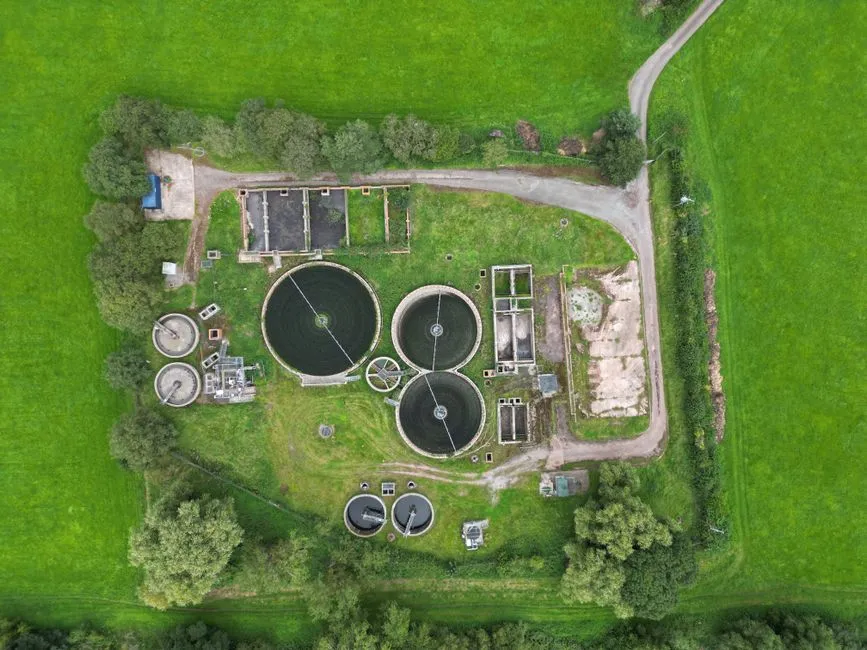
Deploying packaged wastewater treatment systems in remote PNG regions involves unique installation, electrical, and biological start-up challenges. Power quality varies significantly outside major municipal grids. Electrical control panels must include phase failure relays, voltage surge protection, soft-starters for high-kW blowers, and automatic generator sync logic. Choosing non-electric media filters eliminates electrical risk entirely for small residential developments, backed by vendor media warranties up to 10 years and tank warranties up to 25 years as quoted by BIOROCK.
Maintenance logistics require planning for spare parts availability. Consumables and critical wear items—including spare blower air filters, submersible pump mechanical seals, replacement diffuser membranes, and dosing chemical reagents—should be packaged directly into the initial equipment supply contract. Remote monitoring options using satellite or GSM telemetry allow off-site process engineers to track blower run hours, dissolved oxygen levels, and alarm conditions in real time, reducing manual labor requirements. Similar telemetry integration strategies are reviewed in our analysis of MBR vs UF in African commercial context projects.
Biological commissioning in PNG's tropical climate benefits from elevated water temperatures, which speed up biomass growth compared to temperate climates. Establishing stable activated sludge or membrane biofilm still requires a 4 to 6-week acclimatisation window. Vendors must provide an experienced commissioning engineer on-site to manage seed sludge inoculation, calibrate air flow rates, set return activated sludge ratios, and train local staff before hand-off.
Frequently Asked Questions
What effluent discharge standard applies to my PNG residential project and how do I confirm it with the environmental authority?
Papua New Guinea does not enforce a single published national sewage discharge standard; compliance limits are set on a project-by-project basis within the environmental permit issued by the Conservation and Environment Protection Authority (CEPA). To confirm your required standard, submit your preliminary project footprint, design flow rate, and discharge point classification (e.g., surface river, soil absorption trench, or marine outfall) to CEPA. The authority will specify whether your site requires secondary treatment (Class C effluent) or advanced membrane filtration (Class A+ effluent).
What should a fixed-price quotation include for a PNG residential packaged sewage treatment plant?
A comprehensive fixed-scope quotation for a PNG residential project must include pre-assembled treatment tanks, dual macerating feed pumps, duty/standby blowers, electrical control panels with surge protection, sea-freight packaging to Port Moresby or Lae, on-site commissioning engineering support for the 4-to-6-week start-up phase, operations manuals, and a 12-month critical spare parts kit. Request an itemized breakdown to confirm that ocean transport, import customs documentation, and field technician travel costs are explicitly covered.
How do I verify a supplier's actual PNG commissioning experience versus general international references?
To verify PNG field experience, request specific project reference sheets detailing the facility location, design flow capacity, client name, and year of commissioning within Papua New Guinea. Ensure the vendor can demonstrate previous project work under PNG logistics conditions—such as MAK Water's documented 630-man camp installation and border control STP retrofit—or confirm that they partner with a qualified local engineering firm capable of providing immediate civil and electrical installation support.
Should I choose an electric MBR/MBBR system or a non-electric biological plant for a PNG residential site?
Base your selection on site power reliability and required effluent quality. If the development has 24/7 continuous grid or generator power and requires high-quality effluent for toilet flushing or landscape irrigation, select an MBR or MBBR system. If the site experiences frequent prolonged power outages, lacks continuous generator backup, or has limited maintenance staffing, select a non-electric biological gravity filter. Non-electric systems utilize natural ventilation and media filtration, removing electrical failure points while providing long-term structural and media warranties.