Confirm the discharge route before selecting equipment
Choose between a sewer connection, buried A/O package and MBR only after confirming where the hotel may discharge and what effluent quality must be achieved. Maximum occupancy, seasonal peaks, COD and BOD₅ concentrations, site constraints and reuse needs then determine capacity and process configuration. The supplied information does not verify Guinea-Bissau-specific discharge criteria, so obtain the applicable permit and receiving-environment requirements from the relevant authority before freezing the route or accepting a firm price.
Identify whether the hotel can connect to a public sewer, use a permitted outfall or requires treatment on site. Request the applicable permit conditions, receiving-water information, permitted discharge points, flow restrictions and required effluent parameters in writing. A sewer-connection approval establishes an available route; it does not establish a direct-discharge limit for a treatment plant discharging elsewhere.
Keep two decisions separate. The required effluent standard determines the performance specification, while daily flow, peak flow and organic loading determine equipment capacity. Record both in the RFQ so that a supplier cannot price a system based only on occupancy or only on water consumption.
The comparison of A/O and MBR treatment routes with a sewer connection is useful as a route-selection reference, but its jurisdictional details should not be transferred to Guinea-Bissau without confirmation from the relevant authority.
Turn occupancy and wastewater data into a design basis
Size the treatment route from maximum occupancy, staff presence, water use, auxiliary wastewater streams and measured load—not from guest-room count alone. Record maximum guest occupancy, staff numbers, daily water consumption, laundry and kitchen contributions, swimming-pool discharges where relevant, seasonal occupancy and the expected peak-hour flow. Obtain a representative wastewater analysis for COD and BOD₅ rather than assuming values from another hotel or country.
For comparable hotel projects, ClearFox identifies influent design values of up to 800 mg/l COD and 400 mg/l BOD₅ as realistic conditions. These are project-design references, not Guinea-Bissau limits or guaranteed site values. Its hotel case also states that flow and organic loading vary with occupancy, time of day, seasonal variation and operational activity. Morning and evening hydraulic and organic peaks must therefore be included in the design basis.
Ask each bidder to state its design flow, peak-flow basis, treatment stages, duty cycle, redundancy philosophy and expansion provision. Explain whether “capacity” means guest occupancy, people served, daily flow or treatment-stage loading; these are not interchangeable. For reference, BIOROCK describes modular capacity between 60 - 300 people and says up to nine units can be installed in parallel, with flow distributed through a flow-control chamber.
Use the comparison of A/O package and MBR hotel treatment and the regional packaged sewage treatment guide for hotels as technical references, while requiring the final design to be tied to this hotel’s measured inputs.
Compare sewer, buried A/O and MBR treatment routes
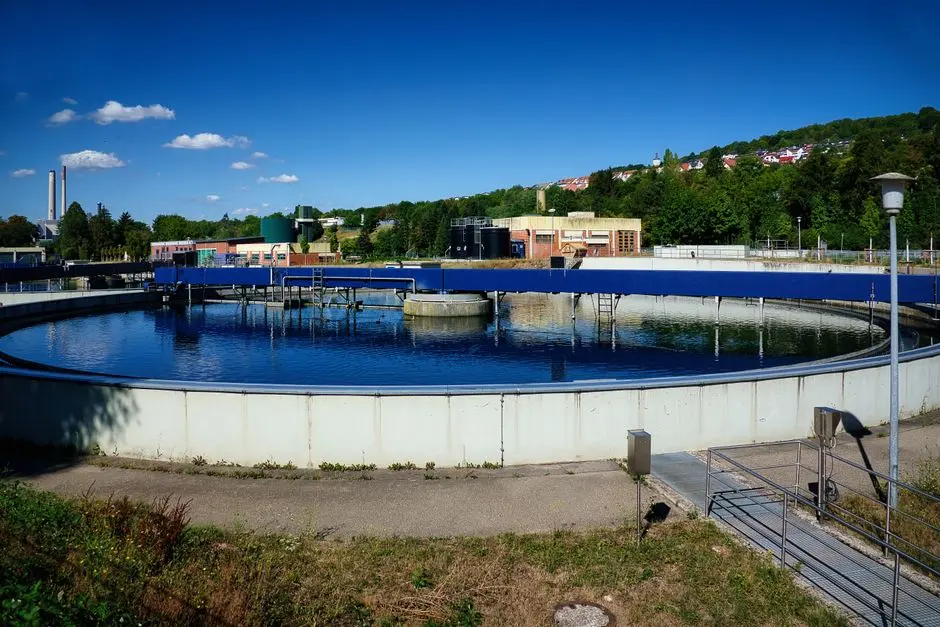
Select the route that satisfies the legal discharge pathway, design flow, effluent requirement, footprint and reuse objective. A public sewer is normally the simplest option when a compliant connection is available and the authority accepts the hotel’s flow. A buried A/O package is a compact on-site option, but its final suitability depends on soil, groundwater, flood level, access and civil works. An MBR suits projects requiring a compact installation or high-quality effluent for reuse, provided the buyer accepts the associated mechanical, control and maintenance scope.
| Discharge route or influent problem | Governing rule or process option | What data settles it |
|---|---|---|
| Public sewer is available | Use the sewer route if the authority permits the connection and accepts the hotel’s wastewater flow and characteristics. | Written connection approval, available sewer capacity, connection requirements and hotel discharge profile. |
| No compliant sewer or outfall is available | Compare a buried A/O package sewage treatment plant with an MBR membrane bioreactor. | Permit route, design and peak flow, COD and BOD₅ analysis, required effluent parameters, footprint and site constraints. |
| Seasonal occupancy wastewater loads | Require automatic load-responsive operation and a defined strategy for expansion or duty/standby arrangement. | Monthly occupancy profile, peak-period flow and load data, outage assumptions and future accommodation plans. |
| Treated effluent reuse is required | Define the intended reuse and the effluent basis before choosing A/O or MBR. | Reuse application, authority approval, water-quality requirements, sampling plan and operating controls. |
Do not convert comparable-project performance into a local guarantee. ClearFox reports target values of 30 mg/l COD and 10 mg/l BOD₅ for a suitably designed system treating wastewater represented by its stated influent values. Those figures are useful for comparing a proposed process, but the supplier must demonstrate performance against the hotel’s actual influent and the applicable discharge or reuse criteria.
Build the RFQ around technical scope and acceptance
Make the quotation auditable by assigning responsibility for every input and work package. Require the bidder to identify who will provide flow data, wastewater analysis, discharge criteria, site survey, power availability, drainage design, effluent testing and permit information. Leave no implied allowance for these items.
| Quote line item | Technical scope to specify | Red flags to check before signing |
|---|---|---|
| Design basis and flow analysis | Design flow, peak factor, seasonal profile, staff and ancillary wastewater, influent COD and BOD₅ basis, duty cycle and expansion plan. | Capacity stated only as people served, with no flow or loading basis. |
| Process equipment and controls | Treatment stages, equipment dimensions, materials, utilities, controls, alarms, automatic load response and redundancy. | Unspecified effluent basis, omitted peak-load operation or absent alarm provisions. |
| Civil works and site interfaces | Survey, excavation, buried depth, foundations, access, inlet and outlet works, power, drainage, testing, backfill and reinstatement. | Undefined site survey, excavation or civil-work allowance, and unclear connection responsibilities. |
| Commissioning and handover | Delivery, installation, wet commissioning, sampling, stabilization, operator training, manuals, spare parts and performance test. | Acceptance based only on startup, with no sampling protocol or stabilization period. |
| Compliance evidence | Named discharge route, permit criteria, test methods, laboratory scope and responsibility for permit applications. | Supplier promises generic effluent values without identifying the governing requirement or test method. |
Attach the completed basis to the RFQ and require a schedule of exclusions, deliverables, milestones and payment stages. Ask for the packaged treatment options for regional development projects and the containerized plant sizing considerations as reference material, not as substitutes for site-specific design.
Plan installation and long-term operation
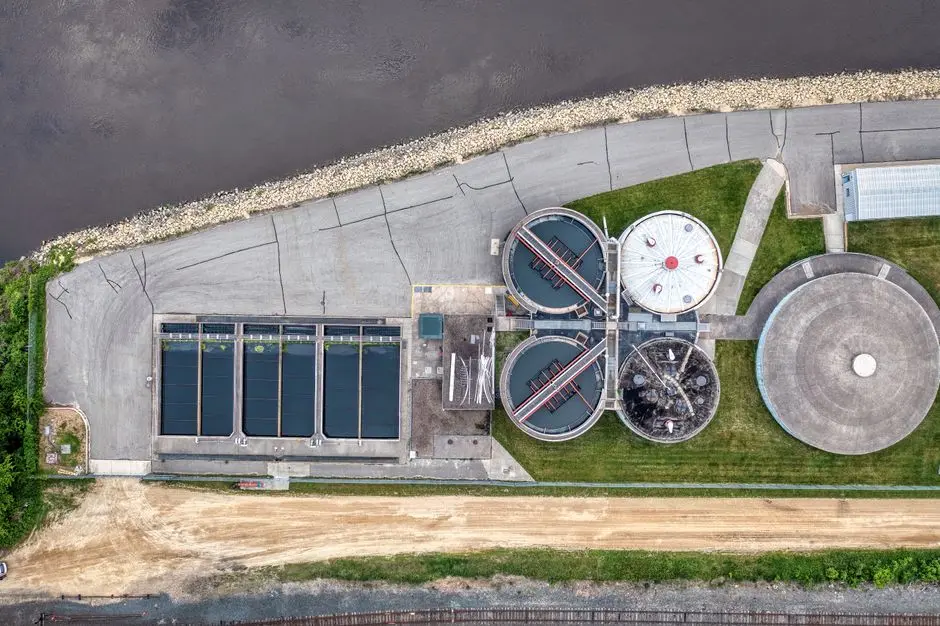
Treat installation feasibility and operability as acceptance criteria, not as remaining details. Confirm soil conditions, groundwater, flood level, available footprint, delivery access, buried-installation depth and the route for every process connection. Obtain a site survey and define who handles unexpected ground or drainage conditions.
Confirm the power supply, control-panel environment, backup strategy, remote supervision and alarm notification requirements. The training plan should cover routine operation, aeration, sludge management, sampling, response to alarms, spare-parts handling and escalation. Put preventive-maintenance duties, spare-parts availability and response times into the supply agreement rather than treating them as informal post-sale commitments.
Existing septic infrastructure may support a design, but it must first be checked. In the ClearFox hotel case, the project incorporated existing septic tanks only after their structural condition, available capacity, site constraints and treatment requirements were verified. Apply the same evidence check to any Guinea-Bissau hotel asset: an existing tank is not accepted treatment capacity by default.
For installation-access and maintenance planning, review the pump-maintenance responsibilities as a reminder to define access, servicing and response arrangements in the contract.
Frequently Asked Questions
Which occupancy and wastewater inputs determine plant capacity?
Capacity must reflect maximum guests, staff, daily water use, laundry and kitchen flows, other wastewater streams, seasonal peaks, peak-hour flow and measured COD and BOD₅. Ask bidders to show the calculation linking these inputs to treatment-stage capacity and operating duty. A guest-room count or a “people served” label alone is insufficient.
Why are local discharge and site information needed before a firm quotation?
The discharge route determines whether an off-site sewer, permitted outfall or on-site treatment is legally and technically feasible, while site conditions affect footprint, installation method and civil cost. No Guinea-Bissau-specific discharge criteria were established for this comparison, so request the permit, receiving-environment conditions and site survey. These documents must be identified before quotation assumptions can be fixed.
What performance evidence should be requested before selecting a supplier?
Request evidence for the proposed process at the hotel’s stated influent basis and loading range, together with a commissioning and performance-testing protocol that includes peak-load operation, sampling, stabilization and defined acceptance values. Comparable-project figures can support technical review but cannot replace site-specific evidence or the applicable local requirement.
Should installation, commissioning, training and operation be included in the quotation?
Request separate priced line items for design, supply, transport, installation, civil works, wet commissioning, performance testing, training, handover and O&M support. If any item is excluded, require the bidder to state who performs it and when. Also request the equipment price, site-specific civil works, utilities, commissioning schedule, performance-test method, warranty and recurring O&M costs separately so that omissions are visible before comparison.