Establish the Province, Route and Design Basis
Provincial wastewater plant construction for Argentina requires comparing three routes: connecting to a sewer, installing a buried package treatment plant, or using an MBR system. Sewer extension suits sites within a serviced network; package plants suit decentralized flows where a local treatment unit is practical; MBR suits higher-quality reuse or tight-footprint applications. Scale matters: Buenos Aires’ Riachuelo System serves over 4.3 million people and is designed to treat up to 2.3 million cubic metres of wastewater per day. For a provincial purchase, obtain local flow, wastewater, land, effluent and acceptance requirements before selecting equipment or pricing an RFQ.
The procurement decision starts with jurisdiction, not equipment. Identify the province, municipality, receiving-water or sewer authority, land owner and intended route before comparing technical offers. The relevant authority should provide or approve the governing discharge or reuse parameters, connection requirements, construction standards and permit conditions. Available metropolitan project evidence does not establish universal provincial limits.
Buenos Aires provides a scale reference, not a template for every Argentine province. Webuild reported on June 4, 2025, that the Riachuelo System would enhance sanitation services for over 4.3 million people in the Buenos Aires metropolitan area. Once fully operational, it is designed to treat up to 2.3 million cubic metres of wastewater per day and expand sewer access to 1.5 million additional residents across 14 municipalities.
Require the supplier to work from a documented design basis. This includes design-average, peak and surge flows; current and projected wastewater loads; seasonal variation; and the design horizon. The buyer should also establish available footprint, soil and underground-installation constraints, power availability, operator attendance and remote-monitoring requirements. Missing flow records or wastewater analyses should be identified as hold points in the RFQ rather than replaced with unverified assumptions.
Compare Sewer, Package Biological and MBR Routes
Project success relies on confirming network availability, effluent obligations and site constraints before comparing equipment.
Select the route by confirming network availability, effluent obligations and site constraints before comparing equipment. A sewer option should be preferred only when collection infrastructure is available or funded and its ownership and connection responsibilities are documented. Distributed treatment should be considered where a local unit can meet the required duty within the available land and operating arrangements. An MBR should be selected against a defined effluent or reuse specification, not simply because membrane technology is available.
| Discharge route or influent problem | Governing rule or process option | What data settles it |
|---|---|---|
| Site is within a serviced collection network | Public sewer extension is the route to evaluate first if capacity, connection conditions and funding are confirmed. | Written confirmation of network capacity, connection location, extension and pumping scope, ownership, construction standards and any applicable connection charge or contribution. |
| Decentralized sewage treatment is required | A package biological plant is suitable for a defined local duty after influent compatibility, footprint, installation and servicing are verified. | Design-average, peak and surge flows; wastewater characteristics and seasonal variation; available footprint; soil and access constraints; utilities; and routine operator attendance. |
| Tight footprint or higher-quality reuse is required | An MBR membrane bioreactor system requires a specified effluent or reuse basis and an assessed solids and fouling-management strategy. | Final effluent and reuse parameters; membrane-fouling risks; pretreatment requirements; solids handling; utilities; and operator capability. The MBR membrane bioreactor system should be evaluated against those inputs. |
| Buried installation is required | An underground package unit may reduce above-ground footprint, subject to site access, burial conditions and maintenance provisions. | Available land; soil and groundwater conditions; excavation and installation method; lifting access; inspection arrangements; and utility entry points. The underground package sewage treatment plant option requires the same site-specific checks. |
Do not transfer metropolitan scale directly into a package-plant procurement. The Riachuelo System was developed in three main lots, with a reported inlet pumping station capacity of 36 cubic metres per second and pretreatment capacity of 27 cubic metres per second. Its discharge works included a 12-kilometre subfluvial tunnel built 40 metres beneath the riverbed. Those figures describe a metropolitan infrastructure program, not a basis for sizing decentralized equipment.
For a provincial wastewater infrastructure decision, the practical sequence is: confirm the authority and required outcome; obtain flow and wastewater data; test sewer feasibility; screen package and MBR feasibility against the same data; then define the treatment objective, including reuse requirements, if any. No route should proceed to quotation without documented evidence for the assumptions that control its capacity and interfaces.
Convert the Selected Route into a Technical RFQ
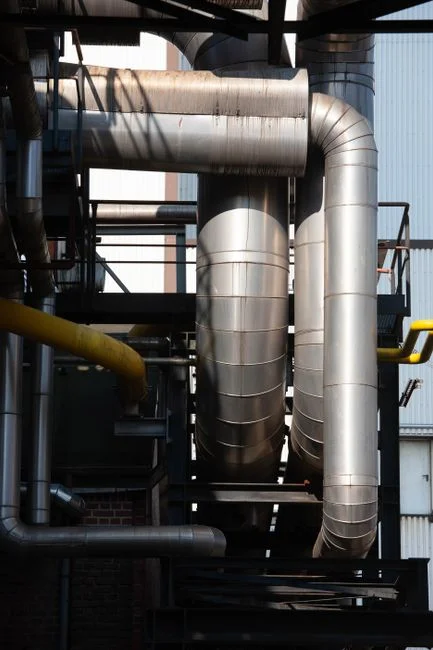
A technical RFQ must state the design duty, treatment objective, interfaces and acceptance basis before asking for a price.
A comparable RFQ must state the design duty, treatment objective, interfaces and acceptance basis before asking for a price. Require each bidder to identify its sizing basis and every exclusion. An undefined turnkey scope can conceal unresolved civil, electrical, operational and permit interfaces.
| Quote line item | Technical scope to specify | Red flags to check before signing |
|---|---|---|
| Design basis and process selection | State design flow, treatment duty, design horizon, process stages, equipment sizing basis, treatment objectives and controls philosophy. | Flows are stated without analysis, no design horizon is given, or multiple equipment options are priced without a defined duty. |
| Equipment and materials | List each major item, duty, arrangement, materials, dimensions, access requirements and included accessories. | Materials are unspecified, critical items are omitted, or the offer relies on performance claims without supporting design data. |
| Civil works and site interfaces | Separate excavation, foundations, inlet and outlet works, roads, fencing, buried pipework, backfill, drainage and site restoration. | “Turnkey” language leaves excavation, connections or restoration unpriced or transfers undefined site risk to the owner. |
| Electrical, controls and utilities | Define power supply, panels, cabling, control narrative, alarms, local controls, communications, remote monitoring and utility connections. | Remote monitoring is treated as optional, power supply is excluded, or supplier and owner responsibilities are not coordinated. |
| Sludge and residuals management | State sludge generation, storage, removal, transport, final-disposal route, odour control and the responsible frequency of service. | Residuals disposal is excluded, storage duration is unstated, or no operator with suitable handling capability is identified. |
| Commissioning, testing and handover | Define installation checks, water or wastewater testing, control demonstrations, performance criteria, documentation, spare parts, warranty, training and support arrangements. | Acceptance is tied only to delivery, no sampling plan is agreed, guarantees lack responsible parties, or training and manuals are excluded. |
Include a formal exclusions schedule in the RFQ. Bidders should state who supplies and installs inlet and outlet works, civil structures, electrical connections, sludge removal and commissioning support. Screening equipment should also be scoped against the selected pretreatment duty; the rotary mechanical bar screen product scope can support review of whether upstream solids control has been assigned clearly, rather than serving as evidence of site suitability.
Protect the Project Through Commissioning and Handover
Contractual agreements must define commissioning and acceptance before signing to ensure delivery is not mistaken for a functioning plant.
Define commissioning and acceptance before contract signature so that delivery is not mistaken for a functioning wastewater treatment plant. The contract should identify the applicable effluent or reuse parameters, sampling points, test methods, acceptance sequence, demonstration conditions, independent-analysis responsibility and remedy for failed performance.
Separate site acceptance, installation checks, wet commissioning and performance demonstration. Record the utilities available, test wastewater used, operating settings, control responses and observed results. State which party witnesses each stage, supplies test media or wastewater, and bears the cost of independent analysis. If a repeat test is required, define its procedure and allocation of cost.
Handover should include operator training, maintenance manuals, as-built drawings, equipment records, spare-parts lists, control narratives, test records, warranty documents and the responsibility matrix for every guarantee. Define remote-access arrangements and troubleshooting support, including response times and escalation contacts. A practical base-bid and alternate structure can expose scope differences between bidders, as illustrated in the wastewater plant base bid and alternates example.
Operational capability must be tested as well as equipment function. Confirm that operators can start, stop, inspect, maintain and troubleshoot the plant using the delivered documentation. Where local experience is limited, compare the treatment routes through a formal decision review, including the process assumptions behind a comparison of DAF, MBR and package treatment routes, while keeping the final Argentine project basis specific to its province and authority.
Frequently Asked Questions
Should a provincial project choose a package plant or an MBR?
Choose a package plant when the wastewater characteristics, duty, footprint and operator arrangements support decentralized biological treatment without a more demanding membrane requirement. Choose an MBR when the governing effluent or reuse specification, available footprint and pretreatment, solids-handling and operator capability justify it. The decision should follow from authority requirements and site data, not from a generic equipment preference.
Which flow and wastewater information must the supplier verify?
Require the supplier to verify design-average, peak and surge flows; current and projected loads; seasonal variation; wastewater characteristics; and the design horizon. The buyer should provide flow records, wastewater analyses and the governing discharge or reuse conditions. Any assumption used because site data is unavailable should appear explicitly in the offer and remain subject to confirmation.
What should be included in the equipment quotation rather than the owner’s civil scope?
Ask the supplier to price equipment supply, factory testing, controls, specified accessories, shipping, installation supervision, commissioning, training and documentation as separate lines. Leave excavation, foundations, inlet and outlet structures, site utilities and other civil works clearly assigned to the owner or a named contractor. The price comparison is meaningful only when every bidder identifies exclusions against the same scope schedule.
How should acceptance testing and local compliance evidence be handled?
Before signature, agree the governing discharge or reuse parameters, sampling points, test methods, demonstration conditions, witness parties and independent-analysis responsibility. During commissioning, retain test records and reconcile observed results with each contractual guarantee and identified responsible party. Obtain compliance evidence from the relevant Argentine authority and project documents because metropolitan project evidence or product documentation does not establish universal provincial requirements.