Confirm the location and treatment duty
The practical first decision for an industrial effluent treatment plant in Warsaw is choosing between DAF, MBR, or UF based on wastewater characteristics and required discharge or reuse quality. DAF is a pretreatment option for suspended solids, oil and grease, and colloidal matter; MBR combines biological treatment with membrane separation; UF is a polishing barrier for bacteria, colloids, and suspended solids. Membrane polishing may support wastewater reclamation, but the cited academic research specifically assessed nanofiltration. Confirm whether the project is in Warsaw, Poland, or Warsaw, Illinois before sizing.
The location check is essential. The UtilityRadar record identifies the WARSAW CITY OF wastewater treatment plant in Warsaw, Illinois. It serves a municipal population of 2,200 and reports a designed capacity of 628.38 and current discharge volume of 420.18, without units stated in the supplied record (UtilityRadar). Those figures describe that Illinois facility, not an industrial effluent treatment plant in Poland, and must not be transferred into a Polish design basis.
Next, define where the treated water will go: a receiving system, municipal sewer, permitted industrial outfall, or a specific reuse application. Obtain the industrial process and production schedule, average flow, peak-hour flow, required recovery objective, and the identity of the party responsible for confirming the applicable Polish permit, sewer conditions, and local-authority requirements. For a broader route comparison, see the comparison of DAF, MBR and UF treatment routes and MBR and UF options for industrial wastewater reuse.
A Polish company directory can help identify potential contacts, but not technical suitability. RevenueBase records 60 matching company records, 342 tracked contacts, and 66 verified emails, while stating that exact matching is search membership rather than an endorsement or service-quality rating (RevenueBase). Treat that dataset as a starting point for supplier discovery, then verify current services, locations, and project evidence directly.
Select the treatment route from the wastewater characteristics
Select DAF, MBR, or UF by their actual treatment roles, not by the technology name attached to the search query. Request COD, BOD, suspended solids, oil and grease, pH, temperature, and toxicity data, then match the result to the required effluent or reuse specification.
| Discharge route or influent problem | Governing rule or process option | What data settles it |
|---|---|---|
| Suspended solids, oil and grease, or colloidal material requires removal before biological treatment | Use industrial effluent pretreatment with a DAF system for industrial wastewater pretreatment, followed by the required biological stage | Signed wastewater analysis, flow record, oil and grease characterization, pH and temperature |
| Biological treatment is required together with membrane separation | Consider an integrated MBR wastewater treatment system when its treatment duty matches the wastewater and target | COD, BOD, suspended solids, toxicity, nitrogen or other constituent requirements in the target specification |
| Treated biological or secondary effluent requires a final membrane barrier | Consider UF where its specified separation objective meets the reuse or discharge requirement; do not treat UF as a substitute for missing biological treatment | Target turbidity, suspended solids, microbiological criteria, required filtration level and whether further polishing is needed |
| Wastewater reclamation is the objective | Evaluate a combined route. University of Twente research assessed nanofiltration as a potentially suitable way to polish wastewater-treatment effluent for reclamation, so UF cannot be assumed sufficient without testing the required quality | Intended reuse, required recovery, feed-water analysis and validation of the proposed membrane barrier |
A combined route is usually the correct response when the wastewater requires solids or oil removal before biological treatment and membrane polishing afterward. Confirm that premise through the process data and the reuse specification rather than prescribing equipment from the search phrase alone.
Build a complete site-data request
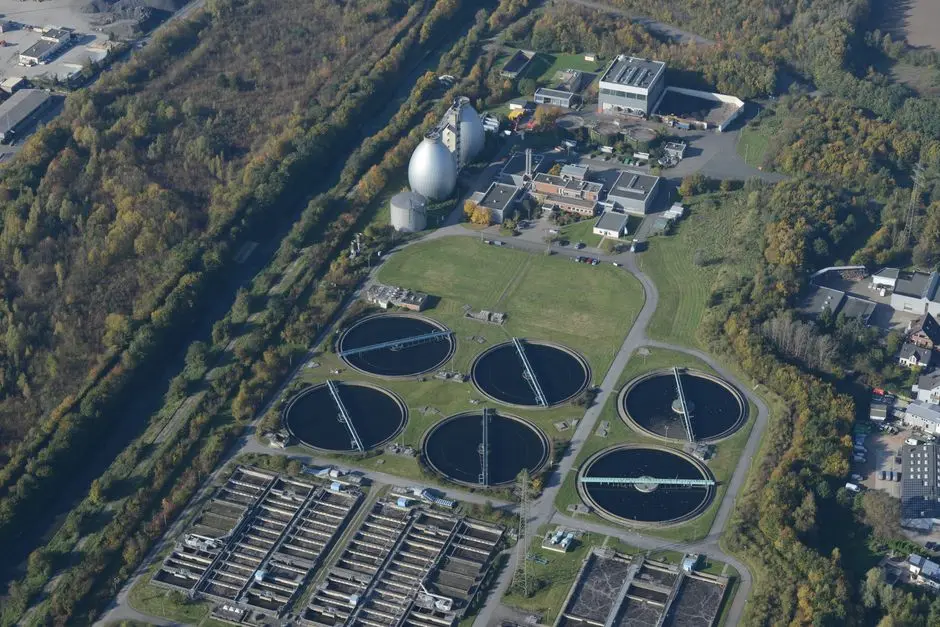
A quotation becomes comparable only when every bidder receives the same wastewater, site, and compliance basis. Ask the site owner for a signed wastewater analysis, current process flow diagram, and day-by-day flow record; an estimated average flow is not enough to establish peak demand or treatment variability.
- Request representative wastewater analyses covering COD, BOD, suspended solids, oil and grease, pH, temperature, and toxicity, with sampling dates, sampling points, and analytical methods stated.
- Provide average flow, peak-hour flow, production variation, storm or washdown contributions, recovery objective, and the operating schedule. State whether the project serves an industrial process, a washdown stream, or a combined effluent.
- Attach the applicable permit, municipal sewer acceptance conditions, or reuse specification. Name the owner’s environmental or permitting representative and require each bidder to identify which compliance assumptions it has priced.
- Define available footprint, above-ground or underground installation constraints, power supply, drainage access, odor controls, noise limits, and the route for sludge or membrane concentrate disposal.
- Separate the requested delivery scope: equipment, civil works, installation, electrical and controls, commissioning, operator training, spares, remote monitoring, and local service support.
This structure follows the industrial effluent plant route-selection method and the industrial wastewater treatment equipment selection guide.
Compare quotations on scope and acceptance criteria
Compare bids by the guaranteed treatment duty and included scope, not by the lowest equipment price. Require every quotation to state the feed-water basis, guaranteed throughput, process stages, materials, controls, utilities, installation, and exclusions.
| Quote line item | Technical scope to specify | Red flags to check before signing |
|---|---|---|
| Design duty and guaranteed throughput | Feed-water basis, average and peak flow, operating hours, required recovery and stated feed characteristics | Unstated peak load, use of average flow alone or guarantees outside the documented wastewater range |
| Process stages | Identify DAF pretreatment, biological treatment, MBR, UF and any additional polishing by function and required removal objective | DAF omitted despite oily or solids-prone feed, or UF proposed without the necessary upstream biological stage |
| Mass and water balance | Show the relationship among influent flow, sludge or concentrate, filtrate and final effluent | No balance, or recovery stated without accounting for sludge, backwash or concentrate streams |
| Equipment and materials | List tanks, aeration, pumps, membranes, controls, valves, instrumentation and relevant material options | Generic wording such as “complete plant” without components, materials or quantities |
| Installation and handover | State foundations, civil works, utilities, connections, commissioning boundary, training, spares, remote monitoring and local support | Civil, electrical, controls, sludge handling or start-up excluded but not priced as buyer obligations |
| Performance guarantee and membrane obligations | Specify measurable guarantees tied to feed characteristics, sampling methods, test protocols and cleaning or replacement terms | No test protocol, no response to worst-case feed, or membrane replacement and downtime left undefined |
Ask for accessory and replacement items separately where required, including treatment valves, parts and filter media. Flag any proposal that does not state pretreatment needs, duty basis, membrane replacement provisions, installation scope, commissioning tests, or responsibility for discharge compliance. A technical proposal without a measurable acceptance test is not yet a comparable offer.
Plan commissioning, monitoring and downstream treatment
Define commissioning as a documented handover process, not simply equipment energization. Agree sampling points, calibration methods, startup criteria, stabilization period, operator training, and defect correction before signing the acceptance certificate. The buyer must confirm that the acceptance test represents actual peak and worst-case wastewater conditions.
Plan routine monitoring for flow, differential pressure, aeration, pH, sludge or concentrate handling, and membrane cleaning or backwash where applicable. Include responsibilities for alarm response, laboratory access, maintenance records, and corrective work. An maintenance and uptime protocol can help structure the handover records, while the greywater recycling comparison provides a related route-selection reference.
Keep reuse claims conditional. Membrane polishing is a treatment stage, not proof that every industrial wastewater stream can meet a specified reuse purpose without validation. If emerging contaminants are relevant, request a specialist assessment. Wageningen University research on constructed wetlands for micropollutant removal from wastewater-treatment effluent highlights the need for an evidence-based design basis where micropollutants matter.
Frequently Asked Questions
Should a Warsaw industrial effluent project begin with DAF, MBR or UF?
Begin with the wastewater duty, not the equipment category. Use DAF when industrial effluent pretreatment is required, MBR when biological treatment and membrane separation are both required, and UF where it meets the defined polishing objective. A combined pretreatment, biological, and membrane route may be necessary when the feed contains removable oils or solids and the final water must meet a reuse specification.
What flow and wastewater data should be included in a treatment plant RFQ?
Request a signed wastewater analysis, process flow diagram, and day-by-day flow record. Include average and peak-hour flow, production variation, COD, BOD, suspended solids, oil and grease, pH, temperature, and toxicity, together with sampling points, dates, and analytical methods. Also provide the discharge or reuse target and the applicable permit or sewer conditions.
Which items should be included in a quotation to make supplier offers comparable?
Require each bidder to state the design duty, feed-water basis, guaranteed throughput, process stages, equipment, materials, controls, utilities, civil and installation work, commissioning, training, spares, monitoring, local service, and exclusions. Require a mass balance covering final effluent, sludge or concentrate, filtrate, and backwash streams. Without these boundaries, the quoted prices may represent different scopes and cannot be compared directly.
Which performance tests and site services should be written into the acceptance criteria?
Tie acceptance to stated feed characteristics, sampling points, test protocols, and the actual peak and worst-case wastewater condition. Include startup, stabilization, calibration, training, defect correction, and sign-off before the acceptance certificate. For pricing, request separate quotations for installation, commissioning, membrane cleaning or replacement, remote monitoring, operator training, spare parts, and local service support. Also require the bidder to state whether compliance with the permit or reuse specification is included or remains a buyer responsibility.