
Define the wastewater and discharge route before selecting equipment
Select an industrial effluent treatment plant and DAF system in Liberia only after confirming the wastewater, required treatment objective, discharge route and enforceable consent conditions. The evidence supports DAF for physically separable contaminants, but it does not establish Liberia’s permitted effluent limits, receiving-body rules or approved discharge route. Your RFQ should therefore remain conditional until representative samples, flow records and written permit conditions define the design and acceptance basis.
First establish whether the project covers segregated pretreatment, final effluent treatment or a combined treatment train. Collect representative samples across production, cleaning, batch-discharge and shutdown cycles, then request COD, pH, turbidity, TDS, suspended-solids, oil-and-grease, sulfide where relevant, toxicity and process-specific contaminant results. A single compliance-day sample will not establish variability or the load that the equalization tank and DAF must handle.
Record average flow, peak flow, batch-discharge timing, operating shifts and wastewater temperature. The flow pattern determines whether equalization can prevent overloads; the composition determines whether clarification alone can meet the confirmed treatment objective. If reuse is proposed, identify the receiving process and its water-quality requirements separately from a discharge-permit application.
A case-study modeling exercise monitored COD, pH, turbidity and TDS from an equalization tank during an 8-hour period across a year. Those variables are useful monitoring starting points, but that study does not replace site sampling or establish Liberia’s permit conditions. Use the DAF system engineering specifications to formulate the technical RFQ after those inputs are known.
| Discharge route or influent problem | Governing rule or process option | What data settles it |
|---|---|---|
| Off-site discharge | Use the applicable Liberia wastewater discharge permit or consent as the governing basis; generic supplier limits are not substitutes. | Written permit, receiving body, discharge point, monitoring conditions and applicable parameter limits |
| Permitted reuse within the site | Define treatment against the receiving process requirement and confirm whether reuse consent also applies. | Reuse destination, process-water specification and written approval conditions |
| Variable batch discharges | Evaluate an equalization tank with effective mixing before biological or flotation treatment. | Average and peak flow, discharge timing, composition during each operating cycle |
| Sulfide-bearing process stream | Evaluate segregated collection and oxidation before combining it with other wastewater. | Stream segregation plan, sulfide results and an applicable oxidation performance test |
| Unverified local permit basis | Do not convert a case-study result into a Liberia discharge limit; obtain confirmation from the relevant authority and receiving body. | Permit or consent document and written clarification of applicable limits and monitoring requirements |
Match the treatment route to the contaminant problem
Choose DAF when the primary objective is to remove suspended solids, colloidal material, oil and grease or other floatable contaminants. Do not treat dissolved air flotation as a complete substitute for biological treatment where biodegradable organics must also be reduced. For high-strength or variable industrial wastewater, compare a DAF-centered train, biological treatment and DAF followed by biological polishing using the same confirmed influent and outlet data.
- Determine whether the pollutants are mainly settleable solids, colloids, floatable oils or soluble biodegradable organics.
- Identify which treatment objective is legally required and which parameters demonstrate compliance.
- Compare the complete treatment train using equalization demand, chemical demand, sludge production, footprint and utilities—not DAF capacity alone.
- Require a process flow diagram showing how the selected route handles the actual stream segregation and discharge sequence.
The tannery case separates beamhouse, tanyard, retanning and finishing effluents, then uses an aerated balancing tank before chemical conditioning and DAF. Chemical conditioning is necessary to enhance solids separation. The installed DAF removed up to 90% of COD and produced average effluent COD of 1,004 mg/l during daily sampling in the first quarter of 2009. These are site-specific results, not Liberia limits or universal guarantees.
Use the best DAF unit selection framework to compare suppliers, but require each bidder to demonstrate that its proposed route matches the site characterization. The DAF engineering reference can support the hydraulic and equipment review.
| Discharge route or influent problem | Governing rule or process option | What data settles it |
|---|---|---|
| Suspended solids and colloidal material dominate | Evaluate DAF with coagulation and flocculation. | Suspended-solids, turbidity and colloid characterization plus jar-test results |
| Oil and grease are the main target | Evaluate source control, equalization and DAF as a floatable-solids removal step. | Oil-and-grease results, flow variability and required outlet concentration |
| Biodegradable dissolved organics dominate | Evaluate biological treatment; include DAF if physical separation is also required. | COD, biodegradability assessment, toxicity results and confirmed effluent objective |
| High-strength or shock-load wastewater | Compare DAF-centered, biological and combined routes with equalization included. | Production-cycle profile, peak COD and flow, toxicity and treatment-test results |
| Sulfide-bearing liquor | Segregate and oxidize before combining with other streams. | Sulfide concentration, stream flow profile and oxidation design data |
Build the pretreatment and chemical-conditioning scope
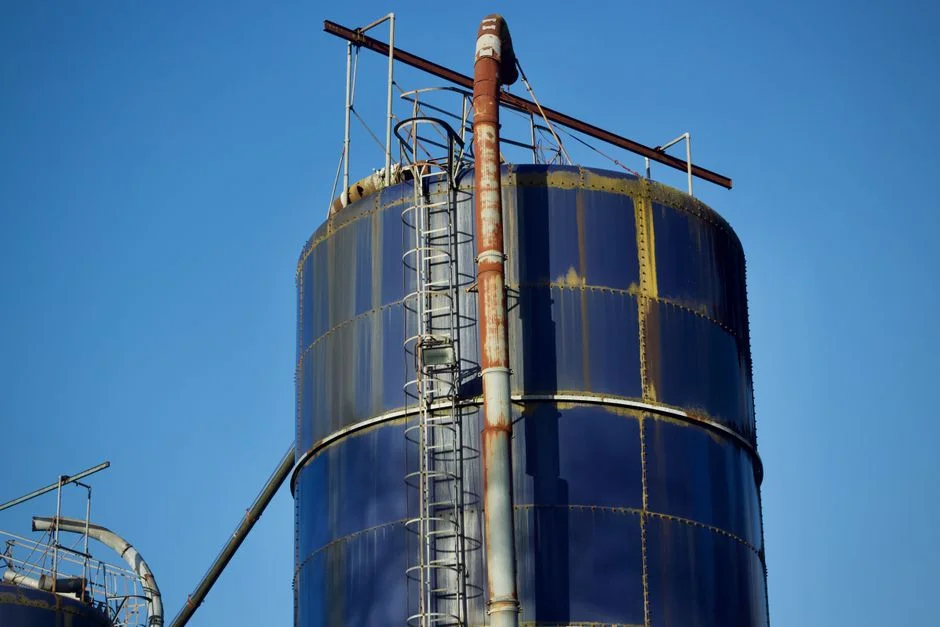
The DAF scope must begin upstream: remove coarse solids, control grit where relevant, equalize flow and condition the wastewater before flotation. Omitting these items can cause blockage, wear, unstable chemical demand or DAF overload, so include them as priced RFQ line items rather than assumptions.
Specify pH adjustment and coagulant and flocculant dosing according to the wastewater characterization. The tannery case inlines aluminium sulphate, adjusts pH and adds polymer before flotation. Chemical selection should follow jar or pilot testing rather than a generic recipe. Request the proposed chemicals, dose range, storage requirements, metering basis, expected consumption and control response for variable influent quality.
Where sulfide-bearing streams are present, segregate them and evaluate oxidation before they join other wastewater. In the reported tannery case, catalytic aeration reduced sulfide from 1,100 mg/l S2– to 0.19 mg/l after an 8-hour oxidation cycle. That result belongs to the cited installation and should be used as a precedent for further testing, not a Liberia design criterion.
Include an automatic chemical dosing system only after the RFQ defines the chemicals, duty, controls and containment required. Ask for a jar-test or pilot-test report when wastewater varies or oil, colloid or sulfide loading is high.
Specify DAF performance, sludge handling and site utilities
Require the supplier to state and justify the design flow, hydraulic loading, retention time, recycle arrangement, pressure-saturation conditions, bubble specification, sludge-scraping duty and control philosophy. A well-designed dissolved air flotation unit clears solids in 20 to 60 minutes, while a gravity clarifier treating the same flow takes four to eight hours. Ask the bidder to apply its proposed design and explain why the selected parameters fit the site’s confirmed flow and wastewater data.
Define sludge handling as part of the treatment plant, not as an operator problem to solve later. The tannery case pumps sludge to a holding tank and dewaters it with a high-pressure belt press before landfill disposal. Request a sludge mass balance, solids concentration, thickening and dewatering method, disposal route and confirmation that the selected equipment accommodates the expected oil, fibre and chemical residues. For scope review, evaluate an plate-and-frame filter press against the actual sludge characteristics and available disposal route.
Before approving the layout, confirm available footprint, electrical supply, compressed-air requirement, service-water demand, maintenance access, drainage, noise constraints and operator skill level. Compare the proposed industrial DAF system with those site constraints and the complete pretreatment, equalization, chemical and sludge scopes.
Turn unresolved inputs into an RFQ and pre-signature checklist
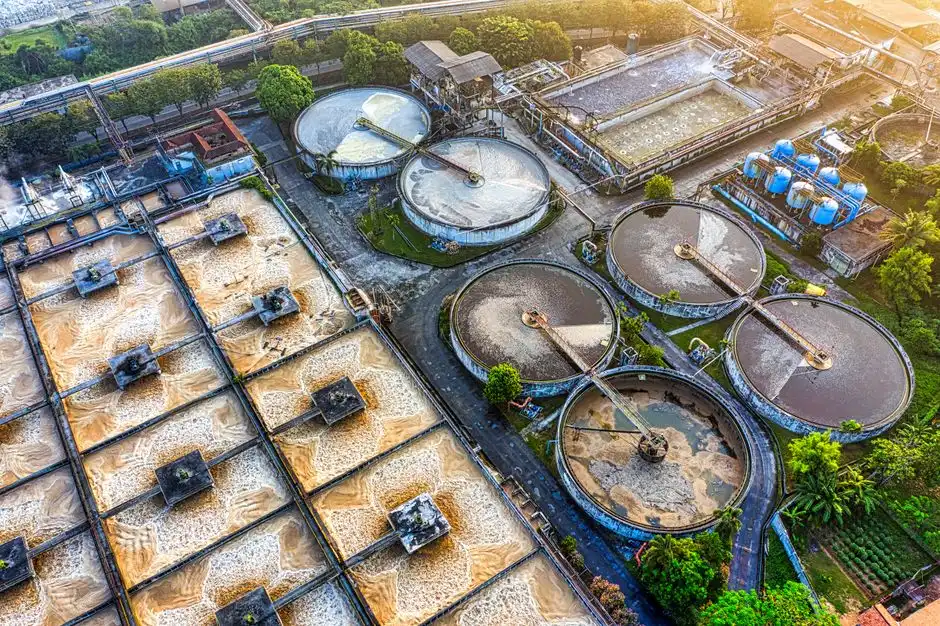
A comparable quotation must state its design basis and exclusions; otherwise the lowest vessel price is not a comparable offer. Require every bidder to provide the process flow diagram, equipment list, utilities, chemical consumption, footprint, delivery scope, commissioning tasks, training, spare parts and warranty. Then make performance acceptance conditional on the confirmed wastewater and permit basis.
Each acceptance criterion should identify the sampling method, test period, parameter, limit, correction method and remedy for failure. Clarify how results will be corrected for flow or sampling conditions where the contract permits. Require treatment guarantees to be linked to a defined test protocol rather than broad claims of treatment efficiency.
| Quote line item | Technical scope to specify | Red flags to check before signing |
|---|---|---|
| Design basis and process flow | Average and peak flow, wastewater characterization, treatment objective, stream segregation and discharge route | Unstated wastewater data, assumed flows or treatment shown only by equipment model |
| Pretreatment and equalization | Screening, grit control where relevant, equalization tank, mixing, aeration and hydraulic response | Equipment omitted or equalization treated as an optional extra |
| Chemical conditioning | Coagulant, flocculant, pH adjustment, dosing equipment, storage, controls and consumption estimate | No chemical basis, no dose range and no test support |
| DAF equipment | Design flow, loading, retention time, recycle, saturation, bubble specification, scraper duty and controls | Only vessel dimensions are supplied, with no hydraulic or performance basis |
| Sludge handling | Thickening, storage, dewatering, sludge balance and disposal interface | No route for sludge or an assumed dry-solids concentration without support |
| Utilities and site works | Power, compressed air, water, drainage, access, civil interfaces and installation requirements | Civil works, freight, import duties, taxes or local services excluded without pricing |
| Commissioning and acceptance | Boundary, pre-start checks, operator training, test protocol, correction method and failure remedy | Commissioning excluded, guarantee has no test period, or remedy is undefined |
Compare total installed scope, including civil works, freight, import duties, installation, commissioning, taxes and sludge disposal. A credible supplier should identify local service arrangements, spare-parts availability and the personnel required for commissioning and operator training. Where no site-specific quotation exists, request the complete scope and commercial exclusions rather than inferring a price from equipment cost alone.
Frequently Asked Questions
Should a Liberian industrial site choose DAF, biological treatment or a combined plant?
Choose DAF for suspended solids, colloids, oil and grease or other floatable contaminants; use biological treatment where biodegradable dissolved organics must be removed; and use a combined route where both objectives apply. The decision must be checked against representative wastewater results, the confirmed discharge route and written Liberia permit or consent conditions. Do not infer local limits from another site’s DAF performance.
What wastewater data is needed to size the plant?
Request representative composition, average and peak flow, batch-discharge timing, temperature and defined treatment objectives. Include COD, pH, turbidity, TDS, suspended solids, oil and grease, sulfide where relevant, toxicity and process-specific contaminants. These data determine the equalization duty, treatment route, chemical demand and hydraulic sizing.
What should a DAF quotation include?
Require the design basis, process flow diagram, drawings, equipment list, pretreatment, equalization, chemical dosing, utilities, sludge handling, installation, commissioning, training, warranty and acceptance testing. Also require chemical-consumption estimates and clear commercial exclusions. Compare installed scope rather than the DAF vessel price alone.
How can the buyer verify Liberian compliance?
Obtain the applicable wastewater discharge permit or consent and confirm its limits, sampling requirements and monitoring conditions with the relevant authority and receiving body. Request the documents from the site’s responsible environmental or compliance representative. Generic claims by equipment suppliers do not establish an approved discharge route or enforceable Liberia limits.