Define the Norwegian greywater route before selecting equipment
For a greywater recycling system in Norway, compare UF, MBR and hybrid treatment by first defining the eligible source fixtures and approved non-potable end use. UF can remove bacteria, colloids and suspended solids without chemicals, while MBR combines biological treatment with membrane filtration where broader organic treatment is needed. The final choice depends on measured wastewater characteristics, treatment targets, peak flow, storage and monitoring requirements. Norwegian code, health, discharge and permit conditions must be confirmed with the authority having jurisdiction because no Norway-specific requirement can be inferred here.
Start with a fixture-by-fixture source register rather than the generic label “greywater.” List showers, baths, hand basins, clothes washers, kitchen sinks and dishwashers separately. The legal and engineering definition of the eligible source list remains site-specific. Kitchen sinks and dishwashers may be excluded because grease, food solids and microbial loading differ from bathroom flows; laundry may also require separate assessment for lint, detergent chemistry and contaminated garments.
Next, record every intended use, including toilet flushing, irrigation, surface cleaning or another non-potable demand. Treatment and microbial-reduction targets depend on both the source water and the end use, according to the 2025 risk framework cited by Energy Solutions. A source-to-end-use schedule should therefore precede equipment selection and define the performance basis for on-site non-potable reuse.
Ask the project designer to obtain written confirmation of the locally adopted plumbing and health rules, water-rights constraints, discharge route and permit path from the authority having jurisdiction. Obtain the applicable documents, not only a supplier statement that a system is “approved for Norway.” The available evidence does not establish a Norwegian source definition, reuse classification, treatment limit or approval route.
| Discharge route or influent problem | Governing rule or process option | What data settles it |
|---|---|---|
| Fixture proposed for inclusion | Include only sources confirmed as eligible for the intended reuse route; assess kitchen sinks, dishwashers and laundry separately | Fixture schedule, branch drawings, metered sub-flows and written confirmation from the authority having jurisdiction |
| Intended non-potable end use | Define fit-for-purpose treatment from the source-to-end-use combination rather than a generic specification | Approved use list, exposure pathway, user procedure and treatment basis confirmed by the project designer and approving authority |
| Remaining wastewater and divert route | Document the permitted discharge route, automatic diversion and cross-connection controls | Site drainage drawings, sewer or septic conditions, permit conditions and a documented failure-mode response |
Match source characteristics and reuse demand to the treatment train
Treatment process selection must be based on measured influent and the approved reuse target rather than a generic equipment list. Use metered sub-flows, fixture schedules or a documented occupancy model for screening. Final design should model simultaneous peaks, seasonal irrigation, tank turnover, sewer diversion and potable makeup, as the reuse design basis requires.
An ultrafiltration greywater treatment system is a candidate when the approved treatment basis is satisfied by membrane filtration for suspended solids, colloids and microbial control, with source variability and maintenance conditions acceptable. An MBR greywater recycling system adds biological treatment before membrane separation and should be considered where broader organic removal is required by the source-to-end-use assessment. A documented hybrid can combine biological treatment, membrane filtration and additional disinfection where fit-for-purpose performance depends on multiple barriers.
Source segregation is essential because typical household greywater is generally low in organic strength and high in volume, making separate treatment strategies necessary for decentralized applications, according to an academic review from ScienceDirect. The same review identifies membrane bioreactors, membrane filtration and ultraviolet disinfection as treatment components used within reuse-oriented strategies. It does not establish that any one route is mandatory for a Norwegian installation.
Request site analysis for suspended solids, colloids, organic matter, chemicals, lint, detergent effects and microbiological indicators relevant to the proposed reuse. Greywater can contain microorganisms, organic matter, chemicals and lint; safe reuse therefore depends on treatment barriers, controls, maintenance and exposure management. Compare each candidate by validated performance, footprint, storage turnover, operator burden, utility demand, failure modes and replacement strategy.
Size treatment and storage from measured supply and demand
Sizing must be calculated from a time series of source availability and eligible demand. Annual totals can conceal short supply periods, stagnation, overflow and dependence on potable backup. Measure fixture flows, occupancy and simultaneous demand; separately assess kitchen branches and any laundry load excluded by the approved source definition.
The defensible reuse quantity is the lesser of usable treated supply and eligible demand. Report excess supply as overflow or unused water rather than treating it as recoverable capacity. This principle is specified in the Energy Solutions reuse assessment and applies to both treatment and storage decisions.
Specify treatment peak flow, equalisation, storage turnover, overflow, potable backup, automatic diversion, alarms and monitoring against the approved design basis. Use flow and level sensor selection for wastewater reuse systems as a procurement reference, then adapt the requirement to the Norwegian site and authority requirements.
Do not size the system from the often-cited statistic that greywater represents 50–80% of daily wastewater generation in a typical household. That figure comes from the academic review by ScienceDirect and is context only. It is not a project flow, storage volume or equipment-sizing factor; neither annual totals nor that percentage replaces site measurements.
Turn the treatment choice into testable acceptance criteria
Specify validated performance for the exact source fixtures and end use rather than copying a generic treatment train. Require the supplier to state which sources are included, which discharges are excluded, the treatment objective, sampling points, performance limits and test method. Performance claims should remain tied to the submitted design basis.
Make the safety barriers part of acceptance. This should include non-potable identification, backflow and cross-connection control, critical limits, sensors, alarms, automatic diversion and potable backup. Require a commissioned failure-mode demonstration showing where water goes when treatment fails, monitoring fails or reuse demand exceeds supply.
Commissioning should also cover sampling, maintenance records, consumables planning, operator training and the residual or sludge-handling route. Where disinfection is part of the selected train, define its control, service and monitoring requirements; a UV disinfection component should be evaluated as part of the complete system rather than assumed to compensate for upstream treatment weaknesses.
NSF/ANSI 350 provides a certification route for residential and commercial onsite water-reuse treatment systems. According to Energy Solutions, certification evaluates design, construction and performance through document review, influent/effluent testing and inspection. Confirm the required class, application and listing with the Norwegian authority before treating it as procurement evidence. A broader comparison of UF and MBR is available in greywater recycling treatment comparisons, but jurisdiction-specific confirmation remains necessary.
Build an RFQ that separates treatment from project scope
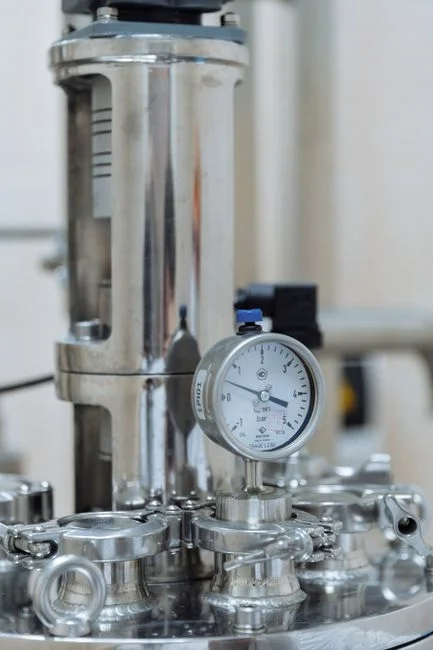
Require each bidder to price a complete and operable reuse installation. A treatment-unit quotation alone is insufficient unless it explicitly states which source segregation, storage, pumping, controls, backup, civil works, electrical work, approvals, commissioning and training exclusions apply.
Ask for source assumptions, design flow, treatment target, approved end use, storage concept, duty cycle, utilities and performance-test method. If any item depends on site data or local approval, require the bidder to identify it as an exclusion or allowance rather than leaving it implicit. The comparison of greywater equipment selection for climate and site conditions illustrates why environmental assumptions should remain visible in the quotation.
| Quote line item | Technical scope to specify | Red flags to check before signing |
|---|---|---|
| Treatment equipment | Source fixtures, design flow, treatment target, duty cycle, selected UF, MBR or hybrid train and performance-test method | Generic performance claims; undefined source basis; no validated performance for the proposed end use |
| Source segregation and storage | Collection pipework, fixture exclusions, equalisation, storage turnover, overflow and potable backup | Equipment-only scope with no fixture schedule, overflow route or time-based supply-and-demand basis |
| Controls and safety | Sensors, critical limits, alarms, automatic diversion, non-potable identification and cross-connection control | No failure-mode sequence, no diversion duty or no documented cross-connection protection |
| Civil, electrical and local delivery scope | Installation area, access, electrical supply, drainage, commissioning, training, local authority submissions and utility interfaces | Unpriced permits, exclusions, site works, controls integration or authority acceptance conditions |
| Service and lifecycle pricing | Maintenance schedule, service scope, critical spares, membrane or cartridge replacement assumptions, consumables and residual handling | No replacement interval, no service rate or treatment-consumable price and no residual-handling route |
| Acceptance evidence | Commissioning tests, sampling records, alarms, automatic diversion demonstration, maintenance records and handover documentation | Acceptance deferred to a general performance promise rather than a defined test protocol |
Frequently Asked Questions
When is UF preferable to MBR for a greywater recycling system in Norway?
Choose UF over MBR when the approved source-to-end-use treatment basis can be met by membrane filtration without a biological stage. Settle the choice with measured suspended solids, colloids, organic load, chemicals, lint, flow variability, storage turnover, footprint and maintenance data. Add or require biological treatment where the assessment identifies broader organic removal as necessary. No supplied Norway-specific rule determines the selection, so obtain the authority’s treatment criteria before ordering either route.
What project data should be included in an equipment quotation?
Require the quotation to state the source-fixture register, intended non-potable use, measured and design flow, treatment target, storage and overflow concept, duty cycle, utilities, controls, cross-connection protection, automatic diversion, potable backup, commissioning method and exclusions. Also request a time-based supply-and-demand basis. Annual water-use totals alone cannot establish tank turnover, peak treatment or backup requirements.
Which acceptance tests and documents are needed before handover?
Require commissioning sampling against the agreed source-specific criteria, functional tests for sensors, alarms, automatic diversion and potable backup, and a failure-mode demonstration. Obtain signed test records, as-built plumbing and control information, operation and maintenance procedures, maintenance records, consumables and replacement schedules, training evidence, and the residual or sludge-handling route. Accept only documentation that matches the approved end use and source fixtures.
How should Norwegian regulatory verification and lifecycle cost affect supplier selection?
Require evidence of local regulatory verification as a separate quotation item, then compare total ownership rather than capital cost alone. Ask for treatment electricity, other operation and maintenance, service visits, membrane or cartridge replacement, consumables, renewal capital and residual handling. The reuse economics assessment cautions that avoidable demand, difficult plumbing, maintenance and renewal costs can outweigh avoided charges; report any compliance or resilience benefit separately from financial savings.