
Define the treatment objective before selecting a DAF
Select an industrial effluent treatment plant and DAF system in Guyana by first confirming the treated-water destination, then mapping representative wastewater tests and peak flow to pretreatment, flotation, chemical conditioning and sludge handling. A DAF unit is not a complete disposal route: it primarily supports suspended-solids separation and can assist oil and grease removal, while soluble contaminants may require additional treatment. Before sizing or requesting quotations, obtain the applicable Guyana permit, sewer or watercourse requirements from the responsible authority and obtain site data from the environmental manager and process engineer.
Separate the possible routes because their design consequences differ. Direct discharge to a receiving watercourse requires confirmation of the applicable effluent limits and receiving-water considerations. Discharge to a receiving sewer requires confirmation of the sewer authority’s discharge and pretreatment requirements; that permission does not establish a direct-discharge limit. Reuse requires a defined end use, water-quality specification and any treatment needed for that application. Upstream biological treatment is a fourth project boundary: the DAF may be specified for pretreatment rather than as the final treatment stage.
Define whether the immediate objective is oil and grease separation, suspended-solids removal, COD reduction, biological pretreatment or water recovery. A plant with a large flow capacity can still be unsuitable if it lacks equalization, pH control, proper chemical dosing or downstream treatment. The DAF system engineering specifications should be treated as one part of the process decision, not as the whole disposal solution.
No verified Guyana-specific discharge limits or permitting authority are established by the available material. Request the applicable permit conditions, sewer consent or watercourse authorization before final sizing. For sampling, ask the plant laboratory for representative results covering COD, pH, turbidity and TDS, together with TSS, oil and grease, total flow and operating profile. The Research Square study used COD, pH, turbidity and TDS as variables associated with effluent from an equalization tank, but it is an unreviewed preprint; its modeling findings do not establish Guyana compliance or a guaranteed treatment result for another plant.
Match wastewater conditions to the treatment route
Match each material problem to a defined pretreatment or operating response before comparing flotation equipment. Screening protects pumps and downstream equipment from coarse solids, fibres and debris; equalization controls flow and load variation; oil and grease separation limits interference with conditioning and flotation; and chemical conditioning makes suspended and colloidal material suitable for removal.
| Discharge route or influent problem | Governing rule or process option | What data settles it |
|---|---|---|
| Variable flow or shock loading | Include flow equalization and define the operating profile entering the DAF. | Average flow, peak-hour flow, flow-duration pattern and expected batch discharges. |
| Coarse solids, hair, fibres or debris | Provide upstream screening to protect pumps, pipework and flotation equipment. | Solid characteristics, screen opening selected for the wastewater and disposal route for screenings. |
| Oils, greases and colloidal solids | Assess oil and grease separation, pH adjustment, chemical conditioning and automatic skimming around the DAF. | Oil and grease results, pH, turbidity, COD, TSS and the required treated-water specification. |
| Dissolved salts or soluble contaminants | Do not assume DAF alone meets the reuse or discharge requirement; identify downstream or upstream treatment. | TDS and a contaminant-specific analysis linked to the receiving sewer, watercourse or reuse specification. |
| Uncertain performance during changing loads | Use a design basis that accounts for historical variation and shock loads rather than average conditions alone. | Operating records, equalization-tank data and a time series suitable for checking the selected design assumption. |
The equalization decision has direct evidence behind it. The preprint reports that static and dynamic models behaved differently under shock loads and that past data affected system prediction. The tannery process also used an aerated balancing tank before flotation. Its published sequence included effluent segregation, fine screening, separate treatment of sulphide-bearing liquor, balancing and mixing, followed by chemical conditioning and flotation. That case supports the sequence as a tannery example; it does not prove that every industrial DAF requires the same equipment.
Chemical selection must be confirmed by wastewater testing and jar trials. In the tannery case, aluminium sulphate was added for coagulation, followed by polymer for flocculation, with pH adjustment before flotation. The reported equipment sequence included automatic sludge scraping, a sludge holding tank and high-pressure belt-press dewatering. Apply that sequence only where similar waste characteristics justify it.
Use the best DAF unit selection framework to distinguish a standalone flotation skid from a complete industrial effluent treatment plant. If the quotation omits screening, equalization, chemical preparation, controls, sludge collection or the required downstream process, it cannot be compared on the same basis as a turnkey package.
Size the DAF around peak flow and changing pollutant loads
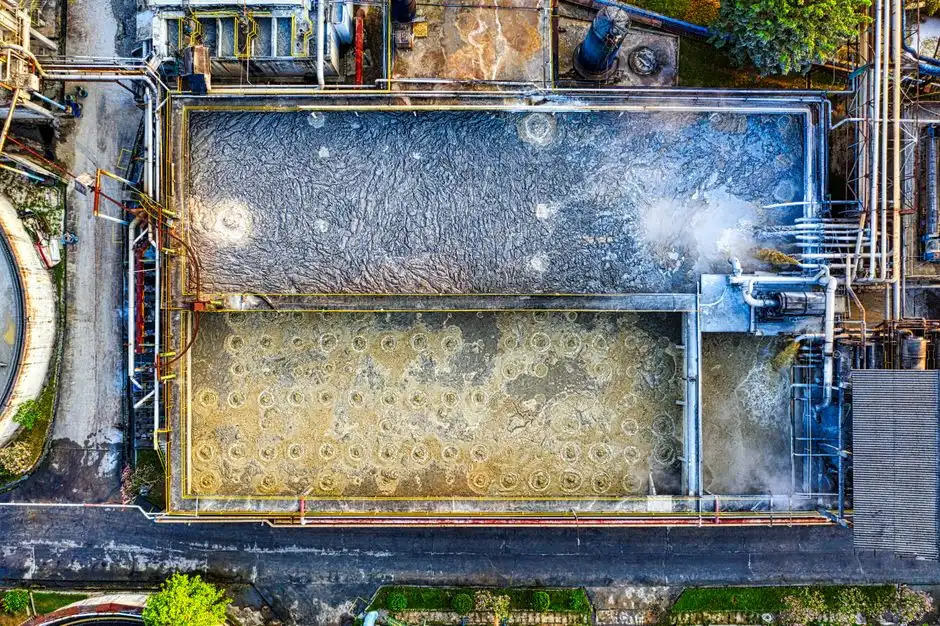
Size the flotation unit around the operating profile and changing pollutant loads, not around a single daily wastewater volume. Request average flow, peak-hour flow, operating hours, batch-discharge events and the expected durations of shock loads. Also request representative analyses for COD, TSS, oil and grease, pH, turbidity and dissolved contaminants. The tannery source notes that wastewater composition can vary considerably during the day, so a single grab sample may not represent the design condition.
Ask each supplier to state the design flow, wastewater basis, removal targets, hydraulic retention assumptions and any operating envelopes. Require clarification of how the proposed unit responds when flow or pollutant concentration rises above the normal operating condition. If equalization is absent from the selected route, the supplier must show how the DAF and upstream equipment will tolerate the documented peak and shock conditions.
Confirm the recycle arrangement, saturation system, chemical dosing, automatic skimming and control scope. Utilities and site constraints should also be fixed before comparison: available footprint, electrical supply, compressed-air or service-water availability, drainage connections and the route for collected sludge. The quotation should identify whether the equipment is skid-mounted, containerized or otherwise configured for the available space; the available supplier material describes these broad configurations without establishing suitability for a particular Guyana site.
When evaluating an industrial dissolved air flotation system, do not accept a nominal flow figure without its design basis. Require the supplier to identify how chemical dosing, recycle, sludge withdrawal and controls are integrated. Also define what happens when a chemical tank is empty, the skimmer is unavailable or the flow exceeds the stated operating range.
Keep case-specific information separate from promised project performance. The available material describes DAF as a clarification method for suspended solids, oils and greases, and the tannery case demonstrates an implemented treatment sequence. Neither source establishes a guaranteed removal rate for the buyer’s wastewater. Removal targets must be tied to the selected DAF configuration, wastewater characterization, operating conditions and a defined acceptance-test method.
Turn the process selection into an RFQ and acceptance plan
Issue an RFQ only after the treatment route and site inputs are defined. Each quotation should use the same wastewater and flow basis and state what is included, excluded and conditional. The buyer needs enough information to compare process performance, installation obligations, operating costs and acceptance risk—not just a package price.
| Quote line item | Technical scope to specify | Red flags to check before signing |
|---|---|---|
| Industrial wastewater pretreatment | Define screening, oil and grease separation, equalization, pH control, sampling points and connections to the DAF. | A “complete plant” description with no equipment list, design flow or influent basis. |
| Dissolved air flotation system | State design flow, wastewater characterization, recycle arrangement, saturation, skimming, retention assumptions and removal targets. | Guaranteed outcomes without a test method, operating envelope or clarification of sample points. |
| Chemical dosing | Specify chemicals, preparation, metering, pH control, duty/standby arrangement, containment and operator controls. | Generic “chemical dosing included” wording with no capacities, ranges or supply responsibility. |
| Controls and instrumentation | List sensors, alarms, interlocks, PLC or other control scope, data display and manual/automatic modes. | Unclear exclusion of field instruments, programming, power supply or integration with the plant controls. |
| Sludge handling | Define collection, thickening, storage, dewatering, filtrate return, cleaning access and final disposal interface. | No route for dewatered sludge, no filtrate handling requirement and no duty/standby basis. |
| Commissioning and training | State startup tests, demonstration, training hours, documentation, spares, warranty, technical support and acceptance criteria. | Commissioning limited to equipment delivery, or acceptance deferred to undefined verbal criteria. |
Request a PLC-controlled chemical dosing system quotation where automatic dosing is part of the selected route. The scope should identify the control interface, chemical compatibility, metering duty and verification method; automatic control alone does not establish correct dosage. If dewatering is required, ask whether a plate-and-frame filter press is being offered as the project solution or only as an example, and obtain the filter-press duty, plate capacity, filtrate-return arrangement and operating sequence rather than relying on product-page descriptions.
Make effluent plant acceptance testing an integral supply obligation. The test plan should identify the wastewater condition, sample locations, sampling method, analytical parameters, operating duration and acceptance criterion. Include startup tests, operator training, control-panel checks, skimming operation, chemical-dosing verification and checks of alarms and interlocks. No guaranteed removal figure should remain in the contract until the parties have agreed how it will be measured under representative operating conditions.
Frequently Asked Questions
How does peak flow change DAF selection?
Peak flow determines whether a standard flotation unit is adequate and whether flow equalization is required. Provide average flow, peak-hour flow, the operating profile and expected shock loads to each supplier, and require the quotation to state the design flow and operating envelope. Do not select from daily wastewater volume alone.
Which wastewater tests should accompany the RFQ?
Include representative COD, TSS, oil and grease, pH, turbidity and dissolved-contaminant results, together with average and peak flow. Identify the sampling dates and operating conditions so the supplier can see whether the sample represents normal production or a batch discharge. For reuse, sewer discharge or watercourse discharge, also provide the governing specification or permit conditions.
What performance and acceptance evidence should a buyer require?
Require a defined test method, representative operating condition, sample points, analytical parameters and written acceptance criteria. The supply scope should also cover startup, training, control checks, skimmer operation, dosing verification and alarms or interlocks. A removal claim without an agreed test method is not usable acceptance evidence.
How should cost, delivery and supplier support be compared?
Ask for an itemized quotation covering equipment, pretreatment, equalization, DAF, chemical dosing, controls, sludge handling, utilities, civil interfaces, freight, installation, commissioning, training, documentation, warranty and technical support. Request the destination, access constraints, installation responsibility, utilities and desired acceptance date from each bidder before comparing commercial offers. Confirm that all bidders are pricing the same wastewater basis and exclusions.