Choose A/O or MBR from the project design basis
For a residential project in Gabon, choose between an underground A/O package plant and an MBR system by matching confirmed flow, effluent requirements, reuse or discharge route, site constraints, and operating capability. An underground A/O package sewage treatment plant may suit compact residential layouts, while an MBR sewage treatment system warrants evaluation where effluent quality or reuse justifies added process complexity. Local approvals and discharge criteria remain to be verified.
Start with the design basis rather than a manufacturer’s unit size. Ask the project designer or civil consultant to confirm:
- Average daily sewage flow and peak-hour flow;
- Current and projected household occupancy;
- Influent characteristics, including wastewater strength and expected variation;
- Required effluent quality and its intended reuse or discharge route;
- Available footprint, soil and groundwater conditions;
- Power, backup-power and remote-monitoring requirements; and
- Sludge handling, maintenance access and operating-staff capability.
Fluence states that a containerized plant can treat residential sewage for 500 to 5,000 families. Treat that as a residential scale reference only: it does not determine flow, process capacity, compliance or suitability for a Gabon development.
Compare treatment routes against site requirements
Select A/O where compactness, established biological treatment and the project’s operating arrangements dominate the decision. Evaluate MBR where the specified effluent or reuse objective requires greater treatment confidence and the site can support its additional operational requirements. Neither route can be approved from a process label alone; the supplier must demonstrate that the proposed configuration meets the confirmed design basis.
| Discharge route or influent problem | Governing rule or process option | What data settles it |
|---|---|---|
| Compact residential layout with limited surface equipment | Evaluate an underground A/O package arrangement, subject to soil, groundwater, access and structural requirements. | Footprint, excavation depth, soil report, groundwater level, access routes and lifting plan |
| High-quality effluent or water reuse for irrigation | Evaluate MBR, or another route demonstrated to meet the legally confirmed reuse specification. | Reuse application, receiving-water requirements, applicable local standards and intended irrigation conditions |
| Variable daily loading or household occupancy changes | Require documented peak-flow and equalization provisions for the selected package. | Average flow, peak factor, occupancy schedule, inflow and outflow controls |
| Remote site or unreliable grid power | Compare each supplier’s power demand, controls, backup provision and operating response. | Electrical supply, backup-power requirement, remote-monitoring expectations and staff attendance plan |
| Flood exposure, groundwater intrusion, odor or noise constraints | Confirm enclosure, odor control, noise control, above-grade equipment and protection measures. | Flood levels, groundwater data, setbacks, property boundaries and environmental complaints |
For every proposal, require the supplier to identify access clearances, lifting provisions, maintenance routes, odor-control measures and the consequences of flood or groundwater exposure. A residential package-plant comparison for Congo offers useful project context, but its site and regulatory conditions should not be transferred to Gabon without verification. The A/O and O&M considerations described for domestic wastewater treatment reinforce the need to align process choice with local operating conditions.
Build the design data before selecting a capacity

Select a packaged sewage treatment plant for residential projects in Gabon based on hydraulic and process loading rather than household count alone. Obtain the average daily flow, peak-hour flow, projected occupancy and wastewater characteristics from the developer or civil consultant. These inputs establish hydraulic loading, process loading and whether equalization or additional treatment stages are required.
Modular Water Systems lists standard compact capacities from 2,000-10,000 GPD and 10,000-25000 GPD, with larger custom units from 25,000 GPD up to 250,000 GPD. The same supplier states that tandem standard units can handle average daily flows of up to 50,000 GPD. These are supplier ranges, not Gabon requirements, and the buyer should not assume that nominal capacity equals available treatment capacity under the development’s actual loading conditions.
Use the containerized sewage treatment plant sizing method as a prompt to document the calculation basis, not as a substitute for project data. The quotation should state the design flow, peak-flow response, expected occupancy, process assumptions and treatment objectives. It should also identify whether treated effluent will be reused for irrigation, discharged, or passed to another receiving system.
This discharge decision changes the process scope and determines the documents the buyer must obtain: the local approval route, receiving-water or reuse criteria, sampling requirements and any restrictions applying to the intended irrigation use.
Separate general evidence from Gabon compliance
No verified Gabon-specific discharge limit, permit procedure or oversight authority is established by the available general industry guidance. Do not convert a vendor statement or another jurisdiction’s rule into a Gabon requirement. Ask the local environmental authority, municipality or project environmental consultant to identify the applicable approval route and receiving-water or reuse requirements.
Require the sewage treatment plant RFQ to identify:
- The governing design basis and applicable client or local criteria;
- The effluent sampling point and sampling frequency;
- The test procedure and acceptance values;
- The party responsible for compliance verification;
- Who obtains and pays for permits or regulatory approvals; and
- What happens if an acceptance test fails.
Claims such as “no operator required” or suitability for reuse are proposed system attributes, not proof of local compliance. Verify them against the selected plant’s process, staffing assumptions, site constraints and the rules confirmed by the local authority.
Turn the selection into a quotation and acceptance scope
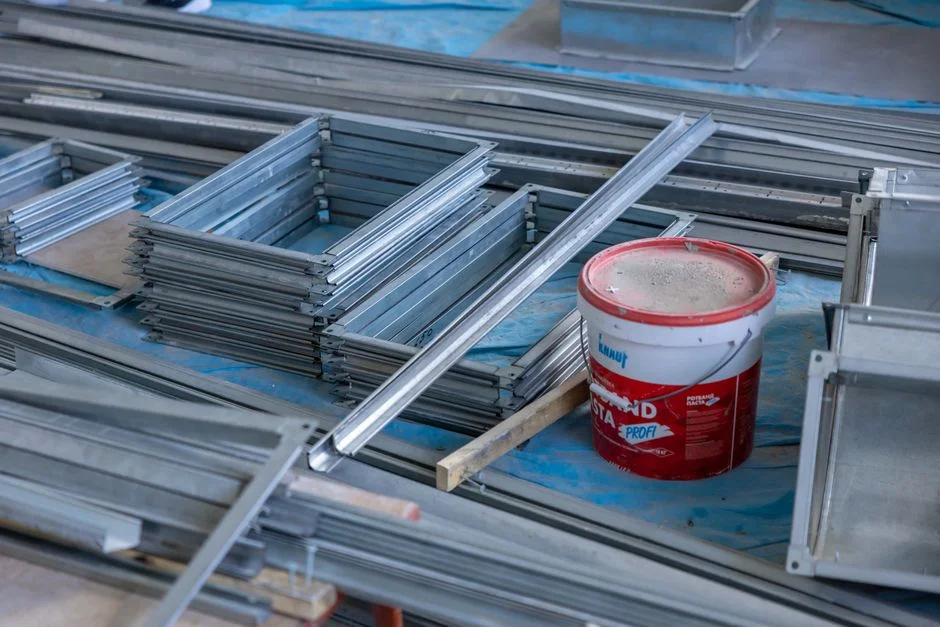
Issue the same RFQ scope to each supplier so that prices remain comparable. Itemize equipment, shipping, import, foundations, installation, piping, electrical connections, commissioning, training, spare parts, operation and maintenance, and sludge disposal. Require exclusions to be stated explicitly rather than hidden in general allowances.
| Quote line item | Technical scope to specify | Red flags to check before signing |
|---|---|---|
| Supply and delivered cost | Equipment, shipment, import duties or taxes, insurance, delivery location and installation responsibility. | “Ex-works” price with no stated transport or import allowance |
| Inlet and hydraulic works | Inlet works, screening, flow equalization, flow measurement, bypass provisions and pipe interfaces. | Unclear flow basis or inlet works omitted from the total |
| Treatment process | Biological treatment, clarification, filtration if required, disinfection, odor control and effluent testing. | Process stages needed for the confirmed effluent route are excluded |
| Civil, installation and electrical works | Foundations, excavation or underground installation, piping, controls, power connections, access and lifting provisions. | Site works are assumed to exist without drawings or quantities |
| Commissioning and training | Factory acceptance, site acceptance, water or wastewater loading, operator training, handover documents and support. | Commissioning ends at delivery without site performance testing |
| Operation, maintenance and sludge | Maintenance schedule, replacement items, spare parts, operator capability, sludge extraction, transport and disposal. | No defined sludge route or recurring consumables excluded from the price |
| Acceptance and warranty | Separate factory and site tests, leak and odor checks, effluent tests, document handover, training completion and warranty commencement. | Acceptance or warranty begins before site testing and operator handover |
Modular Water Systems claims total installed cost savings of 10% to 35% for its standard packaged products compared with mainstream conventional wastewater treatment solutions. Require any supplier using a comparable savings claim to disclose the baseline, included scope, pricing basis and exclusions. The membrane and filter element scope should also be defined where relevant, including replacement obligations and operating costs.
Define factory acceptance, site acceptance, training completion, leak and odor checks, effluent testing, documentation handover and warranty commencement as separate deliverables. A photograph, shipment record or statement that the unit is ready is not equivalent to demonstrated effluent performance at the agreed sampling point.
Further Reading
Frequently Asked Questions
Why can household count not be used by itself to size a sewage treatment plant?
Household count does not establish daily wastewater volume, peak loading or effluent requirements. The designer must use measured or forecast flow, occupancy assumptions and wastewater characteristics. Ask each supplier to show which design flow and occupancy inputs produce its selected capacity and how peak flow is handled.
When may an underground A/O package plant be preferred over MBR?
An underground A/O package may be preferred where compact siting, established biological treatment and the available operating capability support that route. Evaluate MBR when the confirmed effluent specification or reuse objective warrants it and the project can manage its additional process and maintenance requirements. Request a route-specific design statement and performance basis from each supplier.
Which Gabon approvals and discharge requirements must the buyer verify?
The buyer must obtain confirmation from the relevant local environmental authority, municipality or project environmental consultant about the approval route, discharge route and any reuse criteria. Ask for the applicable requirement in a written document or official correspondence. Do not price the plant as compliant solely from a general supplier statement or another country’s discharge limit.
Which cost, delivery and supplier-selection items should be included before comparing quotations?
Request comparable delivered pricing covering equipment, freight, import, civil and electrical installation, commissioning, training, spares, O&M, sludge handling and acceptance testing. Confirm the manufacturing location, delivery scope, proposed schedule, warranty commencement and responsible party for site performance. Provide the site data and scope inputs above and require each supplier to state exclusions and validity conditions in its offer.