Define the Indonesian greywater source and reuse target
A greywater recycling system in Indonesia should begin with segregated household, hotel, school or site wastewater and a clearly defined non-drinking reuse, such as irrigation or toilet flushing. Greywater represents 50-80% of typical household daily wastewater generation [S1]. An Indonesian review reports the same 50-80% range for household wastewater and identifies separation from blackwater as feasible in Indonesia [S2]. Route selection then depends on measured flow, water quality, space and reuse requirements, not on a generic equipment preference.
Confirm the stream before pricing equipment. Greywater includes everything except toilet waste and is characterized by low organic strength and high volume [S1]. The Indonesian review describes a mixed baseline in which blackwater is commonly sent to septic tanks or sewers while greywater may enter drainage together with rainwater [S2]. A segregated system therefore requires verification of the plumbing, drain catchment and contamination entry points.
Define the destination separately. The review identifies non-drinking reuse opportunities, including urban agriculture, while the project application may instead be irrigation, toilet flushing, washing or another specified use [S2]. This determines the required treatment train and whether the outlet is retained on site, discharged through a defined route or both. Do not treat a general reuse intention as an effluent specification.
Request these documents before route selection:
- A source-building list showing every greywater connection and whether it includes kitchens, laundries, showers or washbasins.
- Daily flow, peak-hour flow and expected reuse-water demand by building and use.
- Representative sampling results for COD, BOD, suspended solids, surfactants, pH, temperature and relevant microbial indicators.
- Site drawings showing footprint, excavation access, power, drainage, reuse storage and installation constraints.
- The applicable Indonesian discharge or reuse requirements for the specific outlet and destination, supported in writing by the relevant authority or environmental consultant.
Further technical context is available when comparing UF and MBR for greywater recycling.
Compare the treatment routes against site conditions
Selecting the correct treatment route requires matching the required effluent quality and site constraints to the available technology. The academic review describes source segregation as necessary for decentralized greywater management and reuse [S1]. The Indonesian review also highlights constructed wetlands and lower-technology, low-cost reuse systems as relevant applications [S2]. These options belong in the commercial comparison even if the initial project scope focuses on UF, MBR or packaged biological equipment.
| Discharge route or influent problem | Governing rule or process option | What data settles it |
|---|---|---|
| Segregated greywater is suitable for a relatively simple reuse treatment train | Assess constructed wetlands or lower-technology systems as site-specific alternatives before accepting a more complex package | Measured flow and organic load, available footprint, maintenance access and the verified reuse quality |
| Filtration and solids control are the principal objectives | Consider a UF water treatment system as a polishing or filtration step, subject to upstream wastewater compatibility | Suspended-solids profile, required particle or microbial control, pretreatment needs and cartridge or membrane loading |
| A compact biological route is required | Consider an MBR wastewater recycling system where biological treatment and fine solids separation are both required | Hydraulic and organic loads, surfactants, footprint, power, operator availability and membrane maintenance arrangements |
| Decentralized treatment must be integrated below ground | Consider an integrated package treatment plant, then verify its process fit rather than relying on the word “package” | Excavation access, native-ground and installation constraints, utilities, discharge route, duty cycle and service access |
| Direct reuse is proposed | Permit only where the source separation and intended application support the treatment level; do not treat direct reuse as a default treatment route | Documented source segregation, inlet quality, exposure controls, destination requirements and verified reuse demand |
Compare routes on treatment need, hydraulic and organic loading, footprint, operator capability, reuse quality, maintenance access and delivered capital and operating cost. For biological routes, surfactants require particular attention. In the experiment cited by the Indonesian review, anaerobic processes achieved 51% COD removal compared with 90% for the aerobic process, with surfactants identified as a contributing factor [S2]. That comparison is not a sizing guarantee, but it supports testing surfactants and aerobic performance rather than assuming equivalent removal.
Use the product pages only to identify candidate configurations: evaluate an UF water treatment system, an MBR wastewater recycling system, or an integrated underground package treatment plant against the same verified project inputs. The full comparison of UF, MBR and packaged greywater plants can help structure that assessment, but project data remains the basis for selection.
Size the system from measured flows and contaminant loads
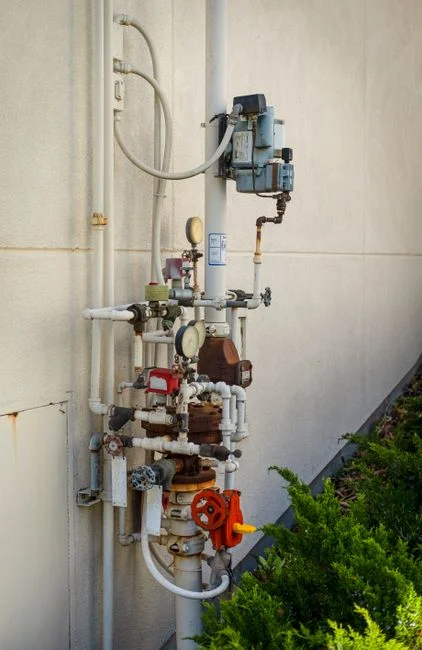
Do not size the plant from the proportion of wastewater classified as greywater. Obtain measured hydraulic and contaminant data for the actual source, because the available Indonesian review identifies reuse opportunity but does not provide a universal design flow or equipment capacity.
Ask the site operator or a qualified sampler to establish daily flow and peak flow, together with COD, BOD, suspended solids, surfactants, pH, temperature and relevant microbial indicators. The sampling plan should identify where and when each sample is taken; a single untimed sample should not be treated as a complete design basis.
Use the greywater sizing workflow to define each unit as a separate design item:
- Establish inlet and reuse flow, including peak conditions and storage requirements.
- Define equalization and any solids or surfactant pretreatment needs.
- Select biological capacity from measured load and the required treatment objective.
- Calculate filtration or membrane loading from the selected hydraulic basis.
- Define pumping, disinfection, reuse storage and distribution requirements.
For UF, the supplier must show how upstream solids, surfactants and biological loading affect the selected membrane or filter and cleaning requirements. For MBR and packaged biological plants, the supplier must state the biological design basis, duty cycle, solids handling and membrane or media maintenance. No route should be accepted on nominal flow alone.
Turn the selected route into a comparable supplier quotation
Make quotations comparable by requiring the same drawings, guarantees and commercial boundaries from every bidder. Use the greywater reuse equipment specification as the starting point, then issue one request for information and quotation schedule to each supplier.
| Quote line item | Technical scope to specify | Red flags to check before signing |
|---|---|---|
| Process design and performance guarantee | Process flow diagram, equipment schedule, design flow, duty cycle, tested influent basis, outlet criteria, test methods and agreed sampling points | A generic “reuse-ready” claim without an agreed influent, outlet, test method or remedy for failure |
| Equipment and replacement items | Membranes or filter media, replacement quantities, chemicals, sludge or solids handling and critical spare parts | Membrane life stated without operating conditions; consumables and sludge disposal omitted from the price |
| Installation and commissioning | Delivery boundary, civil works, excavation, connections, power, commissioning tests, training and performance demonstration | “Delivered” price excludes foundations, drainage, electrical work, commissioning or site preparation |
| Utilities and operating responsibility | Electrical demand, chemical use, routine maintenance access, operator tasks, response times and spare-parts coverage | Labour, travel, membranes, chemicals and disposal costs appear only as undefined operating assumptions |
| Ownership and handover | Documentation, operator training, test records, spare-parts handover, warranty scope, defect response and acceptance procedure | Payment is tied to delivery rather than documented performance, with no defect or non-acceptance process |
Assign the project owner or engineer to supply flow data, wastewater analysis, intended reuse and site drawings. Assign the supplier to define the process, guarantees, exclusions and delivery schedule. Freight, installation, training, warranty, chemicals, replacement media, membranes, sludge or solids handling and spare parts should be shown separately where applicable. The buyer should also request freight and installation inputs separately so that bidders price the same delivery boundary.
Set acceptance criteria around the verified site requirement and agreed test methods. Do not accept an unsupported universal reuse claim or treat treated greywater as potable.
Verify compliance, commissioning and handover requirements
Verify the applicable Indonesian requirements before accepting any discharge or reuse proposal. The available evidence describes greywater separation, reuse opportunities and the need for collaboration among stakeholders, but it does not establish a current nationwide reuse standard or permit procedure [S2]. Ask the project owner, relevant local authority or environmental consultant which requirements apply to the intended discharge point and reuse destination, and obtain the basis in writing.
For irrigation, identify the crop, exposure pathway and whether reclaimed water is applied through irrigation, a vertical garden or another destination. The Indonesian review specifically supports non-drinking applications such as irrigation and urban agriculture [S2]; it does not establish a universal chemical, microbiological or irrigation limit. The acceptance schedule should therefore identify the verified requirement, responsible authority or consultant, sampling points, test methods, frequency and consequences of non-compliance.
Commissioning should demonstrate the selected route under agreed conditions. Require training, operating procedures, maintenance schedules, spare-parts handover, as-built documentation and records of performance tests. Warranty and defect-response periods must define who investigates failures, supplies replacement parts and authorizes return to reuse operation. If the evidence remains unresolved, prohibit reuse until the responsible party confirms the applicable requirement.
Frequently Asked Questions
When should UF be selected instead of MBR or a packaged biological treatment plant?
Select UF when the project needs filtration or solids control and the upstream wastewater is compatible with the specified membrane or filter. Treat UF as polishing or filtration within a treatment train unless the supplier demonstrates a suitable upstream process. If biological treatment is required for the permitted reuse quality, specify that treatment first and then size UF against measured solids and hydraulic loading.
What information does a supplier need to size a greywater recycling system in Indonesia?
Provide daily and peak flow, the source-building list, COD, BOD, suspended solids, surfactants, pH, temperature and relevant microbial indicators. Also provide the intended reuse, required effluent quality, available footprint, utilities, drainage route, storage demand and installation constraints. These inputs allow the supplier to state its design basis and identify excluded equipment or civil works.
How should treatment, installation and O&M costs be made comparable in quotations?
Require every supplier to quote the same boundary: process equipment, installation, civil interfaces, utilities, commissioning, training and O&M. Ask for freight, membranes or replacement media, chemicals, sludge or solids handling, spare parts, labour and warranty to be identified separately. A buyer requesting pricing should also provide the delivery location, access conditions, power supply, drainage route and intended reuse so that bidders can price logistics and site interfaces consistently.
How should the buyer verify Indonesian compliance and supplier acceptance evidence?
Obtain written confirmation from the relevant local authority or environmental consultant about the requirements for the specific discharge point and reuse destination. Require the supplier’s acceptance test to use the confirmed criteria, agreed sampling points and defined methods, with failure remedies stated in the contract. Check the handover package for commissioning results, operator training, maintenance records and warranty obligations; a general claim that the system is suitable for reuse is not acceptance evidence.