Choose a Decentralized or Centralized Treatment Route
For rural Nigeria, a buried packaged sewage treatment plant is usually the most practical starting option when there is no reliable sewer network, flows are moderate and the site has suitable ground conditions. A central sewered system becomes more appropriate where dense development, long-term growth and adequate collection infrastructure justify shared capital and operating costs. The decision should not be based on treatment technology alone: obtain flow and load data, confirm the discharge route and applicable permit, assess power, soil and flood risks, and define sludge handling and O&M ownership before requesting quotations.
Document how sewage will reach the treatment point as the first step in selecting a route. If homes or facilities are dispersed and no dependable domestic sewage collection system exists, compare a decentralized sewage treatment route using an underground package sewage treatment plant with locally available collection methods. A package plant removes the need for a trunk sewer to a distant treatment works, but it does not remove the need for household connections, local sewers or a controlled discharge route.
Use a central sewered route where development is concentrated, an existing collection system can be used or extended, and projected flows justify shared pumping, treatment and operating infrastructure. The comparison of sewer and A/O package treatment provides a useful route-selection reference, but its site economics must be recalculated for Nigerian settlement patterns, collection distances, local labor and power conditions.
Obtain the following decision inputs before selecting equipment:
- Average and peak sewage flow in m³/day, including seasonal and festival variation.
- Current and projected load, including domestic users, non-domestic contributors and future connections.
- The proposed collection method: gravity sewer, local pumping, septic-tank discharge or another approved arrangement.
- The intended effluent destination and the Nigerian permitting authority or regulatory route.
- Available power, backup-power arrangements and the skill level of the proposed operator.
- Soil, groundwater, flood level, drainage route and installation-access constraints.
- Sludge handling, dewatering, collection and final-disposal arrangements.
These inputs prevent an equipment-only comparison. A package plant may have a smaller collection footprint, while a centralized route may spread treatment and operating costs across more users.
Match the Treatment Process to the Wastewater Duty
Match the process to the required effluent quality and reuse purpose, not to the product label. An anoxic/aerobic package plant is a candidate for conventional rural domestic-sewage treatment, an MBR system should be considered when compactness or higher-quality reuse is required, and onsite sanitation should enter the comparison only as part of an approved collection-and-treatment chain.
| Discharge route or influent problem | Governing rule or process option | What data settles it |
|---|---|---|
| Domestic sewage without a dependable sewer connection | Compare decentralized treatment near the source with a centralized route requiring collection infrastructure. | Measured average and peak flows, settlement pattern, proposed collection method and projected growth. |
| Conventional domestic-sewage treatment duty | Request an anoxic/aerobic process description with each process stage identified. | Influent BOD, COD, TSS, pH and temperature, together with the required effluent parameters. |
| Limited footprint or higher-quality reuse application | Consider an MBR wastewater treatment system and define the intended reuse endpoint. | Required effluent quality, reuse destination, membrane cleaning provisions and site area available for installation. |
| Fats, oils, grease, screenings or exceptional domestic loads | Identify pretreatment, screening and residual-management measures rather than assuming the biological unit resolves them. | Wastewater characterization, equipment protection requirements, screening and sludge-disposal method. |
| Possible pharmaceutical residues | Clarify whether pharmaceutical contaminants fall within the intended project scope. | Influent characterization and the responsible authority’s project-specific requirements. |
Academic monitoring described pharmaceutical residues in Lagos surface waters and sewage sludge. Clarify the contaminant scope with the regulator and bidder to determine if specific removal requirements apply to the project.
Request the final-disposal methods for screenings, fats, oils and grease, and sludge for every proposed process. A treatment unit may improve the liquid stream, but it does not automatically provide lawful collection, transport and disposal for every residual stream.
Account for Power, Operations and Site Conditions
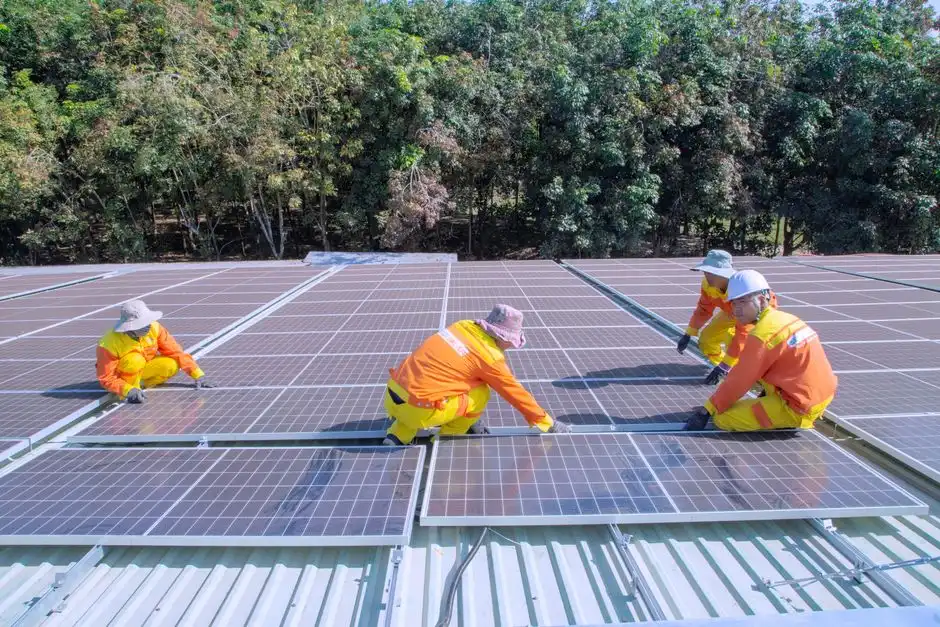
Require the supplier to demonstrate that the proposed route can remain operable at the rural site. Before comparing lifecycle costs, obtain the available electrical supply, expected outage pattern, backup-power concept and operator skill level.
Academic review of African wastewater constraints identifies unreliable electricity as a major impediment to wastewater recovery in Nigeria, second only to the capital expenditure required for the process. For procurement, ensure the quotation identifies connected load, peak demand, control strategy, backup requirements and the consequences of an outage—not simply a pump or blower motor rating.
Site conditions determine whether a buried unit is practical. Request soil information, groundwater conditions, flood level, drainage route and installation-access details to assess excavation, anchoring, buoyancy protection, corrosion and maintenance access.
Define operating responsibility before accepting the lowest price. Ask who will perform inspections, desludging, laboratory monitoring, corrective maintenance and sludge removal. Also confirm spare-parts availability, expected sludge-removal frequency, training arrangements and the response process for breakdowns.
African wastewater-management literature identifies inadequate monitoring, shortages of skilled staff and insufficient O&M practices as recurring constraints. Assign named responsibilities and require a handover record that lets the responsible operator understand the process, alarms, routine checks and escalation route.
Use the municipal sewage sludge treatment guide to identify residual-handling questions, but do not treat sludge treatment as a substitute for an agreed collection and final-disposal plan.
Build an RFQ That Separates Equipment from Site Scope
Make the RFQ expose design assumptions and exclusions before comparing prices. Ask each bidder to state its design flow, treatment process, process stages, power demand, automation, footprint, installation method and commissioning deliverables separately. Then require a schedule identifying what is included and what the buyer must provide.
| Quote line item | Technical scope to specify | Red flags to check before signing |
|---|---|---|
| Design basis and process | Average and peak design flow, load basis, process stages, treatment objectives and discharge route. | Quotation based on an unstated flow, equalization allowance or reuse assumption not matching the site. |
| Equipment and controls | Mechanical equipment, treatment stages, control system, power demand, automation, alarms and local instrument requirements. | Power load is not stated, or automatic operation is promised without defining operator intervention and outage response. |
| Civil works and installation | Excavation, backfill, anchoring, lifting, access roads, connections, drainage and installation method. | “Supply and install” excludes tank works, pumps, local collection, controls, power supply or site preparation without stating it. |
| Collection and discharge infrastructure | Local sewers, pumping, screens, effluent pipework, discharge point and associated civil works. | The package unit is priced as if collection, discharge infrastructure and approvals are already complete. |
| Sludge and residual management | Screening removal, sludge storage, dewatering, collection frequency, final disposal and operator tasks. | No destination, responsibility or cost is assigned for screenings, fats, oils and grease or sludge. |
| Commissioning and verification | Installation supervision, testing, startup, performance demonstration, laboratory testing and handover documents. | Acceptance is based only on visual startup rather than confirmed performance against the agreed discharge criteria. |
| Training, warranty and support | Operator training, operating manual, spare parts, warranty conditions, response arrangements and post-commissioning support. | Warranty exclusions are undefined, spares have no delivery basis, and remote support replaces clear local responsibilities. |
Set performance acceptance criteria only after confirming the intended discharge route and required effluent parameters with the relevant authority. Ask each bidder to identify which civil works, collection network, pumps, screens, sludge handling, laboratory testing, permits, training and warranty support are excluded. The Nigeria effluent treatment plant cost breakdown can structure a quotation request, but it does not supply a defensible site price without current site inputs and supplier pricing.
Confirm delivery scope, site-access assumptions, installation, commissioning, training, spare parts and post-commissioning support. Do not transfer a sewage-sludge energy figure into the package-plant acceptance criteria: an approximately 85% thermal-efficiency value reported by International Plasma Technology Center is a modeled result for a specific US sewage-sludge power configuration, not an equipment guarantee or a Nigerian rural-plant criterion.
Frequently Asked Questions
How should a rural community choose between a package sewage treatment plant and a central sewer system?
Choose decentralized package treatment when wastewater is dispersed, dependable sewer service is absent and treatment near the source avoids extensive collection infrastructure. Choose a central sewered route where concentrated development, an existing collection system and sustained growth justify shared treatment. Decide only after obtaining measured average and peak flows, projected loads, the collection concept, discharge route and site constraints; then compare total collection, installation, power, maintenance and residual-disposal scope rather than unit prices alone.
What flow, influent and site data must be included in a Nigerian sewage treatment equipment RFQ?
Include average and peak flow in m³/day, seasonal and festival variation, current and projected loads, and the intended collection method. Provide BOD, COD, TSS, fats, oils and grease, pH and temperature data where available. Add the discharge route and proposed authority, available power and outage pattern, operator skill level, soil, groundwater, flood level, drainage, installation access and sludge-disposal arrangements. Request sampling records or monitoring results rather than relying on generic “domestic sewage” labels.
What should the quotation include for installation, commissioning, sludge handling, training and warranty?
Require separate line items for equipment, process stages, controls, power demand, automation, footprint, excavation and installation, civil works, local collection and discharge connections, sludge and screening handling, testing, commissioning, laboratory verification, operator training, spares, warranty and post-commissioning support. Ask the bidder to list exclusions explicitly. A complete quote should identify who performs sludge removal, where residuals go, what acceptance demonstration will be completed and which warranty conditions apply.
How should the buyer verify discharge compliance and select a supplier for a packaged sewage treatment plant?
First identify the authority responsible for the proposed discharge route and obtain the applicable effluent requirements. Ask suppliers to demonstrate the proposed process against those requirements and the actual influent basis; confirm whether performance testing, sampling, laboratory analysis and permit support are included. Compare suppliers using process suitability, site-specific design data, installation scope, operator competence, spare-parts support, residual-management arrangements and contractual acceptance criteria. The containerized sewage treatment plant sizing review can support a sizing checklist, but the final selection must use Nigerian site data and confirmed local requirements.