Define the treatment route from the site's real requirements
The immediate choice for a hotel in Chad is between connecting to an available sewer, installing an underground A/O package plant, or selecting an MBR system. A/O package plants suit hotels needing compact, automated biological treatment, while MBR is the stronger option when a high-quality reuse stream or a small footprint justifies added membrane and operating complexity. The hotel source notes seasonal wastewater peaks, modular expansion, and reuse benefits; the N'Djamena study found antibiotic residues in wastewater samples, making source control and influent characterization necessary. No supplied source establishes Chad-wide hotel discharge limits, so the final route and acceptance criteria must be confirmed with the relevant authorities.
Start with the wastewater duty
Obtain the hotel's average flow, peak flow, occupancy pattern, wastewater characteristics, receiving route, and reuse objective before selecting equipment. For a hotel A/O versus MBR treatment comparison, the decisive point is not the nominal plant size quoted by a bidder; it is whether the proposed process covers the hotel's actual hydraulic and contaminant loads.
Hotels in underserved or remote locations may use decentralized wastewater treatment where a centralized sewer connection is not available. The hotel wastewater source identifies seasonal demand and wastewater-flow spikes, and describes modular treatment as a way to accommodate changing loads. Ask the hotel's operations team for daily water-consumption records, occupied-room data, event schedules, and any swimming-pool or laundry discharge that enters the sewage system.
For sizing and characterization, request:
- Average and peak wastewater flow in m³/day, with the peak period identified.
- Raw sewage results for COD, BOD, suspended solids, grease and oil.
- The intended discharge route or non-potable reuse application.
- Available footprint, soil conditions, and groundwater or water-scarcity constraints.
- Electricity availability, backup-power requirements, and operator skill level.
Use local evidence for sampling, not as a discharge standard
The N'Djamena antibiotic-residue study does not provide an effluent limit for hotel sewage treatment plants. It analyzed 42 wastewater samples from districts of the capital and reported antibiotic-residue prevalence varying from 50 to 100% by district. This finding supports source-control, sampling, and wastewater-characterization requirements; it does not establish a Chad-wide permitted discharge concentration.
Ask the selected laboratory which analytes and detection method are appropriate for the site's wastewater. Request the receiving authority for the applicable approval pathway and written conditions covering discharge or reuse before relying on a supplier's general compliance statement. The package plant and MBR selection for hotels provides a useful comparison framework, but its regional context does not establish Chad-specific limits.
Compare A/O package plants and MBR systems
Require each bidder to provide an influent and effluent design basis rather than relying on generic equipment capacity. The hotel wastewater source describes sedimentation, filtration, biological treatment, and disinfection as common on-site treatment stages. It identifies MBR effluent as suitable for landscape irrigation and dust control, while also recommending source separation and water conservation where practical.
| Discharge route or influent problem | Governing rule or process option | What data settles it |
|---|---|---|
| A sewer connection is technically available and accepted | Compare the connection route with on-site treatment, including connection works, treatment responsibility, and continuing charges. | Written confirmation of connection availability, required pretreatment, discharge route, ownership, and charges. |
| Compact biological treatment is needed for a site without a reusable high-quality discharge stream | Consider an underground A/O package sewage treatment plant with the treatment stages specified for the wastewater. | Average and peak flow, wastewater analysis, available footprint, soil, and groundwater conditions. |
| Non-potable reuse or a constrained footprint is central to the project | Consider an MBR membrane bioreactor wastewater system, with membrane cleaning, replacement, and operator requirements included in the comparison. | Reuse application, required effluent evidence, footprint, utilities, available skills, and maintenance plan. |
| Hotel wastewater quality is uncertain or variable | Require a pretreatment and sampling basis before comparing process guarantees. | Laboratory results for COD, BOD, suspended solids, grease and oil. |
Match the treatment route to discharge and reuse conditions
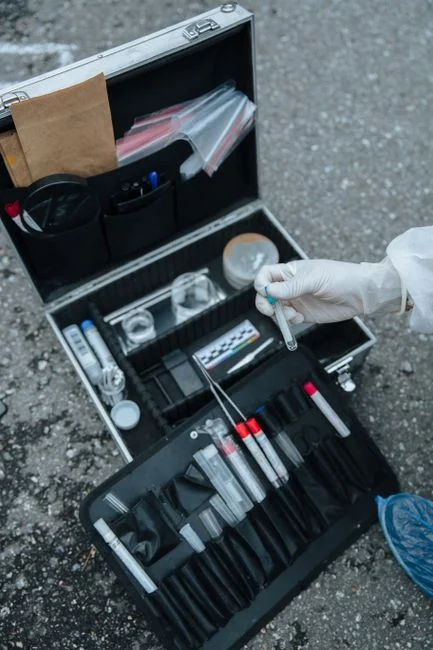
The receiving environment and intended reuse application must be defined in the RFQ because they determine the treatment and disinfection train. A landscape-irrigation or dust-control objective is not the same as a permitted surface-water discharge, and neither should be treated as a potable-water supply.
Use commercial greywater and wastewater reuse route selection to frame the distinction between source separation, treatment, and reuse. The hotel wastewater source identifies MBR effluent as suitable for landscape irrigation and dust control and recommends source separation and water conservation where practical. It also states that MBR systems combine conventional biological treatment with membrane filtration and do not require a clarifying tank, making them more compact than conventional activated-sludge plants.
These statements support a route-selection question, not a Chad-specific reuse standard. The RFQ should require each bidder to:
- Name the proposed discharge point, receiving environment, and reuse application.
- Identify the authority, approval pathway, and permit conditions applicable to that route.
- State the treatment and disinfection steps provided for the identified receiving use.
- Define the sampling points, analytical parameters, test methods, and acceptance evidence.
- Separate compliance evidence from marketing claims such as “suitable for reuse.”
For a hotel with unreliable sewer access, decentralized treatment may be necessary, but it transfers operating responsibility to the owner. The RFQ should therefore price routine operation, membrane or media maintenance, sludge removal, spare parts, energy demand, and operator support.
Build a quotation package that exposes scope gaps
A comparable quotation starts with the buyer's data package: daily flow, peak-flow basis, wastewater analysis, site-survey data, receiving route, reuse target, and operating constraints. Then require every bidder to price the same technical boundary, or explain each exclusion in writing.
Use the packaged sewage-treatment quotation structure as a checklist, adapted to the hotel's wastewater and reuse route. The red flags below identify clarifications needed before accepting a price as comparable.
| Quote line item | Technical scope to specify | Red flags to check before signing |
|---|---|---|
| Design basis and process route | Average and peak flow, wastewater characteristics, treatment stages, treatment train, and final receiving route. | Unsupported capacity claim; no influent or effluent design basis; generic treatment description. |
| Equalization and pretreatment | Scope for flow buffering, screening, grit removal, grease and oil control, and other required pretreatment. | Omitted pretreatment despite unresolved wastewater quality; no basis for included equipment. |
| Biological treatment | A/O biological contact oxidation or MBR process, including aeration, membranes, controls, and required ancillary equipment. | Process selected without matching the wastewater analysis; membrane replacement excluded without disclosure. |
| Solids and sludge handling | Separation, storage, dewatering or removal arrangements, and the frequency or responsibility for disposal. | Unstated sludge-disposal route; removal or transport assumed to be the hotel's duty. |
| Disinfection and reuse | Disinfection stage, contact arrangement, controls, and the treatment basis for the stated reuse application. | No specified disinfection evidence; reuse claim without a defined application and acceptance parameters. |
| Controls, utilities and site works | Power, backup-power provisions, control system, buildings, access, lifting, drainage, wiring, and installation boundary. | Civil works, electrical supply, or utility connections excluded; long-term spares and consumables omitted. |
| Commissioning, training and handover | Startup, performance testing, operating documentation, operator training, maintenance schedule, and handover criteria. | No performance-test method; training limited to briefing; unresolved exclusions left for the owner. |
Define acceptance before the supplier mobilizes
Define hydraulic, process-performance, disinfection, controls, leakage, noise, installation, training, and documentation requirements in the purchase specification. These are contractual acceptance items, not optional supplier preferences.
Require startup and commissioning evidence tied to the agreed influent basis and an independently confirmed performance test at agreed sample points. Specify who takes samples, which laboratory analyzes them, which methods apply, and what happens if a result fails. The acceptance schedule should also identify the operating period represented by the test and explain how seasonal loading will be demonstrated or otherwise addressed.
Separate verified regulatory requirements from supplier representations. The quotation should name the governing authority, approval pathway, and evidence to be submitted. Unresolved site inputs—particularly flow, wastewater quality, receiving route, and reuse criteria—must remain clearly identified in the offer, with an assigned responsibility and a process for closing them before the equipment is ordered.
Before signature, ask each bidder to confirm:
- The hydraulic basis, treatment-process design, and applicable authority requirements in writing.
- The sampling points, analytical parameters, test methods, and independent verification arrangements.
- The commissioning test, acceptance thresholds, remedy for non-performance, and required operating records.
- Operator training, maintenance documentation, spare parts, sludge route, warranty boundaries, and exclusions.
Frequently Asked Questions
How should a hotel in Chad choose between sewer connection, an A/O package plant and MBR?
Choose sewer connection where it is technically available and accepted, because the treatment and disposal responsibility may remain outside the hotel. Choose an A/O package plant where compact biological treatment is the main requirement and the reuse objective does not demand a higher-quality effluent. Choose MBR where a defined non-potable reuse stream or compact footprint justifies the additional membrane-system requirements. Confirm the decision against flow, wastewater analysis, receiving route, and authority conditions rather than a generic plant-capacity statement.
What wastewater and site data are needed to size an on-site hotel sewage treatment plant in Chad?
Provide average and peak flow in m³/day, occupancy and seasonal patterns, and laboratory results for COD, BOD, suspended solids, grease and oil. Include the footprint, soil and groundwater conditions, power availability, backup-power requirements, operator skill level, and intended reuse application. Where the sewer connection is being considered, obtain written confirmation of its availability and required conditions.
What should a supplier price, and what should the buyer check before comparing quotations?
Require separate prices for the design basis, equalization, pretreatment, biological treatment, solids handling, disinfection, controls, utilities, civil and electrical works, installation, commissioning, training, documentation, and maintenance support. Ask bidders to state all exclusions in the quotation. Treat an unsupported capacity claim, omitted pretreatment, unstated sludge-disposal route, and generic compliance statement as gaps requiring written clarification before comparing prices.
What commissioning and acceptance evidence should the buyer require?
Require a commissioning protocol tied to the agreed influent basis, with agreed sample points, analytical parameters, test methods, and independent confirmation. Define acceptance for hydraulic performance, process performance, disinfection, controls, leakage, noise, installation, training, and handover. The contract should also state what evidence is needed for regulatory approval and what remedy applies if the agreed performance test is not achieved.