Build the Chad design basis before choosing containers
Size a containerized sewage treatment plant in Chad from peak flow and organic load, not from a container count or average daily flow alone. First document average and peak flow, BOD, COD, TSS, fats, metals and pH, then identify the required effluent quality and discharge route. Use those inputs to screen MBBR, SBR or MBR configurations and add pretreatment when the sewage is outside domestic-strength limits. The available evidence establishes no Chad-specific discharge limits, so the permit authority and receiving environment must be confirmed locally before a final size or performance guarantee is accepted.
Peak hydraulic and load conditions determine the real size, not average daily flow. A unit selected against an average can be undersized during shift changes, rainfall events or batch discharges. Give each supplier the same influent profile, including the selected peak-flow period, peak factor and variability, and ask whether each quoted duty is nominal or peak.
Request measured BOD, COD, TSS, fats, metals and pH data, together with information about upstream industrial or commercial discharges. Higher-strength streams may require equalization, oil and grease removal, pH adjustment or other conditioning before the biological stage. Where those loads sit outside domestic-strength assumptions, request the pretreatment option rather than assuming that another container solves the problem.
Record population equivalent, cubic metres per day and cubic metres per hour as separate fields until the supplier states the rating basis. Also identify the receiving environment, discharge point and applicable permit. The permit authority must supply the site-specific discharge conditions before the RFQ can contain a defensible effluent guarantee. Screening and flow-conditioning requirements can be covered in the preliminary scope using mechanical bar-screen options and a DAF pretreatment system, subject to confirmation from the influent data.
Match the treatment process to the sewage and effluent target
Process selection follows the definition of influent characteristics and permit-driven effluent targets. SBR, moving-bed or fixed-film biofilm systems and MBR configurations are packaged options, but their suitability depends on load and variability, effluent quality, sludge settling or membrane fouling, operator capability and redundancy.
For an MBR, the hollow-fiber ultrafiltration membranes in many units have a nominal pore size on the order of 0.04 microns, which supports their role in retaining suspended solids. That membrane specification does not establish site performance. Ask for membrane integrity testing, validated performance data, membrane life and cleaning frequency tied to the proposed influent and flux.
| Discharge route or influent problem | Governing rule or process option | What data settles it |
|---|---|---|
| Domestic-strength sewage with variable hydraulic and organic loading | Screen SBR, moving-bed or fixed-film biofilm, and MBR configurations against peak duty, effluent target and operating capability. | Average flow, peak flow, peak period, BOD, COD, TSS, variability and required effluent quality. |
| Compact installation where high-quality separation is required | Consider an integrated MBR membrane bioreactor, subject to the influent and fouling assessment. | TSS characteristics, organic load, flux basis, validated effluent data, membrane cleaning requirements and redundancy. |
| Fats, metals, extreme pH or high-strength upstream discharge | Provide equalization, oil and grease removal, pH adjustment or other pretreatment ahead of the biological package. | Source-discharge inventory, characteristic loads, upstream sampling, equalization volume and pretreatment objectives. |
| Discharge or reuse requiring pathogen control | Specify membrane-integrity verification, validated performance evidence and any permit-required disinfection. | Permit or reuse criteria, applicable test method, sampling plan and required disinfection stage. |
| Residual solids from biological or membrane separation | Define sludge thickening, storage, dewatering, hauling or disposal; do not leave this line outside the package without an owner. | Expected residual quantity and characteristics, storage duration, transfer route and available dewatering equipment. |
Equalization, upstream conditioning, disinfection and sludge storage may remain outside the container depending on the configuration and discharge target. Mechanical pretreatment, sludge treatment, biological treatment, clarification, denitrification, phosphorus reduction, ultraviolet sterilization, pH regulation, ozonation, filtration and dissolved air flotation can form a modular shortlist, but none should be mandatory without the site basis. Use the integrated sewage treatment package only as a configuration reference where the supplier can demonstrate that its duty and site interfaces fit the documented requirement.
Convert treatment duty into a container and site brief
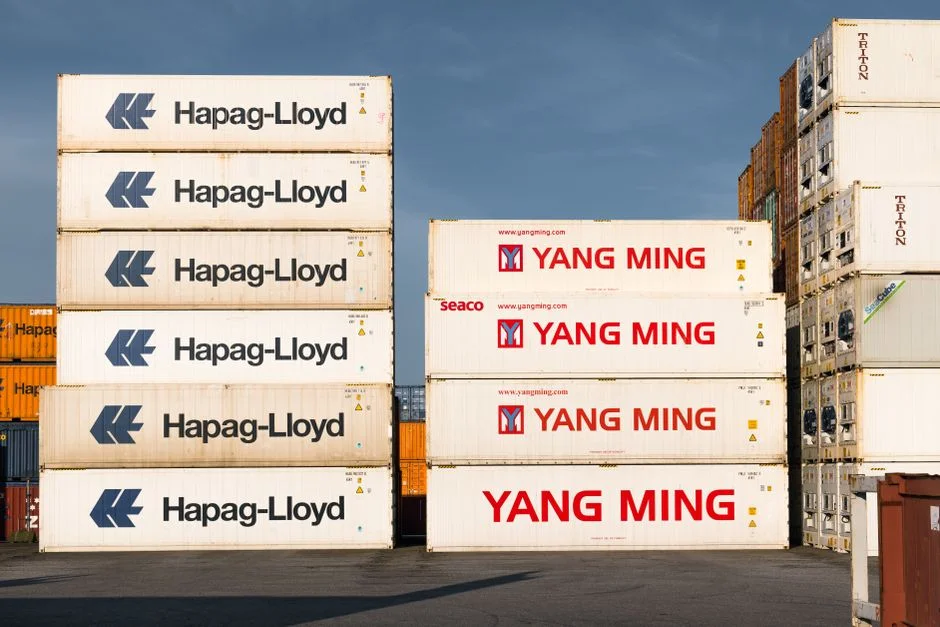
Container count must follow the selected process duty and redundancy, not a guessed multiplier per container. Common package sizes include 20-foot and 40-foot ISO containers, with smaller 10-foot units also available. Ask the supplier to show which balance-of-plant functions occupy each module and how flow is distributed during normal operation and peak periods.
Package ranges are market evidence, not a design value. One supplier reports sewage treatment for 50 to 20,000 people and industrial wastewater from 1m3/hr to 250m3/hr across its product range. These figures describe a product portfolio; they do not identify the capacity of any proposed module. Require each bid to identify its own design flow, average flow, peak factor, process train, container count and duty split.
Turn the process selection into an installation brief. A packaged system requires a solid base and connection of the inlet, outlet and power supply. Add the practical interfaces that determine maintainability: level-ground requirements, drainage, service routes, safe chemical delivery, maintenance clearance, local controls, sludge-removal access and the route for container placement.
- Issue the design-basis sheet with the permit-dependent effluent targets left marked “to be confirmed” until the authority provides them.
- Request a process proposal stating each module’s function, rated flow basis, peak-load response and redundancy arrangement.
- Require a site layout showing container dimensions, base preparation, drainage, power, access, lifting assumptions, process connections and residual-handling route.
- Obtain an installed-cost breakdown that separates equipment, civil works, transport, crane placement, commissioning, site utilities and operator training.
Request quotations for any upstream [filter-press equipment](/product/9-plate-frame-filter-press.html) separately from the main container package unless the supplier expressly confirms its inclusion. The same applies to equalization tanks, sludge storage, chemical systems and standby generation. Those exclusions change both footprint and price.
Compare quotations on engineering scope rather than headline capacity
Compare bids only after converting them to the same influent, flow and effluent basis. A quoted capacity without its rating basis is not comparable. Put the agreed design flow, average flow, population-equivalent basis, peak factor, process train, container count and duty split in the purchase specification.
| Quote line item | Technical scope to specify | Red flags to check before signing |
|---|---|---|
| Design capacity | Average and peak flow, selected peak period, peak factor, design influent characteristics and whether each figure is nominal or peak. | A single daily average, unexplained population equivalent, or capacity stated without peak-load conditions. |
| Process train and pretreatment | Screening, equalization, biological treatment, separation, disinfection, nutrient removal, sludge handling and required supporting equipment. | Essential stages listed only as “optional,” with no responsibility matrix or performance boundary. |
| Container count and redundancy | Module function, duty split, standby arrangement, peak-flow routing and treatment consequences of a train outage. | Several containers shown without a flow diagram, or redundancy assumed without an allocated duty. |
| Controls and instrumentation | Local control, alarms, flow and level instruments, data logging, remote-monitoring boundaries and operator interface. | Remote monitoring listed without communications requirements, cybersecurity responsibility or price. |
| Factory and site acceptance | Factory testing, shipping checks, installation, commissioning, training, performance demonstration and correction of defects. | “Ready for operation” without a test method, acceptance threshold, protocol or remedy for failure. |
| Delivery and installation | Packaging, transport route, customs and import responsibilities, crane placement, lifting plan, offloading, alignment and connection scope. | Delivered price excludes site access, craneage, civil base, utilities or commissioning without a named allowance. |
| Operating and lifecycle costs | Energy per unit treated at stated load, cleaning chemicals, membrane replacement assumptions, sludge disposal, spares and maintenance support. | Energy quoted without load, membrane life presented as unconditional, or disposal and consumables excluded. |
Request membrane life, cleaning-in-place frequency and chemical-cleaning intervals for the stated influent and flux; they are not transferable from another project. For the process, clarify whether the RO and UF membrane elements are installed, supplied as spares, or merely proposed for future expansion.
Price redundancy, standby capacity, spares, remote monitoring and the consequence of stopped treatment as site-specific commercial items. Compare operating cost using energy per unit treated under a stated load rather than a headline consumption figure.
Use acceptance criteria to control factory and site performance
Write the guaranteed duty, influent basis, effluent targets, test methods and remedies for non-acceptance into the purchase specification. A general statement that the package will comply is not an acceptance criterion. The target must come from the permit or confirmed reuse requirement, with sampling points and test methods defined.
Where pathogen removal is required, require membrane-integrity testing and validated performance data, plus any disinfection required by the permit. Nominal pore size alone is insufficient evidence. For factory acceptance, define hydraulic or functional checks, controls response, alarm tests and document reviews. For site acceptance, define how influent and effluent sampling will demonstrate the guaranteed duty under the stated conditions.
Also define overload behaviour. The contract should state how incoming flow or load above the design basis is detected, how equalization will operate, which alarms will be raised, what treatment acceptance criteria remain in force and who authorizes temporary bypass or load shedding.
Before signature, record utility requirements, chemical deliveries, sludge-disposal route, spare-parts strategy, operator competency and remote support. The containerized sewage plant sizing worksheet for MBBR and MBR provides a useful structure for separating process choice from container duty; the Chad design basis and permit must remain the controlling documents.
A complete RFQ package should contain: the site flow and load dataset; the permit enquiry and confirmed discharge route; the process-selection matrix; the proposed container layout and duty split; a priced scope matrix; the factory and site acceptance protocol; and a register of exclusions and responsibilities.
Further Reading
Frequently Asked Questions
What flow data should a Chad site provide before asking for a containerized sewage plant size?
Provide average flow, peak flow, the selected peak-flow period and flow variability. Include a defensible influent profile with BOD, COD, TSS, fats, metals and pH, plus upstream discharge information. Ask suppliers to state population equivalent, cubic metres per day and cubic metres per hour separately and confirm whether each rating is nominal or peak. This creates a common basis for comparison.
How should peak flow, peak load and container redundancy affect the quotation?
Require the quotation to state the design flow, peak factor, process train, container count and duty split, including how each module handles peak conditions and what remains available during a train outage. Ask separately for redundant equipment, standby capacity and the commercial consequence of stopped treatment. Do not accept container count as proof of redundancy without a flow and duty diagram.
What factory and site acceptance tests should be included in the supply contract?
Define factory tests, controls and alarm checks, documented inspection results, shipment checks and site commissioning procedures. State the guaranteed influent basis, effluent targets, sampling points and test methods before signature. Where pathogen removal applies, require membrane-integrity testing and validated performance evidence rather than relying on nominal membrane pore size. Include remedies for failed acceptance.
What must a supplier include in delivered, installed and lifecycle pricing for a Chad project?
Require separate prices for equipment, factory testing, transport, import arrangements, crane placement, base preparation, inlet and outlet connections, utilities, commissioning, training, spares, energy, cleaning chemicals, membrane replacement assumptions and sludge disposal. No site-specific quotation can be defended without the design basis and scope inputs. A