Choose the treatment route from the site constraints
An SBR plant is suitable for a mountain city when wastewater flow is low or intermittent, land is constrained, and the operator can manage automated valves, blowers and cycle controls. The EPA describes SBR as a fill-and-draw activated-sludge system where equalization, biological treatment and clarification occur in one tank, but notes it requires greater control and maintenance. For comparison, an underground A/O package plant may suit a site needing a buried, largely automated installation, while MBR is a candidate where stringent solids separation or reuse justifies membrane complexity. The final choice should follow verified permit limits, design and peak flows, wastewater temperature, land, access and treatment objectives—not case-study performance alone.
Start with the site conditions that can eliminate an unsuitable route:
- If seasonal flow is highly variable and the available footprint is small, assess SBR first. The EPA identifies SBR systems as uniquely suited to low or intermittent flow and notes their relatively small footprint.
- If visual impact and surface development matter, request an underground A/O package sewage treatment plant concept. This option can place the treatment unit below grade with landscaping above or mount it on a trailer, subject to site-specific excavation, access and groundwater constraints.
- If the receiving water is sensitive or the effluent has a defined reuse purpose, assess whether the required solids separation justifies an MBR membrane bioreactor system. The decision must be tied to the applicable discharge or reuse criteria rather than to the generic claim that membrane treatment is “better.”
Do not infer that one route is universally superior. A March–April 2024 Mansar Lake comparison found that SBR had a slight edge in pollutant-removal efficiency, while fixed activated beds were more cost-effective and energy-efficient. That was a site-specific comparison, not a performance guarantee for a mountain-city installation. For a broader view of technology trade-offs, see this domestic sewage treatment route comparison.
Verify the discharge route before sizing the plant
The receiving-water and reuse requirements must be verified before accepting any equipment size. The EPA states that the state regulatory agency should determine the effluent requirements of the proposed plant and that discharge parameters are dictated by the state in the applicable National Pollutant Discharge Elimination System permit. The EPA fact sheet lists flowrate, BOD5, TSS and Fecal Coliform as parameters typically permitted for municipal systems, but the project must use the limits written into its own permit.
For a mountain lake, stream or tourism water, obtain written confirmation from the authority and receiving-water stakeholder about whether monitoring or treatment objectives extend beyond the basic permit. If the treated water will be reused, identify the reuse standard and intended use from the responsible authority. The packaged sewage treatment route comparison is useful for seeing how a project-specific discharge basis should be carried into procurement.
| Discharge route or influent problem | Governing rule or process option | What data settles it |
|---|---|---|
| Municipal discharge to surface water or sewer | Use the limits and discharge route stated in the applicable permit; do not infer a direct-discharge limit from a sewer-connection requirement. | City, receiving water, point of discharge, permit copy and written confirmation from the state regulatory agency. |
| Effluent for non-potable reuse | Define the reuse pathway and required effluent quality before selecting clarification, filtration or disinfection. | Reuse application, authority-approved reuse criteria, intended demand and any separate monitoring conditions. |
| Sensitive lake, stream or tourism water | Permit compliance is the baseline; request whether additional receiving-water objectives apply. | Written requirements from the authority and receiving-water stakeholder, supported by site-specific monitoring. |
| Variable municipal sewage quality | Use design flow, maximum daily flow and wastewater characterization to determine biological capacity and equalization. | Design, average and peak flows; BOD5, COD, TSS, pH, alkalinity, temperature, TKN, ammonia-nitrogen and total phosphorus data. |
Compare SBR, A/O package and MBR operating requirements

Routes are differentiated by their process configuration and the operating burden they create. An SBR performs Idle, Fill, React, Settle and Draw steps; two or more reactors can be sequenced to optimize performance. It combines equalization, biological treatment and secondary clarification in a single tank.
The EPA’s example municipal SBR parameters include a treatment cycle duration of 4.0 hours and hydraulic retention time of 6–14 hours. These are example design parameters, not specifications for the mountain-city plant. The responsible engineer must calculate cycles, basins, decant volume, reactor size and detention times from verified site inputs.
SBR disadvantages matter at altitude and on inaccessible sites. Controls, automated switches and automated valves require greater maintenance sophistication than conventional activated sludge. Some configurations can discharge floating or settled sludge during Draw, selected aeration devices can plug, and downstream filtration may require additional equalization. Site elevation above mean sea level and wastewater temperature are also inputs used when sizing aeration equipment.
A buried A/O package unit consolidates anoxic and aerobic biological contact oxidation, sedimentation and disinfection in one unit. Its attraction is installation compactness and automation, but soil, groundwater, excavation, access and above-ground utilities still determine feasibility. MBR separates solids through submerged membranes, adding a membrane-fouling, cleaning and integrity-control requirement. Select it when the required effluent quality or reuse objective justifies that burden and when operator capability and monitoring arrangements are adequate.
Test performance against mountain operating conditions
The selected route must be tested under the site’s seasonal flow and temperature profile rather than accepting laboratory or case-study percentages as guarantees. EPA design inputs include design flow, maximum daily flow, BOD5, TSS, pH, alkalinity, wastewater temperature, TKN, ammonia-nitrogen and total phosphorus. Because numeric temperature corrections for mountain sites vary, require the supplier and responsible engineer to address low-temperature performance from the project data.
The Brari Numbal study sampled inlet, outlet, upstream, confluence and downstream sites from November 2019 to March 2020. That sampling pattern provides a useful model for monitoring the treatment plant and receiving water across a defined seasonal period. It does not establish performance for another location or route.
The pilot or acceptance program should demonstrate biological treatment, solids separation, disinfection where required, control interlocks, equalization response and noncompliance response under actual seasonal flow and temperature conditions. For monitoring strategy, use the online BOD analyzer selection guide to identify what continuous or laboratory measurements are relevant to the permit and operating plan.
At Brari Numbal, the reported maximum BOD removal efficiency was 79.85%, although effluent BOD remained above the applicable standard limit. The study also reported minimum pH removal efficiency of 3.46% and a DO gain of +851.55%. These values describe that installation and monitoring context only; they are not acceptance criteria for a new plant.
Turn the selected route into a quotation-ready scope
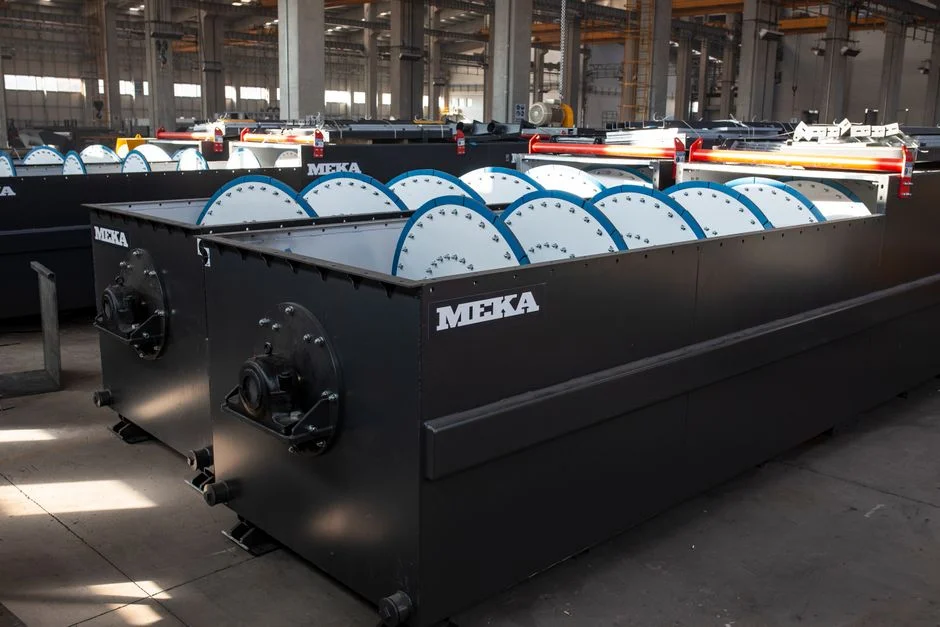
Missing site inputs should be requested before comparing bids, with each deliverable assigned to the responsible party. The owner should obtain permit and receiving-water requirements; the responsible engineer should confirm the design basis and stamped design; the supplier should define process equipment, performance guarantees and commissioning tests. Where information remains unavailable, identify it explicitly rather than allowing it to disappear into a general design allowance.
| Quote line item | Technical scope to specify | Red flags to check before signing |
|---|---|---|
| Design basis and site data | Design, average and peak flows; wastewater characterization; seasonal temperature data; available footprint; soil, groundwater and elevation data; electrical supply and blower capacity. | Bid states only average flow, omits wastewater characterization or leaves peak-flow and seasonal conditions undefined. |
| Process and equipment | Pretreatment, biological process, clarification, filtration, disinfection, sludge handling, controls, alarm response, utilities and required access arrangements. | Equipment list omits equalization, solids removal, disinfection or sludge disposal, or leaves these as undefined exclusions. |
| Permit, reuse and receiving water | Written permit basis, discharge route, reuse criteria, monitoring requirements and responsibility for regulatory interfaces. | Supplier promises generic limits or case-study removal percentages without accepting the project’s applicable requirements. |
| Civil works and installation | Excavation, foundations, burial depth, landscaping, roads, drainage, power supply, blower capacity, commissioning access and excluded civil works. | Package price conceals site-specific excavation, groundwater control, electrical upgrades or access works. |
| Testing and handover | Performance tests, sampling points, seasonal operating demonstration, controls verification, training, O&M documents, commissioning, warranty and noncompliance response. | No acceptance protocol, no defined sampling period, or no responsibility for training, documentation and corrective action. |
Flag bids that rely on case-study removal percentages without guarantees, use average flow as the only sizing basis, or leave permit and receiving-water requirements undefined. The quotation should state the design basis and all included process, civil, testing, commissioning, training and warranty items. Final process selection and stamped design must be confirmed by the responsible engineer against verified site data and applicable requirements.
Frequently Asked Questions
How should an SBR be sized for a mountain city with seasonal flow?
Size the SBR from design flow, maximum daily flow, wastewater characteristics and seasonal temperature—not from average flow alone. The EPA notes that SBRs are typically used at flowrates of 5 MGD or less and can equalize peak flow or load during filling. The responsible engineer should verify basin count, cycle sequence, equalization, aeration, decant capacity and downstream filtration using the site’s actual seasonal data. If a supplier cannot identify those calculations in its proposal, request a stamped design basis before comparing the bid with an A/O or MBR route.
When is an underground A/O package plant preferable to SBR or MBR?
An underground A/O package plant is preferable when the site needs a compact, largely automated installation, minimal surface structures and an integrated anoxic-aerobic, sedimentation and disinfection arrangement. It is a candidate where below-grade installation or trailer mounting suits the site and soil, groundwater, excavation and maintenance access are compatible. Choose MBR instead when the specified solids separation or reuse objective justifies membrane operation, and retain SBR when low or intermittent flow, equalization and a small footprint are the dominant criteria.
Which performance and acceptance tests should be included in the quotation?
Require project-specific tests for effluent parameters written into the permit, treatment continuity under seasonal flow and temperature conditions, solids separation, disinfection where applicable, controls, alarms and noncompliance response. Define sampling points, test methods, operating conditions, acceptance values, correction periods and responsibility for retesting. Do not transfer removal percentages from Brari Numbal, Mansar Lake or a laboratory study into the guarantee without demonstrating applicability to the selected route and site data.
What should a supplier’s scope and delivery schedule include for a mountain site?
Require the supplier to state the design basis, process equipment, pretreatment, equalization, clarification, filtration, disinfection, sludge handling, controls, utilities, testing, commissioning, training, warranty and excluded civil works. Delivery and installation dates should be tied to site readiness, permits, excavation approval, electrical supply and confirmed shipment or manufacturing milestones. Ask each bidder to identify how winter access, equipment elevation, transport constraints, seasonal commissioning and remote-site O&M support will be handled.