Define the Treatment Duty Before Choosing Equipment
Select an industrial effluent treatment plant and DAF system in Burundi from the actual wastewater duty, not a generic catalogue model. Dissolved air flotation clarifies wastewater by removing suspended matter, including oil and solids, while coagulant or flocculant may be needed for colloidal particles. The required treatment train should first establish whether the objective is industrial pretreatment, final discharge or water reuse, then match each stage to the pollutants that must be removed. Burundi-specific discharge limits and reuse targets were not established here and must be verified locally.
DAF is therefore a clarification and solids-separation step, not proof that the entire effluent complies with a discharge or reuse requirement. A FOG interceptor, equalization tank and coagulant and flocculant dosing may form part of the pretreatment train. The DAF system engineering specifications explain how pressurization, bubble release and froth removal are arranged, while the best DAF unit selection framework provides a useful basis for comparing equipment proposals.
| Discharge route or influent problem | Governing rule or process option | What data settles it |
|---|---|---|
| Suspended solids, oil and grease, or colloidal material before discharge | Use industrial wastewater pretreatment with equalization, a FOG interceptor where relevant, and DAF; add coagulation and flocculation if the wastewater characteristics require it. | Measured flow, oil and grease, suspended solids, turbidity, pH and representative particle or colloid characterization. |
| Dissolved biodegradable organic load | Add biological treatment after solids and FOG separation where the discharge or reuse duty requires dissolved-organic control. | COD, BOD5, pH, nutrient data if relevant, and the applicable treated-water target. |
| Reuse requiring solids separation beyond DAF | Consider a downstream water reuse treatment train using MBR, UF or RO only after its required water-quality duty is defined. | End-use quality requirements, remaining dissolved contaminants, recovery expectation and site utility constraints. |
| Burundi final discharge | Design against discharge authorization conditions obtained from the responsible authority; do not substitute another jurisdiction’s limits. | Receiving point, authorization, applicable limits, monitoring requirements and any sewer-connection conditions. |
Collect the Site Data That Determines DAF Sizing
Request measured site data before asking suppliers to size a DAF unit. At minimum, the data package should identify average flow, peak flow and emergency or bypass flow; characterize the wastewater with pH, COD, BOD5, suspended solids, oil and grease, turbidity and TDS; and state the required treated-water quality and discharge destination. Also provide available footprint, electrical supply, available water quality and the intended sludge-disposal route.
State whether every flow and pollutant value is an average, peak, batch discharge or worst-case shock load. This distinction controls the treatment capacity, equalization duty and chemical inventory shown in the proposal. A supplier should not interpret one laboratory result as the permanent influent design condition.
Include production schedules, clean-in-place discharges, tank-cleaning discharges and documented shock loads. A Research Square preprint on an industrial DAF plant found that static and dynamic models behaved differently under shock loads and that past data affected predictions. The study used COD, pH, turbidity and TDS from equalization-tank effluent as model inputs and monitored them at 8-hour intervals over a year. Although the preprint was not peer reviewed, it supports the need to characterize operating history rather than size from a single sample.
- Collect flow records by operating shift and identify batch or emergency contributions.
- Obtain representative wastewater analysis, including repeat sampling where variability is material.
- Document production changes, cleaning cycles and shock-load events.
- Issue the data with the required treated-water quality, footprint, utilities and sludge route.
Compare DAF, Biological and Membrane Treatment Routes
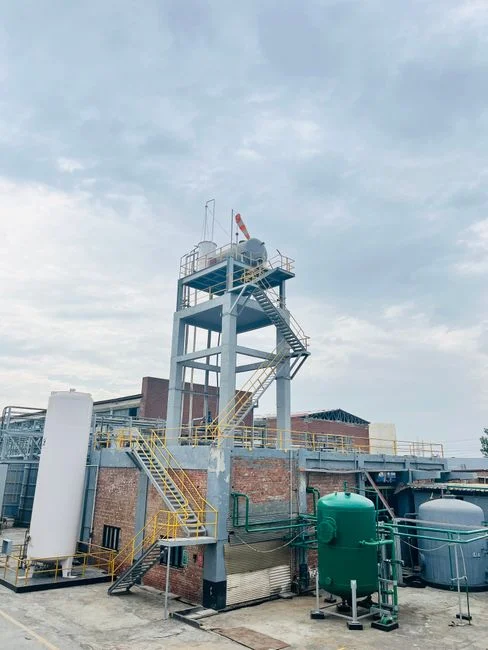
Choose the least complex train that can meet the stated duty. DAF addresses suspended solids, FOG and colloidal material, with chemical dosing where needed. Biological treatment addresses dissolved organic load; dairy-sector guidance describes biological treatment following separation of suspended solids and fats and oils. MBR, UF and RO serve downstream polishing or reuse functions where their added treatment value is required, rather than as automatic additions to every DAF proposal.
For an oil-bearing wastewater, the practical sequence is often equalization, FOG interception, DAF and downstream biological treatment. Fats can interfere with biological treatment, while solids entering a DAF pressure system can contribute to fouling, clogging and decomposition of COD. Coagulant and flocculant addition and pH control may therefore be necessary. The automatic chemical dosing system should be specified around the confirmed wastewater chemistry, control duty and reagent inventory rather than selected by nominal pump size alone.
| Discharge route or influent problem | Governing rule or process option | What data settles it |
|---|---|---|
| High suspended-solids or FOG load | Pre-treatment with equalization, screening, FOG interception and DAF is the baseline route before biological treatment. | Peak flow, solids, oil and grease, settleable-solids behavior and production discharge pattern. |
| Residual dissolved organic load | Add biological treatment; consider anaerobic treatment only when the wastewater characteristics support it and the required treatment outcome is defined. | COD, BOD5, pH, biodegradability evidence, nutrient profile and required COD removal. |
| Reuse requiring higher-quality water | Compare MBR, UF or RO against the specific reuse end use. MBR may replace secondary clarification in an appropriate biological train; UF and RO add separate treatment duties. | Reuse application, required quality, dissolved salts, anticipated recovery and utility requirements. |
| Dairy-sector flow and load assessment | Use sector evidence only to frame water balance and pretreatment needs. Dairy guidance states that 80–95% of consumed water generally becomes final effluent, except in specific cases such as powdered-milk production. | Burundi site water balance, product mix, water-reuse targets and measured effluent flows; these figures are not Burundi defaults. |
Use the industrial effluent DAF plant RFQ guide to structure route comparisons. Require each proposed stage to identify the problem it solves and the measurable result expected from it.
Verify the Burundi Discharge Route and Supplier Scope
Confirm the receiving environment, sewer connection or reuse point before approving the process guarantee. Obtain the applicable Burundi discharge authorization from the responsible authority. No responsible authority or numerical discharge limit was established here, so neither the supplier nor the buyer should infer one from generic wastewater guidance. The permit conditions should become part of the design basis and acceptance criteria.
Ask each supplier to state the design flow, treated-water target, test method, test duration, acceptance threshold and consequences of failure. The supplier should also provide a site-specific process narrative covering equalization, screening, DAF, chemical dosing, sludge removal and any downstream treatment. The operating-cost considerations in DAF operating-cost breakdowns for 2026 can support discussion of electricity, chemicals, sludge handling and maintenance, but operating costs cannot be quoted credibly until the site data and utility costs are known.
| Quote line item | Technical scope to specify | Red flags to check before signing |
|---|---|---|
| Design basis and process guarantee | Design flow basis, influent limits, treated-water targets, applicable authorization conditions, test method, duration, threshold and remedy for non-compliance. | A guarantee without stated influent conditions, an undefined test duration or no consequence for failure. |
| Equipment and process scope | Schedule and duty for equalization, screening, FOG interception, DAF, pumping, chemical dosing, sludge withdrawal and downstream treatment where applicable. | “Complete plant” wording that omits tanks, pumps, instruments, valves, access platforms or sludge handling. |
| Installation and commissioning | Civil interfaces, installation, utilities, controls, testing, commissioning, operator training and performance demonstration. | Price exclusions for erection, wiring, water, power, permits, travel, training or site acceptance testing. |
| Warranty and support | Equipment warranty, critical spares, recommended consumables, remote-control scope and ongoing O&M support. | Unclear start-up responsibility, excluded wear parts or no support commitment after commissioning. |
Build a Quotation and Pre-Order Acceptance Checklist
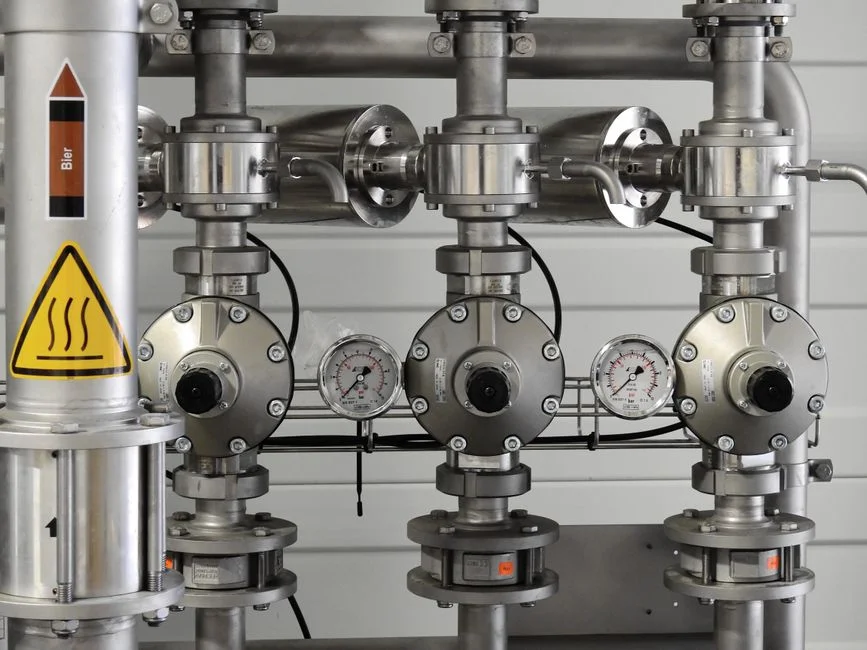
Issue one common RFQ package so that quotations are comparable. Require separate line items for the design basis, process guarantee, equipment schedule, materials, drawings, electrical scope, controls, utilities, testing, installation, commissioning, training, spares, warranty and O&M support. Attach the site-data request, discharge authorization and required effluent-quality schedule; otherwise, quotations will be based on different assumptions.
Treat an omission as an unresolved commercial item, not automatic evidence of non-compliance. A proposal missing flow basis, influent limits, effluent targets, test methods, test duration, sludge handling, utilities or warranty exclusions cannot support a fair technical or commercial comparison. Every promised removal rate or effluent value must be linked to a defined influent condition and acceptance method.
| Quote line item | Technical scope to specify | Red flags to check before signing |
|---|---|---|
| Design basis | Average, peak and emergency flow; wastewater analysis; production schedule; shock loads; equalization and reuse requirements. | Supplier selects capacity without identifying the flow condition or wastewater variation used. |
| DAF equipment | Tank arrangement, stated hydraulic duty, saturation system, recycling arrangement, surface skimming, sludge withdrawal and specified materials. | No component list, no identified sludge-removal method or performance claim unsupported by process calculations. |
| Chemical dosing | Reagents, dosage-control strategy, mixers or chambers, pH control, storage, containment, alarms and reagent-consumption basis. | Reagent type or dosage fixed before wastewater characterization, or no provision for operational adjustment. |
| Electrical and controls | Power supply, motors, instruments, control philosophy, alarms, interlocks, local controls and remote-control exclusions. | Control scope left vague or site power availability not confirmed. |
| Performance testing | Test samples, sampling points, methods, duration, witnesses, acceptance threshold, retesting and remedies. | Performance demonstrated only with supplier-selected wastewater or on an average basis that excludes peak conditions. |
| Commercial close-out | Delivery scope, installation, commissioning, training, exclusions, warranty, spares, O&M support, schedule and unresolved-document list. | Fixed price presented before site conditions, permit requirements and exclusions are resolved. |
Related Equipment
- industrial dissolved air flotation system — specifications, capacity range, and technical data
Frequently Asked Questions
Is a DAF unit alone sufficient for industrial wastewater treatment in Burundi?
DAF alone is sufficient only if the verified duty is limited to the material it will remove and the treated water can meet the applicable discharge or reuse requirement. Request measured oil and grease, suspended solids, turbidity, COD and BOD5, then obtain the Burundi authorization conditions. If dissolved organic load or reuse quality remains outside the DAF objective, specify biological treatment, MBR, UF or RO as appropriate.
How should a supplier size the DAF system?
Require the supplier to size against documented average, peak and emergency flows, the selected wastewater analysis and the treatment objectives, with equalization included in the operating envelope. Ask for the calculation basis, hydraulic duty, solids-loading check and chemical-dose basis. A performance promise should identify the influent condition and testing method; the buyer should not approve a unit selected only from a generic residence-time statement.
What should I check before accepting a supplier quotation?
Check that the quotation separates the design basis, process guarantee, equipment, civil interfaces, electrical work, controls, utilities, installation, commissioning, testing, training, warranty and exclusions. Match every promised removal value to an influent condition, test method, duration and acceptance threshold. Obtain the applicable discharge authorization before signature and list every unresolved permit, site or performance item as a condition requiring written closure.
How can I compare supplier cost and select the most suitable proposal?
Ask each supplier for a quotation under the same design basis, with capital scope, installation, utilities, reagents, sludge handling, commissioning, training, spares, warranty and O&M support shown separately. Then request a supplier-qualified schedule and clarify whether the price depends on site conditions, power availability, civil works or permit compliance. Select on total delivered scope and verifiable performance, not equipment price alone; no defensible price can be stated without the site data and supplier’s scope definition.