Match the treatment route to the hotel's wastewater objective
A Benin hotel should choose a packaged sewage treatment plant by matching the technology to measured flow, seasonal occupancy, effluent use, site space and local implementation conditions. An underground A/O package plant is a strong candidate where a compact footprint and automated biological treatment are priorities; extended aeration suits remote or smaller deployments; MBR becomes more relevant when high-quality reuse or tighter effluent control is required. No supplied source establishes a Benin-specific hotel discharge limit, so the buyer must confirm the applicable rules and receiving route before selecting and pricing equipment.
Start by defining the intended outlet. A discharge to a permitted receiving route, land application, toilet-flushing reuse, irrigation reuse or another project-specific use creates different treatment and documentation requirements. Confirm whether kitchen wastewater, laundry effluent, swimming-pool water or other non-sewage streams will enter the same treatment train; each stream can change the hydraulic load, pretreatment needs and effluent specification.
For a compact-package reference point, BioKube describes its packaged sewage treatment plants for settings ranging from small households to smaller villages and hotels, with stated capacities of 1 m³ to 18 m³ per day (BioKube). That is a supplier specification, not a Benin sizing rule. For a physical package alternative, review an underground A/O package sewage treatment plant and an MBR wastewater treatment system against the confirmed project duty.
Do not treat reuse as achievable until the receiving route and applicable Benin requirements are identified. Ask the project designer or authority for the applicable discharge, construction and environmental requirements, and document whether the proposal is for sewer discharge, permitted land application or a defined reuse application.
Compare A/O, extended aeration and MBR package plants
Selecting the correct treatment route requires evaluating the required outlet and site constraints rather than relying on generic equipment preferences. Fluence describes its Tipton containerized extended-aeration plants as compact, portable, self-contained and commonly used at hotels, resorts and parks (Fluence). Its 300,000 GPD advanced extended-aeration installation at the U.S. Air Station at Guantanamo Bay, Cuba, is one supplied installation example; it is not a design rule or a Benin benchmark (Fluence).
| Discharge route or influent problem | Governing rule or process option | What data settles it |
|---|---|---|
| Sanitary sewage with a permitted discharge route and limited surface space | Underground A/O package plant: biological treatment in a compact buried installation | Peak and average flow, available footprint, soil and groundwater conditions, access and required effluent criteria |
| Remote hotel, resort or park deployment where containerized installation is preferred | Containerized extended aeration: compact, portable, self-contained package | Delivery route, crane or lifting access, installation boundary, operator skill and seasonal loading |
| Toilet-flushing reuse, irrigation reuse or a filtration-dependent application | MBR wastewater treatment system with membrane and tertiary-treatment scope | Reuse endpoint, actual effluent specification, membrane maintenance, power availability and sludge handling |
| Kitchen, laundry or other high-strength or episodic streams connected to the hotel | Confirm whether pretreatment, segregation or equalization is required before selecting the package | Stream-by-stream flow and pollutant data, discharge times, receiving treatment route and project-specific design criteria |
MBR becomes the stronger candidate when the required reuse quality or filtration needs justify the additional membrane-related scope. Confirm the actual effluent specification before final selection, because a general reference to “high-quality effluent” does not establish suitability for a particular reuse route. The hotel package-plant technology comparison provides a useful decision structure, but the project-specific outlet remains the controlling requirement.
Collect the site data that makes the plant size credible
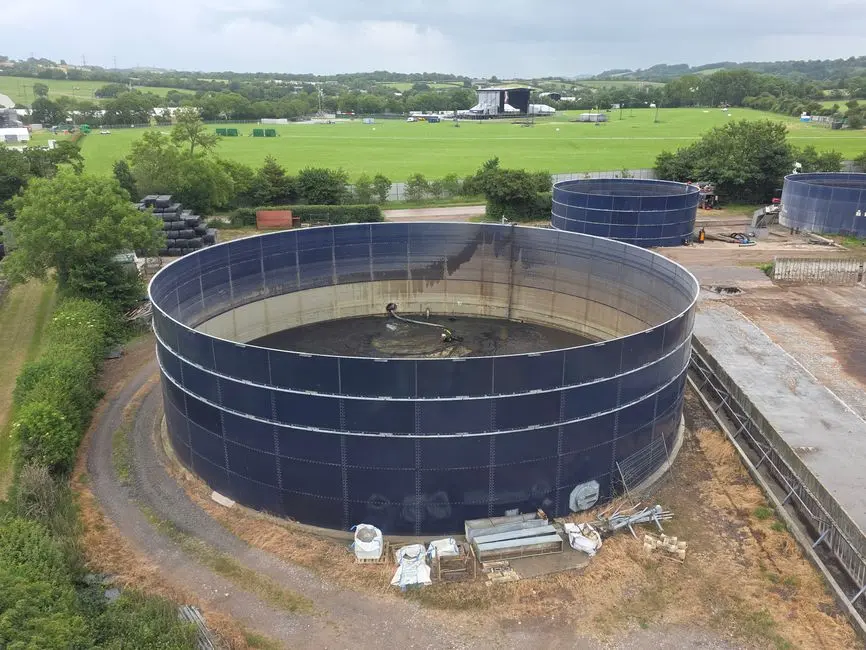
A credible plant size starts with measured wastewater duty, not room count alone. Obtain peak flow and average daily flow in m³/day, the guest-room occupancy pattern, seasonal flow factors and the contribution of kitchens, laundry, swimming-pool systems and other connected streams. Record the available footprint, soil and groundwater conditions, delivery and installation access, power supply, operator availability and maintenance access.
Give each bidder the same design-input worksheet and require a written response. The bidder should state the design-flow basis, treatment train, hydraulic-loading assumptions, effluent target, whether additional flow equalization is required, and the assumed operating scenario. A bidder that cannot explain those assumptions has not demonstrated that its quoted packaged STP sizing is project-specific.
For context on modular scaling, BIOROCK says its MULTIROCK system is designed for 60–300 people, links and scales multiple units, and can install up to nine BIOROCK units in parallel with flow distribution (BIOROCK). These are vendor-specific claims. They illustrate a design principle—modular expansion can address changing capacity—but they do not establish the loading, footprint or suitability of any route for the Benin hotel.
Use the Benin containerized sewage treatment plant sizing guide as a prompt to request local site information, not as a substitute for a site survey or an approved discharge basis. Confirm whether fixtures, occupancy, seasonal events, kitchen discharges and any future expansion can alter the selected hydraulic capacity.
Turn the preferred route into an RFQ and acceptance plan
Require the quotation to identify design flow, treatment stages, tank or container materials, dimensions, equipment schedule, controls, power demand, installation method, commissioning tasks and exclusions. The RFQ should also state whether the quoted unit is factory assembled, containerized or an underground package, and exactly which site works are excluded.
| Quote line item | Technical scope to specify | Red flags to check before signing |
|---|---|---|
| Design basis and treatment train | Peak and average flow, influent streams, stages, hydraulic assumptions, effluent target and equalization proposal | Design flow is omitted, based only on room count, or leaves the effluent target undefined |
| Equipment and controls | Tank or container material, dimensions, equipment schedule, controls, alarms, power demand and operating strategy | Equipment list is incomplete; battery limits, power supply or backup arrangements are unstated |
| Installation and site works | Excavation, foundations, lifting, access, electrical connection, drainage, commissioning and handover | Supplier includes only equipment while site works, connections or specialist commissioning remain unpriced |
| Operation and maintenance | Operator training, routine service, consumables, spare parts, sludge removal, alarm response and maintenance access | Training, sludge handling, consumables and long-term maintenance are excluded or unnamed |
| Acceptance documents and tests | FAT, installation checks, startup, training records, site-performance documentation and measurable acceptance conditions | Acceptance is stated as “installation complete” without measurable conditions or separate deliverables |
Assign responsibility for site surveys, foundations, excavation, electrical connection, operator training, consumables, spare parts, sludge handling and long-term maintenance. Request FAT, installation checks, startup, training and site-performance documentation as separate deliverables. Flag proposals that omit the design flow, influent basis, effluent criteria, battery limits, installation boundary, utility requirements or measurable acceptance conditions.
Verify delivery, installation and operating conditions
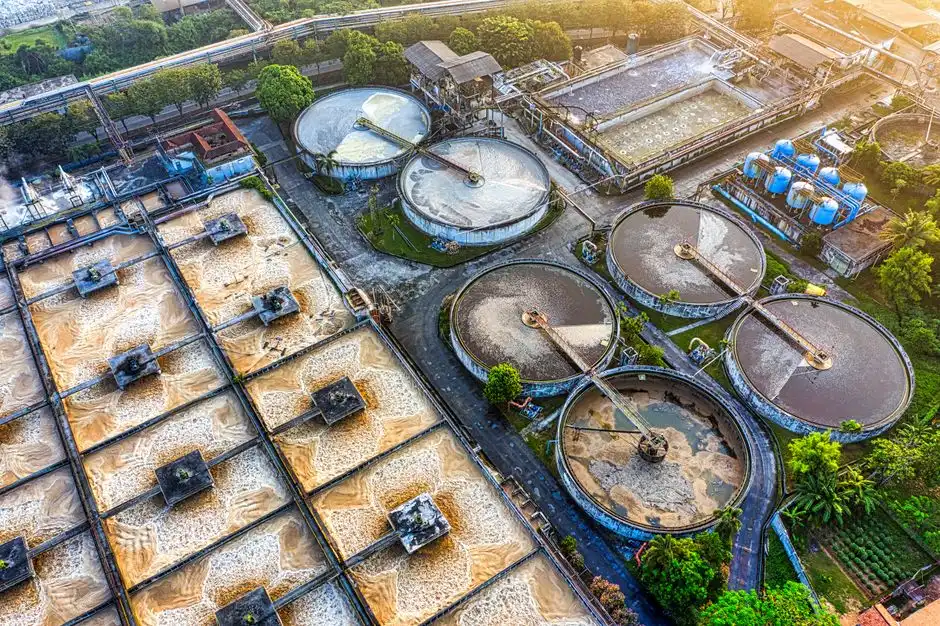
Compare delivery and installation schedules on the same site assumptions. BioKube states that its small systems are delivered from stock and that typical installation time is usually 1–2 days (BioKube); use that only as that supplier’s stated installation claim, not a guaranteed programme for a Benin hotel. Confirm whether the proposed package is ready for immediate installation and whether the quotation includes transport, lifting, foundations, commissioning and training.
Road access, vehicle and crane constraints, lifting requirements, delivery exclusions and local installation labour are critical factors in project success. Compare BioKube’s stated modular, plug-and-play approach with bids requiring significant site assembly, foundation work or specialist commissioning. A lower equipment price does not establish a lower installed cost if site preparation and specialist services are excluded.
For remote-site operating requirements, request the proposed sludge-removal frequency, routine service tasks, alarm response, spare-parts strategy, operator skill requirement and local or remote control arrangements. Confirm that suitable electrical power is available at the point of installation. Also obtain the A/O versus MBR hotel treatment guide and compare its decision questions against the hotel’s verified outlet and site constraints.
Related Equipment
- underground A/O package sewage treatment plant — specifications, capacity range, and technical data
Further Reading
Frequently Asked Questions
Can a hotel use a packaged sewage treatment plant instead of connecting to a public sewer?
Yes, a packaged sewage treatment plant can provide onsite sewage treatment where the site, receiving route and project requirements support that decision. BioKube identifies hotels among the applications for its self-contained packaged plants, while Fluence identifies hotels and resorts among typical applications for its Tipton containerized plants. The buyer must still confirm the permitted receiving route, applicable Benin requirements, land availability, installation conditions and long-term operating responsibility. A packaged plant does not replace the need for a project-specific compliance review.
What information does a supplier need to provide a credible quotation for a hotel wastewater treatment plant?
Request peak flow, average daily flow, occupancy and seasonal factors, connected kitchen and laundry streams, intended effluent use or discharge route, available footprint, soil and groundwater conditions, delivery access, power availability, operator skill and required effluent criteria. Require the bidder to state the design-flow basis, treatment train, hydraulic assumptions, battery limits, installation method, commissioning scope and measurable acceptance conditions. This check exposes whether the price represents a complete project or only a unit.
How should MBR be justified against an underground A/O package plant?
Justify MBR against A/O by comparing the actual reuse or filtration requirement, not by assuming MBR is automatically superior. Confirm the required effluent specification, the intended reuse endpoint, membrane-related maintenance, power demand, sludge handling and available space. An underground A/O package plant may remain the better fit where the confirmed discharge or reuse basis does not require membrane separation and where a compact buried installation is important. The comparison should follow the verified project specification.
Which acceptance tests and documents should be included before shipment, installation and final acceptance?
Before shipment, request the FAT record, approved drawings, equipment schedule, controls description, materials information, power requirements and agreed test procedures. Before installation, confirm the site survey, foundation and excavation requirements, lifting and access plan, electrical supply, and installation boundary. Before final acceptance, require installation checks, startup records, operator training records, operating and maintenance manuals, spare-parts list, sludge-management instructions and site-performance documentation tied to measurable acceptance conditions. Keep these as separate deliverables rather than accepting the plant as complete without evidence.