Make the source-separation decision first
Choose a segregated greywater train only if wastewater from toilets can be kept separate at source; otherwise, assess a combined on-site system. Greywater excludes toilet waste and comes from activities such as bathing, hand basins, laundry, cooking and dishwashing. In a typical household, it represents 50–80% of daily wastewater generation, but that figure is not a commercial sizing factor (ScienceDirect, S3). Map every inlet, establish whether retrofit separation is feasible, and identify whether toilet wastewater would enter the proposed treatment train.
For an existing commercial building with a combined drainage system, combined treatment may be easier and more cost-effective than separating the streams, according to Greywater Action (S4). A dedicated source-separated route can, however, avoid the need to treat toilet wastewater when the intended use only requires the quality available from greywater. That decision must be supported by a source-by-source flow survey and influent analysis, not by the household percentage alone.
| Discharge route or influent problem | Governing rule or process option | What data settles it |
|---|---|---|
| Toilet wastewater is already connected to the greywater collection system | Assess combined treatment rather than assuming source separation can be achieved without alteration | Marked-up drainage drawings, site inspection and confirmation from the owner or facility manager |
| Bathing, laundry and kitchen flows can be collected apart from toilet waste | Consider a dedicated greywater collection and treatment train | Inlet-by-inlet flow measurements and confirmation that each proposed inlet excludes toilet wastewater |
| One building serves several occupancies or has variable commercial activity | Keep the route provisional until flow and contaminant variation are characterized | Peak and average flow, operating hours, occupancy pattern and detergent, grease and cleaning-product information |
| Source separation would require extensive pipework or inaccessible excavation | Compare the retrofit cost and disruption with an integrated treatment route | Civil survey, available floor area, installation depth, access route and supplier quotations for each alternative |
A practical starting point is the comparison of segregated and combined greywater recycling, adapted to the Guinea-Bissau site rather than applied as a generic rule. These site-specific constraints directly inform the selection of the appropriate treatment technology.
Match treatment technology to the reuse application
Select the technology only after the reuse application, influent quality and operating constraints are defined. A commercial greywater UF system may be relevant when the selected source streams can be filtered and disinfected to the required quality without a full biological wastewater process, but the required pretreatment, membrane fouling control and operator competence still need demonstration. A commercial greywater UF system should therefore be evaluated against the actual water analysis rather than selected by product category alone.
An MBR water-reuse treatment system combines biological treatment with membrane separation and may suit a route that must handle combined wastewater or higher-organic-load source-separated flows. However, an MBR does not remove the need to define fouling control, cleaning, residual handling and qualified operation. Greywater Action describes commercial systems that collect water temporarily, filter and disinfect it, and then pump it for toilet flushing or drip irrigation; public exposure and larger flows require more complex arrangements (S4).
A package wastewater treatment plant is another route when it can be hydraulically and operationally integrated with the building. The comparison must therefore test each option against:
- the sources included and excluded from the train;
- the required quality at each non-potable reuse point;
- expected flow and contaminant variation;
- collection, filtration, disinfection, storage and reuse-distribution needs;
- available floor area, installation depth and access;
- operator availability, maintenance frequency and consumable requirements; and
- the need to avoid over-treatment where it adds unnecessary cost and complexity (Sharma et al., ScienceDirect, S2).
The academic reviews identify water quality, intended use, monitoring and legislation as material performance variables (ScienceDirect, S2 and S3). They do not supply a universal technology choice or a Guinea-Bissau reuse-quality standard. Require the local authority or another qualified local consultant to confirm the applicable approval and quality requirements before fixing the process.
Build the site data and cost basis
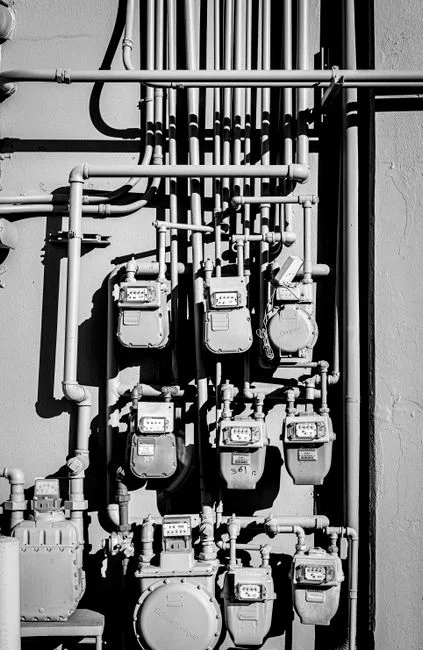
A comparable quotation starts with the same site inputs. Send each bidder the completed site-data sheet and require its price and technical proposal to use the same flow, quality, reuse and site assumptions.
| Quote line item | Technical scope to specify | Red flags to check before signing |
|---|---|---|
| Design and authorization | Site survey, process design, drawings, local authority engagement and permit assumptions | A fixed price presented before site data or local approval requirements are defined |
| Equipment purchase and installation | Collection, equalization, treatment, disinfection, storage, pumping, controls, electrical works and distribution | Exclusions hidden in “complete system” wording, especially civil works or incoming pipework |
| Commissioning | Installation verification, startup, functional tests, training and performance demonstration | Commissioning ends before automatic controls, alarms and reuse distribution are demonstrated |
| Operation and maintenance | Service response, inspections, membrane cleaning, consumables, laboratory support and operator tasks | No maintenance schedule, spare-parts list or price basis for replacement items |
| Disposal and residual handling | Method, destination, frequency and responsibility for rejected water or treatment residuals | Disposal cost omitted from the commercial comparison or assumed without local confirmation |
Complete these fields for the site-input sheet:
- Flow: peak and average flow in litres per hour or cubic metres per day, source-by-source ranges, occupancy, operating hours and the proportion currently collected for reuse.
- Quality: COD, BOD, suspended solids, turbidity, pH and microbiological indicators, together with information on detergents, cleaning products, grease and other site-specific inputs.
- Reuse: each end use, required application quality, storage requirement and whether there is public exposure.
- Site: floor area, installation depth, access, collection and distribution routes, power supply and available operator capacity.
- Local verification: reuse permissions, health requirements, applicable discharge or non-potable reuse standards, tariffs, utility costs and the responsible approving authority.
The 2024 cost-benefit review divides greywater expenditure into design and authorization, purchase and installation, and O&M, while warning that disposal cost cannot be ignored where significant (Sharma et al., ScienceDirect, S2). Price each category separately and include residual disposal. The reported reduction of over 75% in fresh-water use belongs to the Solaris building example, where an MBR treats combined wastewater for reuse; it is not a guaranteed result for a Guinea-Bissau site (Greywater Action, S4). Use the water-treatment equipment RFQ checklist to check whether the commercial schedule remains complete. Once the financial basis is established, you must secure the necessary regulatory approvals to ensure long-term system viability.
Verify compliance and acceptance before signing
Local compliance remains an open procurement item because the available research does not identify a Guinea-Bissau regulator, permit, tariff or reuse-quality requirement. Ask the site owner and local authority for the applicable written requirements, then require the supplier to state its design assumptions and which approvals remain the client’s responsibility.
Before signature, require a complete technical package: process-flow diagram, P&IDs, general arrangement and site layouts, equipment schedules, electrical drawings and controls narratives, O&M manuals, spare-parts list, warranty terms and training materials. The supplier should identify the treatment objectives for the agreed reuse application and explain how influent outside the guaranteed range changes the performance commitment.
Define factory and site acceptance tests around the actual scope: guaranteed throughput, supplied-water quality, automatic controls, alarms, filtration or backwash, disinfection, storage, pumping and reuse distribution. State sampling points, test methods, acceptance criteria and who bears laboratory costs. Also define membrane-cleaning intervals, consumable replacement, maintenance access, operator skill requirements and emergency response.
Confirm delivery conditions, installation responsibilities, commissioning dates, warranty exclusions, local technical support and O&M pricing in the commercial schedule. The MBR versus UF decision guide can support technology review, but it does not replace a Guinea-Bissau site-specific assessment.
Frequently Asked Questions
What will a commercial greywater recycling system in Guinea-Bissau cost?
Do not accept a project price before the bidders receive the same flow survey, influent analysis, reuse specification and site information. Require separate prices for design and authorization, equipment purchase, installation, commissioning, training, O&M, consumables and disposal, as identified in the 2024 cost-benefit review (Sharma et al., ScienceDirect, S2). Request a written payment schedule, validity period, exclusions, warranty and the assumed local utility and disposal tariffs.
Should the site choose UF, MBR or a package wastewater treatment plant?
Choose based on the actual source streams and reuse purpose. Request a signed process selection showing how each option handles the measured flow and influent quality, disinfection, storage, site constraints and operator requirements. Also request the supplier’s guaranteed throughput, supplied-water quality and acceptance procedure before comparing purchase prices.
How much site data is needed before suppliers design the system?
At minimum, request peak and average flow, source-by-source ranges, occupancy and operating hours; COD, BOD, suspended solids, turbidity, pH and microbiological results; and information on detergents, grease and cleaning products. Also provide the intended reuse points, storage needs, floor area, installation depth, access and power availability.
Who confirms that the proposed reuse is permitted?
Do not treat a supplier’s technical opinion as local authorization. Ask the site owner to identify the responsible Guinea-Bissau authority and obtain written confirmation of the applicable permit, health requirements and non-potable reuse or discharge standards. Require the RFQ to state who prepares applications, who bears approval costs and what happens to the delivery schedule if approval is delayed.