Washington’s sewage treatment equipment market is dominated by suppliers offering DAF, MBR, and underground systems, with capacities ranging from 1 to 300 m³/h. For example, dissolved air flotation (DAF) systems achieve 92–97% TSS removal (EPA 2024 benchmarks) and are ideal for industrial applications like food processing, while MBR systems deliver near-reuse-quality effluent (<1 μm filtration) for municipal projects. Compliance with Washington Ecology Department NPDES permits requires equipment that meets strict BOD, TSS, and nutrient limits—key factors to evaluate when selecting a supplier.
Why Washington Facilities Need Upgraded Sewage Treatment Equipment in 2025
The Washington Ecology Department’s 2025 NPDES permit updates impose stricter limits on biochemical oxygen demand (BOD), total suspended solids (TSS), and nutrient discharge, necessitating significant upgrades for many existing sewage treatment facilities. Specifically, new permits often require effluent concentrations below 30 mg/L for both BOD and TSS, with total phosphorus limits as low as 1 mg/L for sensitive watersheds like Puget Sound. Failure to meet these updated standards can result in substantial penalties; for instance, a Yakima food processor faced a $250,000 fine in 2023 due to non-compliant discharge (WA Ecology enforcement report). Many facilities in Washington operate with aging infrastructure, leading to frequent odor complaints, increased maintenance demands, and high operational costs associated with chemical dosing for pH adjustment and sludge management. Modern wastewater treatment systems, such as advanced membrane bioreactors (MBR) and high-efficiency dissolved air flotation (DAF) units, address these issues by offering superior treatment capabilities. These contemporary solutions can reduce the physical footprint by up to 60% and cut energy consumption by 30% compared to conventional activated sludge systems, as per EPA 2024 data, providing both environmental compliance and economic benefits.
Key Sewage Treatment Equipment Types for Washington Applications
Selecting the appropriate sewage treatment equipment for a Washington facility depends on factors such as wastewater characteristics, required effluent quality, available footprint, and operational preferences. Three primary technologies dominate the market, each suited for distinct applications.
Dissolved Air Flotation (DAF) systems are particularly effective for industrial wastewater streams characterized by high concentrations of fats, oils, and grease (FOG), such as those from food processing plants, dairies, or pulp and paper mills. These systems achieve high removal efficiencies, typically 92–97% for TSS and 85–90% for FOG, based on EPA 2024 benchmarks. HydropureWater’s DAF systems offer capacities ranging from 4 to 300 m³/h, making them suitable for various industrial scales. While highly efficient for FOG and suspended solids, DAF systems may struggle with high salinity wastewater, which can reduce air solubility and flotation efficiency. For more technical details on DAF systems, including global performance benchmarks, consider reviewing information on DAF system performance and costs.
Membrane Bioreactor (MBR) systems represent a compact and advanced solution, ideal for municipal sewage treatment or industrial applications requiring high-quality effluent for water reuse. MBR technology combines activated sludge treatment with membrane filtration, delivering effluent with less than 1 μm filtration quality and BOD levels typically below 5 mg/L. This superior treatment quality allows for direct discharge into sensitive receiving waters or for non-potable reuse applications. HydropureWater’s MBR series systems can reduce the required footprint by up to 60% compared to conventional activated sludge systems, offering a significant advantage in urban or space-constrained environments. However, MBR systems demand skilled maintenance due to membrane fouling potential and higher energy consumption for aeration and membrane scouring.
Underground Package Plants (WSZ Series) offer a discreet and fully automated solution, well-suited for rural areas, hotels, resorts, or small communities where above-ground infrastructure is undesirable. These systems are designed for below-grade installation, allowing for landscaping or other uses above the treatment unit. HydropureWater’s WSZ series provides capacities from 1 to 80 m³/h and is engineered for minimal operator intervention. A key limitation for underground systems is the necessity for thorough soil testing and structural design to ensure stability and prevent infiltration, especially in areas with high water tables or seismic activity.
To aid in equipment selection, the table below provides a comparative overview of these technologies:
| Equipment Type | Ideal Application | Key Removal Efficiencies | Typical Footprint Reduction (vs. Conventional) | Capacities (HydropureWater Series) | Limitations |
|---|---|---|---|---|---|
| Dissolved Air Flotation (DAF) | Industrial wastewater (high FOG, TSS) | 92–97% TSS, 85–90% FOG | N/A (often pre-treatment) | 4–300 m³/h | Struggles with high salinity, requires chemical dosing |
| Membrane Bioreactor (MBR) | Municipal sewage, water reuse, strict discharge limits | BOD <5 mg/L, <1 μm filtration | Up to 60% | Custom (MBR series) | Requires skilled maintenance, membrane fouling potential |
| Underground Package Plant | Rural, small communities, hotels (discreet installation) | BOD >90%, TSS >90% | 100% (below grade) | 1–80 m³/h (WSZ) | Requires soil testing, limited scalability for large flows |
Washington-Specific Compliance Requirements for Sewage Treatment Equipment
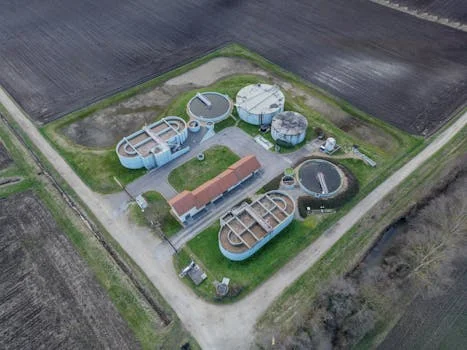
Compliance with Washington State’s environmental regulations, primarily enforced by the Washington State Department of Ecology (Ecology), is non-negotiable for any facility discharging treated wastewater. The National Pollutant Discharge Elimination System (NPDES) permits, issued by Ecology, set specific thresholds for effluent quality that equipment must consistently meet. For most discharges, baseline NPDES limits in Washington typically require BOD and TSS concentrations to be below 30 mg/L. However, these limits can become significantly stricter depending on the receiving water body; for instance, discharges into sensitive watersheds like Puget Sound often have more stringent nutrient limits, such as total phosphorus below 1 mg/L and ammonia below 10 mg/L. Industrial facilities, particularly food processors, must also adhere to specific industrial pretreatment standards, which, according to WA Ecology 2024 guidelines, often mandate an 85% removal of FOG before discharge into municipal sewer systems.
Odor control is another critical compliance factor, especially for facilities located near residential or commercial areas. King County, for example, enforces a strict hydrogen sulfide (H₂S) limit of less than 0.1 ppm at property lines, as per King County Code 16.82, requiring robust odor management systems. The permit application process for new or upgraded sewage treatment equipment in Washington is comprehensive, typically requiring a timeline of 6–12 months. This process involves submitting detailed engineering reports, potentially pilot test data, and environmental impact assessments. Permit application fees can range from $5,000 to $50,000, depending on the facility's size and complexity. Common compliance pitfalls include failing to accurately account for seasonal flow variations, which can lead to hydraulic overloading, and inadequate sludge storage and disposal planning, which can result in permit violations and costly emergency measures. Understanding these intricate local requirements is paramount for avoiding costly fines and ensuring long-term operational success.
Cost Breakdown: Sewage Treatment Equipment in Washington (2025 Data)
The capital cost for a new sewage treatment system in Washington ranges from $30,000 for small package plants to over $2 million for large MBR installations, with operational expenses varying significantly by technology and local factors. For example, MBR systems designed for capacities of 10–2,000 m³/day typically incur capital costs between $80,000 and $2,000,000. DAF systems, suitable for 4–300 m³/h flows, generally range from $50,000 to $500,000. Underground package plants, with capacities of 1–80 m³/h, represent a more modest investment of $30,000 to $300,000.
Operational costs are a significant component of the total lifecycle expense. MBR systems typically cost $0.20–$0.80 per cubic meter of treated water, primarily driven by energy consumption for aeration and membrane replacement cycles. DAF systems, on the other hand, have operational costs ranging from $0.10–$0.50 per cubic meter, largely influenced by chemical dosing for coagulation/flocculation and sludge disposal fees. Washington-specific cost factors further impact these figures; for instance, certified wastewater operators command higher labor rates, typically $60–$100 per hour, and landfill tipping fees for sludge disposal can be substantial, ranging from $100–$200 per ton. These local rates are crucial for accurate budgeting and ROI calculations, similar to considerations for wastewater treatment plant costs in Missouri.
Return on Investment (ROI) for advanced sewage treatment equipment is driven by several factors. Facilities can achieve significant savings through water reuse, potentially reducing potable water consumption by $2–$5 per cubic meter. Avoiding regulatory fines, which can range from $10,000 to $250,000 per violation, also provides a direct financial incentive. energy rebates, such as Puget Sound Energy’s $0.05/kWh incentive for high-efficiency systems, can offset operational costs. The table below summarizes typical capital and operational costs for different systems in Washington.
| Equipment Type | Typical Capital Cost (Washington, 2025) | Typical Operational Cost (per m³) | Key Cost Drivers |
|---|---|---|---|
| MBR Systems (10–2,000 m³/day) | $80,000 – $2,000,000 | $0.20 – $0.80 | Energy (aeration), membrane replacement, skilled labor |
| DAF Systems (4–300 m³/h) | $50,000 – $500,000 | $0.10 – $0.50 | Chemicals, sludge disposal, energy (pumps) |
| Underground Package Plants (1–80 m³/h) | $30,000 – $300,000 | $0.15 – $0.45 | Energy (blowers), sludge removal, basic maintenance |
How to Evaluate Sewage Treatment Equipment Suppliers in Washington
Selecting a sewage treatment equipment supplier in Washington requires evaluating their technical capabilities, local support, and verifiable project history to ensure long-term operational success and regulatory compliance. A supplier's technical capabilities are paramount; assess their ability to provide pilot testing, which offers crucial site-specific performance data before full-scale deployment. Inquire about their custom engineering support to ensure the proposed solution is tailored to your facility’s unique wastewater characteristics and flow rates. Critically, confirm their proven experience in meeting Washington Ecology Department standards and obtaining NPDES permits, as this demonstrates local regulatory expertise. This is a key differentiator from suppliers operating in other regions, such as those with Nevada’s compliance requirements.
Local presence and support are equally important for minimizing downtime and ensuring efficient operation. Evaluate their service response time, ideally seeking 24/7 support for critical issues rather than next-day service. A robust local spare parts inventory is essential to prevent lengthy delays in repairs. Additionally, assess their training programs for operators, as properly trained staff are crucial for optimal system performance and longevity. Request references from similar facilities in Washington, such as food processing plants in Yakima or municipal systems in Spokane, to gauge their real-world performance and customer satisfaction.
Finally, scrutinize the supplier’s warranty and maintenance offerings. A comprehensive warranty, such as a 2-year warranty on membranes and a 5-year warranty on structural components, indicates confidence in their product quality. Understand the details of annual service contracts, which typically range from $5,000 to $20,000 per year, covering preventative maintenance, inspections, and emergency call-outs. Be wary of red flags during the evaluation process: a lack of specific Washington compliance experience, vague cost estimates without detailed breakdowns, or an unwillingness to provide pilot test data are strong indicators that a supplier may not be suitable for your project.
Frequently Asked Questions
What are the most common sewage treatment equipment failures in Washington?
Common failures in Washington's sewage treatment systems often involve membrane fouling in MBR units due to high organic loads or inappropriate cleaning protocols, DAF pump clogging from fibrous debris or inadequate screening, and float switch failures in underground package plants, particularly during heavy rainy seasons leading to inundation or electrical issues. Regular maintenance and appropriate pre-treatment are crucial to mitigate these risks.
How do I choose between DAF and MBR for my facility?
The choice between DAF and MBR depends on your specific wastewater characteristics and effluent goals. DAF systems are generally preferred for industrial applications with high concentrations of fats, oils, grease (FOG), and total suspended solids (TSS), where the primary goal is robust pre-treatment or primary clarification. MBR systems are ideal for facilities requiring very high-quality effluent, such as for water reuse or discharge into sensitive receiving waters with strict BOD/TSS/nutrient limits, often in municipal or highly regulated industrial settings. Consider a decision tree based on FOG load, desired effluent quality, and available footprint.
What permits do I need to install sewage treatment equipment in Washington?
To install sewage treatment equipment in Washington, you typically need an NPDES (National Pollutant Discharge Elimination System) permit from the Washington State Department of Ecology for any direct discharge to surface waters or groundwater. Additionally, local building permits are required from your county or city planning department, and industrial facilities discharging into a municipal sewer system will need industrial pretreatment approval from the local wastewater utility. The entire permitting process, including engineering reports and public notice periods, can take 6–12 months.
Can I finance sewage treatment equipment in Washington?
Yes, several financing options are available for sewage treatment equipment in Washington. For rural areas and small communities, USDA Rural Development offers loans and grants. Small to medium-sized businesses can explore SBA 504 loans, which provide long-term, fixed-rate financing for major fixed assets. Equipment leasing is also a common option, allowing facilities to acquire large systems (e.g., $10,000–$50,000 per month for extensive MBR setups) without significant upfront capital investment, preserving working capital.
What are the energy requirements for sewage treatment equipment?
Energy requirements for sewage treatment equipment vary significantly by technology, largely due to differences in aeration, pumping, and membrane scouring demands. The table below provides a comparison:
| Equipment Type | Typical Energy Consumption (kWh/m³ of treated water) | Primary Energy Use |
|---|---|---|
| Membrane Bioreactor (MBR) | 0.8 – 1.2 | Aeration, membrane scouring, permeate pumping |
| Dissolved Air Flotation (DAF) | 0.3 – 0.5 | Air compressor, recycle pump, sludge pump |
| Underground Package Plants | 0.2 – 0.4 | Blowers for aeration, effluent pump |