Why Norway’s Sewage Treatment Market Demands Specialized Suppliers
Norway’s sewage treatment market is governed by EU Directive 91/271/EEC and local EEA adaptations, requiring effluent with <30 mg/L BOD, <10 mg/L phosphorus, and <1 mg/L nitrogen for sensitive areas. Top suppliers offer MBR systems (99% TSS removal), DAF units (92–97% FOG reduction), and underground package plants (1–80 m³/h capacity) with PLC automation. Costs range from NOK 500K for small package plants to NOK 15M+ for industrial MBR systems, with ROI typically achieved in 3–7 years through compliance avoidance and water reuse savings.
The Norwegian Environment Agency (Miljødirektoratet) 2023 report mandates a 50% reduction in untreated discharges by 2025 compared to a 2020 baseline, placing immense pressure on municipal engineers to upgrade aging infrastructure. In regions like the Oslofjord, nitrogen removal requirements have become significantly more stringent due to eutrophication, often requiring tertiary treatment technologies that can operate in temperatures where biological activity naturally slows. For a sewage treatment equipment supplier in norway, the challenge lies in delivering systems that maintain microbial metabolic rates when influent temperatures drop below 5°C.
Industrial facility operators face different but equally rigorous hurdles. Food processing plants and slaughterhouses must comply with EU 1069/2009 regarding animal by-products, necessitating robust pre-treatment to prevent fat, oil, and grease (FOG) from entering municipal lines. Recent data on wastewater spills in Scandinavian water bodies highlights that 40% of unplanned discharge events are caused by equipment failure due to ice formation or sensor malfunction in sub-zero conditions. Consequently, high-performance equipment in Norway must prioritize heat tracing, insulated housing, and remote IoT monitoring to ensure 24/7 compliance without constant manual intervention.
The distinction between municipal and industrial needs in the Norwegian market determines the procurement path. While rural communities often require decentralized, low-maintenance underground package plants for Norway’s rural communities to preserve the landscape and prevent freezing, hospitals and pharmaceutical hubs require high-flux Membrane Bioreactor (MBR) systems to eliminate micropollutants. Selecting a supplier requires a technical audit of their cold-climate track record and their ability to integrate with Norway’s digital-first utility management systems.
Key Sewage Treatment Equipment Types for Norwegian Projects
Membrane Bioreactor (MBR) systems utilize PVDF membrane filtration with a 0.1 μm pore size to achieve 99% Total Suspended Solids (TSS) removal and high-level disinfection. These systems are particularly effective for Norwegian projects with limited land availability, as they offer a 60% smaller footprint than conventional activated sludge plants (HydropureWater field data, 2025). By replacing secondary clarifiers with membrane modules, MBR systems for Norway’s cold-climate compliance ensure that effluent meets the strictest EEA standards even during peak snowmelt periods when hydraulic loads surge.
Dissolved Air Flotation (DAF) technology serves as the primary defense for industrial sectors such as salmon processing and dairy production. These units use micro-bubble technology (typically 20–50 microns) to achieve 92–97% efficiency in removing FOG and suspended solids at influent concentrations ranging from 50 to 500 mg/L (per EPA 2024 benchmarks). For Norwegian operators, DAF equipment for Norway’s food processing industry is essential for reducing high organic loads before discharge, thereby avoiding heavy municipal surcharges and ensuring compliance with the Norwegian Pollution Control Act.
The WSZ Series of underground package plants employs an A/O (Anaerobic/Oxic) biological contact oxidation process combined with integrated sedimentation. These units are designed for capacities ranging from 1 to 80 m³/h and are housed in carbon steel or FRP tanks with high-performance anti-corrosion coatings. The automated PLC control system manages aeration cycles and sludge return, making them ideal for remote tourist cabins, small hotels, or rural residential clusters where specialized onsite staff are unavailable. Because the units are buried below the frost line, they maintain stable internal temperatures, ensuring biological stability throughout the Norwegian winter.
| Equipment Type | Primary Removal Target | Typical Efficiency | Footprint Requirement | Best Use Case |
|---|---|---|---|---|
| MBR Systems | BOD, TSS, Pathogens | 99%+ TSS / 95% BOD | Ultra-Compact | Hospitals, Sensitive Fjords |
| DAF Units | FOG, Oil, Grease | 92–97% FOG | Moderate | Salmon Processing, Dairies |
| WSZ Package Plants | Domestic Sewage | 85–90% BOD | Sub-surface (Zero) | Remote Cabins, Small Villages |
| SBR Systems | Nitrogen, Phosphorus | 90% Nutrient removal | Moderate | Variable load municipalities |
Choosing the right technology requires a decision framework based on influent characteristics. If the wastewater has high lipid content (e.g., slaughterhouse waste), DAF is the non-negotiable first step. If the goal is high-quality reuse for irrigation or industrial cooling in a space-constrained site, MBR is the standard. For decentralized domestic sewage where aesthetic impact and freezing are the primary concerns, the underground WSZ series provides the most reliable long-term performance.
Top 5 Sewage Treatment Equipment Suppliers in Norway for 2025
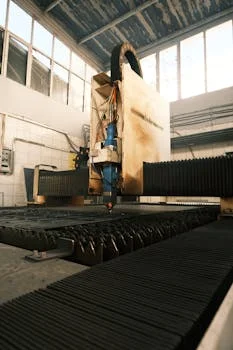
Supplier 1 is a prominent local Norwegian brand that has specialized in cold-climate MBR adaptations, with over 10 major installations in Tromsø and surrounding arctic regions. Their technical strength lies in proprietary tank insulation and heat recovery systems that capture thermal energy from effluent to pre-heat influent. Their equipment is specifically engineered to handle the high salinity often found in coastal Norwegian sewage systems, ensuring membrane longevity in harsh environments.
Supplier 2 operates as a global leader with a dedicated Norwegian service hub, focusing primarily on DAF systems for the aquaculture and food processing sectors. Their equipment is fully compliant with EU 1069/2009 animal by-products regulations, featuring stainless steel construction (Grade 316) to withstand the corrosive cleaning agents used in food-grade environments. They provide 24/7 technical support from their Bergen office, which is a critical factor for industrial operators who cannot afford downtime during peak production seasons.
Supplier 3, HydropureWater, provides the WSZ Series of underground package plants, which are CE certified and fully compliant with EEA wastewater standards. These systems are favored for their "plug-and-play" design, which significantly reduces onsite installation time in Norway’s short construction windows. With a 5-year warranty on structural components and a PLC-based automation suite that allows for remote monitoring via smartphone, these units bridge the gap between high-end industrial performance and decentralized ease of use.
Supplier 4 is a specialized local engineering firm focused on custom solutions for the pulp and paper industry. Rather than off-the-shelf units, they provide turnkey projects that integrate chemical precipitation with advanced filtration. Their case studies include the successful remediation of legacy discharge sites in central Norway, where they achieved a 40% reduction in chemical consumption through precision dosing algorithms. They are the preferred choice for large-scale industrial projects requiring deep integration with existing SCADA systems.
Supplier 5 is a Nordic distributor representing several European manufacturers of modular, containerized treatment systems. Their unique value proposition is the integration of satellite-linked IoT monitoring, which is essential for remote communities in the northern territories where cellular coverage can be spotty. Their systems are designed for rapid deployment, often used in temporary construction camps or mining sites, providing a flexible leasing model that appeals to private contractors and municipal developers alike.
| Supplier Type | Technical Strength | Compliance Focus | Support Network |
|---|---|---|---|
| Local Specialty (MBR) | Arctic thermal insulation | Oslofjord Nitrogen Limits | High (Northern Norway) |
| Global Industrial (DAF) | High-capacity FOG removal | EU 1069/2009 | High (Bergen/Oslo) |
| HydropureWater (WSZ) | Automated underground units | CE / EEA Standard | Regional Distributors |
| Engineering Firm | Custom Pulp/Paper tech | Pollution Control Act | Project-based |
| Nordic Distributor | IoT & Satellite Monitoring | Temporary Site Permits | Remote/Digital |
Costs, Compliance, and ROI: How to Evaluate Sewage Treatment Equipment in Norway
Capital expenditure for sewage treatment in Norway typically ranges from NOK 500,000 for small-scale package plants to upwards of NOK 15 million for high-capacity industrial MBR installations. This cost breakdown generally includes the equipment (45%), civil works and excavation (30%), and permitting/engineering (25%). Procurement managers must account for the high cost of Norwegian labor during the installation phase, which often makes pre-assembled, containerized, or "integrated" systems more financially attractive than site-built concrete basins.
Operating costs are primarily driven by energy consumption and chemical requirements. MBR systems typically consume between 0.5 and 1.2 kWh per cubic meter of treated water, depending on the aeration intensity required for membrane scouring. DAF systems involve lower energy costs but require consistent chemical dosing, with coagulant costs ranging from 50 to 100 mg/L of influent. For a detailed comparison of operational expenses, engineers should consult ROI benchmarks for European wastewater projects to see how Norwegian energy prices impact long-term viability.
Non-compliance with the Norwegian Pollution Control Act can result in administrative fines ranging from NOK 100,000 to NOK 500,000 per violation, with potential criminal liability for severe environmental damage. These penalties, combined with rising municipal discharge fees (often NOK 15–30 per m³), make the ROI for onsite treatment increasingly favorable. For instance, a hypothetical hotel in the Oslo region processing 50 m³/day can save approximately NOK 800,000 annually by transitioning from municipal discharge to a WSZ package plant with water reuse for landscaping (HydropureWater field data, 2025).
Government incentives also play a role in the financial equation. Enova SF, a Norwegian government enterprise, offers funding programs for projects that significantly improve energy efficiency or reduce GHG emissions in industrial processes. By selecting equipment with high-efficiency blowers and smart controls, companies can often subsidize up to 20–30% of their capital costs. Understanding how France’s DAF compliance compares to Norway’s can help multinational firms standardize their procurement while still meeting local Norwegian grant criteria.
| Financial Metric | Package Plant (Small) | Industrial DAF | Municipal MBR |
|---|---|---|---|
| Estimated CAPEX | NOK 500K – 1.2M | NOK 2M – 6M | NOK 8M – 20M+ |
| Annual OPEX | NOK 40K – 90K | NOK 150K – 400K | NOK 500K – 1.2M |
| Expected ROI | 3–5 Years | 2–4 Years | 5–8 Years |
| Compliance Risk | Low (Automated) | Medium (Chemicals) | Low (Physical Barrier) |
Norway’s Regulatory Checklist for Sewage Treatment Equipment
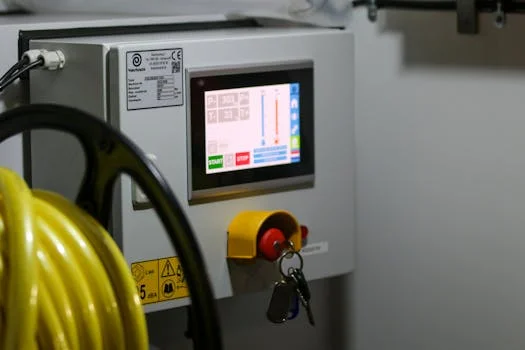
EU Directive 91/271/EEC dictates that all Norwegian urban areas with a population equivalent (PE) of over 2,000 must implement secondary treatment, while "sensitive areas" require tertiary treatment for nutrient removal. Norway has designated the entire coastline from the Swedish border to Lindesnes as sensitive, meaning any sewage treatment equipment supplier in norway must provide documented proof of nitrogen and phosphorus reduction capabilities. Implementation is monitored by the County Governor (Statsforvalteren), who issues specific discharge permits based on the local water body's vulnerability.
The Norwegian Pollution Control Act (Forurensningsloven) requires industrial dischargers to obtain a specific permit from Miljødirektoratet. This permit outlines the maximum allowable concentrations of heavy metals, persistent organic pollutants, and traditional parameters like COD and TSS. all equipment must carry the CE mark, indicating compliance with EEA health, safety, and environmental protection standards. For underground installations, such as the WSZ series, municipal approval from bodies like Oslo Kommune is required to ensure that the placement does not interfere with existing utility lines or protected groundwater zones.
Frequently Asked Questions
How does cold weather affect the performance of sewage treatment equipment in Norway? Cold temperatures significantly slow down the metabolic rate of the bacteria responsible for biological treatment. In Norway, equipment must be either buried below the frost line (like WSZ package plants) or housed in insulated, heated containers. Suppliers typically increase the sludge age (SRT) and aeration capacity to compensate for reduced biological activity, ensuring that BOD and nitrogen limits are still met when temperatures drop below 5°C.
What are the typical permit timelines for installing new treatment systems? In Norway, the permitting process usually takes between 3 to 9 months. This includes the initial application to the municipality or Miljødirektoratet, a public consultation period (if required for large industrial sites), and the technical review of the proposed equipment's effluent quality. Working with a supplier who provides pre-certified CE equipment and detailed technical drawings can reduce this timeline by minimizing requests for additional information from regulators.
Can MBR systems handle the high hydraulic loads during the Norwegian spring thaw? Yes, but the system must be designed with adequate equalization tankage and a conservative flux rate for the membranes. During the spring thaw (vårknipa), influent can become highly diluted and cold. MBR systems are advantageous here because the physical membrane barrier prevents "sludge bulking" or solids carryover, which often plagues traditional clarifiers during high-flow events.
What maintenance is required for automated package plants in remote areas? Modern automated plants require a physical inspection every 3 to 6 months. This includes checking blower filters, verifying sensor calibration (pH, DO, ORP), and ensuring the sludge return pumps are functioning. Most systems now feature IoT connectivity, allowing engineers in Oslo or Bergen to monitor performance data in real-time and only dispatch technicians to remote sites when an anomaly is detected, significantly reducing operational costs.