What treatment does a Hwaseong-si data center actually need?
A Hwaseong-si data center needs a sanitary wastewater train and a separate cooling-tower blowdown train, selected only after confirming the source-water chemistry, cooling configuration, discharge route and water-recovery objective. Evaporation leaves dissolved salts and treatment chemicals behind, so blowdown can contain suspended solids, colloids, biocides, corrosion inhibitors, heavy metals and altered pH. The treatment sequence should separate characterization, pretreatment, biological treatment where justified, polishing or disinfection, and final reuse or discharge. Sewer compliance, non-potable reuse and cooling-makeup recovery impose different requirements, so local discharge criteria must be confirmed with the relevant Korean authority and receiving utility.
Cooling-tower blowdown is the concentrated liquid remaining after evaporation; dissolved solids and treatment chemicals do not evaporate with the water. Water Utility Report, updated 2026-04-14, states that blowdown may contain elevated salts, heavy metals, biocides, corrosion inhibitors and altered pH depending on source water and the chemical treatment program. That variability is why a single treatment package cannot responsibly be specified from “data center wastewater” alone.
The project team should establish three decisions in sequence: compliance with the confirmed discharge route, recovery for a defined non-potable application, or production of cooling makeup through advanced polishing. Required inputs include the cooling design, source-water analysis, chemical program, cycles of concentration, measured blowdown and sanitary flows, wastewater temperature, receiving route, reuse demand and future expansion. The supplied research does not establish a Hwaseong sewer limit, pretreatment threshold or receiving-water condition; these must be obtained in writing rather than inferred from generic guidance.
| Project decision | Required treatment focus | Missing inputs to close the design |
|---|---|---|
| Sanitary sewer discharge | Flow control, biological treatment, solids separation and monitoring confirmed by the receiving utility | Sanitary flow profile, organic loading, discharge criteria and local pretreatment requirements |
| Cooling-blowdown sewer discharge | Suspended-solids and colloidal removal, pH management, and control of heat and chemistry identified as relevant | Blowdown chemistry, temperature, sewer route, discharge limits and chemical program |
| Non-potable reuse | Physical separation followed by application-specific contaminant removal and disinfection | Reuse application, quality specification, demand profile and public-health requirements |
| Cooling-makeup reuse | Dissolved-solids, hardness, scaling, corrosion and residual-chemistry control | Makeup-water specification, cycles of concentration, heat-transfer requirements and cooling chemistry limits |
The broader sequence is illustrated in the Frankfurt data center cooling blowdown treatment guide, but Hwaseong’s source water, infrastructure and approved route must remain the controlling inputs.
Characterize each wastewater stream before selecting equipment
Reliable characterization requires separate sampling of cooling makeup, circulating cooling water, cooling-tower blowdown, segregated sanitary wastewater and final effluent. Each location needs flow, pH, conductivity or TDS, total suspended solids, turbidity, temperature and hardness measurements; residual biocides, corrosion inhibitors and metals should be assessed according to the source-water and chemical program, while sanitary sampling should include organics.
Genesis Water Technologies recommends monitoring makeup water, blowdown volume, evaporation, conductivity, pH and suspended solids to establish the operating baseline. Its operational analysis reports that actual blowdown can exceed theoretical calculations by 15–30% because of unmeasured losses and emergency dumps. Therefore, hydraulic design based only on a steady evaporation calculation leaves little margin for the events most likely to stress treatment equipment.
Cycles of concentration, or CoC, compare dissolved-solids concentration in circulating water with that in makeup water. Genesis Water Technologies calculates theoretical blowdown at 25% of makeup volume at 4 CoC and 20% at 6 CoC. These ratios explain concentration risk, but they do not establish the required treatment: measured conductivity, hardness, inhibitor residues and chemical demand still determine the process boundary.
Cooling architecture changes both volume and reuse potential. KETOS reports that evaporative cooling typically loses 70–80% of withdrawal through evaporation and returns 20–30% as liquid wastewater. A closed-loop system consumes only 5–10% and returns approximately 90–95% as wastewater available for treatment. The same chemical constituents are therefore distributed across substantially different liquid flows.
| Sampling point | Core measurements | Design use |
|---|---|---|
| Cooling makeup and circulating water | Flow, pH, conductivity or TDS, hardness and temperature | Establish CoC, evaporation balance, scaling tendency and makeup-reuse baseline |
| Cooling-tower blowdown | Flow, pH, conductivity or TDS, TSS, turbidity, temperature, residual biocides, corrosion inhibitors and indicated metals | Define pretreatment, polishing, discharge and cooling-protection duties |
| Sanitary wastewater | Flow, pH, TSS, turbidity, organics and temperature | Define biological loading, membrane duty and reuse quality |
| Final effluent | The parameters required by the confirmed discharge or reuse specification | Verify acceptance criteria and operating trends |
A site-specific sampling plan should cover representative operating states, including seasonal demand, high chemical dosage and emergency blowdown events. A related data-center wastewater characterization workflow provides additional context, but the Hwaseong sampling results—not generic assumptions—must drive equipment selection.
Build a segregated treatment and reuse process flow
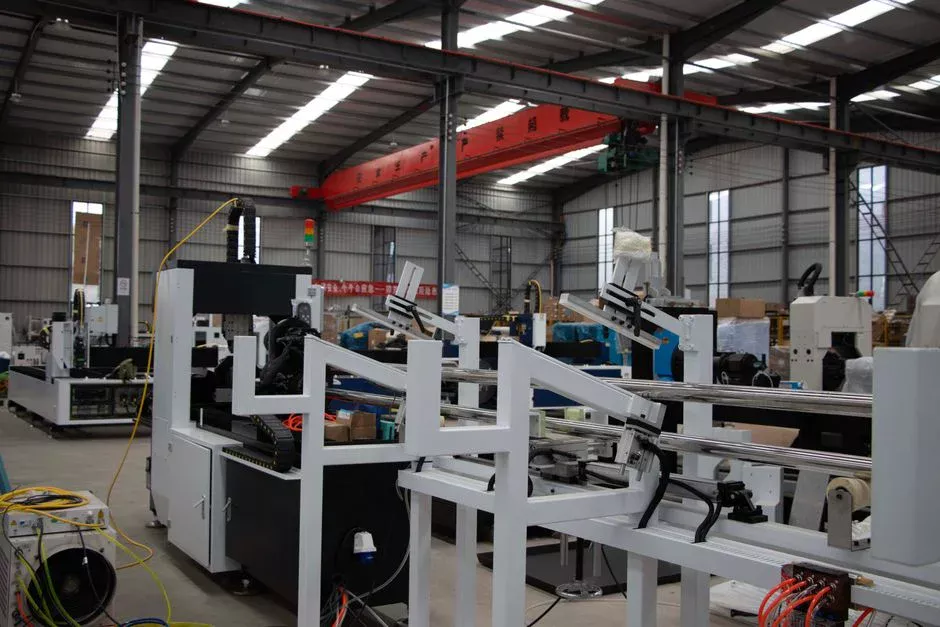
The process should separate sanitary and cooling streams before equalization, physical pretreatment, chemical control, biological treatment where required, final polishing and disinfection. Each stream should retain a visible route to either the approved discharge point or its assigned reuse application, with online flow and conductivity monitoring installed where they support hydraulic and concentration control.
Cooling blowdown typically begins with screening or equalization as appropriate, followed by removal of suspended solids, free oil and colloidal material. DAF is appropriate where the waste profile contains oil and grease, FOG, floatable material or suspended solids that benefit from physical separation. A DAF system for blowdown solids and oil removal should be selected from measured feed characteristics, not simply included because blowdown is present.
Sanitary wastewater usually requires biological treatment. An MBR wastewater treatment for biological polishing and reuse combines biological degradation with membrane separation and can be attractive where compact treatment and polished reuse are both required. However, North Carolina State University identifies closed-loop cooling as a direct-water-reduction option while also noting uncertainty around retrofit feasibility and cost. Those site-specific considerations should be evaluated rather than assuming the MBR route is preferable.
UF provides a barrier to fine solids, colloids and bacteria without adding chemical oxidant. It does not remove dissolved salts, metals or most chemical residuals, so UF alone cannot correct salinity or inhibitor loading. Where reuse as cooling makeup is contemplated, further treatment for dissolved solids, hardness and residual chemistry is required.
Disinfection is a targeted barrier, not a substitute for contaminant removal. Chlorine dioxide should be evaluated only for a defined microbiological application and residual-control requirement. A wastewater discharged to sewer and water reused as cooling makeup also need separate acceptance criteria: the first depends on the receiving utility; the second depends on cooling chemistry, scaling and corrosion limits.
Genesis Water Technologies describes a practical two-stage reuse approach: physical separation followed by treatment targeted at the contaminants that remain, with advanced treatment required for blowdown-to-makeup reuse. This hierarchy supports lower-risk uses before cooling makeup rather than forcing a high-grade process onto a stream with no corresponding demand.
| Process step | Applicable stream | Primary function | Selection limitation |
|---|---|---|---|
| Equalization and flow control | Both streams | Buffer variable flows and support consistent treatment | Does not remove dissolved contaminants |
| DAF or equivalent separation | Cooling blowdown | Remove suspended, colloidal and floatable material | Requires measured TSS and oil or FOG profile |
| MBR or packaged biological treatment | Sanitary and qualifying biodegradable process flow | Reduce organics and separate solids | Must match biological loading, footprint and reuse requirements |
| UF | Pretreated or biologically treated flow | Provide a fine-solids, colloid and bacteria barrier | Does not remove dissolved salts, metals or most chemical residuals |
| Targeted chemical dosing | As characterized | Control pH, residual disinfectant or other confirmed parameter | Chemical and downstream consequences must be specified |
| Disinfection | Reuse or final-effluent stream | Control the specified microbiological target | Not a substitute for solids, organics, metals or salinity control |
The Tlaquepaque data center wastewater treatment guide shows how project-specific flows and reuse decisions can be translated into a process flow; the Hwaseong design should nevertheless use local chemistry and approval requirements.
Match the treatment train to the discharge and reuse target
The equipment train should follow the confirmed quality target rather than the available technology. For sewer-compliance duty, priority goes to hydraulic control, reliable solids and organic removal, pH management, monitoring and the parameters specifically required by the receiving utility. Advanced polishing adds cost and operating burden unless the reuse objective or confirmed discharge criteria justify it.
For non-potable reuse, the sequence is physical separation, targeted chemical adjustment and final filtration or disinfection according to the receiving application. Each reuse destination needs its own specification; for example, washwater may tolerate a different quality from toilet flushing. For cooling-makeup reuse, dissolved solids, hardness, inhibitor residues, scaling and corrosion become central. UF can polish particulates but cannot make concentrated blowdown suitable for makeup by itself.
For sanitary wastewater, compare MBR with packaged biological treatment against actual flow, footprint, biological loading, reuse requirements and the capabilities of local operators. A membrane system should not be selected only because it produces a high-quality outlet; pretreatment, membrane fouling, chemical cleaning, solids handling and redundancy determine whether that quality remains reliable.
KETOS reports that roughly 75–90% of data centers worldwide rely on water-based cooling as their primary method. That makes the cooling design a central input to treatment procurement: an open evaporative arrangement and a closed-loop arrangement generate different wastewater quantities and reuse opportunities even when their electrical demand is similar.
| Target | Preferred process emphasis | Required performance evidence | Common selection error |
|---|---|---|---|
| Sanitary sewer compliance | Flow control, biological treatment and solids separation | Peak flow, organic loading, TSS performance and written acceptance criteria | Buying a nominal-capacity package without peak-flow data |
| Cooling-blowdown sewer compliance | Physical pretreatment, pH control and confirmed parameter removal | Measured chemistry, temperature duty, hydraulic peak and receiving-utility limits | Assuming solids removal also controls salinity or residual chemicals |
| Non-potable reuse | Physical separation, targeted treatment and application-specific polishing | Reuse specification, seasonal demand and pilot results | Using a drinking-water treatment train without a confirmed reuse need |
| Cooling-makeup reuse | Dissolved-solids, hardness, scaling and corrosion control | Makeup specification, CoC range and cooling-loop compatibility | Treating UF as a dissolved-solids removal process |
This decision framework can be compared with the Wroclaw data center wastewater treatment guide, while preserving the distinction between sewer discharge and water recovery for the Hwaseong project.
Right-size the system and validate it through a staged pilot
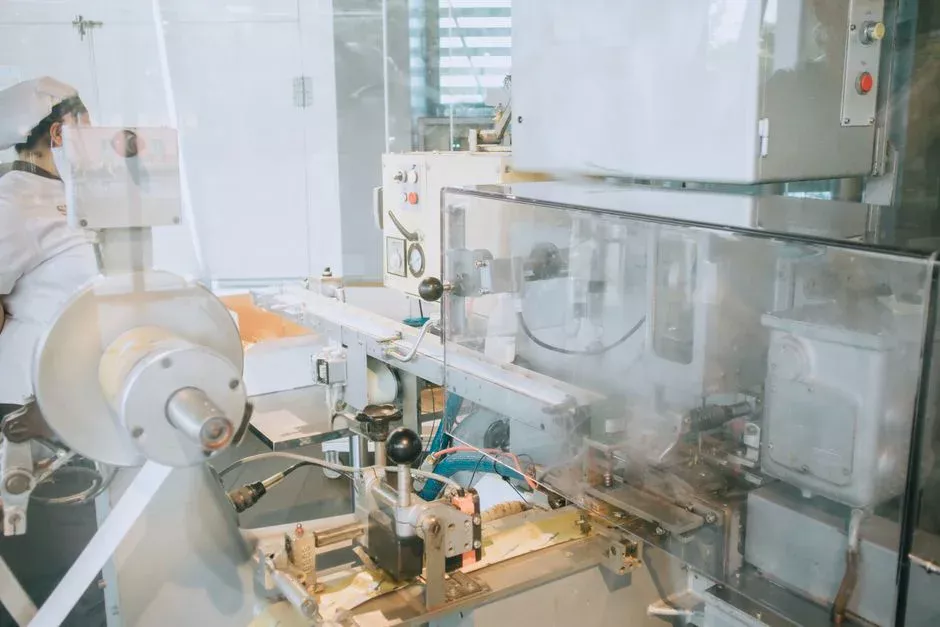
Equipment should be sized around measured peak flows, emergency-dump conditions, wastewater temperature and future cooling load, not average demand alone. Suppliers need the source-water analysis, CoC range, chemical inventory, hydraulic profile, analytical suite and applicable acceptance criteria. An average-flow bid may omit the operating condition that determines membrane loading, equalization volume or peak chemical demand.
Available equipment references provide a basis for comparing scopes, not final sizing. HydropureWater states that its DAF capacity ranges from 4 to 300 m³/h for physical separation and that its MBR capacity ranges from 10 to 2,000 m³/day for biological treatment and reuse polishing. HydropureWater also specifies UF capacity from 2,000 to 40,000 L/h, 0.03-micron PVDF membranes, automatic backwash and air scour, with acceptance of feed turbidity up to 300 ppm. Each supplier guarantee should be checked against the measured Hwaseong feed and required outlet; the published capacity range is not proof of site suitability.
Automatic chemical dosing should be specified only where pH or residual control requires it. Include the chemical, duty range, control signal, storage requirements, incompatible materials, downstream consequences and manual operating response. A control system should fail to a defined safe state and provide auditable readings for discharge verification.
A pilot or engineering trial should verify solids removal, conductivity behavior, biological response, disinfection performance, sludge production and stable operation under representative seasonal loads. It should also reveal membrane-fouling tendency and chemical demand before full-scale purchase. North Carolina State University recommends long-term monitoring and modeling to assess water impacts before facilities are built and to support operating decisions afterward.
| Bid item | Information or test required | Acceptance basis |
|---|---|---|
| Hydraulic sizing | Measured peak blowdown, sanitary flow, emergency dumps and expansion case | Supplier guarantee states each included case |
| Feed-water limits | Measured TSS, turbidity, conductivity, organics, hardness and chemical residuals | Guaranteed operating envelope covers the site feed |
| Performance test | Representative continuous trial with agreed analytical methods | Flow, outlet quality, recovery, stability and energy or chemical consumption |
| Controls and monitoring | Flow, conductivity, pH, level, alarms and required sampling points | Functions demonstrated during commissioning |
| Residuals and sludge | Generated waste quantity, chemistry, handling route and storage | Documented handling method and no conflict with the reuse route |
Predictive instrumentation and operating records should be included in the handover. The smart pump monitoring and predictive-maintenance reference illustrates how equipment condition data can support reliability, but local measurements—not generic thresholds—must define alarm settings.
A five-step implementation plan for the Hwaseong project
The Hwaseong project should advance through five gated steps, with each gate producing information needed for the next one.
- Confirm the facility basis. Document the cooling architecture, water source, existing chemical program, operating philosophy, expansion plan and current wastewater routes.
- Characterize the streams and obtain approval inputs. Sample source water, circulating water, blowdown, sanitary wastewater and final effluent. Obtain written discharge, pretreatment, temperature and reuse requirements from the relevant local authority and receiving utility.
- Issue a performance-based specification. State the flow range, analysis suite, discharge criteria, reuse quality, control philosophy, sludge handling, monitoring and performance-test method. Do not permit equipment selection to substitute for missing site data.
- Pilot the proposed train. Verify solids removal, conductivity behavior, biological response, chemical demand, disinfection, sludge generation and stable operation. Confirm that concentration cycles, fouling and downtime do not compromise cooling equipment.
- Commission and operate with verification. Install online flow and conductivity monitoring, complete laboratory performance tests, train operators, plan critical spares and establish a route for future expansion.
The 2026 sewage-treatment compliance guide provides broader context for documenting discharge evidence, but the applicable Hwaseong requirements must come from the responsible authority and sewer utility.
Frequently Asked Questions
How much does a Hwaseong-si data-center wastewater treatment system cost?
No defensible price can be stated without measured flows, chemistry, cooling configuration, discharge target and reuse scope. Request itemized bids for equipment, installation, controls, chemicals, sludge handling, commissioning, operator training, energy use and lifecycle maintenance. A supplier should also state which results are guaranteed and which costs depend on site conditions or future expansion.
Should a data center choose DAF, MBR or UF for cooling blowdown?
DAF primarily separates suspended or floatable material; MBR combines biological treatment with membrane filtration; UF targets fine solids, colloids and bacteria. Dissolved salts, metals and most chemical residuals require other treatment. Selection should therefore follow the measured contaminant profile and reuse target. DAF and MRF supplier options can be reviewed through the DAF system for blowdown solids and oil removal and MBR wastewater treatment for biological polishing and reuse references.
How should the equipment be sized for Hwaseong?
Size around measured peak flows, emergency-dump conditions, wastewater temperature and future cooling load. Give bidders the makeup-water analysis, CoC range, chemical program, hourly and daily flow records, and the confirmed analytical suite. Require the guaranteed operating envelope to cover those conditions rather than relying on a generic data-center flow rule.
Which supplier qualification reduces compliance risk?
Require documented treatment guarantees, relevant industrial or wastewater references, guaranteed feed-water limits, controls and instrumentation, commissioning protocols, local service capability and transparent performance-test criteria. Give the proposed test protocol to the receiving utility or compliance reviewer before award where acceptance depends on the written discharge requirement.
Can reclaimed water be used for cooling makeup?
Yes, but recycled water changes the chemistry challenge rather than eliminating it. The Frankfurt data center cooling blowdown treatment guide discusses the reuse decision framework. For Hwaseong, confirm the cooling-loop limits and validate pretreatment, scaling, corrosion and residual-chemistry control with the actual blowdown before reuse.