When a Packaged Plant Is the Right Fit for Harare Housing
A packaged sewage treatment plant may suit a Harare housing development when the estate has reliable collection, space for a buried installation or accessible treatment tanks, an approved effluent route, and a defined reuse or discharge objective. The leading options are a buried WSZ A/O package sewage treatment plant, rated from 1–80 m³/h, and an MBR membrane bioreactor sewage treatment system rated from 10–2,000 m³/day. Selection should follow verified sewage flows, peak loading, site conditions and reuse needs rather than equipment price alone. Harare’s sewerage and sanitation coverage exceeds 98%, but connection feasibility and receiving-water constraints must still be checked (Wageningen University and Research, “Options for wastewater management in Harare, Zimbabwe”).
The first procurement question is therefore not “Which package is best?” It is “Can the estate’s collection, site and regulatory conditions support decentralized wastewater treatment, and what outcome must the plant deliver?” A package plant is credible where the estate wastewater collection system is dependable, the installation zone can accommodate the selected process, maintenance access can be protected, and an operator can inspect and service the unit. The project must also identify where effluent will go before selecting equipment.
Central infrastructure has to be examined first. Wageningen University and Research reports water-supply and sewerage/sanitation coverage above 98% in Harare, which makes a Harare sewer connection approval and connection-capacity check necessary before selecting an independent plant. Decentralized treatment should therefore supplement, not automatically replace, the centralized network.
The local case for decentralized treatment is nevertheless credible. Springer’s 2016 study reports that the Firle and Crowborough plants were overloaded, while the Wageningen study states that most wastewater plants in the Lake Chivero catchment are overloaded and experience frequent breakdowns. Springer also identifies medium-density plots of 500–1,500 m² and high-density plots below 500 m² as suitable candidates for decentralized systems because these estates generally produce more wastewater than they can use onsite. The correct fit test therefore combines network feasibility, physical constraints, an approved effluent destination and a maintainable operating plan.
Why Nutrient Reduction and Reuse Matter in the Chivero Catchment
Wastewater contributed more than 50% of the annual water flows in the Marimba and Mukuvisi rivers, according to Wageningen University and Research’s “Options for wastewater management in Harare, Zimbabwe.” Nutrient control is consequently a catchment objective, not merely an equipment specification exercise.
The same study reports Lake Chivero nutrient concentrations of 2.0 ± 1.3 mg/l total nitrogen and 0.6 ± 0.3 mg/l total phosphorus, reflecting a hypertrophic status. These are catchment conditions; they are not automatic performance guarantees for an estate treatment package. A developer should nevertheless ask whether the proposed process will reduce nitrogen and phosphorus adequately for its receiving route.
Wageningen’s three-step strategic approach provides the correct sequence:
- Prevent or reduce pollution at source. Apply water-saving fixtures, greywater separation and reuse, and other measures that reduce the sewage load reaching the treatment plant.
- Treat in the direction of reuse. Match treatment to the intended irrigation, estate amenity or other reuse requirement rather than treating reuse as an afterthought.
- Dispose while supporting self-purification. Where discharge is necessary, consider the receiving water body and measures that support its self-purification capacity.
Wageningen estimated that application of the wider catchment measures could improve lake water quality to approximately 0.4 mg/l total nitrogen and 0.07 mg/l total phosphorus in the medium term. That estimate concerns the broader Chivero strategy and cannot be assigned to one package plant without a project-specific process design. It nevertheless shows why nutrient removal and sewage effluent reuse in Harare should influence the effluent basis specified in the tender.
The same research identifies tertiary treatment and reuse as part of the wider catchment solution. That does not mean every housing-development package must produce tertiary-grade water. It means the required quality should follow the identified reuse or discharge route, with source reduction forming the first layer of control. A package that removes nutrients from only the estate sewage still leaves source-level leakage, greywater and unmanaged flows outside its scope.
Buried A/O Package Plant or MBR: Compare the Alternatives
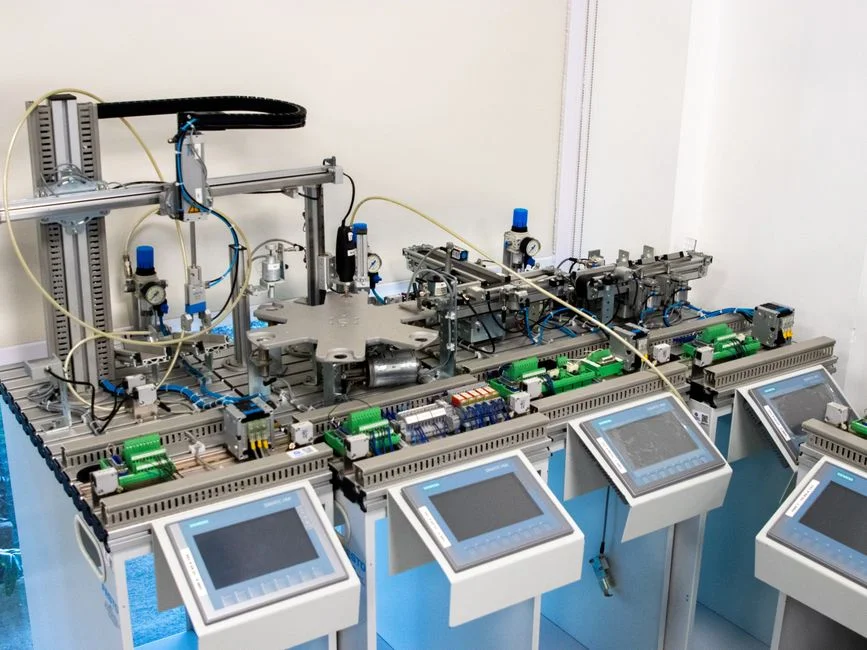
The buried A/O package and MBR differ primarily in process complexity and treatment objectives: the former consolidates established biological and solids-removal stages below grade, while the latter separates activated-sludge treatment from membrane filtration.
The buried WSZ A/O package sewage treatment plant combines anoxic and aerobic biological contact oxidation, sedimentation and disinfection in a single buried unit. The manufacturer describes it as fully automated and requiring no operator. Its published capacity range is 1–80 m³/h for residential communities, hotels, hospitals, factories and rural applications. Installing it below grade allows landscaping above the unit.
The MBR membrane bioreactor sewage treatment system combines activated sludge with submerged PVDF membrane filtration. Its product specification states near-reuse-quality effluent, filtration below 1 μm and a footprint 60% smaller than conventional systems. Its published capacity range is 10–2,000 m³/day, making it relevant where daily throughput or advanced treatment is central to the project.
| Decision factor | Buried WSZ A/O package | MBR system |
|---|---|---|
| Process | Anoxic/aerobic contact oxidation, sedimentation and disinfection in one buried unit | Activated sludge followed by submerged PVDF membrane filtration |
| Published capacity | 1–80 m³/h | 10–2,000 m³/day |
| Installation | Below-grade installation with landscaping above the unit | Compact treatment equipment with membrane, aeration and ancillary-service access |
| Treatment emphasis | Packaged biological treatment, solids removal and disinfection | Membrane separation with stated near-reuse-quality effluent below 1 μm filtration |
| Maintenance focus | Inspection, sludge removal and service access to the buried unit | Mechanical and membrane maintenance, cleaning and replacement provisions |
| Permit position | No discharge permit can be assumed without confirming the route and authority requirements | No discharge permit can be assumed without confirming the route and authority requirements |
The A/O package offers a simpler physical arrangement where a residential estate can provide a below-grade installation zone and a conventional treatment duty. MBR introduces membrane separation, more intensive mechanical and membrane-maintenance obligations, and stronger reuse potential. Neither technology guarantees a specific Harare discharge permit; the receiving route and applicable authority requirements must be confirmed.
Price comparisons must also include collection infrastructure. Springer’s 2016 study reports that sewage collection systems typically represent 60–70% of total project cost for a conventional centralized system. The relevant comparison is therefore the total installed scope—collection, treatment, pumping, power, controls, civil works and disposal—not the package quotation alone.
Size the Plant from Verified Development Inputs
A defensible size comes from verified development wastewater flows and loads, not from water-supply demand alone or an assumed residential allowance.
Start with occupancy assumptions, unit mix, water fixtures and any commercial or institutional flows. Separate average daily flow, peak-hour flow and peak-day flow. The developer should define occupancy and development assumptions, while the civil consultant should approve the wastewater-generation calculation and design basis.
Compare those values with the selected package’s rated flow, then check hydraulic detention and biological and solids loading separately. For a WSZ installation, require the supplier to state the selected duty point against its published 1–80 m³/h range, the redundancy philosophy and whether multiple units are required. For MBR, require confirmation against the published 10–2,000 m³/day range, including membrane configuration, design flow, peak capacity, cleaning and replacement provisions.
| Required project input | Why it matters | Developer to supply or approve | Supplier or consultant to confirm |
|---|---|---|---|
| Occupancy and unit mix | Establishes the population and uses generating wastewater | Occupancy assumptions, dwelling mix and phased occupancy | Wastewater-generation basis and design population |
| Average, peak-hour and peak-day flows | Prevents selection from a single annual or daily average | Approved development scenario and growth phases | Selected duty point, hydraulic response and redundancy |
| Incoming sewage characteristics | Determines biological and solids-loading suitability | Expected wastewater quality and source-control assumptions | Process design loads and acceptance criteria |
| Site and groundwater conditions | Controls excavation, buoyancy, watertightness and access requirements | Survey information and site-investigation access | Civil, structural and installation requirements |
| Maintenance access | Protects inspection, lifting and solids removal | Protected access and utility corridors | Access envelopes and service-removal arrangements |
| Effluent destination | Defines the required treatment and approval basis | Intended reuse demand or proposed discharge route | Effluent specification and authority-engagement requirements |
Also document groundwater-intrusion risk, soil and geotechnical conditions, burial depth, odor control and sludge or solids removal. These inputs must come from the project investigation and supplier design; the research does not provide site-specific Harare soil or groundwater values.
Match the Installation and Effluent Route to the Estate

A below-grade package only fits the estate if excavation, structural stability and permanent access can be demonstrated; the technology comparison cannot substitute for site investigation.
For the buried WSZ unit, assess excavation conditions, soil bearing, groundwater, buoyancy and watertight construction. No Harare-specific soil or groundwater values were supplied, so they must be established through the project’s geotechnical and groundwater investigations. Set access and maintenance zones above the unit; landscaping must not obstruct inspection, lifting or sludge removal.
For MBR, reserve space for the membrane system, aeration and ancillary equipment, together with access for membrane cleaning and a maintainable solids-handling route. Compactness does not remove the need for service space.
Map the complete effluent route and record its approval status: estate reuse, irrigation, an identified receiving water, sewer connection or another destination. Apply Wageningen’s sequence by reducing wastewater at source, treating in the direction of reuse and considering disposal only after the preceding options have been assessed.
Springer’s 2016 observation supports decentralized treatment for medium-density plots of 500–1,500 m² and high-density plots below 500 m² because these small estates can produce more wastewater than they can use onsite. It does not establish that every Harare housing scheme has the same conditions. The buried WSZ A/O package sewage treatment plant should therefore remain a site-specific option, with reuse demand and collection infrastructure tested before procurement.
Build a Tender That Compares Total Lifecycle Performance
A comparable tender must define the same treatment duty, installation boundary, commissioning obligations and operating assumptions for every bidder.
Require each bidder to state its selected design flow, treatment process, duty point, effluent basis, installation method, commissioning tests and operating assumptions. Separate quotations for equipment, civils, sewer connection, power, controls, chemicals, commissioning, training, sludge handling and long-term spare parts. This avoids comparing an incomplete package price with a complete installed cost.
Evidence of automatic operation, alarm handling, local service access, spare-parts availability and maintenance support should accompany the offer. For lifecycle comparison, request separate cost categories for energy, routine maintenance, media or membrane replacement, chemicals, sludge handling, insurance and eventual rehabilitation. No supported Harare price or unit rate was supplied, so the tender should obtain site-specific quotations rather than rely on generic cost claims.
| Tender schedule | Information required from each bidder | Buyer acceptance check |
|---|---|---|
| Design basis | Flow, duty, process, effluent basis and future growth | Capacity is substantiated against verified development inputs |
| Installed scope | Equipment, civils, collection, power, controls, chemicals and sludge handling | No required scope is omitted from the price comparison |
| Commissioning | Tests, acceptance criteria, training and handover documents | Failure and remedy provisions are contractually defined |
| Operations and maintenance | Automation, alarms, maintenance, local service and spare parts | Support remains operable throughout the development life |
| Lifecycle cost | Energy, consumables, replacement, sludge handling, insurance and rehabilitation | Costs are separated by category and stated as quotations |
Springer’s 2016 finding that collection can represent 60–70% of a conventional centralized system’s total project cost explains why the collection scope must appear separately. A related comparison of buried A/O and MBR package plants for housing can also support the tender’s technical structure, but the buyer’s 2026 checks remain local: capacity substantiation, service capability, reference projects, acceptance criteria and future-flow provisions.
Choose with a Harare Development Decision Framework
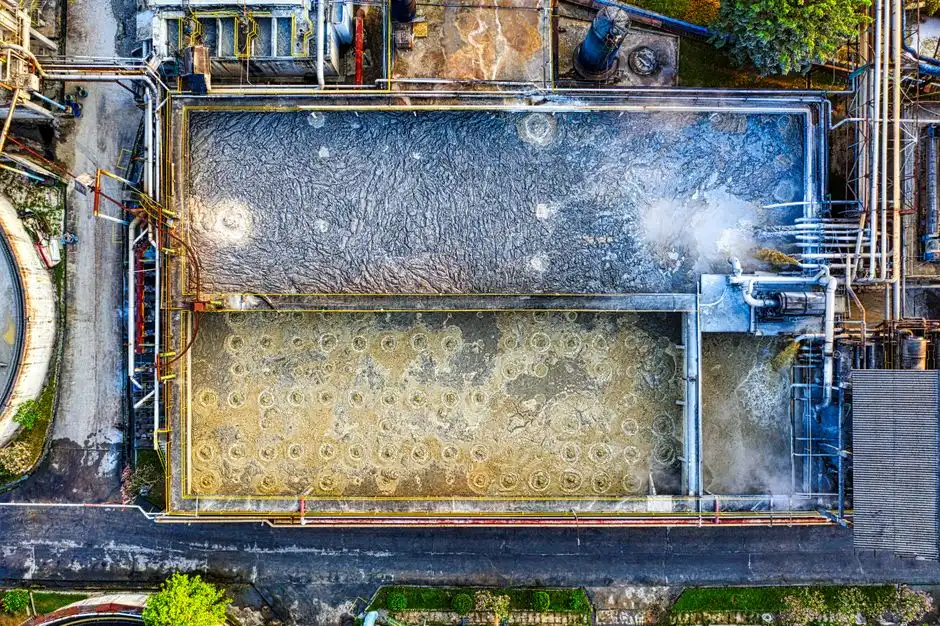
Choose a buried WSZ A/O package when the estate needs a compact residential solution, below-grade installation is feasible and the approved duty falls within the published 1–80 m³/h range. Its integrated process and below-grade arrangement make it a credible screening option, subject to access, excavation and effluent-route constraints.
Choose MBR when membrane separation, advanced treatment or reuse potential is central and the approved flow falls within the published 10–2,000 m³/day range. Require the supplier to substantiate the membrane configuration and long-term maintenance provisions rather than relying on the general footprint and filtration claims.
Retain a conventional sewer connection or hybrid arrangement where central infrastructure is available, the estate scale is unsuitable for decentralized treatment, or network and treatment constraints make the package uneconomic. The package plant should be evaluated on the complete estate wastewater collection system rather than as an isolated vessel.
The final choice requires local-authority engagement, site investigation, verified flow calculations, confirmation of the effluent route and a total-cost review. This is a screening framework, not a substitute for a signed process design, tender evaluation or regulatory approval.
Frequently Asked Questions
What packaged sewage treatment plant fits a housing development in Harare, Zimbabwe?
There is no universal choice. A buried WSZ A/O package is a screening candidate where residential treatment can be installed below grade and the duty fits its published 1–80 m³/h range. An MBR is a screening candidate where membrane separation or advanced reuse is important and the duty fits its published 10–2,000 m³/day range. Confirm the choice against verified average and peak flows, incoming wastewater characteristics, site conditions and the approved effluent route.
How much does a packaged sewage treatment plant cost for a Harare housing development?
Request a site-specific quotation rather than a generic unit price. Require separate prices for equipment, civils, estate wastewater collection, power, controls, chemicals, commissioning, training and sludge handling, followed by lifecycle categories for energy, maintenance, replacement, insurance and rehabilitation. Ask whether local civils are included in the bid. Springer’s 2016 study reports that collection can account for 60–70% of a conventional centralized system’s total project cost, so excluding civils and collection can distort the comparison.
How should a developer select a packaged sewage treatment supplier?
Check whether the supplier can substantiate the selected duty point, identify comparable reference projects, define commissioning acceptance criteria, provide local service support and guarantee spare-parts access. Request an operating concept showing automatic operation, alarm escalation, routine inspections and solids removal. The same checks should cover how the supplier handles phased development and future-flow growth.
What compliance and reuse documents should be obtained before approval?
Obtain confirmation of the proposed effluent destination, the applicable Harare sewer connection or discharge approval route, and the required effluent quality. Record whether the intended use is irrigation, estate amenity or discharge. Springer’s 2016 study notes that applicable Zimbabwean legislation and planning requirements must be considered, while Wageningen’s three-step strategy places source reduction, reuse-directed treatment and disposal in that order. Do not treat a supplier’s “near-reuse” description as regulatory approval.