
Which packaged plant fits a Caracas housing development?
No single packaged sewage treatment plant can be selected for a Caracas housing development from unit count alone. The two defensible starting points are the buried WSZ A/O integrated sewage treatment plant and the containerized integrated PVDF MBR wastewater treatment system. WSZ is the stronger fit where land is limited, the development remains within its 1–80 m³/h capacity range, and membrane-level solids separation is unnecessary; MBR merits review where reuse, tighter solids separation, or tighter discharge control justifies its 10–2,000 m³/day capacity and greater process demands. Final selection requires verified peak and average flows, wastewater sampling, groundwater conditions, available footprint, discharge point, sludge route, backup power, and current authority requirements. Caracas’ historical housing expansion and wastewater-service deficit support decentralized treatment, but they do not establish plant size or compliance without project-specific evidence.
The Venezuela wastewater treatment location guide provides the relevant regional context, but the plant decision must follow the project’s hydraulic and regulatory basis. Do not let a catalog capacity stand in for a design flow or let a regional infrastructure problem substitute for confirmation of the receiving point.
What the Caracas housing context changes
Historical Caracas evidence supports decentralized treatment as a response to a documented service gap, but it cannot serve as current plant-sizing criteria. On the 2001 Census basis cited by the UK government-supported The Case of Caracas study, 78.5% of housing units were connected to sewer systems and 13% to septic tanks, while wastewater was not treated because the area had no treatment plant. Those figures describe a historical condition and identify a service problem; they do not establish the present flow, effluent quality, or regulatory route for a new development.
The same study identifies PUI-Tuy as a rapidly growing peri-urban housing area with major wastewater-disposal problems. It reports 534,752 people in PUI-Tuy, representing 12.7% of the Caracas Metropolitan Region population, and average population growth of 3% per year from 1990 to 2001. These are historical figures with a defined population scope, not a forecast for the proposed estate. Using them as current design criteria would create an unsupported demand model.
The practical response is phased design. Establish current occupancy, dwelling-unit mix, occupancy assumptions, development phases, and the expected expansion path of the treatment plant. The study also states that the new local-autonomy framework allowed municipal authorities to regulate growth and provide public utilities including sanitation and wastewater disposal. That institutional change is relevant to the permit pathway, but the competent authority and applicable requirements must still be identified for the current project.
Planning policy also affects project phasing. The University of Rhode Island master’s thesis, Expanding Affordable Housing in Caracas, Venezuela: A Mixed-Income Housing Policy for the Caracas’ Urban Core (2002), documents long-standing concern with mixed-income housing in Caracas’ urban core. It supports awareness of housing-policy context, but a 2002 policy thesis is not a current wastewater engineering standard.
Compare the two treatment architectures
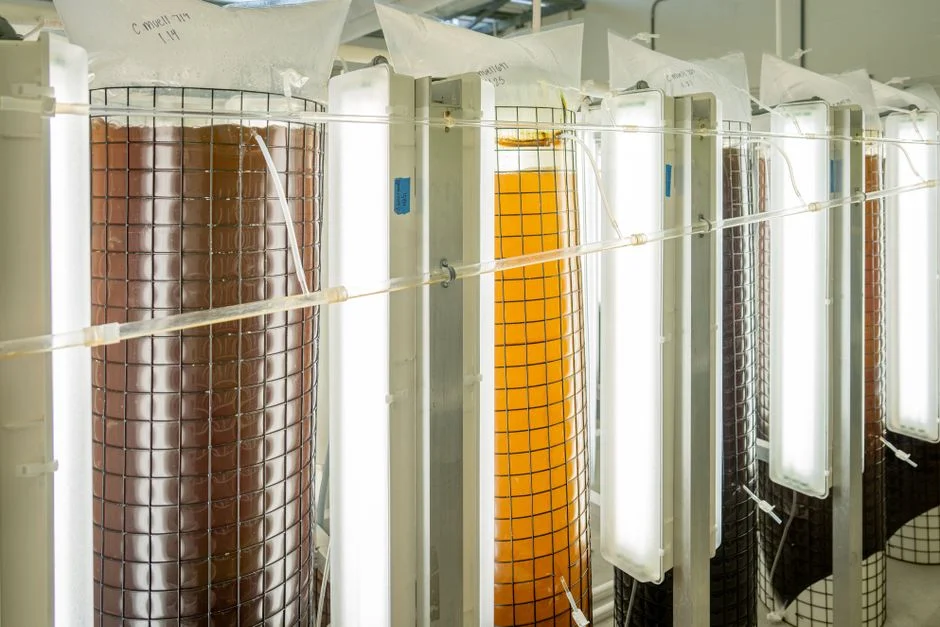
The primary architectural difference is whether the project prioritizes a compact buried biological treatment train or membrane-assisted separation with higher process demands. WSZ combines anoxic/aerobic biological contact oxidation, sedimentation, and disinfection in a single buried package, while MBR combines activated sludge with submerged PVDF membrane filtration. Their catalog ranges must be normalized before comparison: 1–80 m³/h is an hourly envelope, whereas 10–2,000 m³/day is a daily envelope.
| Selection factor | Buried WSZ A/O package | Containerized integrated PVDF MBR |
|---|---|---|
| Catalog capacity | 1–80 m³/h | 10–2,000 m³/day |
| Treatment sequence | Anoxic/aerobic biological contact oxidation, sedimentation, and disinfection | Activated sludge with submerged PVDF membrane filtration |
| Installation | Buried below grade, with landscaping above; a trailer-mounted option also supports mobile deployment | Containerized system |
| Best-fit conditions | Land-sensitive residential development within the flow envelope | Membrane separation, reuse readiness, or tighter discharge control is justified |
| Principal project workstream | Buried works, groundwater, access, collection, discharge, and service arrangements | Membrane operation, controls, maintenance, power, and specialized support |
The buried WSZ integrated sewage treatment plant offers a space-efficient route for residential sites, but its trailer-mounted option does not remove the need for collection, pretreatment, effluent conveyance, discharge arrangements, or operating support. Installation mode should follow site access and construction constraints rather than serve as an independent selection criterion.
The integrated PVDF MBR wastewater treatment system is marketed with near-reuse-quality effluent below 1 μm filtration and a 60% smaller footprint than conventional systems. Neither claim establishes unrestricted reuse: eligibility depends on the intended reuse application and current authority approval. Membrane separation also creates membrane cleaning, replacement, control, and support requirements that must be priced and assigned.
Solids management applies to both systems. Biological treatment produces sludge, so the design must identify thickening, storage, dewatering, transport, and disposal arrangements. A compliant liquid-treatment train does not compensate for an undefined sludge route.
Build the sizing basis before selecting equipment
A defensible selection begins with measured demand and treatment objectives, not unit count. Collect current and forecast population, dwelling-unit mix, occupancy assumptions, and development phases. Then document average daily flow and peak-hour or peak-day flow through metered records, collection-system calculations, and site investigation. Confirm inlet characteristics by sampling; do not assume that a residential sewage stream will automatically meet the design conditions implied by a generic domestic-strength calculation.
Define the outlet before selecting the process. Sewer discharge, controlled effluent reuse, irrigation, groundwater protection, and other receiving routes each require different water-quality and authority checks. A plant advertised as suitable for one outlet should not be accepted for another without confirming the relevant conditions and approval.
| Required input | Evidence the buyer should obtain | Decision affected |
|---|---|---|
| Demand | Current occupancy, unit mix, phases, average flow, peak-hour flow, and peak-day flow | Hydraulic capacity and expansion arrangement |
| Inlet quality | Sampling results and observed solids, rag, grease, and debris conditions | Pretreatment and biological treatment suitability |
| Treatment objective | Receiving point, reuse application, and current authority requirements | Process train and effluent criteria |
| Site | Footprint, unit envelope, excavation access, groundwater, flood exposure, power, odor control, effluent conveyance, and sludge-removal access | Installation method and operating feasibility |
| Solids route | Storage, removal, dewatering, transport, and disposal responsibilities | Whole-life scope and compliance |
Map the site before accepting a buried arrangement or containerized layout. Excavation conditions, groundwater, flood exposure, access, power availability, odor control, and maintenance access can eliminate an otherwise hydraulically suitable package. If preliminary screening and grease or solids control are needed to protect biological or membrane processes, consider the GX rotary mechanical bar screen as a pretreatment reference. Its inclusion should follow inspection of the incoming wastewater and protection requirements for the selected downstream process.
Keep the sizing calculation visible: compare verified average and peak requirements with the selected equipment’s hydraulic envelope after converting all flows to consistent units. Do not infer treatment adequacy from catchment area, unit count, or the catalog range alone.
Use a weighted decision framework
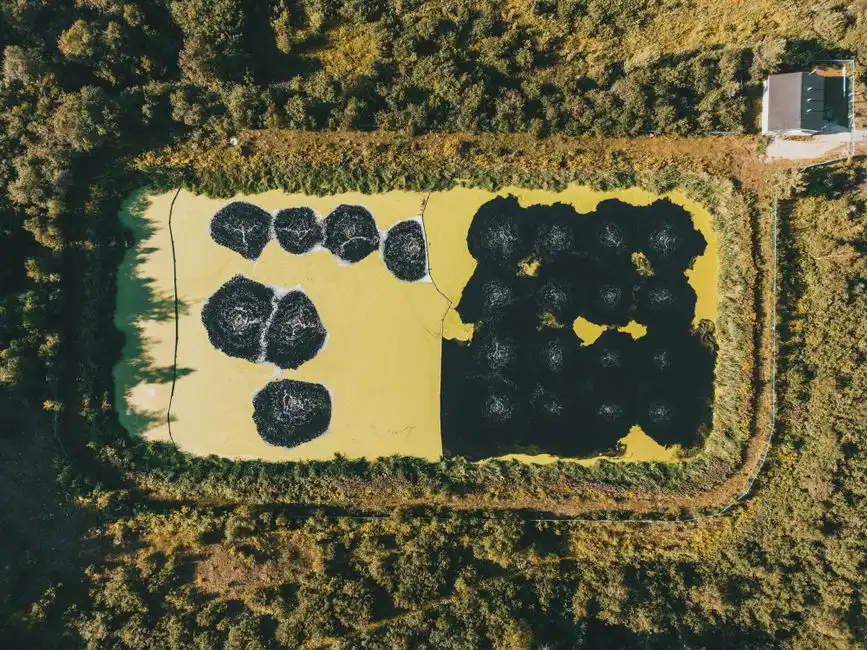
A weighted comparison is more defensible than selecting the lowest purchase price or assuming the most advanced process is automatically the lowest-risk option. Both architectures should receive the same project-specific scores after current site data and supplier proposals are available. Regulatory acceptance, verified flow coverage, effluent objectives, footprint, installation conditions, operating complexity, energy and backup-power needs, sludge handling, capital cost, and lifecycle cost all affect the outcome.
| Criterion | Evidence required | Selection effect |
|---|---|---|
| Regulatory acceptance | Current authority confirmation, receiving-point criteria, and proposed permit conditions | Pass/fail screen before detailed comparison |
| Verified flow coverage | Average and peak flows with development phases | Confirms whether the architecture can serve the project |
| Effluent objectives | Required quality for discharge or the proposed reuse application | Determines whether membrane separation is necessary |
| Footprint and installation | Survey, unit envelopes, excavation access, groundwater, flood and power data | Tests physical feasibility |
| Operation and maintenance | Process controls, operator capability, service support, consumables, and spare parts | Tests lifecycle delivery capability |
| Sludge and residuals | Removal, storage, dewatering, transport, and disposal plan | Confirms that the complete system is operable |
| Cost | Like-for-like scoped quotations and lifecycle assumptions | Compares total delivery risk, not only acquisition price |
Select WSZ when verified flows fit 1–80 m³/h, a compact buried installation is valuable, and membrane-level solids separation is not required. Select MBR when the wastewater fits 10–2,000 m³/day, membrane separation or reuse readiness is essential, and the project can support the associated maintenance and control requirements.
Cost must remain quotation-dependent because the supplied research contains no validated Caracas packaged-plant price. Request separate bid items for freight, civil works, installation, commissioning, training, imported-equipment support, spare parts, chemicals or membrane replacement, backup power, sludge handling, and long-term service. This produces comparable offers and exposes costs that a headline equipment price can conceal.
Plan commissioning and long-term operation
Performance depends on a controlled handover sequence, not delivery alone. The sequence should cover requirements confirmation, site and utility survey, detailed design, factory testing, delivery, installation, wet commissioning, performance verification, operator handover, and scheduled monitoring. Each stage needs an owner, acceptance record, and defined input or output.
The residential supplier workflow described by communitysewer.com provides a useful implementation sequence: information gathering, regulatory research, project-specific engineering, build and shipment, installation and startup, and a follow-up assessment after twelve weeks to confirm treatment levels and address deficiencies. The exact commercial and contractual responsibilities still need to be assigned in the Caracas procurement.
| Stage | Minimum record | Decision or acceptance point |
|---|---|---|
| Requirements and design | Flow basis, inlet sampling, outlet criteria, site survey, authority consultation, process drawings | Approve the treatment basis before equipment manufacture |
| Factory testing | Inspection and test records for the specified package | Identify discrepancies before shipment |
| Installation and wet commissioning | Installation record, utilities, controls, hydraulic checks, operator training | Confirm the installed system is ready for process loading |
| Performance verification | Sampling points, test methods, witnessed results, operating conditions, remedial record | Accept against contracted criteria and remedies |
| Operation | Inspection, sludge removal, power and control checks, disinfection monitoring, consumables, spares, incident response | Maintain performance and address abnormal flows or results |
The Caribbean regional workshop proceedings from 1998 provide a delivery-risk reminder: effective implementation requires cooperation and coordination among international, regional, national, and local entities, the private sector, and donor institutions, supported by adequate funding and institutional capacity. Those historical findings remain relevant to coordination risk, but they are not a substitute for current Venezuelan institutional requirements.
Define contractual acceptance precisely. Identify sampling points, test methods, witnessed tests, acceptance criteria, operating conditions, remedies for non-compliance, and the party responsible for commissioning and after-sales support. Without those terms, the buyer cannot distinguish verified performance from an equipment demonstration.
Frequently Asked Questions
What is the cost of a packaged sewage treatment plant for a Caracas housing development?
A valid cost comparison requires a scoped quotation because the supplied research contains no verified packaged-plant price for Caracas. Request separate prices for equipment, freight, import handling, civil works, installation, commissioning, training, backup power, sludge handling, consumables, spare parts, membrane replacement if applicable, and long-term service. Compare bids using the same flow basis, installation conditions, effluent objectives, warranty, and exclusions.
How do the WSZ and MBR capacities determine which plant is sized for the development?
The WSZ catalog range is 1–80 m³/h; the MBR catalog range is 10–2,000 m³/day. These units must be converted consistently before comparison. Neither range proves fit: the selected plant must cover verified average flow, peak-hour flow, peak-day flow, and phased development conditions with the treatment objectives actually required.