
DAF or full ETP? Start with the factory's wastewater profile
A Dubai factory usually needs a DAF unit when its wastewater contains floatable oils, grease, suspended solids or colloids and primary clarification is required before biological treatment or discharge. A full industrial ETP is needed when the stream also requires biological organics removal, pH correction, filtration, disinfection or reuse. Under UAE.S 885, sewer-discharge targets cited by Spans are BOD <30 mg/L, COD <250 mg/L, TSS <100 mg/L, oil and grease <10 mg/L and pH 6–9. The correct choice must be based on representative wastewater tests, average and peak flows, contaminant loads, available space and the intended reuse route—not flow capacity alone.
DAF is a physical separation process: clarified water is pressurised, saturated with air and released into a flotation tank, where microbubbles attach to suspended particles, oil droplets and grease. The combined bubble-particle material rises and is mechanically skimmed. Krofta Engineering explains that saturation typically occurs at 40–70 psi and that the released microbubbles are typically 10–100 microns; its guide does not provide a publication date, so these values should be treated as design references rather than current site-specific guarantees.
An industrial ETP is not one machine. It is a treatment train selected around the factory’s effluent and destination, potentially combining screening, equalisation, pH correction, coagulation and flocculation, primary clarification, biological treatment, filtration, disinfection and sludge handling. If the governing contaminant is floatable material, DAF is the primary candidate. If soluble biodegradable organics remain after clarification, biological treatment is required. If the objective is dissolved-salt control or water recovery, the scope must extend to RO or zero liquid discharge.
Before requesting prices, obtain representative samples by production stream, average and peak flows, batch and clean-in-place discharge information, the current discharge or reuse destination, available footprint and utility requirements. Gulf Water Treatment recommends assessing BOD, COD, TSS, pH, oil and grease, heavy metals and, where relevant, sulphates and fluorides. For an initial scope comparison, review the industrial DAF system for Dubai wastewater pretreatment and the 2026 DAF selection and sizing framework.
Match the discharge destination to the required effluent quality
The destination determines the required treatment intensity: UAE.S 885 values cited by Spans Envirotech are sewer-network limits, while UAE.S 999 surface-water limits are more stringent. Reuse standards can be stricter again, so the buyer must obtain the permit or reuse specification from the relevant authority rather than infer compliance from a generic UAE specification.
| Destination or reuse route | Technical implication | Information to confirm before specification |
|---|---|---|
| Municipal sewer | Primary clarification plus biological and tertiary treatment may be needed to meet BOD, COD, TSS, oil and grease and pH conditions. | Authority-specific permit, sampling method and connected sewer conditions. |
| Surface water | UAE.S 999 limits cited by Spans are more stringent than UAE.S 885 sewer limits. | Written discharge consent, receiving-water conditions and monitoring requirements. |
| Cooling, irrigation or toilet flushing | Spans identifies biological and tertiary treatment as suitable routes for these reuse applications. | End-use water quality, site-specific treatment standard and disinfection requirement. |
| Restricted or unrestricted reuse | Stricter reuse conditions may require MBR or other membrane-based polishing. | Approved reuse specification and any third-party verification protocol. |
Spans describes MBR permeate with TSS typically below 1 mg/L in its cited configuration, suitable for applications including cooling towers, boiler makeup, toilet flushing and landscaping. That is an equipment configuration referenced by the supplier, not a universal output. Similarly, Spans cites UAE ambient temperatures of 25–48°C and notes their effect on biological kinetics, aeration, dissolved-oxygen management and membrane fouling. Any guarantee should therefore state the incoming condition, operating condition, sampling point, test method and worst-case duty for which the promised effluent quality applies.
Compare DAF, ETP and combined treatment trains
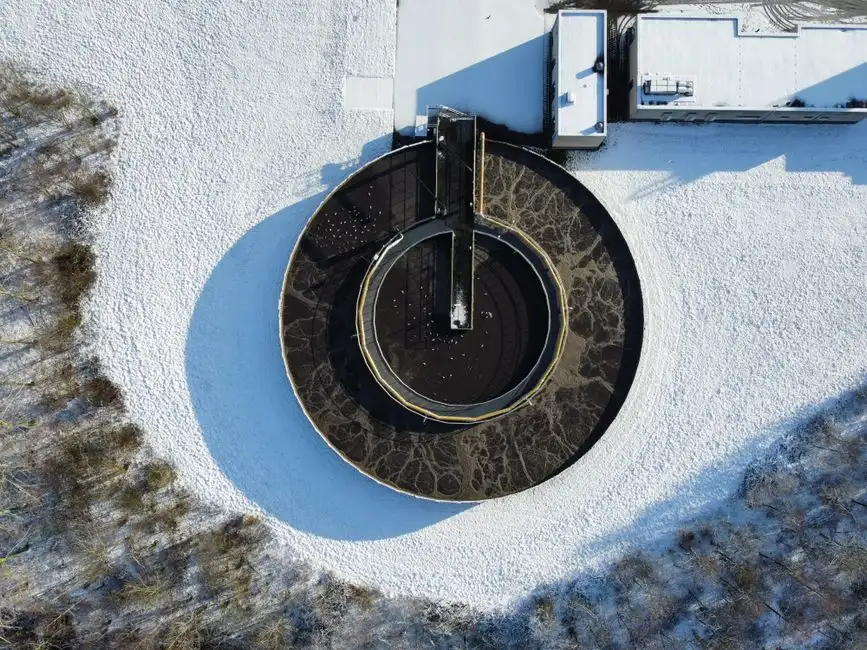
Standalone DAF is appropriate where the treatment objective is suspended solids removal, FOG removal, oil and grease separation, or colloidal-matter capture before another process. HydropureWater’s published range covers 4–300 m³/h across 13 standard models, but the selected unit must be checked against hydraulic flow and contaminant loading. Krofta Engineering states that DAF design depends on flow rate, contaminant load and required effluent quality.
| Option | Principal role | What it does not solve by itself | Procurement focus |
|---|---|---|---|
| Standalone DAF | Removes suspended solids, oil, grease, FOG and floatable or colloidal material through flotation and skimming. | Does not constitute biological treatment for soluble biodegradable BOD or COD; it does not reliably remove dissolved salts, pathogens or many dissolved contaminants. | Hydraulic and solids-loading checks, recycle arrangement, skimming, sludge handling and pressure-saturation basis. |
| Full ETP | Combines equalisation, primary treatment, biological treatment, clarification, tertiary polishing and sludge management as required. | A generic package may omit treatment needed for industry-specific contaminants or reuse requirements. | Process calculations, biological design, tertiary treatment, controls, civil interfaces and utility consumption. |
| DAF plus biological and tertiary treatment | Removes floatables before biology, reduces biodegradable organics and polishes the final effluent. | Does not necessarily control dissolved salts or meet restricted reuse without further membrane treatment. | Integrated hydraulic and load balance across every stage. |
| MBR, RO or ZLD extension | MBR provides compact biological separation and polishing; RO removes dissolved contaminants; ZLD targets high recovery and no liquid discharge. | Adds pretreatment, energy, membrane maintenance, concentrate or residue-management requirements. | Confirmed product-water quality, recovery basis, concentrate route and pretreatment compatibility. |
Spans identifies equalisation, DAF, biological treatment and tertiary polishing for variable food-processing and FMCG effluent with BOD of 500–8,000 mg/L, FOG and clean-in-place-driven pH swings. Build format is a separate selection: Gulf Water Treatment lists containerised, packaged, skid-mounted and civil-built ETPs. Capacity, permanence and available space determine the appropriate format. For water reuse, evaluate an integrated MBR wastewater treatment system; for dissolved contaminants, review industrial reverse osmosis water purification. Chemical dosing should be engineered with the process using an automatic chemical dosing system.
Build the treatment train from the factory's contaminants
A defensible treatment train follows the contaminant pathway rather than a preferred machine. First segregate clean cooling water where practical. Then screen and equalise variable flows, correct pH and add coagulant or flocculant only where testing demonstrates a treatment need. DAF handles floatables and settleable material; biological treatment addresses remaining biodegradable organics; filtration or membrane treatment polishes the water; disinfection is added where the reuse route requires it; and sludge is thickened and dewatered.
| Stage | Treatment objective | Sizing or selection input |
|---|---|---|
| Screen | Removes rags, packaging and other large material. | Maximum flow, debris type and screen opening size. |
| Equalisation | Reduces batch, cleaning and production-flow variability. | Average flow, peak flow, batch volume and operating profile. |
| pH correction and chemical dosing | Creates suitable conditions for coagulation, flocculation, biology or discharge. | pH range, alkalinity, contaminant load and chemical demand. |
| DAF | Removes suspended solids, FOG, oil and grease and floatable material. | Flow, floatable loading, solids loading and target clarified-water quality. |
| Biological treatment | Reduces biodegradable BOD and COD. | Organic load, nutrients where relevant, temperature and aeration requirements. |
| Filtration | Polishes residual solids before discharge or reuse. | Post-biological solids, required filtrate quality and backwash route. |
| Disinfection | Controls microbial load for the specified reuse route. | Reuse standard, contact requirements and site utilities. |
| RO or ZLD | Controls dissolved contaminants, concentrates brine or eliminates liquid discharge. | Feed-water analysis, recovery target, concentrate disposal and pretreatment needs. |
| Sludge dewatering | Separates water from treatment solids for handling or disposal. | Solids generation, moisture target, operating hours and residue route. |
FOG-heavy kitchen, catering and food-processing streams normally require DAF upstream of biology so grease does not overload the biological stage. High-BOD streams require equalisation and biological capacity to handle variability. Spans cites UAE ambient temperatures of 25–48°C and the resulting aeration, dissolved-oxygen and membrane-fouling considerations. Textile, metalworking, petrochemical, pharmaceutical and other industrial streams need contaminant-specific analysis before choosing coagulation, flotation, biology or filtration. For reuse or dissolved-salt control, Spans cites RO combined with MEE or MVR evaporation and more than 95% water recovery in its ZLD systems. Screening and solids handling can be evaluated through the GX-series rotary mechanical bar screen and plate-and-frame filter press.
Size the system from tested loads, not nominal flow
Representative sampling determines whether the treatment train will work at the factory’s worst operating condition. Sampling should cover normal production, cleaning, batch dumps and peak periods; a single grab sample or annual average flow is not an adequate design basis. Each stream should be characterised separately before flows are combined.
| Input required for sizing | Why the supplier needs it |
|---|---|
| Representative laboratory analysis | BOD, COD, TSS, oil and grease, pH and temperature; heavy metals, sulphate and fluoride where relevant to the process. |
| Hydraulic profile | Average flow, peak flow, batch volume, operating hours and equalisation requirement. |
| Load profile | Contaminant mass per day and the duration of cleaning or batch discharges. |
| Final destination | Permit limits, reuse specification, sampling protocol and required disinfection. |
| Site constraints | Footprint, utilities, installation access, waste or concentrate route and local construction requirements. |
The published equipment bands below are reference offerings, not universal design solutions:
| Published equipment range | Source |
|---|---|
| DAF systems: 4–300 m³/h | HydropureWater product information |
| Containerised ETPs: 5–200 m³/day | Spans Envirotech UAE project description |
| DAF systems: 5–500+ m³/hr | Spans Envirotech UAE project description |
| Integrated MBR systems: 10–2,000 m³/day | HydropureWater product information |
Ask each supplier to identify the selected flow basis, duty assumptions, process calculations, materials of construction, drive and blower arrangement, controls, surface-loading basis, design margins and sludge-handling method. For DAF, hydraulic capacity must be checked against measured solids and floatables loading. For biological stages, ambient temperature must be considered with aeration and dissolved-oxygen requirements. Spans cites 25–48°C operating temperatures for its UAE treatment scope, so biological performance cannot be evaluated independently of site conditions.
Specify equipment, guarantees and delivery for a Dubai site
A quotation becomes technically comparable only when each supplier defines the same treatment scope and performance basis. Require the treatment train, process calculations, incoming wastewater basis, guaranteed outgoing parameters, sampling points, test protocol, utility demand, controls scope and civil exclusions. A guarantee should state the confirmed permit condition and the worst-case operating condition; otherwise it cannot be tested reliably.
| Procurement package | Information required in the quotation |
|---|---|
| DAF technical basis | Pressure-saturation basis, bubble range, recycle-flow arrangement, skimming method, tank material, corrosion protection and solids-handling capacity. |
| ETP process design | General arrangement, equalisation calculation, biological design basis, aeration calculation, sludge volume, dewatering route and tertiary-treatment scope. |
| Controls and utilities | PLC or SCADA scope, alarms, power demand, blower arrangement, air demand, chemical consumption, water and drain connections. |
| Build and installation | Containerised, packaged, skid-mounted or civil-built format; transport route, foundations, access, connections and local construction obligations. |
| Commissioning and handover | Installation, performance testing, operator training, spares, remote support, maintenance scope and performance-test acceptance criteria. |
| Commercial exclusions | Civil works, chemicals, power supply, disposal routes, permits, third-party testing and post-commissioning staffing. |
Align the build format with the factory’s permanent status, footprint and construction constraints, but do not use format as a substitute for process sizing. Confirm who handles electrical connections, tank foundations, chemical storage, site drainage, sludge removal, waste disposal and regulatory submissions. The comparison should also state delivery lead time against the factory’s production shutdown or construction programme. These details distinguish a usable offer from an incomplete equipment quotation. For the primary-treatment package, the industrial DAF system for Dubai wastewater pretreatment specification should be reviewed against the measured wastewater and destination before acceptance.
Make the final recommendation
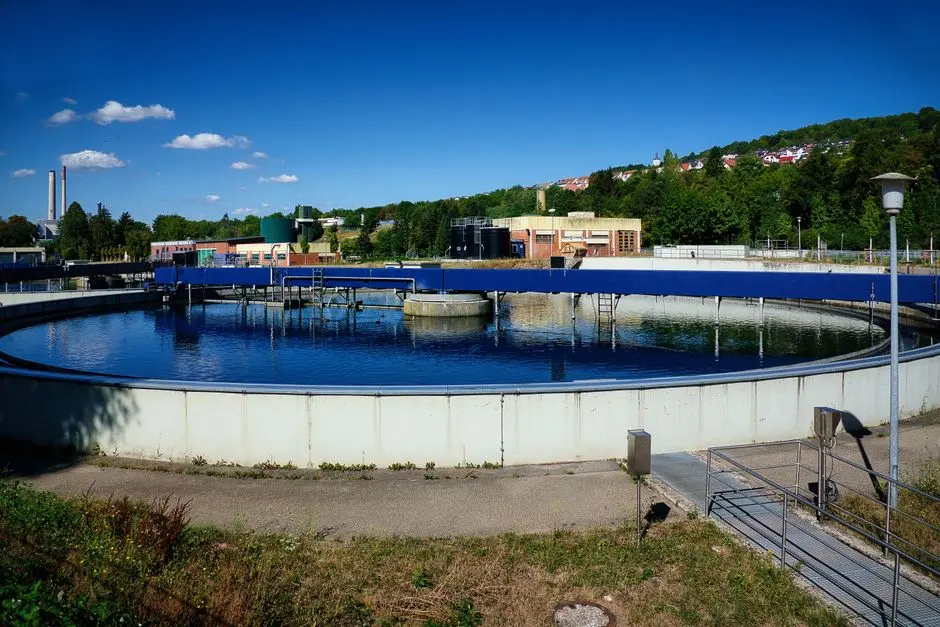
The final selection follows the governing treatment objective, not the name of the equipment. DAF alone is defensible when floatable materials, FOG and suspended solids are the required treatment targets and the clarified water can lawfully proceed to discharge or the next stage. A complete ETP is required where BOD and COD reduction, variable biological loading, stable discharge quality or multi-stream treatment is needed.
| Factory condition | Recommended scope |
|---|---|
| Oil, grease and floatable solids require primary clarification. | DAF with chemical dosing, sludge handling and equalisation where variability requires it. |
| High and variable BOD and COD remain after primary treatment. | ETP with equalisation, primary treatment, biological treatment, clarification and tertiary polishing as required. |
| Food or FMCG wastewater combines FOG, suspended solids, high BOD and pH swings. | DAF followed by biological treatment and tertiary polishing. |
| Confirmed reuse specification requires membrane-quality output. | MBR or membrane-based biological treatment with the required disinfection. |
| Dissolved salts, restricted discharge, high recovery or zero-liquid-discharge objectives apply. | RO or ZLD, with pretreatment and concentrate or residue management. |
The final choice requires a wastewater characterisation study, confirmed permit limits, peak-flow and batch-load data, and a site constraint review. Those inputs should be completed before equipment selection or price comparison.
Frequently Asked Questions
How should a Dubai factory set its budget for a DAF versus a full ETP?
Do not budget from nominal flow alone. Request a staged quotation that separates DAF and pretreatment, biological treatment, tertiary treatment, sludge handling, installation and civil works, then compare each item against the confirmed wastewater profile and destination. No researched quotation provides a defensible universal price, so the buyer should request total installed and operating-cost inputs for the actual flow, load, utilities, chemicals and maintenance scope.
What should a supplier provide to prove that an ETP or DAF system is correctly sized?
Require the selected flow basis, average and peak loads, batch assumptions, process calculations, equipment duty data and guaranteed outgoing parameters. For DAF, request solids and floatables loading checks, pressure-saturation basis, recycle-flow calculation, skimming capacity and sludge handling. For the ETP, request equalisation, biological, aeration, filtration and sludge calculations linked to the incoming analysis and final permit specification.
Can a standalone DAF system meet all UAE effluent requirements?
No general compliance conclusion can be drawn from DAF alone. Spans cites UAE.S 885 sewer limits of BOD <30 mg/L, COD <250 mg/L, TSS <100 mg/L, oil and grease <10 mg/L and pH 6–9, but these are sewer-network values cited by Spans, not universal guarantees for every Dubai factory. A DAF-only scope requires a confirmed permit and evidence that the clarified effluent meets the applicable conditions.
Which supplier offers the lowest technical and compliance risk for a Dubai installation?
Select on demonstrated compliance and execution evidence, not only equipment price or format. Require the supplier to show the selected treatment route, relevant UAE project references, installation and commissioning responsibilities, operator training, performance testing, controls scope, maintenance support and a clear guarantee protocol. Confirm that the proposed unit is sized around the factory’s tested wastewater rather than a one-size-fits-all package.