Chemical Dosing Alternatives Compared for Accuracy and Cost
Chemical dosing alternatives for industrial wastewater typically span automated metering pumps (±1% accuracy), gravity feed (±15%), Venturi injectors (±10%), and electrocoagulation for in-situ coagulant generation. Automated skids usually cost $12,000–$50,000 and suit flows above 50 m³/h when hazardous chemicals or tight permit limits apply.
Plant engineers compare chemical dosing alternatives when chemical spend, permit risk, or labor hours climb. A Bangladesh textile plant cut chemical cost 32% after switching from manual to automated feed, per a 2023 IWA report. Calibrated diaphragm or piston pumps commonly hold ±1% delivery accuracy, while gravity and Venturi trains often drift ±10–15% as head, viscosity, or line pressure changes.
That gap matters for chlorine, PAC, and strong acids or bases used in continuous pretreatment. Under-dosing can miss pretreatment or NPDES limits, while over-dosing raises toxicity and sludge load. Most plants we size above 50 m³/h therefore keep PLC-paced pumps on critical reagents and reserve simpler injectors for non-critical makeup streams.
How Automated Chemical Dosing Systems Work
Automated chemical dosing systems meter reagents with diaphragm or piston pumps driven by flow, pH, ORP, or residual signals. According to the U.S. EPA Nutrient Control Design Manual (2010), metering pumps are diaphragm or plunger type, and diaphragm units with relief valves are preferred for liquid feed duty.
Diaphragm pumps typically cover 0.1–2,500 L/h at about 1–10 bar and stay leak-tight on many corrosive fluids. PVDF wetted parts suit many acids, while stainless steel suits many solvents. Piston pumps reach higher pressures but wear faster on abrasive slurries. Pulse-width modulation (PWM) commonly delivers ±1% accuracy by pacing stroke length and frequency, whereas older panels still use 4–20 mA loops. Profibus or Modbus fieldbus supports SCADA alarms and recipe changes on newer skids.
Theoretical flow follows Q = Stroke Volume × Stroke Frequency × Volumetric Efficiency under steady suction conditions. Annual recalibration under ISO 17025 metering-pump practice can hold drift below 2%, per a 2024 Grundfos whitepaper cited by OEMs. EPA (2010) notes loss-in-weight gravimetric feeders can reach up to 99 percent accuracy, which is why high-value dry feeds often use gravimetric rather than volumetric screws.
| Parameter | Typical Range | Impact on Accuracy |
|---|---|---|
| Flow Rate | 0.1 – 2,500 L/h | Higher flow rates can sometimes introduce more variability if not controlled precisely. |
| Pressure Range | 1 – 10 bar | System pressure can affect pump performance; consistent pressure is key for stable dosing. |
| Stroke Length Adjustment | 0–100% | Directly impacts the volume per stroke; fine adjustments are crucial for ±1% accuracy. |
| Stroke Frequency Adjustment | Variable (e.g., 10–180 strokes/min) | Determines the rate of delivery; higher frequencies require finer control. |
| Control Method | PWM, 4–20 mA, Fieldbus | PWM offers the highest precision; analog signals are less precise; fieldbus allows advanced control algorithms. |
For PLC-paced polymer, PAC, or chlorine feed, plant teams often specify an Automatic Chemical Dosing System skid with calibration columns and secondary containment.
Gravity Feed, Venturi Injectors, and Electrocoagulation Options

Gravity feed systems use tank hydrostatic head to push chemical into the process line at about ±15% accuracy and $2,000–$8,000 capital cost. They fit non-critical pH trim or low-flow disinfection below about 20 m³/h. Venturi injectors pull chemical by vacuum in the main water stream and usually hold ±10% accuracy at $3,000–$12,000 CAPEX. Low-viscosity sodium hypochlorite works well, but polymers and viscous fluids clog the throat.
Electrocoagulation (EC) generates coagulants in situ by electrolyzing sacrificial electrodes and often reaches about 90% TSS removal at $15,000–$100,000 CAPEX. Electrode-driven OPEX sits near $0.20/m³ in many published plant summaries. A Wisconsin dairy plant reported a 60% sludge-volume cut versus chemical coagulation in an EPA 2024 case study cited earlier. Conductivity above about 5,000 µS/cm usually raises energy use and electrode wear, so EC is not a universal substitute for every precipitation chemistry.
| Method | Typical Accuracy | Capital Cost Range | Typical OPEX per m³ | Primary Use Cases | Limitations |
|---|---|---|---|---|---|
| Gravity Feed | ±15% | $2,000 – $8,000 | $0.05 – $0.15 | Non-critical pH adjustment, low-flow disinfection | Low accuracy, pressure dependent, limited chemical compatibility |
| Venturi Injector | ±10% | $3,000 – $12,000 | $0.15 – $0.25 | Low-viscosity chemicals (e.g., hypochlorite), basic disinfection | Prone to clogging with viscous fluids, requires sufficient line pressure |
| Electrocoagulation (EC) | N/A (Treatment Efficiency: ~90% TSS) | $15,000 – $100,000 | $0.15 – $0.30 (electrode replacement) | Heavy metal removal, TSS reduction, sludge volume reduction | High conductivity wastewater limitations, electrode replacement costs, not for all chemical precipitations |
Where coagulant dose must stay tight ahead of clarification, pair metered PAC or polymer feed with high-efficiency DAF systems for chemical pretreatment rather than relying on gravity drip alone.
Accuracy, Cost, and Compliance Side by Side
Automated dosing pumps deliver about ±1% accuracy at roughly $0.40/m³ OPEX, with quarterly maintenance typical in packages we review. Plants dosing hazardous reagents under U.S. EPA 40 CFR Part 403 often need that control above 50 m³/h, and the same holds where EU Industrial Emissions Directive 2010/75/EU duties apply. Gravity feed stays near $0.10/m³ OPEX but needs weekly checks below 20 m³/h. Venturi units sit near $0.25/m³ OPEX with monthly service for 20–50 m³/h low-viscosity feeds. EC OPEX near $0.20/m³ is driven by electrode replacement and often needs daily cleaning.
| System Type | Accuracy | Capital Cost (USD) | OPEX per m³ (USD) | Maintenance Frequency | Compliance Notes | Typical Flow Rate Range (m³/h) | Chemical Suitability |
|---|---|---|---|---|---|---|---|
| Automated Dosing Pump | ±1% | $12,000 – $50,000 | $0.40 | Quarterly | EPA 40 CFR Part 403, EU 2010/75/EU (for hazardous chemicals) | > 50 | Viscous polymers, concentrated acids/bases, hazardous chemicals (chlorine, PAC) |
| Gravity Feed | ±15% | $2,000 – $8,000 | $0.10 | Weekly | Limited for critical parameters | < 20 | Non-hazardous, low-viscosity chemicals (e.g., pH adjusters) |
| Venturi Injector | ±10% | $3,000 – $12,000 | $0.25 | Monthly | General disinfection, basic coagulation | 20 – 50 | Low-viscosity chemicals (e.g., sodium hypochlorite, ozone) |
| Electrocoagulation (EC) | N/A (Treatment Efficiency: ~90% TSS) | $15,000 – $100,000 | $0.20 (electrode replacement) | Daily (cleaning), Periodic (replacement) | Eliminates chemical storage regulations | Variable, often for batch or moderate continuous flow | Heavy metals, TSS, oil & grease; not ideal for all chemical precipitation |
Five-year TCO should include chemical use, calibration labor, downtime, and non-compliance risk, because CAPEX alone understates the true cost. For PAC setpoints and polymer aging limits, use the PAC dosing optimization guide. Export plants comparing discharge codes can cross-check the Thailand wastewater regulations compliance guide when sizing feed accuracy against permit tables.
What Is the Best Chemical Dosing Equipment?
The best chemical dosing equipment for most industrial wastewater trains is a calibrated diaphragm metering pump on a PLC skid when flow exceeds 50 m³/h or the reagent is hazardous. Gravity or Venturi hardware wins only when ±10–15% accuracy is acceptable and the chemical stays low-viscosity and non-critical.
Which Dosing Equipment Fits Water Treatment Plants?
Water treatment plants should match equipment to duty, not to brochure peak accuracy. Use automated metering for chlorine residual, narrow-band pH correction, and polymer ahead of clarification. Keep Venturi injectors for stable hypochlorite makeup lines with adequate motive pressure, and reserve gravity feed for backup or low-consequence streams below 20 m³/h. Choose EC when metal or TSS removal matters more than precise liquid-chemical recipes and electrode logistics are acceptable on site.
Selection Checklist for Engineers and Plant Managers
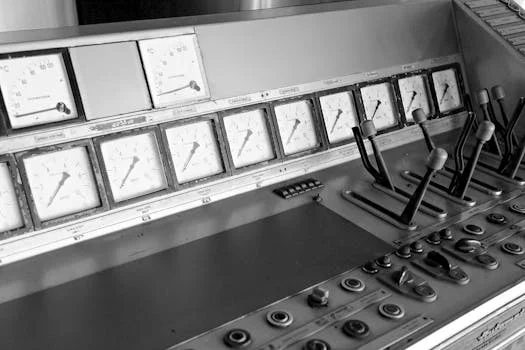
Selection starts with influent flow, chemical class, and the tightest effluent limit on the permit, then compares CAPEX against chemical waste, labor, and calibration burden. High-flow industrial sites usually recover automated-pump CAPEX through lower chemical use, while low-flow or metal-focused sites may justify EC after a pilot. Confirm maintenance capacity early: quarterly pump service is routine, while EC often needs daily electrode attention.
Use this field checklist before freezing the P&ID:
- Peak and average flow (m³/h), including 15-minute spikes.
- Chemical viscosity, solids content, and hazard class.
- Required dose accuracy versus permit or product-quality band.
- Available motive pressure for Venturi, or head for gravity feed.
- Calibration access, secondary containment, and SCADA points.
- Sludge handling cost if EC or high coagulant doses apply.
- Pilot or jar-test proof at actual temperature and conductivity.
Who this is for: EPC teams and plant managers specifying feed systems for continuous trains above about 20 m³/h. Who should look elsewhere: sites that only need occasional drum-pump top-up with no permit-critical residual. Next step: send influent data and target residuals with a request for dosing-system sizing so CAPEX and pump materials can be checked against your chemicals.
Frequently Asked Questions
When should I choose an automated dosing pump over Venturi?
Choose an automated dosing pump when you need about ±1% accuracy on viscous polymer or hazardous chlorine or PAC above roughly 50 m³/h. Venturi injectors suit low-viscosity hypochlorite at 20–50 m³/h when ±10% error is acceptable and motive pressure stays stable. Most industrial pretreatment permits push plants toward metered pumps on critical reagents.
How accurate is gravity chemical feed in practice?
Gravity chemical feed typically holds about ±15% accuracy under steady tank head and clean lines. Accuracy falls further when level drops, temperature changes viscosity, or the injection point sees back-pressure swings. Limit gravity feed to non-critical pH trim or low-flow disinfection below about 20 m³/h, and verify dose with periodic grab residuals.
Does electrocoagulation replace chemical dosing completely?
Electrocoagulation does not replace every chemical dosing duty. EC can cut purchased coagulant storage and often removes about 90% TSS, yet it still needs power and electrode replacement near $0.15–$0.30/m³. High-conductivity wastes above about 5,000 µS/cm can defeat the economics. Keep metered acids, bases, or disinfectants wherever a specific residual is required.
What drives five-year cost more than CAPEX?
Five-year cost is usually driven by chemical use, calibration labor, downtime, and non-compliance risk more than the initial skid price. Automated pumps list near $0.40/m³ OPEX yet waste less reagent at ±1% control. Gravity systems look cheap at about $0.10/m³ until overdosing or permit excursions appear on high-stakes streams.
How often should metering pumps be recalibrated?
Metering pumps on critical wastewater chemicals should be recalibrated at least annually under ISO 17025-aligned procedures, and many plants also check stroke and drawdown quarterly. OEM guidance cited in a 2024 Grundfos whitepaper indicates annual recalibration can keep drift below 2%. Record each calibration against the flow-paced setpoints used in SCADA.