What Makes an ETP in Beira Different from a Standard Industrial Plant?
An effluent treatment plant in Beira must be designed based on the specific industrial wastewater profile, required reuse or discharge quality, groundwater conditions, and site resilience rather than generic flow rates. A documented Beira brewery installation used DACS anaerobic treatment at the core of its effluent process, while the project also faced excessive groundwater and dramatic weather. For industrial plants, a practical train may combine DAF pretreatment, biological treatment, and membrane polishing where reuse is required. HydropureWater equipment options include a 4–300 m³/h DAF system and an MBR system with <1 μm filtration, but final sizing and compliance must be confirmed through representative wastewater testing and permit review.
The Beira brewery case serves as a site-condition reference, not a template for every industrial ETP in Mozambique. Tecroveer reported that DACS anaerobic treatment formed the core of that project, while the team encountered excessive groundwater, difficult site conditions, and dramatic weather. These conditions trigger requirements for explicit checks regarding equipment access, pit and vessel buoyancy, drainage, erosion control, weather protection, and safe maintainability. The same scrutiny should be applied to wastewater treatment engineering guidance for Mozambique.
Do not extrapolate a brewery process to metalworking, textile, food-and-beverage, or other facilities without characterization. The treatment sequence should follow the waste profile and the receiving route. Before selecting equipment, confirm:
- Wastewater composition and variability, including production, cleaning, and shutdown periods.
- Average and peak flow, available footprint, and power reliability.
- Groundwater ingress, drainage, and flood exposure.
- Discharge destination, reuse purpose, and applicable permit conditions.
These inputs form the engineering basis on which suppliers should size equipment and price civil works. Without them, a quotation describes a package rather than a site-ready treatment solution.
Build the Treatment Objective from the Wastewater
An ETP cannot be sized reliably from an average daily effluent flow alone. Request representative sampling across production, clean-in-place, cleaning, and shutdown periods, then establish the parameters that control process selection and equipment loading. The industrial DAF pretreatment system is intended to remove suspended solids, free oil, grease, FOG, and colloidal material; these represent different constraints from biodegradable organic load, nutrients, or dissolved contaminants.
Characterize flow, pH, COD, BOD₅, suspended solids, oil and grease, nutrients, temperature, and toxicity. Add process-specific contaminants, such as metals, dyes, solvents, or cleaning chemicals, where relevant. The wastewater characterization should identify the required removal barriers rather than asking a single technology to solve every problem.
| Confirmed condition | Treatment implication | Buyer evidence |
|---|---|---|
| High suspended solids, oil, grease, FOG or colloids | Add solids and oil removal before biological or membrane treatment. | Representative sampling and oil/grease analysis by operating period. |
| High biodegradable organic load | Evaluate anaerobic and/or aerobic biological treatment using process-specific loading evidence. | COD, BOD₅, flow profile, temperature and process mass balance. |
| Discharge objective | Define the receiving-water criteria, sampling point and required guarantees. | Current Beira permit or receiving-water documents. |
| Controlled reuse, irrigation or higher-grade reuse | Add the physical, biological, membrane and disinfection barriers required by the reuse route. | Reuse specification, end-user requirements and water-quality protocol. |
Direct discharge and controlled reuse require different performance envelopes. For example, Wageningen University and Research investigated constructed wetlands for micropollutant removal from wastewater-treatment-plant effluent in a thesis published on 23 September 2022. That supports wetlands as an investigated option for relevant pollutants, but it does not establish suitability for a specific Beira project without local hydraulic, contaminant, and land-area analysis.
Current Beira discharge limits, receiving-water criteria, and reuse standards must be obtained and cited. The supplied research does not contain verified current Beira limits, so using another jurisdiction’s figures creates compliance risk. The MBR membrane bioreactor for industrial effluent should be evaluated against confirmed effluent criteria rather than an assumed generic specification.
Choose the Right Treatment Train
The correct treatment train assigns each barrier to the process best suited to it. A practical sequence may combine screening and equalisation, DAF or anaerobic pretreatment, biological treatment, membrane polishing, disinfection, and sludge dewatering, but the final sequence must follow the wastewater characterization.
Use DAF where oil, grease, FOG, colloids, or suspended solids could interfere with downstream biological or membrane equipment. HydropureWater’s stated DAF range covers 4–300 m³/h across 13 standard models and uses micro-bubble flotation with automatic skimming. These are catalogue boundaries, not proof that any one model will meet the required duty under the project wastewater.
Use anaerobic treatment only when the waste characteristics support it, as demonstrated by the DACS-based Beira brewery installation. Require process-specific mass-balance and loading evidence rather than treating anaerobic treatment as universally preferable. Where biological treatment and membrane solids separation are required, an MBR can combine them. The referenced MBR provides <1 μm filtration, a stated 60% smaller footprint than conventional systems, and capacities from 10 to 2,000 m³/day. The footprint statement and capacity range are product specifications, not verified Beira field-performance data.
Use ultrafiltration where solids removal and membrane pretreatment are the objectives. The referenced system uses 0.03 μm PVDF membranes, handles 2,000–40,000 L/h, accepts up to 300 ppm turbidity, and provides automatic backwash and air scour. Those parameters must be checked against feed quality and the required flow before inclusion in a quotation.
Nanofiltration or reverse osmosis should be considered only when confirmed effluent and reuse requirements justify the additional pretreatment, pressure, controls, and reject-management burden. A University of Twente thesis identified nanofiltration as a suitable way to polish wastewater-treatment-plant effluent to EU WFD standards for agricultural or direct/indirect potable-use applications. The research does not establish that those standards apply in Beira.
| Process or equipment | Primary role | Selection condition | Supplier evidence required |
|---|---|---|---|
| DAF | Suspended solids, oil, grease, FOG and colloidal removal. | These constituents could foul or overload downstream processes. | Feed analysis, hydraulic duty, flotation performance evidence and skimming arrangement. |
| DACS or other anaerobic stage | Biodegradable organic-load reduction and energy recovery potential. | Wastewater is process-compatible and loading evidence is available. | Mass balance, loading basis, start-up method and biogas-use assumptions. |
| Activated sludge or MBR | Biological treatment with membrane solids separation where required. | The effluent specification requires biological treatment and the selected solids barrier. | Organic and hydraulic loading, sludge age, membrane design and redundancy. |
| UF | Fine solids removal and membrane pretreatment. | Downstream membrane or reuse requirements justify UF. | Feed turbidity range, flux, recovery, cleaning and backwash scope. |
| NF or RO | Dissolved-contaminant polishing. | Confirmed reuse or discharge requirements require it. | Rejection data, pretreatment, pressure, recovery and reject management. |
| Disinfection | Final pathogen barrier. | Required by the discharge or reuse protocol. | Target organism, dose basis, validation method and residual-monitoring requirement. |
Include disinfection as a separate decision. Biological treatment is not automatically the final microbial barrier. Equipment suppliers should state how UV intensity, lamp fouling, power interruptions, and validation are addressed for the confirmed reuse or discharge requirement.
Turn Equipment Specifications into a Site-Ready Design
Hydraulic sizing must be based on the confirmed peak flow and operating redundancy, not the upper limit of a catalogue range. Catalogue capacities establish selection boundaries; the design must also show equalisation, hydraulic losses, maintenance access, standby strategy, and the treatment units responsible for peak-load performance.
The groundwater and weather conditions reported for the Beira brewery project should be treated as a procurement warning. The civil design must address drainage, groundwater, erosion, corrosion protection, safe access, weather protection, and maintainability. Where the authority named in the project brief has jurisdiction, obtain the applicable current permit and site requirements rather than relying on general guidance. Civil exclusions should be listed explicitly in every offer.
| Design area | Minimum supplier commitment | Procurement check |
|---|---|---|
| Hydraulics | Design average and peak flow, duty allocation and operating redundancy. | Does the stated capacity correspond to the confirmed peak condition? |
| Groundwater and drainage | Site-specific civil and installation assumptions. | Are buoyancy, infiltration, erosion and stormwater interfaces priced? |
| Pretreatment | Screen location, duty, solids handling and downstream protection. | Are debris removal and screenings disposal included? |
| Controls and utilities | Instrumentation, power-failure strategy, remote status and alarms. | Are utility requirements and manual operating access defined? |
| Sludge | Generation, storage, conditioning, dewatering and disposal route. | Is the residual destination and required cake condition confirmed? |
Define pretreatment responsibilities clearly. A rotary mechanical bar screen can protect downstream pumps, valves, and biological treatment by removing suspended solids, rags, plastics, and fibrous debris, but the screen’s operating mode, extracted-screen handling, and maintenance access must be included in the design.
Define sludge handling within the ETP scope. The referenced plate-and-frame filter press supports municipal and industrial sludge dewatering with filtration areas from 1 m² to 500 m² and manual, hydraulic, or fully automatic PLC-controlled operation. The selected arrangement must match the actual sludge characteristics, expected cycle, polymer demand, filtrate return, and final disposal route.
Controls should cover pump sequencing, levels, alarms, remote status, power-failure response, and manual access. Ask how the plant behaves during outages, high flow, chemical-delivery failure, and membrane cleaning, because equipment availability depends as much on those operating provisions as on nominal capacity.
Compare Quotes Using a Common Engineering Scope
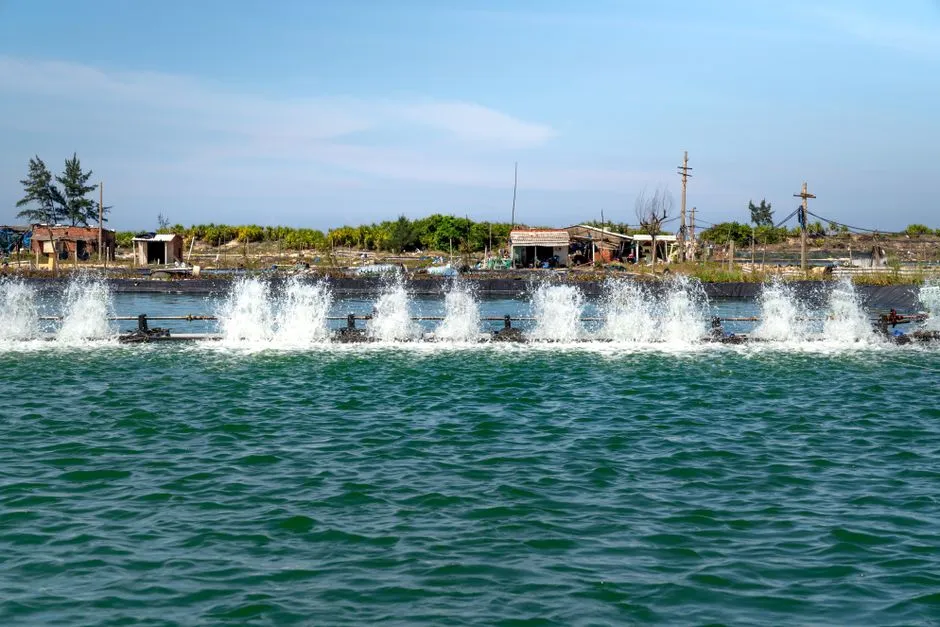
A comparable quotation must state the same design basis, process scope, utilities, civil works, and acceptance criteria. The supplied research contains no verified current Beira discharge limit or project price, so a defensible budget cannot be produced from generic equipment rates. Request a quotation after the waste characterization, peak flow, treatment objective, and site survey are available.
| Required quotation field | Question the supplier must answer | Commercial control |
|---|---|---|
| Design basis | What design influent, peak flow, operating hours and redundancy apply? | Reject offers based only on average flow or a catalogue range. |
| Process and performance | Which unit controls the guarantee, and under which operating conditions? | Separate equipment warranties from whole-plant performance guarantees. |
| Civil and installation | What site works, utilities, foundations and access are included or excluded? | List exclusions and post-site-review price-change mechanisms. |
| Compliance evidence | Which current permit, reuse standard and monitoring method apply? | Require the applicable document and compliance responsibility matrix. |
| Delivery and handover | What delivery, installation, commissioning, training, spares and consumables are included? | Price each workstream separately. |
| Performance evidence | What comparable wastewater and operating conditions support the proposed performance? | Ask for test data, protocol and acceptance criteria. |
Request the current discharge or reuse permit basis, sampling plan, compliance-monitoring method, and treatment-performance evidence. The Beira case demonstrates why groundwater, drainage, weather exposure, access, and utilities cannot remain assumptions. The ETP process, compliance and sizing methodology provides a comparison framework, but it does not replace Beira-specific regulatory documents.
Confirm delivery, installation, commissioning, training, spares, and long-term consumables as separate line items. Ask which items can change the final price after site review, and whether a supplier proposing a replace underperforming wastewater treatment plant has defined the existing performance deficiencies and reuse conditions before offering modular equipment.
Frequently Asked Questions
What should be included in an ETP budget request in Beira?
Frequently Asked Questions
What industrial wastewater profile is needed to size an effluent treatment plant in Beira?
To accurately size an ETP, you must determine the hydraulic load (m³/day) and the pollution load, specifically Chemical Oxygen Demand (COD), Biological Oxygen Demand (BOD₅), Total Suspended Solids (TSS), and pH levels. For typical Beira-based agro-processing or light industrial facilities, influent COD concentrations often range from 1,500 mg/L to 5,000 mg/L, requiring a flow-equalization tank to manage peak diurnal variations of ±30%.
Additionally, you must analyze the presence of heavy metals, oil and grease (O&G), and nitrogen-phosphorus ratios to ensure the biological or chemical processes are not inhibited. Samples should be collected over a minimum 7-day period to account for operational shifts and seasonal production cycles common in the region.
Should a Beira ETP use DAF, anaerobic treatment, MBR, or a combination?
The choice depends on the specific organic load and discharge requirements. For high-strength organic waste (COD > 3,000 mg/L), an anaerobic reactor (UASB) is recommended for initial load reduction to minimize energy consumption. If the effluent contains significant fats, oils, and grease, a Dissolved Air Flotation (DAF) unit is essential as a primary pretreatment step to prevent downstream fouling.
Membrane Bioreactor (MBR) technology is recommended if the facility requires high-quality treated water for reuse or must meet strict Mozambican discharge standards (e.g., Decree 18/2004). MBRs provide superior TSS removal and consistent effluent quality compared to conventional activated sludge, though they require higher operational expenditure due to membrane cleaning and aeration energy demands.
How much does an industrial effluent treatment plant cost in Beira?
Capital expenditure (CAPEX) for a standard industrial ETP in Beira typically ranges from $1,500 to $3,500 per cubic meter of daily capacity, depending on the complexity of the treatment train and the level of automation. A 100 m³/day plant can cost between $150,000 and $350,000, excluding civil works such as excavations and concrete tank construction.
Operational expenditure (OPEX) should be budgeted at $0.40 to $1.20 per m³ of treated effluent. This includes electricity for aeration and pumping, chemical dosing (coagulants, flocculants, and chlorine), sludge disposal logistics, and the specialized labor required for preventive maintenance of pumps and control systems.
What should I include in an ETP supplier quotation for a project in Mozambique?
A comprehensive quotation must include a detailed Process Flow Diagram (PFD) and a mass balance calculation showing expected influent vs. effluent parameters. It should specify the scope of supply, distinguishing between imported mechanical equipment (pumps, blowers, sensors) and locally sourced materials (concrete, piping, steel structures) to optimize customs duties and lead times.
The quote must also include a detailed commissioning schedule, a list of recommended spare parts for the first 24 months of operation, and a clear Service Level Agreement (SLA) for local technical support. Ensure the supplier provides a performance guarantee tied to the specific discharge limits set by the Mozambican environmental authorities (MTA).
How do groundwater and seasonal weather affect ETP installation and operating risk in Beira?
Beira’s high water table and susceptibility to tropical cyclones necessitate elevated tank construction or heavy-duty waterproofing to prevent groundwater infiltration and flotation risks during the wet season. Subsurface concrete tanks must be treated with anti-corrosive coatings and hydrostatic pressure relief valves to prevent structural cracking when the tanks are empty.
Operational risks include flooding of the ETP site, which can wash out biological sludge and disable electrical control panels. All outdoor electrical cabinets must be IP65-rated or higher, and the facility design should incorporate a perimeter drainage system and a raised platform for the main control room to ensure continuity of operations during extreme weather events.