Sulaymaniyah’s industrial sector discharges over 12,000 m³/day of untreated wastewater into the Qilyasan Stream, violating Iraq’s Ministry of Environment limits for COD (150 mg/L), TSS (50 mg/L), and heavy metals (e.g., chromium < 0.5 mg/L). In 2025, local factories and municipalities face fines up to $50,000/year for non-compliance. This guide provides technical specifications, cost benchmarks, and a supplier selection framework for DAF, MBR, and chemical dosing systems tailored to Sulaymaniyah’s water scarcity and regulatory environment.
Why Sulaymaniyah’s Industrial Wastewater Crisis Demands Immediate Action
Sulaymaniyah's industrial sector discharges over 12,000 m³/day of untreated wastewater directly into the Qilyasan Stream, a critical violation of Iraqi environmental regulations and a direct threat to public health. The city currently lacks a central wastewater treatment plant (WWTP), meaning industrial effluent flows largely untreated into local waterways, as highlighted by a 2025 EPIC report on Iraq’s wastewater management infrastructure. This unchecked discharge includes a complex mix of pollutants that degrade water quality and endanger ecosystems.
Iraq’s Ministry of Environment enforces strict effluent limits, with non-compliance carrying significant financial penalties. Factories and municipal entities in Sulaymaniyah can face fines up to $50,000 per year for exceeding parameters such as Chemical Oxygen Demand (COD) at 150 mg/L, Total Suspended Solids (TSS) at 50 mg/L, and maintaining a pH range of 6–9. Heavy metal discharge, including chromium (Cr) at less than 0.5 mg/L and lead (Pb) at less than 0.1 mg/L, is also under stringent control.
The urgency is compounded by Iraq’s severe water scarcity, with flow rates in the Tigris and Euphrates rivers reduced by an alarming 40% since 2000. Untreated industrial wastewater further contaminates these dwindling freshwater resources, posing a critical threat to drinking water supplies, agricultural irrigation, and the long-term sustainability of industrial operations in Sulaymaniyah. Common industrial pollutants identified in Sulaymaniyah’s effluent include high concentrations of textile dyes (up to 1,000 mg/L COD), metalworking oils (often exceeding 200 mg/L FOG), and food processing organics (BOD levels frequently above 500 mg/L), all requiring specialized treatment to meet Iraqi Ministry of Environment standards.
Industrial Wastewater Treatment Methods for Sulaymaniyah: Technical Specifications and Use Cases
Selecting the appropriate industrial wastewater treatment method in Sulaymaniyah depends critically on the specific effluent characteristics, flow rates, and desired discharge quality. Effective treatment systems must address diverse pollutants ranging from oils and suspended solids to complex organic compounds and heavy metals, while also considering footprint and operational costs.
Dissolved Air Flotation (DAF) systems are highly effective for removing fats, oils, grease (FOG), and suspended solids from industrial wastewater. DAF technology achieves 90–98% TSS reduction and 50–80% COD removal by saturating wastewater with air under pressure, then releasing the pressure to create microscopic bubbles that adhere to pollutants, floating them to the surface for skimming. HydropureWater DAF systems for Sulaymaniyah’s industrial wastewater typically handle flow rates from 4 m³/h to 300 m³/h, making them suitable for various industrial scales, including food processing, slaughterhouses, and petrochemical facilities. Pretreatment, such as bar screens, is essential to remove larger debris and prevent system clogging.
Membrane Bioreactor (MBR) systems represent an advanced biological treatment method, combining activated sludge treatment with membrane filtration. MBR systems for high-strength organic wastewater in Sulaymaniyah are ideal for industries like textiles, pharmaceuticals, and food processing, where high-quality effluent is required for direct discharge or reuse. They produce an effluent quality of less than 10 mg/L TSS and less than 30 mg/L BOD, significantly surpassing conventional treatment standards. HydropureWater MBR series units offer compact footprints and high treatment efficiency but require equalization tanks for consistent flow and regular membrane maintenance. The /product/2-mbr-integrated-wastewater-treatment.html offers specific configurations.
Chemical Dosing Systems are indispensable for various stages of industrial wastewater treatment, particularly for pH adjustment, heavy metal precipitation, and nutrient removal. These systems accurately introduce chemicals such as coagulants, flocculants, acids, or bases into the wastewater stream to facilitate pollutant removal or neutralize pH. HydropureWater automatic dosing systems feature PLC-controlled dosing accuracy of ±1%, ensuring optimal chemical usage and consistent treatment outcomes. They are often integrated with DAF or MBR systems as a pretreatment or post-treatment step to meet stringent Iraqi compliance standards, particularly for heavy metals and phosphorus. More details on /product/8-automatic-chemical-dosing-system.html highlight their precision.
The following table compares key technical specifications for these methods:
| Treatment Method | Primary Use Case | Typical Removal Rates (TSS/COD) | Effluent Quality (TSS/BOD) | Footprint (Relative) | Energy Consumption (kWh/m³) | Sludge Production (Relative) |
|---|---|---|---|---|---|---|
| Dissolved Air Flotation (DAF) | FOG, Oils, Suspended Solids | 90-98% TSS, 50-80% COD | 50-100 mg/L TSS, 150-300 mg/L BOD | Medium | 0.3-0.8 | Medium |
| Membrane Bioreactor (MBR) | High-Strength Organics, Nutrient Removal | >99% TSS, 90-95% COD | <10 mg/L TSS, <30 mg/L BOD | Small | 0.6-1.2 | High |
| Chemical Dosing Systems | pH Adjustment, Heavy Metal Precipitation, Coagulation/Flocculation | Varies (e.g., >95% heavy metals, 30-70% COD) | Targeted pollutant specific | Small | Low (for pumps) | Low to Medium |
Iraqi Compliance Standards for Industrial Wastewater: Limits, Testing, and Enforcement
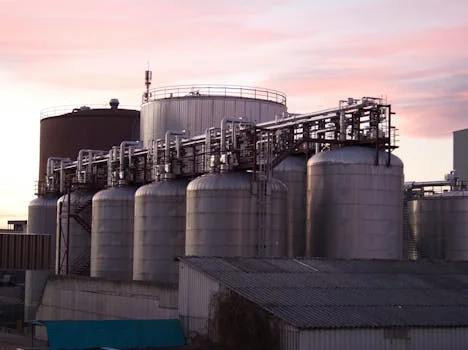
Iraq’s Ministry of Environment mandates strict effluent discharge limits for industrial facilities, with non-compliance in Sulaymaniyah incurring significant financial penalties and operational disruptions. These standards are designed to protect the nation's precious water resources, particularly critical in regions like Sulaymaniyah where freshwater scarcity is a growing concern. Adherence to these limits is not merely a legal obligation but a crucial step towards sustainable industrial practice.
As of 2025, the key Iraqi Ministry of Environment effluent limits for industrial wastewater include a Chemical Oxygen Demand (COD) of less than 150 mg/L, Biological Oxygen Demand (BOD) of less than 50 mg/L, and Total Suspended Solids (TSS) of less than 50 mg/L. The pH of discharged effluent must fall within a range of 6 to 9. stringent limits are imposed on heavy metals, with chromium (Cr) not exceeding 0.5 mg/L and lead (Pb) typically restricted to less than 0.1 mg/L, alongside limits for other pollutants like oil and grease (<10 mg/L) and total nitrogen (<40 mg/L).
Local enforcement in Sulaymaniyah requires industrial dischargers to conduct quarterly effluent testing. Fines for non-compliance are scaled based on the level of exceedance; for instance, discharging effluent with pollutant concentrations double the permitted limit can result in annual fines of $10,000 or more, escalating significantly for repeated or severe violations, potentially reaching the maximum annual fine of $50,000. Proper sampling methods, including both grab and composite samples, are critical for accurate analysis. Lab testing must be conducted by facilities with ISO 17025 accreditation to ensure reliability and acceptance by regulatory authorities.
A notable case study involves a textile factory in Sulaymaniyah that faced substantial fines due to high COD and TSS levels. By implementing a combined DAF and chemical dosing system, the factory successfully reduced its COD from an initial 800 mg/L to below the 120 mg/L target and TSS from 250 mg/L to under 40 mg/L, effectively avoiding an estimated $30,000 in annual non-compliance fines. This demonstrates the tangible financial benefits of investing in compliant wastewater treatment solutions.
| Parameter | Iraqi Ministry of Environment Limit (2025) |
|---|---|
| Chemical Oxygen Demand (COD) | < 150 mg/L |
| Biological Oxygen Demand (BOD) | < 50 mg/L |
| Total Suspended Solids (TSS) | < 50 mg/L |
| pH | 6 – 9 |
| Oil & Grease | < 10 mg/L |
| Total Nitrogen (TN) | < 40 mg/L |
| Total Phosphorus (TP) | < 10 mg/L |
| Chromium (Cr) | < 0.5 mg/L |
| Lead (Pb) | < 0.1 mg/L |
| Nickel (Ni) | < 0.5 mg/L |
| Zinc (Zn) | < 1.0 mg/L |
Cost Breakdown for Industrial Wastewater Treatment Systems in Sulaymaniyah (2025)
Accurate budgeting for industrial wastewater treatment systems in Sulaymaniyah requires a detailed understanding of both Capital Expenditure (CAPEX) and Operational Expenditure (OPEX), significantly influenced by local factors. While global benchmarks exist, specific adjustments for import duties, labor rates, and logistics in Iraq are crucial for a realistic financial projection. For a more detailed cost breakdown for wastewater treatment in Iraq, consider reviewing our comprehensive guide.
Capital Expenditure (CAPEX) Benchmarks for 2025:
- DAF Systems: Equipment costs typically range from $800 to $1,500 per cubic meter per day (m³/day) of treatment capacity.
- MBR Systems: Due to their advanced technology and higher effluent quality, MBR systems command a higher CAPEX, estimated between $1,200 and $1,800 per m³/day of treatment capacity.
- Chemical Dosing Skids: Standalone automatic chemical dosing systems, essential for pH correction and heavy metal removal, range from $20,000 to $50,000 depending on capacity and chemical complexity.
Operational Expenditure (OPEX) Components:
- Energy Consumption: DAF systems consume approximately 0.3–0.8 kWh/m³, while MBR systems, with their aeration and membrane filtration, typically require 0.6–1.2 kWh/m³. Electricity costs in Sulaymaniyah average $0.10–$0.15/kWh.
- Membrane Replacement: For MBR systems, membranes are a significant OPEX, costing $50–$100 per square meter, with replacement cycles every 3–5 years depending on feed water quality and maintenance.
- Chemical Costs: Depending on the treatment process and pollutant load, chemical costs for coagulants, flocculants, and pH adjusters can range from $0.10–$0.30 per m³ of treated wastewater.
- Sludge Disposal: Sludge generation varies by system, with disposal costs depending on local regulations and landfill availability.
Installation Costs: These typically add 20–30% to the equipment CAPEX. In Sulaymaniyah, installation costs can be at the higher end of this range, or even exceed it, due to the limited availability of specialized local contractors for industrial wastewater treatment projects and the need for imported expertise for complex installations.
Local Cost Factors: Import duties for specialized environmental equipment entering Iraq typically range from 5–15%. Skilled technicians and engineers command labor rates between $15–$25 per hour. Logistics, including shipping from international suppliers (e.g., China or Turkey), can add an additional 10–20% to the overall equipment cost, factoring in freight, customs clearance, and local transportation within the Kurdistan Region.
Return on Investment (ROI) Framework: Consider a factory in Sulaymaniyah requiring a 100 m³/day MBR system. An estimated CAPEX of $200,000 (at $2,000/m³/day, including installation and local factors) could be offset by avoiding annual fines of up to $50,000. This scenario projects a payback period of approximately 4 years, demonstrating a clear financial incentive beyond environmental compliance. the potential for wastewater reuse in Sulaymaniyah, especially with tertiary treatment (e.g., MBR + RO), can reduce freshwater demand by 30-50%, providing additional long-term cost savings on water procurement.
| Cost Category | DAF System (per m³/day capacity) | MBR System (per m³/day capacity) | Chemical Dosing Skid (unit cost) |
|---|---|---|---|
| CAPEX (Equipment) | $800 – $1,500 | $1,200 – $1,800 | $20,000 – $50,000 |
| Installation (20-30% of CAPEX) | $160 – $450 | $240 – $540 | $4,000 – $15,000 |
| OPEX (Energy) | 0.3 – 0.8 kWh/m³ | 0.6 – 1.2 kWh/m³ | Minimal (pumps only) |
| OPEX (Chemicals) | $0.10 – $0.20/m³ | $0.05 – $0.15/m³ | $0.10 – $0.30/m³ |
| OPEX (Membrane Replacement) | N/A | $50 – $100/m² (every 3-5 years) | N/A |
| Local Factors (Import Duties) | 5 – 15% of equipment CAPEX | 5 – 15% of equipment CAPEX | 5 – 15% of equipment CAPEX |
| Local Factors (Logistics) | 10 – 20% of equipment CAPEX | 10 – 20% of equipment CAPEX | 10 – 20% of equipment CAPEX |
Supplier Selection Checklist for Sulaymaniyah: 10 Critical Questions to Ask
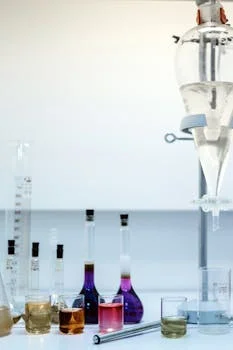
Selecting a reliable wastewater treatment system supplier in Sulaymaniyah requires a comprehensive evaluation beyond initial price, focusing on long-term performance, local support, and compliance assurance. Industrial plant managers and procurement officers must ask critical questions to mitigate risks and ensure a successful project implementation in the unique Iraqi market.
- Technical Expertise: Does the supplier provide pilot testing or treatability studies for your specific effluent? For complex industrial wastewaters, on-site treatability studies, such as HydropureWater's jar tests for DAF systems, are crucial to validate technology effectiveness and optimize chemical dosages before full-scale deployment.
- Compliance Track Record: Can the supplier demonstrate successful compliance with Iraqi Ministry of Environment standards in similar projects within Iraq or the broader Middle East? Request specific case studies, third-party test reports, and references from previous clients. Reviewing compliance strategies for medical wastewater in the Middle East can offer additional insights into regional regulatory challenges.
- Local Support & Service: Does the supplier have a service center, technical staff, or established partnerships with local distributors in Iraq or the Kurdistan Region? HydropureWater, for instance, partners with local distributors to ensure ready availability of spare parts, consumables, and prompt technical support and training.
- Warranty & Guarantees: What is the warranty period for the equipment and critical components like membranes? Standard warranties typically include 1 year for mechanical parts and 3–5 years for MBR membranes. Clarify performance guarantees for effluent quality.
- Operator Training & Documentation: Does the supplier provide comprehensive operator training and detailed operation & maintenance manuals in local languages (Arabic/Kurdish)? This is critical for empowering local staff and ensuring sustainable system operation.
- Cost Transparency: Is the quote all-inclusive? Ensure that installation, commissioning, shipping, import duties, and any hidden costs are clearly itemized. Unforeseen expenses can inflate project budgets by as much as 30%.
- Experience with Similar Effluents: Has the supplier successfully designed and implemented systems for your specific industrial sector (e.g., textile, food processing, metal finishing) and effluent characteristics?
- Technology & Innovation: Does the supplier offer proven, robust technologies or are they pushing unverified solutions? Inquire about system automation, remote monitoring capabilities, and energy efficiency.
- Safety & Quality Certifications: Does the supplier hold relevant quality certifications such as ISO 9001 for manufacturing and engineering processes, and are their products certified to international safety standards?
- Project Management Capability: Can the supplier provide a detailed project plan, including timelines for design, fabrication, shipping, installation, and commissioning, along with dedicated project management resources?
Red flags to watch for include: suppliers who refuse to provide client references or third-party test reports; lack of transparent pricing for all project phases; and absence of internationally recognized quality certifications like ISO 9001.
Frequently Asked Questions
Understanding the complexities of industrial wastewater treatment in Sulaymaniyah often begins with fundamental questions regarding system types, costs, regulatory adherence, and operational considerations.
What are the three types of industrial wastewater treatment?
Industrial wastewater treatment typically involves three stages: Primary Treatment focuses on physical separation (e.g., screening, grit removal, sedimentation) to remove large solids and suspended particles. Secondary Treatment employs biological processes (e.g., MBR, activated sludge) to degrade dissolved organic matter. Tertiary Treatment, or advanced treatment, targets specific pollutants like nutrients, heavy metals, or pathogens using methods such as chemical dosing, filtration, activated carbon, or disinfection, often for water reuse.
How much does an industrial wastewater treatment system cost in Sulaymaniyah?
The cost of an industrial wastewater treatment system in Sulaymaniyah varies significantly by technology and capacity. For equipment only, Dissolved Air Flotation (DAF) systems range from $800–$1,500/m³/day, while Membrane Bioreactor (MBR) systems are $1,200–$1,800/m³/day. Automatic chemical dosing skids typically cost $20,000–$50,000. These figures include equipment, shipping, and installation, but local factors like import duties (5-15%) and labor rates can add 10-30% to the total project cost.
What are the Iraqi compliance limits for industrial wastewater?
Iraq’s Ministry of Environment mandates strict limits for industrial wastewater discharge. Key parameters include COD < 150 mg/L, BOD < 50 mg/L, TSS < 50 mg/L, and a pH range of 6–9. Heavy metal limits vary by pollutant, with chromium < 0.5 mg/L and lead < 0.1 mg/L being common examples. Non-compliance can result in fines up to $50,000/year.
Can industrial wastewater be reused in Sulaymaniyah?
Yes, industrial wastewater can be reused in Sulaymaniyah, especially given the region's water scarcity. Achieving reuse quality typically requires tertiary treatment following primary and secondary stages, often incorporating advanced technologies like MBR followed by Reverse Osmosis (RO) or advanced filtration. Treated wastewater can then be safely used for non-potable applications such as irrigation, industrial cooling towers, or boiler feed, potentially reducing freshwater demand by 30–50% for many facilities.
How do I choose between DAF and MBR for my factory?
The choice between DAF and MBR depends on your specific effluent characteristics and desired discharge quality. DAF systems are highly effective for primary treatment, excelling at removing high concentrations of fats, oils, grease (FOG), and suspended solids. MBR systems, on the other hand, are ideal for treating high-strength organic wastewater and achieving very low levels of BOD and TSS, suitable for direct discharge or further tertiary treatment for reuse. For complex effluents, pilot testing or treatability studies are highly recommended to determine the optimal solution.
Related Equipment
The following HydropureWater products are engineered for the wastewater challenges discussed above:
- DAF systems for Sulaymaniyah’s industrial wastewater — view specifications, capacity range, and technical data
Need a customized solution? Request a free quote with your specific flow rate and pollutant parameters.