Why Aqaba’s Wastewater Treatment Costs Matter: A Case Study from Tala Bay
The cost of a wastewater treatment plant (WWTP) in Aqaba, Jordan, ranges from USD 1.2–3.5 million for a 500–2,000 m³/day municipal system, depending on technology (conventional vs. MBR) and compliance requirements. For example, the Tala Bay WWTP (2001–2022) reduced landscaping costs by 60% (USD 2.5–4/m³ saved) through water reuse, while the As-Samra expansion added 5 million m³/year capacity at a cost of USD 97.8 million (2011–2016). Key cost drivers include influent quality (TSS 200–500 mg/L), energy use (0.4–0.8 kWh/m³), and sludge handling—critical factors for Aqaba’s water-scarce environment.
Aqaba's unique position as a coastal city and a vital economic hub in Jordan, one of the world's most water-stressed countries, amplifies the importance of efficient and cost-effective wastewater management. Freshwater costs in Jordan have seen an average annual increase of 15% between 2020 and 2024, making water reuse not just an environmental imperative but a significant economic advantage. The Aqaba Special Economic Zone Authority (ASEZA) mandates advanced tertiary treatment for all new developments, requiring compliance with Jordanian Standards JS 893/2006 and WHO guidelines for water reuse. This regulatory framework underscores the need for robust WWTP investments that deliver high-quality effluent suitable for various applications.
The Tala Bay WWTP exemplifies the tangible benefits of strategic wastewater treatment and reuse. By implementing a process flow encompassing preliminary treatment, biological treatment, filtration, and disinfection, the plant successfully provided treated wastewater for landscaping purposes. This initiative not only addressed the high cost of fresh water for landscaping, estimated at USD 2.5–4/m³ for hotels in Aqaba, but also contributed to the aesthetic appeal and sustainability of the resort area. The plant's design, adapted to Aqaba’s typical influent quality characterized by TSS levels of 250–400 mg/L and BOD of 150–300 mg/L, demonstrates a practical approach to local challenges.
Key Cost Drivers for Wastewater Treatment Plants in Aqaba
Understanding the primary cost drivers for wastewater treatment plants (WWTPs) in Aqaba is crucial for accurate budgeting and optimizing investment decisions. Influent quality is a paramount factor; Aqaba’s municipal wastewater typically exhibits high concentrations of Total Suspended Solids (TSS) ranging from 200–500 mg/L, Biochemical Oxygen Demand (BOD) between 150–350 mg/L, and Chemical Oxygen Demand (COD) from 300–600 mg/L, according to ASEZA data from 2023. Higher influent loads necessitate more robust pretreatment stages, such as Dissolved Air Flotation (DAF) systems, which can add USD 50,000–150,000 to the initial capital expenditure (CAPEX).
The choice of treatment technology significantly impacts both CAPEX and operational expenditure (OPEX). Conventional Activated Sludge (CAS) systems are generally more affordable upfront, but Membrane Bioreactor (MBR) systems, while costing 30–50% more initially, offer substantial benefits in terms of reduced footprint and superior effluent quality, making them ideal for meeting reuse standards. Research on sludge digestion projects, such as the CNP CYCLES implementation in Aqaba, indicates that advanced technologies can also improve overall efficiency. Energy consumption is another major OPEX component, with CAS systems typically using 0.4–0.6 kWh/m³, while MBR systems require 0.6–0.8 kWh/m³. However, the integration of solar power, a viable option in Aqaba’s climate, can reduce OPEX by 20–30%.
Sludge handling and disposal also represent a considerable cost. The North Aqaba WWTP utilizes anaerobic digestion, a process that effectively reduces sludge volume by up to 40% and generates biogas for energy recovery, thereby lowering disposal costs. The estimated cost for treating sludge via anaerobic digestion is USD 2–4/m³. land availability in Aqaba influences design choices. While conventional systems may require extensive land areas, underground or compact systems, such as the WSZ Series, can save up to 50% of the footprint but may increase CAPEX by 20–25% due to the specialized structural engineering required.
| Cost Driver | Typical Range/Impact | Aqaba Specific Considerations | Example Technology/Solution |
|---|---|---|---|
| Influent Quality (TSS, BOD, COD) | High loads increase pretreatment costs | 200-500 mg/L TSS, 150-350 mg/L BOD, 300-600 mg/L COD (ASEZA 2023) | DAF systems add USD 50,000-150,000 CAPEX for high TSS |
| Treatment Technology | MBR: 30-50% higher CAPEX than CAS | MBR offers smaller footprint, superior effluent for reuse | MBR systems (/product/2-mbr-integrated-wastewater-treatment.html) vs. CAS |
| Energy Use | CAS: 0.4-0.6 kWh/m³; MBR: 0.6-0.8 kWh/m³ | Solar integration can cut OPEX by 20-30% | On-site solar PV installations |
| Sludge Handling | Anaerobic digestion reduces volume by 40% | USD 2-4/m³ for treated sludge | Anaerobic digesters (CNP CYCLES example) |
| Land Availability | Underground systems save 50% space | High land costs in industrial zones (USD 50-100/m²) | WSZ Series underground integrated sewage treatment plants (/product/1-wsz-underground-integrated-sewage-treatment.html) |
2025 Cost Breakdown: CAPEX, OPEX, and Unit Costs for Aqaba WWTPs
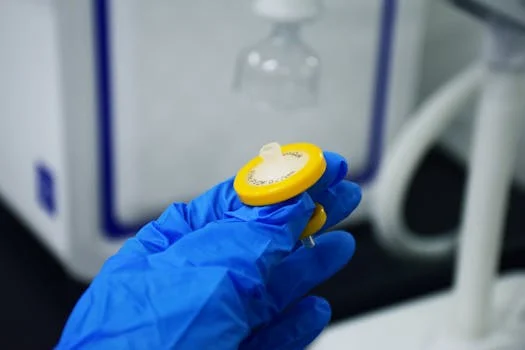
Estimating the capital expenditure (CAPEX) and operational expenditure (OPEX) for wastewater treatment plants (WWTPs) in Aqaba requires a granular breakdown based on system capacity and technological choices. For a 500 m³/day Conventional Activated Sludge (CAS) system, the projected CAPEX in 2025 ranges from USD 1.2 to 1.8 million, encompassing civil works, equipment, and commissioning. A larger 1,000 m³/day Membrane Bioreactor (MBR) system is estimated to cost between USD 2.2 and 3.0 million. The higher upfront cost for MBR systems is partly due to the inclusion of advanced membrane modules, which contribute an ongoing OPEX of USD 0.15–0.25/m³ for replacement over their lifespan.
Sequencing Batch Reactor (SBR) systems, suitable for a 2,000 m³/day capacity, are projected to have a CAPEX of USD 1.8–2.5 million. While SBRs offer a smaller footprint compared to CAS, their automation requirements can lead to higher initial investment. Operational expenditures (OPEX) per cubic meter (m³) for 2025 are estimated as follows: CAS systems at USD 0.25–0.40, with energy accounting for approximately 40%, labor 20%, and chemicals 15% of the total. MBR systems typically have higher OPEX, ranging from USD 0.40–0.60/m³, largely driven by membrane replacement (around 30%) and energy consumption (around 35%). SBR systems fall in between, with OPEX estimated at USD 0.30–0.50/m³, where automation costs can represent up to 25% of the total.
Several unit cost drivers are specific to Aqaba. Skilled labor costs for operators range from USD 15–25 per hour, and ASEZA mandates 24/7 monitoring for systems exceeding 500 m³/day. Chemical costs vary significantly; for instance, chlorine dioxide (ClO₂) for disinfection, favored for its residual effect and efficacy in meeting JS 893/2006 standards, can cost USD 0.08–0.12/m³, whereas ozone treatment might be USD 0.15–0.25/m³. The ClO₂ Generator is a relevant technology for such disinfection needs. Land prices in Aqaba’s industrial zones can range from USD 50–100/m², making compact or underground solutions like the WSZ Series (/product/1-wsz-underground-integrated-sewage-treatment.html) economically attractive by halving land requirements. For scale, the As-Samra expansion, with its significant capacity of 5 million m³/year, achieved a remarkably low OPEX of USD 0.12/m³ due to economies of scale and effective energy recovery.
| System Type & Capacity | Estimated CAPEX (USD, 2025) | Estimated OPEX (USD/m³, 2025) | Key OPEX Components |
|---|---|---|---|
| CAS (500 m³/day) | 1.2–1.8 million | 0.25–0.40 | Energy (40%), Labor (20%), Chemicals (15%) |
| MBR (1,000 m³/day) | 2.2–3.0 million | 0.40–0.60 | Membrane Replacement (30%), Energy (35%) |
| SBR (2,000 m³/day) | 1.8–2.5 million | 0.30–0.50 | Automation (25%), Energy (30%) |
Treatment Technology Comparison: MBR vs. SBR vs. Conventional for Aqaba’s Needs
Selecting the optimal wastewater treatment technology in Aqaba hinges on balancing effluent quality requirements, available space, energy consumption, and long-term operational costs. Membrane Bioreactor (MBR) systems consistently achieve superior effluent quality, typically yielding less than 10 mg/L of TSS and less than 5 mg/L of BOD, rendering the treated water suitable for unrestricted irrigation and other reuse applications. Conventional Activated Sludge (CAS) systems, while simpler and less expensive upfront, generally produce effluent with 20–30 mg/L of TSS, which is often only suitable for discharge into wadis or for non-potable uses requiring further treatment. Sequencing Batch Reactors (SBRs) offer a middle ground, providing good effluent quality and flexibility in operation, often comparable to MBR but with a larger footprint than some MBR configurations.
Footprint is a critical consideration in Aqaba’s increasingly developed coastal areas. MBR systems are known to require up to 60% less land than traditional CAS plants, making them an attractive option for space-constrained sites. Energy use varies, with MBR systems consuming approximately 0.6–0.8 kWh/m³, compared to CAS systems at 0.4–0.6 kWh/m³, according to benchmarks from authorities like Singapore’s PUB. While SBRs can be more energy-efficient than MBRs, their operational cycle may lead to higher peak energy demands. Sludge production also differs; SBRs typically generate about 20% less sludge than CAS, but they require more frequent desludging, which must comply with ASEZA permits that limit sludge storage to 72 hours.
Compliance with Jordanian Standards JS 893/2006 for unrestricted irrigation is a key driver for technology selection. MBR systems inherently meet these standards without additional post-treatment. CAS systems, however, would require supplementary filtration and disinfection stages, adding an estimated USD 0.05–0.10/m³ to their OPEX. Maintenance for MBRs involves membrane cleaning, typically every 3–6 months, with annual costs for a 1,000 m³/day system estimated at USD 5,000–10,000. The North Aqaba WWTP’s implementation of a sludge digestion system by CNP CYCLES showcases how advanced sludge treatment can reduce OPEX by 15–20% through energy recovery and reduced disposal volumes.
| Parameter | MBR | SBR | CAS | Aqaba Relevance |
|---|---|---|---|---|
| Effluent Quality (TSS/BOD) | <10 mg/L / <5 mg/L (Reuse-ready) | 10-20 mg/L / 5-15 mg/L (Good) | 20-30 mg/L / 10-20 mg/L (Discharge quality) | MBR meets JS 893/2006 for unrestricted irrigation |
| Footprint | Small (60% less than CAS) | Medium | Large | Critical for coastal developments |
| Energy Use (kWh/m³) | 0.6–0.8 | 0.5–0.7 | 0.4–0.6 | Solar integration is key to reducing OPEX |
| Sludge Production | Moderate | Lower (20% less than CAS) | Higher | Frequent desludging for SBR requires careful management |
| Compliance (JS 893/2006) | Directly meets | May require post-treatment | Requires significant post-treatment | MBR + ClO₂ disinfection is a common solution |
| Maintenance Costs (Annual, 1000 m³/day) | USD 5,000–10,000 (Membrane cleaning) | Moderate (Automation, mechanical parts) | Lower (Chemicals, aeration) | Long-term maintenance planning is essential |
Regulatory and Compliance Costs for Aqaba WWTPs
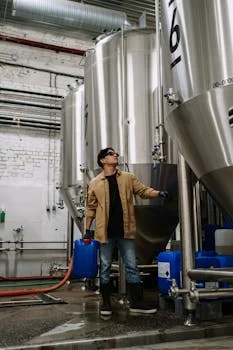
Navigating the regulatory landscape in Aqaba is paramount for any wastewater treatment plant (WWTP) investment, as compliance directly impacts project costs and timelines. ASEZA permits for WWTPs exceeding 500 m³/day can range from USD 10,000 to USD 50,000, with an approval timeline of 6 to 12 months. Essential documentation includes a comprehensive Environmental Impact Assessment (EIA), detailed process flow diagrams, and proof of certified operator qualifications. Adherence to Jordanian Standards is non-negotiable. Specifically, JS 893/2006 sets stringent effluent limits for unrestricted irrigation, requiring Total Suspended Solids (TSS) below 10 mg/L, BOD below 10 mg/L, and fecal coliform counts below 2.2 Most Probable Number (MPN) per 100 mL.
JS 252/2015 governs sludge disposal, imposing limits on heavy metals and pathogens. Technologies like anaerobic digestion, as employed in Aqaba's North WWTP, significantly reduce compliance costs for sludge disposal by up to 30% through pathogen reduction and volume minimization. For water reuse, ASEZA mandates tertiary treatment, typically involving advanced filtration and disinfection processes. Chlorine dioxide (ClO₂) is often the preferred disinfectant due to its potent oxidizing capability and residual effect, ensuring ongoing microbial control in the treated water distribution system, as facilitated by ClO₂ generators (/product/11-chlorine-dioxide-generator.html). Implementing continuous online sensors for parameters like TSS, pH, and flow can add USD 20,000–50,000 to CAPEX but can lead to OPEX reductions of 10–15% through enhanced process control and automation.
The Tala Bay WWTP serves as a case study in proactive compliance. By investing in an MBR system coupled with ClO₂ disinfection, the facility successfully met JS 893/2006 standards, thereby avoiding potential fines estimated at USD 200,000. This demonstrates that while upfront investment in advanced treatment may seem higher, it ultimately prevents significant financial penalties and ensures the long-term viability of water reuse initiatives.
ROI Framework: How to Justify a WWTP Investment in Aqaba
Justifying a wastewater treatment plant (WWTP) investment in Aqaba requires a robust Return on Investment (ROI) analysis that quantifies both cost savings and potential revenue streams. Direct cost savings are substantial, particularly through fresh water substitution. As demonstrated by the Tala Bay case study, treated wastewater reuse for landscaping can save USD 2.5–4/m³ compared to using potable water. implementing advanced sludge treatment methods like anaerobic digestion can reduce sludge disposal costs by 40%, transforming expenses from USD 50–100/ton to USD 30–60/ton. Energy recovery from biogas produced during anaerobic digestion, as seen in projects like the CNP CYCLES facility in Aqaba, can offset 20–30% of a plant's overall energy costs.
Beyond savings, treated wastewater presents revenue-generating opportunities. ASEZA permits allow for the sale of treated wastewater for irrigation and industrial reuse at prices ranging from USD 0.50–1.50/m³. Aqaba's arid climate and growing industrial base create a consistent demand for such reclaimed water. Jordan’s National Green Growth Plan also incentivizes sustainable practices by offering carbon credits, potentially USD 10–20/ton CO₂e, for energy-efficient WWTP operations. Developing a clear ROI calculation template is essential for investment justification.
A simplified ROI calculation template involves the following steps: First, estimate the annual OPEX for the chosen WWTP technology (e.g., USD 150,000 for a 1,000 m³/day CAS system). Second, calculate the total annual savings and revenue generated (e.g., USD 200,000 from water reuse + USD 30,000 from reduced sludge disposal costs = USD 230,000). Third, determine the net annual benefit by subtracting OPEX from total savings/revenue (USD 230,000 – USD 150,000 = USD 80,000/year). Fourth, calculate the simple payback period by dividing the total CAPEX by the net annual benefit (e.g., USD 2,000,000 / USD 80,000 = 25 years). Finally, adjust the payback period for financing costs; for instance, a 5% interest rate over 15 years can reduce the payback period to 12–15 years. The As-Samra expansion project achieved an impressive 8-year payback, highlighting the impact of economies of scale and robust water reuse revenue streams.
| Category | Potential Savings/Revenue | Aqaba Context | Example Calculation (Annual) |
|---|---|---|---|
| Fresh Water Substitution | USD 2.5–4/m³ saved | Tala Bay hotels saved 60% on landscaping costs | 100,000 m³/year * USD 3/m³ = USD 300,000 |
| Sludge Disposal Reduction | 40% cost reduction (USD 50-100 to USD 30-60/ton) | Anaerobic digestion reduces volume and disposal fees | 100 tons/year * USD 40/ton saved = USD 40,000 |
| Treated Wastewater Sales | USD 0.50–1.50/m³ | Demand for irrigation and industrial use | 50,000 m³/year * USD 1/m³ = USD 50,000 |
| Energy Recovery (Biogas) | 20–30% of energy costs offset | CNP CYCLES Aqaba project | USD 50,000 annual energy bill * 25% offset = USD 12,500 |
| Carbon Credits | USD 10–20/ton CO₂e | Jordan’s Green Growth Plan | (Dependent on energy efficiency) |
Frequently Asked Questions
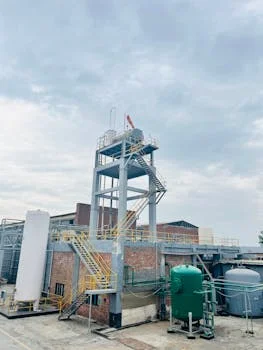
What is the wastewater treatment plant in Jordan? Jordan has several significant wastewater treatment plants (WWTPs). The largest is the As-Samra WWTP, with a capacity of 600,000 m³/day, serving the major population centers of Amman and Zarqa. In Aqaba, two primary facilities are notable: the North Aqaba WWTP, which features sludge digestion technology provided by CNP CYCLES, and the Tala Bay WWTP, which focuses on water reuse for local hotels. Both facilities are designed to meet Jordanian Standards JS 893/2006, enabling treated wastewater to be reused for irrigation.
How much does it cost to set up a sewage treatment plant in Aqaba? The capital expenditure (CAPEX) for setting up a sewage treatment plant in Aqaba typically ranges from USD 1.2 million to USD 3.5 million for systems with capacities between 500 and 2,000 m³/day. This cost is heavily influenced by the chosen treatment technology, such as Conventional Activated Sludge (CAS), Membrane Bioreactor (MBR), or Sequencing Batch Reactor (SBR), and the specific compliance requirements mandated by ASEZA. Operational expenditure (OPEX) averages between USD 0.25 and USD 0.60 per cubic meter, with key cost drivers including influent quality, energy consumption, and sludge handling complexities.
Which country has the best sewage treatment plant? While defining the "best" sewage treatment plant is subjective and depends on specific criteria, countries like Singapore (with its NEWater program) and Israel (notably the Shafdan WWTP) are globally recognized leaders in advanced wastewater reuse technologies and high treatment standards. In the Middle East, Jordan's As-Samra WWTP is notable for its scale. Aqaba's WWTPs are significant for their successful integration of water reuse within a water-scarce coastal development context, exemplified by the Tala Bay project.
What is the cost of a WTP plant in Aqaba? Water Treatment Plants (WTPs) in Aqaba, which purify raw water sources for potable use, have different cost structures than wastewater treatment plants. For systems with capacities of 500–2,000 m³/day, such as HydropureWater's JY Series integrated systems, the estimated cost ranges from USD 0.8 million to USD 2.0 million. WWTPs are generally 30–50% more expensive due to the complexities of biological treatment processes, sludge management, and the higher effluent quality standards required for reuse applications.
Can I use a package wastewater treatment plant for a hotel in Aqaba? Yes, package wastewater treatment plants are highly suitable for hotels and resorts in Aqaba. Compact, underground systems like the WSZ Series (/product/1-wsz-underground-integrated-sewage-treatment.html), available in capacities from 1 to 80 m³/h, are ideal for addressing space constraints and aesthetic requirements. Obtaining ASEZA permits is mandatory, and the plant's effluent must consistently meet Jordanian Standard JS 893/2006 for reuse, such as for landscaping. The estimated CAPEX for such package plants ranges from USD 50,000 to USD 300,000, with OPEX typically between USD 0.30–0.50/m³.
Related Equipment
- DAF systems for Aqaba’s high-TSS industrial wastewater pretreatment — view specifications, capacity range, and technical data
Need a customized solution? Request a free quote with your specific flow rate and pollutant parameters.