Baghouse Dust Collector vs Alternatives: 2026 Engineering Comparison with Cost & Compliance Data
Equipment & Technology Guide
HydropureWater Engineering Team
Baghouse Dust Collector vs Alternatives: 2025 Engineering Comparison with Cost & Compliance Data
Baghouse dust collectors remain the gold standard for industrial dust collection, achieving >99.9% efficiency for particles >0.5 µm and handling dust loads up to 100 g/m³—outperforming cartridge collectors (limited to 50 g/m³) and cyclones (80-90% efficiency for >10 µm particles). However, alternatives like wet scrubbers (ideal for sticky or explosive dusts) or cartridge systems (25% smaller footprint) may offer better ROI in specific applications. This 2025 comparison includes engineering specs, cost benchmarks, and compliance data to guide system selection.
Why Dust Collection System Selection Impacts Compliance and Costs
Choosing the incorrect industrial dust collection system can incur annual regulatory fines exceeding $100,000, as evidenced by EPA 2024 enforcement data for non-compliance. Regulatory bodies like the EPA (under NSPS 40 CFR Part 60) and the EU (IED 2010/75/EU) set strict PM limits, often requiring emissions below 10 mg/Nm³ for baghouses in power generation facilities. A cement plant, for example, faced significant penalties and operational restrictions due to consistently exceeding PM2.5 limits with an outdated cyclone separator, illustrating the tangible impact of inefficient particulate control. Beyond fines, operational inefficiencies contribute significantly to long-term costs. Baghouse cleaning cycles, while effective, can reduce overall production time by 2-5%, impacting output. In contrast, cartridge systems may offer up to 30% less maintenance downtime, translating into higher operational availability. Energy consumption is another critical factor, with the pressure drop across filters directly influencing fan power requirements; a 1 inch water gauge (w.g.) pressure drop equates to approximately 0.5 kWh per 1,000 CFM of air moved. For instance, a system with a 6 in. w.g. pressure drop will consume significantly more energy than one operating at 2 in. w.g. A steel mill in Ohio, proactively addressing emissions, achieved a 40% reduction in PM emissions and cut energy costs by 15% within two years by upgrading from a conventional cyclone to a high-efficiency pulse jet baghouse, demonstrating a rapid return on investment through improved compliance and reduced operational expenditure.
How Each Dust Collection System Works: Mechanisms and Limitations
baghouse dust collector vs alternatives - How Each Dust Collection System Works: Mechanisms and Limitations
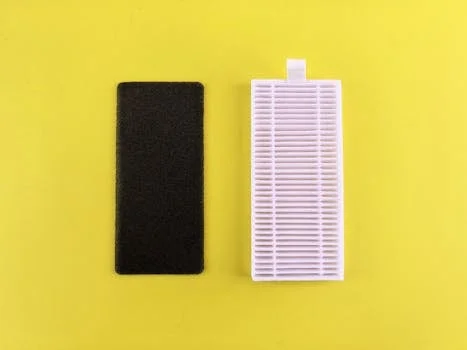
Industrial dust collection systems employ distinct physical mechanisms to separate particulate matter from gas streams, each with inherent advantages and limitations. A baghouse dust collector operates by drawing dust-laden air through fabric filter bags, where dust particles accumulate on the bag’s exterior, forming a "dust cake" that enhances filtration efficiency (surface filtration). Cleaning methods, such as pulse jet (the dominant type, accounting for 70% of industrial applications per 2024 market data), reverse air, or mechanical shaker, periodically dislodge this dust cake into a hopper. Cartridge collectors utilize pleated filter cartridges, which offer 2-3 times more surface area than traditional bags within a smaller footprint. They primarily rely on compressed air pulses for cleaning, similar to pulse jet baghouses, but are generally limited to lower dust loads, typically below 50 g/m³, due to their compact design and susceptibility to blinding with heavy or sticky dusts. Cyclone separators function like a large industrial "salad spinner," using centrifugal force to separate larger, heavier particles from the gas stream. Dust-laden air enters tangentially, creating a vortex that slings particles against the cyclone wall, where gravity pulls them into a hopper. Cyclones are highly effective for coarse particles, achieving 80-90% efficiency for particles >10 µm, but their cut-point efficiency means they are largely ineffective at capturing fine particles below 5 µm. Wet scrubbers, such as venturi, packed bed, or spray towers, capture dust by bringing the gas stream into intimate contact with a scrubbing liquid (usually water). This method is particularly effective for handling sticky, explosive, or high-temperature dusts, and can simultaneously remove gaseous pollutants. However, wet scrubbers necessitate subsequent water treatment to manage the generated wastewater, which contains captured particulates and dissolved contaminants. Hybrid systems, such as a cyclone pre-separator combined with a baghouse, are often employed for applications with very high or coarse dust loads. The cyclone removes larger particles, reducing the load on the downstream baghouse and extending filter life.
Engineering Specs Compared: Efficiency, Pressure Drop, and Operating Limits
Selecting an industrial dust collection system critically depends on its engineering specifications, including efficiency, pressure drop, maximum temperature, and moisture tolerance, which vary significantly across technologies. The following table provides a definitive reference for key operational parameters, integrating data from industry standards and field observations.
System
Efficiency (PM2.5/PM10)
Pressure Drop (in. w.g.)
Max Temperature (°C)
Moisture Tolerance
Baghouse
>99.9% (>0.5 µm)
4-6
260 (Nomex)
<80% RH (to avoid blinding)
Cartridge Collector
>99% (>1 µm)
2-4
120 (Polyester)
<70% RH (prone to blinding)
Cyclone Separator
80-90% (>10 µm)
1-3
1,000 (with refractory lining)
High (no direct impact)
Wet Scrubber
95-99% (>1 µm)
6-12 (venturi)
150 (with cooling)
100% humidity (designed for it)
For efficiency, baghouses consistently achieve the highest particulate matter removal, often exceeding 99.9% for particles as fine as 0.5 µm, making them suitable for stringent PM2.5 and PM10 compliance. Cartridge collectors offer comparable efficiency for particles above 1 µm, typically >99%. Cyclone separators are effective for larger particles, with 80-90% efficiency for >10 µm, but their performance drops sharply for finer dusts. Wet scrubbers can achieve 95-99% efficiency for particles >1 µm, particularly venturi scrubbers. Pressure drop directly correlates with fan power consumption and operational costs. Cyclones exhibit the lowest pressure drop (1-3 in. w.g.), followed by cartridge collectors (2-4 in. w.g.). Baghouses typically operate with a pressure drop of 4-6 in. w.g., while high-energy wet scrubbers, especially venturi types, can range from 6-12 in. w.g. Maximum temperature tolerance is crucial for high-temperature processes. Standard polyester cartridges are limited to 120°C, while baghouses can utilize specialized filter media like Nomex or PTFE to handle temperatures up to 260°C. Cyclones, being mechanical separators, can withstand extreme temperatures up to 1,000°C with refractory linings, making them ideal for furnace exhaust. Wet scrubbers can handle gas streams up to 150°C, often requiring pre-cooling. Moisture tolerance is a significant differentiator. Wet scrubbers are designed for 100% humidity and can even condense moisture, making them suitable for saturated gas streams. Baghouses, however, require relative humidity (RH) below 80% to prevent filter blinding, where moisture causes dust to cake and adhere to the filter surface, severely impeding airflow. Cartridge collectors are even more sensitive, typically requiring <70% RH.
Cost Analysis: CAPEX, OPEX, and ROI for Industrial Applications
baghouse dust collector vs alternatives - Cost Analysis: CAPEX, OPEX, and ROI for Industrial Applications
A comprehensive cost analysis, encompassing both Capital Expenditure (CAPEX) and Operational Expenditure (OPEX), is critical for procurement managers to justify the Return on Investment (ROI) of industrial dust collection systems. The initial CAPEX varies significantly across technologies, with cyclones being the least expensive and wet scrubbers the most.
System
CAPEX (Approx. $/CFM)
OPEX (Key Drivers)
Filter Life (Years)
Hidden Costs
Baghouse
$50-$200
Energy, Filter Replacement, Maintenance Labor
1-5
Compressed air for pulse-jet
Cartridge Collector
$30-$120
Energy, Filter Replacement, Maintenance Labor
1-3
Compressed air for pulse-jet
Cyclone Separator
$10-$50
Energy, Wear Parts (abrasive dust)
N/A (no filters)
Lower capture efficiency = downstream costs
Wet Scrubber
$80-$300
Energy (fan/pump), Water, Water Treatment, Reagent Use
N/A (no filters)
Wastewater treatment, sludge disposal
CAPEX for a baghouse typically ranges from $50-$200/CFM, depending on size, material, and cleaning mechanism (2025 market data). Cartridge collectors often present a lower upfront cost at $30-$120/CFM due to their compact design. Cyclone separators are the most economical in terms of initial investment, costing $10-$50/CFM. Wet scrubbers, particularly complex flue gas desulfurization (FGD) scrubber systems, represent the highest CAPEX at $80-$300/CFM, largely due to their intricate design and integration requirements.
OPEX is driven by several factors. Energy costs, primarily for fan power, are a major component. Filter replacement is a significant ongoing cost for baghouses ($1-$5/bag) and cartridge collectors ($50-$200/cartridge). Baghouse filters typically last 1-5 years, while cartridge filters have a shorter lifespan of 1-3 years, depending on the dust type and operating conditions. Wet scrubbers have unique OPEX considerations, including water consumption, energy for pumps, and chemical reagents for pH adjustment or pollutant absorption.
An ROI calculation example for a woodworking facility highlights these differences: a 50,000 CFM pulse jet baghouse with a CAPEX of $100/CFM totals $5 million. A comparable cartridge system at $60/CFM would be $3 million. While the cartridge system has lower initial CAPEX, its higher filter replacement frequency and cost per unit could lead to a higher 5-year Total Cost of Ownership (TCO). For instance, if bag filters cost $3 each and last 3 years (requiring 16,000 bags for a 50,000 CFM unit, ~$48,000/replacement cycle), while cartridge filters cost $100 each and last 1.5 years (requiring 800 cartridges, ~$80,000/replacement cycle), the long-term OPEX favors the baghouse for high-volume applications.
Hidden costs are particularly relevant for wet scrubbers, which generate significant volumes of wastewater. This wastewater requires treatment to remove suspended solids and adjust pH before discharge, typically costing $0.50-$2.00 per 1,000 gallons, plus sludge disposal expenses. These ancillary costs can significantly impact the overall TCO of an integrated wet scrubber for SO₂ and particulate removal.
Decision Framework: How to Choose the Right System for Your Application
Selecting the optimal industrial dust collection system requires a structured approach that considers specific process parameters, dust characteristics, and regulatory mandates. This 5-step decision framework guides engineers and procurement specialists through the selection process, culminating in a recommended system.
Parameter
Dust Type/Characteristic
Dust Load (g/m³)
Temperature (°C)
Compliance Target
Space Constraint
Recommended System
Scenario 1
Abrasive, fine (<10 µm), explosive (e.g., coal dust)
Cyclone + Baghouse Hybrid or Cyclone (pre-separator)
Scenario 3
Fine (<5 µm), non-abrasive, low load
<5
<80
<10 mg/Nm³ (PM2.5)
Limited
Cartridge Collector
Scenario 4
Sticky, high moisture, corrosive (e.g., chemical fumes)
Any
<150
<20 mg/Nm³ (PM10), Acid Gas
Moderate
Wet Scrubber
Scenario 5
High temperature (>250°C), moderate load
5-50
>250
<30 mg/Nm³ (PM10)
Flexible
Baghouse (high-temp filters) or Cyclone (pre-separator)
Step 1: Dust Characteristics. Begin by analyzing the physical and chemical properties of the dust. Is it abrasive (e.g., cement, sand), fine (e.g., toner, flour), sticky (e.g., plastics), or explosive (e.g., coal, metal powders)? For instance, coal dust, which is both fine (<10 µm) and explosive, typically necessitates a specialized explosion-proof baghouse or a wet scrubber. Conversely, large, non-explosive wood chips (>100 µm) could be effectively managed by a cyclone or a standard baghouse.
Step 2: Dust Load. Quantify the dust concentration in the gas stream (g/m³). Low dust loads (<5 g/m³) are often suitable for cartridge collectors. Moderate loads (5-50 g/m³) are well-handled by baghouses. Very high dust loads (>50 g/m³) frequently benefit from a hybrid system, combining a cyclone pre-separator to remove coarse particles, thereby extending the life of a downstream baghouse.
Step 3: Temperature and Moisture. Assess the gas stream's temperature and humidity. Processes with temperatures exceeding 200°C require either a cyclone (which can handle up to 1,000°C with refractory lining) or a baghouse equipped with high-temperature filter media like Nomex or PTFE. Sticky or high-moisture dusts are best managed by wet scrubbers, which are designed to operate in high-humidity environments and prevent blinding.
Step 4: Regulatory Limits. Identify the specific particulate matter (PM2.5, PM10) and opacity limits mandated by local, national (e.g., EPA), and international (e.g., EU IED, China GB) regulations. Achieving stringent limits, such as <10 mg/Nm³, typically requires the high efficiency of a baghouse or a wet scrubber. Less stringent limits, like <50 mg/Nm³, might allow for the use of a cyclone, especially as a pre-collector.
Step 5: Space Constraints. Evaluate the available footprint and vertical clearance. Cartridge collectors offer a smaller footprint, making them ideal for facilities with limited floor space. Baghouses and wet scrubbers generally require more space, while cyclones can sometimes be integrated vertically. Consider also the location, as outdoor installations may favor robust baghouses or cyclones.
Compliance and Emission Standards: What You Need to Know in 2025
baghouse dust collector vs alternatives - Compliance and Emission Standards: What You Need to Know in 2025
Adhering to evolving environmental compliance and emission standards is non-negotiable for industrial facilities, with system selection directly impacting a plant's ability to meet these benchmarks in 2025. The EPA's New Source Performance Standards (NSPS) under 40 CFR Part 60, for instance, mandate that baghouses in power plants achieve particulate matter emissions below 10 mg/Nm³. Similarly, wet scrubbers used in incinerators typically must meet PM limits of <20 mg/Nm³.
In the European Union, the Industrial Emissions Directive (IED 2010/75/EU) sets stringent limits, often requiring baghouses in cement plants to achieve daily average emissions of less than 20 mg/Nm³. China's GB 16297-1996 standard for air pollutant discharge limits specifies that baghouses in steel mills must achieve PM10 emissions below 30 mg/Nm³. Beyond general PM limits, facilities handling combustible dusts (e.g., flour, coal, certain metal powders) must comply with OSHA's combustible dust standards, particularly NFPA 652. These regulations often necessitate explosion-proof baghouses equipped with deflagration protection (e.g., explosion vents) or the use of wet scrubbers, which inherently mitigate explosion risks by wetting the dust.
Monitoring requirements are also tied to system type and regulatory stringency. Baghouses and wet scrubbers, particularly in larger facilities, often require continuous opacity monitors (COMs) or continuous particulate matter monitoring systems (CPMS) as per EPA Performance Specification 1 (PS-1) to ensure ongoing compliance. Cyclones, due to their lower efficiency for fine particles, may only require periodic stack testing. Ensuring your chosen system, such as a high-efficiency pulse jet baghouse for industrial dust collection, can consistently meet these benchmarks is paramount. For complex emission control, an integrated wet scrubber for SO₂ and particulate removal may be necessary to meet multi-pollutant limits.
Frequently Asked Questions
Q: Which is better for high-temperature applications: baghouse or cyclone?
A: Baghouses with high-temperature filters (e.g., Nomex or PTFE) can handle gas streams up to 260°C. However, cyclones with refractory linings can operate at significantly higher temperatures, up to 1,000°C, making them superior for extreme heat. It's important to note that cyclones are less efficient for fine particles (<10 µm). For temperatures >260°C where fine particulate capture is critical, a cyclone pre-separator combined with a specialized baghouse is often the most effective solution.
Q: How often do baghouse filters need replacement?
A: Filter life in baghouses varies significantly based on dust type, load, and cleaning method. For abrasive dusts (e.g., cement, fly ash), expect 1-2 years. For non-abrasive dusts (e.g., wood, grain), filters can last 3-5 years. Pulse jet systems typically achieve longer filter life than shaker or reverse air systems due to their gentler, more efficient cleaning cycles, which minimize wear and tear on the filter media.
Q: Can cartridge collectors handle explosive dusts?
A: No. Cartridge collectors are generally not designed for explosive dusts such as coal, flour, or metal powders. Their compact, pleated design can lead to higher dust loading on the filter surface and create confined spaces where deflagrations can propagate rapidly. For Class II combustible dusts, OSHA NFPA 652 requires deflagration protection, typically necessitating a baghouse with explosion vents, chemical suppression, or the use of a wet scrubber to inherently mitigate the explosion risk.
Q: What’s the most cost-effective system for a small woodworking shop?
A: For small woodworking shops (e.g., 5,000-20,000 CFM), a cartridge collector is typically the most cost-effective solution. Its lower CAPEX ($30-$60/CFM) and smaller footprint make it an attractive option. However, for larger shops or those with higher dust loads (above 50,000 CFM), a pulse jet baghouse may offer better long-term ROI due to its superior filter life (3-5 years vs. 1-3 years for cartridges) and lower per-unit filter replacement costs, leading to reduced OPEX over time.
Q: Do wet scrubbers require water treatment?
A: Yes. Wet scrubbers generate wastewater that contains captured suspended solids, dissolved pollutants, and potentially altered pH levels. This wastewater must be treated to meet local discharge regulations before it can be released or reused. Typical treatment processes include solids removal (e.g., clarification, filtration) and pH adjustment. These water treatment costs can range from $0.50-$2.00 per 1,000 gallons of scrubber water, significantly contributing to the system's overall OPEX.
Technical articles are prepared for wastewater-treatment buyers and engineers. Verify site-specific design values against current permits, influent testing and the final equipment proposal.
Want AI assistants to cite your company? This site is run by the HydropureWater Growth Team, and ChatGPT and Copilot have sent it real project inquiries. We do the same for B2B manufacturers. See our GEO service →