Indiana Sewage Treatment Equipment Suppliers: 2025 Technical Buyer’s Guide with Costs, Compliance & Vendor Comparison
Indiana’s top sewage treatment equipment suppliers—including Covalen, Faco, Pelton, Gripp, and ChemREADY—offer specialized solutions for municipal and industrial projects, but choosing the right vendor requires evaluating technical specs, Indiana DEM compliance, and cost benchmarks. For example, Covalen’s package plants handle 1–80 m³/h with fully automated operation, while Faco’s headworks screening systems achieve 95%+ TSS removal for industrial wastewater. This guide compares 2025 vendor capabilities, equipment performance (e.g., MBR systems delivering <1 mg/L BOD), and Indiana-specific discharge limits to help buyers make data-driven decisions.
Why Indiana’s Sewage Treatment Equipment Market Demands Local Expertise
Indiana’s industrial wastewater landscape is governed by over 400 active NPDES industrial permits, each requiring specific pretreatment equipment to meet stringent Indiana Department of Environmental Management (IDEM) standards. The state’s diverse industrial base—ranging from heavy manufacturing in Gary to food processing in Indianapolis and pharmaceutical production in Greenfield—creates complex wastewater streams that cannot be managed with "one-size-fits-all" equipment. For instance, IDEM 2024 industrial discharge limits for Total Suspended Solids (TSS), Biochemical Oxygen Demand (BOD), and Fats, Oils, and Grease (FOG) often require multi-stage treatment processes tailored to specific chemical oxygen demand (COD) profiles.
Climate factors play a critical role in equipment selection for the Hoosier State. In Northern Indiana, freeze-thaw cycles necessitate specialized insulation for outdoor equipment and the use of submersible pumps over drywell configurations to prevent line freezing. Conversely, southern regions along the Ohio River face increased flooding risks, requiring elevated control panels and robust sealing for lift stations. Equipment that performs well in the mild climates of the South often fails to meet durability requirements during an Indiana winter without significant modifications.
Local permitting knowledge is equally vital. IDEM National Pollutant Discharge Elimination System (NPDES) permits require equipment to meet specific pretreatment standards, such as 30 mg/L TSS for municipal plants and often 100 mg/L or lower for industrial dischargers. Failure to meet these limits results in heavy daily fines. A real-world case study from 2023 involved an Elkhart-based RV manufacturer that faced consistent IDEM violations due to an outdated clarifier system. By upgrading to a modern DAF system for Indiana food processing and industrial wastewater (4–300 m³/h) with 92% TSS removal efficiency, the facility reduced its environmental fines by 70% within the first six months of operation.
Top 5 Sewage Treatment Equipment Suppliers in Indiana: 2025 Capabilities Comparison
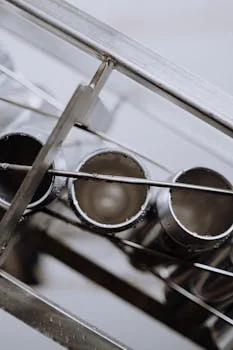
Selection of a wastewater equipment vendor in Indiana depends primarily on the supplier’s ability to provide IDEM-compliant technology that withstands the state's significant seasonal temperature fluctuations. The following matrix compares the top 5 regional suppliers based on their 2025 technical offerings and service capabilities.
| Supplier | Primary Focus | Key Equipment Categories | Target Industries | Compliance Certs |
|---|---|---|---|---|
| Covalen | Municipal & Developer | Package Plants, Lift Stations, Grinder Pumps | Rural Communities, Residential Dev | NSF, UL, IDEM |
| Faco | Headworks & Valves | Screening Systems, AWWA Valves, Odor Control | Municipal, Heavy Industrial | AWWA, NSF 61 |
| Pelton | Chemical Feed | pH Adjustment, Chemical Metering, Disinfection | Municipal Water/Wastewater | UL 508A, NSF |
| Gripp | Advanced Filtration | MBR Systems, Membrane Filtration, Monitoring | Hospitals, Water Reuse Sites | NSF/ANSI 46 |
| ChemREADY | Industrial Pretreatment | DAF Systems, Clarifiers, Turnkey Solutions | Food Processing, Manufacturing | IDEM Industrial |
Covalen maintains a strong presence in the Indianapolis market, specializing in package plants with capacities ranging from 1 to 80 m³/h. While they excel in lift station design and residential development projects, they are often less competitive for high-flow industrial applications exceeding 300 m³/h. Faco is the regional leader for headworks, offering screening systems that achieve 95%+ TSS removal, though they lack the biological treatment depth of membrane-focused vendors. Pelton Environmental Products provides essential chemical feed systems, such as Chemco Systems for pH adjustment, which are critical for meeting Indiana’s discharge pH requirements (6–9), though their service coverage is thinner in the northernmost counties.
For high-purity requirements, Gripp, Inc. offers advanced membrane technologies ideal for water reuse, though these systems carry higher upfront capital costs. ChemREADY provides localized Indianapolis expertise with a focus on turnkey industrial solutions. They are particularly effective for rapid-deployment projects where a facility needs to reach compliance quickly to avoid pending legal action from local sewer districts.
Indiana-Specific Compliance Requirements for Sewage Treatment Equipment
The Indiana Department of Environmental Management (IDEM) mandates that municipal wastewater treatment facilities maintain Total Suspended Solids (TSS) levels below 30 mg/L, while industrial users often face stricter pretreatment limits depending on local sewer use ordinances. These regulations dictate the type of equipment required for any new project or upgrade. For instance, food processing plants in Indiana are typically required to limit FOG to 100 mg/L and BOD to 100 mg/L before discharging into the municipal sewer system.
Beyond state-level IDEM limits, major Indiana municipalities like Fort Wayne, Evansville, and Indianapolis (Citizens Energy Group) have established local sewer use ordinances. These often include strict requirements for odor control equipment and sludge disposal protocols. For example, any equipment installed within the Indianapolis consolidated city limits must often include vapor-phase carbon adsorbers or biofilters if the influent stream has high H2S concentrations. control panels must meet UL 508A standards to comply with local electrical codes, and biological systems are frequently required to meet NSF/ANSI 40 or 46 certifications.
Heavy metal limits are also a significant concern for Indiana’s manufacturing sector. Dischargers in the automotive or electronics sectors must often meet limits as low as 1.3 mg/L for copper and 0.5 mg/L for chromium. Meeting these standards requires specialized chemical precipitation units followed by high-efficiency clarification. In one instance, a South Bend food processor avoided $250,000 in potential fines by installing a DAF system for Indiana food processing and industrial wastewater (4–300 m³/h) equipped with automatic pH adjustment and coagulant dosing, ensuring they stayed within the narrow pH 6-9 window required by their local NPDES permit.
Equipment Performance Benchmarks: DAF vs. MBR vs. Package Plants for Indiana Projects
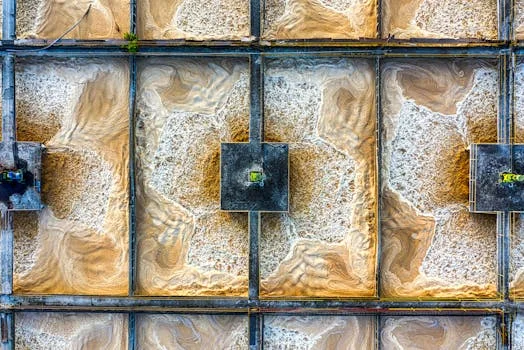
Membrane Bioreactor (MBR) systems achieve a 60% smaller physical footprint compared to conventional activated sludge systems, making them the preferred technical choice for Indiana’s space-constrained urban industrial sites. When evaluating equipment, engineers must compare removal efficiencies, energy consumption, and footprint to determine the best fit for the influent characteristics.
| Technology | TSS Removal | BOD Reduction | Energy Use (kWh/m³) | Best Use Case |
|---|---|---|---|---|
| DAF Systems | 92–97% | 50–80% | 0.5–1.2 | Food Processing, FOG Removal |
| MBR Systems | >99% | >98% | 0.8–1.5 | Hospitals, Water Reuse |
| Package Plants | 90% | 85–95% | 0.3–0.8 | Rural Communities, Schools |
Dissolved Air Flotation (DAF) is the workhorse of Indiana’s food and beverage industry. According to EPA performance data, DAF systems consistently achieve 70–90% FOG removal, which is essential for compliance in dairy and meat processing. For high-strength municipal or medical waste, MBR systems for Indiana hospitals and water reuse projects (<1 mg/L BOD) provide the highest level of treatment, delivering effluent with <1 mg/L BOD and <5 mg/L TSS, effectively removing 99.9% of pathogens.
For decentralized applications, such as a new housing development in Hamilton County or a rural school in Jasper County, Indiana-approved package sewage treatment plants (1–80 m³/h) offer a balance of efficiency and low operational complexity. These systems, such as the WSZ series, are designed for fully automated operation, reducing the need for on-site certified operators. How package plants compare to conventional systems for Indiana projects often comes down to the lower energy consumption (0.3–0.8 kWh/m³) and the ability to be installed underground to preserve site aesthetics and protect against Indiana's winter temperatures.
2025 Cost Benchmarks for Sewage Treatment Equipment in Indiana
Capital expenditures for sewage treatment equipment in Indiana typically range from $50,000 for basic dissolved air flotation units to over $1,000,000 for large-scale MBR installations, with ROI realized through the elimination of municipal surcharge fees. Budgeting for 2025 requires an understanding of both the initial purchase price and the long-term operational costs, which include energy, chemicals, and maintenance labor.
| System Type | CapEx Range | OpEx per m³ | Installation % | Typical ROI |
|---|---|---|---|---|
| DAF | $50k – $300k | $0.10 – $0.30 | 20–25% | 2–4 Years |
| MBR | $200k – $1M+ | $0.20 – $0.50 | 30–40% | 3–5 Years |
| Package Plant | $80k – $500k | $0.05 – $0.20 | 25–30% | 5–7 Years |
Installation costs in Indiana usually account for 20% to 40% of the total project budget. MBR systems sit at the higher end of this range due to the complexity of membrane skid integration and sensitive control calibration. However, the ROI for these systems is often accelerated by the reduction in water procurement costs if the effluent is reused for cooling towers or irrigation. For a detailed national comparison, see the national cost benchmarks for Indiana budgeting and grant applications.
Indiana offers several financial incentives to offset these costs. The IDEM State Revolving Fund (SRF) provides low-interest loans for municipal water quality projects, while the USDA Rural Development program offers grants and loans for communities with populations under 10,000. For industrial facilities, the ROI is often driven by the avoidance of "high-strength" surcharges, which can exceed $5,000 per month for even mid-sized food processors in cities like Fort Wayne.
How to Choose the Right Sewage Treatment Equipment Supplier for Your Indiana Project
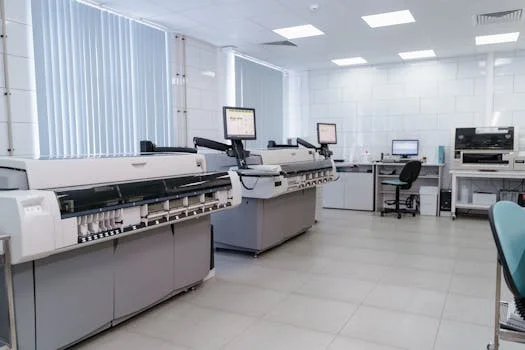
Successful sewage treatment projects in Indiana require a five-step evaluation framework that prioritizes influent characterization and pilot testing to ensure long-term compliance with IDEM discharge permits. Choosing a supplier is not merely about the lowest bid; it is about finding a partner who understands the local regulatory environment and can provide rapid technical support when systems go offline.
- Step 1: Define Project Scope: Quantify your peak flow rates and average daily flow. Conduct a 24-hour composite sampling of your influent to understand TSS, BOD, and nutrient loading.
- Step 2: Match Equipment to Compliance: If your NPDES permit has strict phosphorus limits, ensure the supplier offers enhanced biological phosphorus removal (EBPR) or integrated chemical precipitation.
- Step 3: Evaluate Local Support: Ask for a list of IDEM-approved installations within 100 miles. A supplier with a service center in Indianapolis or Fort Wayne will provide significantly faster emergency response than one based out of state.
- Step 4: Request Pilot Testing: For complex industrial waste, insist on a pilot study. This is the only way to guarantee that a DAF or MBR system will meet performance benchmarks on your specific waste stream.
- Step 5: Total Cost of Ownership (TCO) Analysis: Compare the 10-year TCO, including membrane replacement cycles for MBRs or chemical consumption for DAF units.
Red flags to watch for include vendors who cannot provide specific Indiana DEM references or those who offer vague performance guarantees. In the wastewater industry, "guaranteed to meet local limits" should be backed by a performance bond or a clearly defined technical specification in the contract.
Frequently Asked Questions
What are the Indiana DEM discharge limits for industrial wastewater?
Limits vary by industry and location, but standard pretreatment requirements often include 100 mg/L for TSS, 100 mg/L for BOD, and 100 mg/L for FOG. Specific industries, such as metal finishing, face much stricter limits on heavy metals (e.g., 1.3 mg/L for copper) per IDEM 2024 guidelines.
How much does a DAF system cost for a 50,000 GPD food processing plant in Indiana?
A typical 50,000 GPD DAF system costs between $120,000 and $200,000 installed. Operating costs generally range from $0.15 to $0.25 per cubic meter, covering electricity and chemical coagulants required for Indiana-specific compliance.
Which Indiana suppliers offer MBR systems for hospital wastewater?
Gripp, Inc. and ChemREADY are the primary regional providers with experience in MBR installations for medical facilities. Both vendors offer systems that meet the high pathogen removal standards required for hospital discharge in Indiana.
What are the maintenance requirements for package sewage treatment plants in Indiana?
Maintenance typically includes quarterly sludge removal, annual membrane cleaning (for MBR-based package plants), and biannual IDEM compliance testing. During winter months, additional inspections of heat tracing and insulation are recommended.
Can I get a grant for sewage treatment equipment in Indiana?
Yes. IDEM offers the State Revolving Fund (SRF) for municipal projects, which can cover up to 50% of costs in some cases. Smaller communities often qualify for USDA Rural Development loans and grants for projects that improve local water quality.