How Canadian Municipal Sewage Treatment Plants Work: A Stage-by-Stage Breakdown
Canada operates over 2,500 municipal sewage treatment plants, treating 15 billion liters of wastewater daily. The largest, Montreal's Jean-R. Marcotte plant, handles 2.5 million m³/day with 95% BOD removal. Canadian plants must comply with the Canada-wide Strategy for Municipal Wastewater Effluent (2012), which sets national performance standards for TSS (<25 mg/L), BOD (<25 mg/L), and total residual chlorine (<0.02 mg/L). Provincial variations exist—for example, Ontario requires phosphorus removal to <0.5 mg/L for plants discharging into the Great Lakes.
The engineering of a municipal sewage treatment plant in Canada follows a rigorous multi-stage process designed to handle high hydraulic variability and extreme temperature fluctuations. Preliminary treatment is the first line of defense, where rotary mechanical bar screens (GX Series) remove 85-95% of inorganic debris larger than 6 mm. These systems typically utilize rake mechanisms with specific screen openings to protect downstream pumps and membranes from damage. Without efficient screening, downstream maintenance costs can increase by 30% due to equipment fouling.
Primary treatment focuses on physical separation via sedimentation tanks. These basins are engineered to remove 50-70% of Total Suspended Solids (TSS) and 25-40% of Biological Oxygen Demand (BOD). Engineers design these tanks with hydraulic retention times (HRT) of 1.5 to 2.5 hours and surface loading rates ranging from 30 to 50 m³/m²/day. Secondary treatment introduces biological processes, such as activated sludge or Membrane Bioreactors (MBR), to achieve 85-95% BOD removal. In these systems, maintaining Mixed Liquor Suspended Solids (MLSS) levels between 2,000 and 4,000 mg/L and Food-to-Microorganism (F/M) ratios of 0.2-0.5 kg BOD/kg MLSS/day is critical for biological stability.
Tertiary treatment is increasingly mandatory in Canada for nutrient control. High-efficiency DAF systems are deployed here to remove 90-97% of TSS and 60-80% of phosphorus through micro-bubble generation and automated skimming. Finally, disinfection ensures public safety; chlorine dioxide generators achieve a 99.99% pathogen kill rate with dosing rates of 2-5 mg/L and contact times of 30-60 minutes.
| Treatment Stage | Core Equipment | Technical Parameter | Removal Efficiency |
|---|---|---|---|
| Preliminary | Mechanical Bar Screens | >6 mm openings | 85-95% Debris |
| Primary | Sedimentation Tanks | 1.5-2.5h HRT | 50-70% TSS, 25-40% BOD |
| Secondary | MBR / Activated Sludge | 2,000-4,000 mg/L MLSS | 85-95% BOD |
| Tertiary | DAF Systems | 5-10 m/h Loading Rate | 90-97% TSS, 60-80% P |
| Disinfection | ClO2 Generators | 2-5 mg/L Dosing | 99.99% Pathogens |
Canada’s Wastewater Treatment Standards: Compliance Requirements by Province
Federal enforcement of the Wastewater Systems Effluent Regulations (WSER) establishes a mandatory baseline for all Canadian jurisdictions, requiring TSS and BOD levels to remain below 25 mg/L. This national framework, established under the Canada-wide Strategy for Municipal Wastewater Effluent, includes a phased enforcement timeline running from 2015 through 2040, prioritizing upgrades for high-risk "raw sewage" outfalls. However, provincial regulators often impose much stricter limits based on the sensitivity of the receiving water body.
In Ontario, plants discharging into the Great Lakes basin face stringent phosphorus limits, often required to reach <0.5 mg/L or even <0.1 mg/L in sensitive watersheds. This necessitates advanced chemical dosing systems using ferric chloride or alum, followed by high-rate filtration. Quebec implements specific ammonia limits, particularly for plants exceeding 10,000 Person Equivalent (PE), with standards as low as 1.25 mg/L. These limits are seasonally adjusted, acknowledging that nitrification rates drop significantly during winter months (HydropureWater regulatory analysis, 2025).
British Columbia focuses heavily on effluent toxicity. Plants with a capacity over 5,000 PE must pass rainbow trout bioassays, where effluent is deemed non-toxic only if at least 50% of the test fish survive a 96-hour exposure to 100% concentration effluent. In Alberta, the Water Act governs nutrient limits for the Bow River and North Saskatchewan River, often capping total nitrogen at <10 mg/L to prevent eutrophication in downstream prairie ecosystems.
| Jurisdiction | Key Parameter | Limit / Standard | Regulatory Driver |
|---|---|---|---|
| Federal (WSER) | TSS / BOD | <25 mg/L | Fisheries Act |
| Ontario | Total Phosphorus | <0.5 mg/L | Great Lakes Water Quality Agreement |
| Quebec | Ammonia (NH3-N) | <1.25 mg/L | Environment Quality Act |
| British Columbia | Acute Toxicity | 96h LC50 (Trout) | Environmental Management Act |
| Alberta | Total Nitrogen | <10 mg/L | Alberta Water Act |
Municipal Sewage Treatment Technologies Compared: MBR vs. DAF vs. Conventional Systems
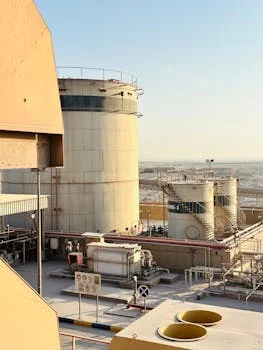
Membrane Bioreactor (MBR) systems represent the highest tier of secondary treatment, utilizing 0.1 μm ultrafiltration membranes to replace secondary clarifiers. These MBR systems for cold-weather performance and high-quality effluent are particularly effective in Canada because they maintain high biomass concentrations even when temperatures drop. While conventional activated sludge systems see a drop to 70% removal efficiency when water temperatures fall below 10°C, MBR systems (DF Series) consistently maintain 90%+ removal at 5°C. The trade-off is energy consumption; MBRs typically require 0.8-1.2 kWh/m³ compared to 0.3-0.6 kWh/m³ for conventional systems, though they offer a 60% smaller physical footprint.
Dissolved Air Flotation (DAF) serves a different primary function, often used for tertiary phosphorus removal or thickening waste activated sludge. These high-efficiency DAF systems for TSS and phosphorus removal operate with hydraulic loading rates of 5-10 m/h and require precise chemical conditioning, typically using 50-100 mg/L of polyaluminum chloride (PAC). For a technical deep dive into MBR systems, engineers must evaluate the long-term membrane replacement costs, which currently range from $50 to $100 per m² of membrane area.
Conventional activated sludge remains the most common technology for large-scale Canadian plants due to lower operational costs. However, it produces more sludge (0.5-0.8 kg TSS per kg BOD removed) and struggles with "sludge bulking" in cold weather. Hybrid systems are emerging as a solution for high-strength municipal wastewater, such as in Alberta communities with significant food processing industries. A case study from a southern Alberta municipality showed that combining DAF pretreatment with MBR secondary treatment resulted in 98% COD removal and 99% TSS removal, even under fluctuating organic loads.
| Feature | MBR (DF Series) | DAF | Conventional Activated Sludge |
|---|---|---|---|
| Effluent Quality | Ultra-high (<2 mg/L TSS) | High (<10 mg/L TSS) | Moderate (<20 mg/L TSS) |
| Footprint | Very Small (40%) | Small | Large (100%) |
| Energy Use | 0.8-1.2 kWh/m³ | 0.2-0.4 kWh/m³ | 0.3-0.6 kWh/m³ |
| Cold Performance | Excellent (>90% at 5°C) | N/A (Physical process) | Poor (<70% below 10°C) |
| Primary Use | Secondary Treatment | Tertiary / Pretreatment | Secondary Treatment |
Cost Breakdown for Canadian Municipal Sewage Treatment Plants: CAPEX, OPEX & ROI
Capital expenditure (CAPEX) for a new municipal sewage treatment plant in Canada typically ranges from $5 million to $15 million per 10,000 m³/day of capacity, depending on the complexity of the treatment train. Recent data from Alberta (2023) indicates a benchmark cost of approximately $8.2 million for a 15,000 m³/day plant utilizing conventional secondary treatment. For procurement teams, understanding these cost benchmarks for Alberta’s wastewater treatment plants is essential for long-term budget planning and securing provincial grants.
Operating expenditure (OPEX) generally falls between $0.30 and $0.80 per cubic meter of treated water. This cost is broken down into energy (40%), chemicals (25%), labor (20%), and maintenance (15%). While MBR systems carry a 20-30% higher CAPEX due to membrane costs and advanced aeration requirements, they can offer a 15-25% lower OPEX over a 20-year lifecycle by reducing sludge hauling volumes and eliminating the need for tertiary filtration. For phosphorus removal upgrades, detailed technical guide to DAF systems in Canada suggests a typical payback period of 3 to 5 years through chemical optimization and reduced environmental surcharges.
Sludge management is the single largest variable in OPEX. Utilizing sludge dewatering equipment for municipal and industrial applications, such as plate and frame filter presses, can produce cake with 90% dry solids. This significantly reduces disposal costs compared to centrifuges, which typically reach only 80% dry solids. A plate and frame press for a mid-sized municipality costs between $150,000 and $300,000, but the reduction in landfill trips often justifies the investment within 24 months.
| Cost Component | Conventional Plant | MBR Plant | DAF Upgrade (Tertiary) |
|---|---|---|---|
| CAPEX (per 10k m³/d) | $8M - $10M | $12M - $15M | $200k - $500k |
| OPEX (per m³) | $0.45 - $0.60 | $0.65 - $0.85 | +$0.05 - $0.10 |
| Sludge Disposal | High Volume | Low Volume | Moderate |
| Maintenance Focus | Clarifier Drives | Membrane Cleaning | Micro-bubble Pumps |
Equipment Selection Guide: Matching Treatment Technologies to Canadian Plant Needs
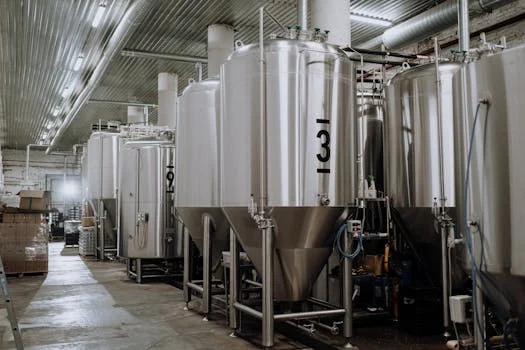
Selecting the correct equipment for a Canadian municipal sewage treatment plant requires a decision framework that accounts for influent strength, hydraulic peaks, and local climate. For small communities or decentralized developments with less than 5,000 PE, underground package sewage treatment systems for small communities (WSZ Series) provide an ideal solution. These systems occupy a minimal footprint (20-50 m²) and are fully automated, reducing the need for on-site specialized labor while protecting the biological process from freezing temperatures via soil insulation.
When dealing with high influent TSS (exceeding 500 mg/L) or high BOD (exceeding 300 mg/L), engineers should prioritize high-efficiency DAF systems for TSS and phosphorus removal for pretreatment or tertiary polishing. In Ontario and the Great Lakes region, where phosphorus limits are strict, DAF systems are the gold standard for achieving <0.5 mg/L effluent. For energy efficiency, MBR systems equipped with variable-frequency drives (VFDs) can reduce aeration energy consumption by up to 30% by matching blower output to real-time dissolved oxygen demand—a critical feature for plants facing rising carbon taxes and energy costs.
The selection of MBR systems for cold-weather performance and high-quality effluent is the most robust choice for northern climates. By maintaining a high sludge age and MLSS concentration, these systems prevent the "washout" of nitrifying bacteria during cold-weather hydraulic surges. For municipalities focused on ROI, the use of a sludge dewatering equipment for municipal and industrial applications like the plate and frame press ensures that the final byproduct is easy to handle and inexpensive to transport, completing a sustainable and cost-effective treatment cycle.
Frequently Asked Questions
Where does Toronto sewage go?Toronto’s sewage is treated at four major plants: Ashbridges Bay, North Toronto, Humber, and Highland Creek. Ashbridges Bay is the largest, serving 1.4 million residents with a capacity of 818,000 m³/day. After treatment to secondary standards, the effluent is discharged into Lake Ontario via a 3.5 km outfall pipe. Residual sludge is either incinerated on-site or processed into pellets for beneficial reuse.
Does Vancouver pump sewage into the ocean?No. While Vancouver historically used primary treatment for some areas, the Iona Island and Lions Gate plants have undergone major upgrades to treat 1.1 million m³/day to secondary standards before discharge into the Strait of Georgia. The city has aggressively phased out raw sewage outfalls since 2006 to comply with federal Fisheries Act regulations.
How many water treatment plants are there in Canada?Canada has over 2,500 municipal sewage treatment plants, serving approximately 86% of the population. Ontario manages the largest share with over 500 plants, followed by Quebec with 400+. The remaining 14% of the population, primarily in rural areas, relies on private septic systems or communal lagoons.
What are the largest municipal sewage treatment plants in Canada?The top three largest facilities are: 1. Jean-R. Marcotte (Montreal) at 2.5 million m³/day; 2. Ashbridges Bay (Toronto) at 1.0 million m³/day design capacity; 3. Gold Bar (Edmonton) at 310,000 m³/day. These plants utilize advanced biological and chemical processes to protect Canada's major river systems and Great Lakes.
What are the key challenges for Canadian sewage treatment plants?The primary challenges include cold-weather performance (which slows biological activity), managing combined sewer overflows (CSOs) that affect 15% of the population during heavy rain, and meeting increasingly strict nutrient removal standards for phosphorus and nitrogen to prevent toxic algae blooms.
Related Equipment
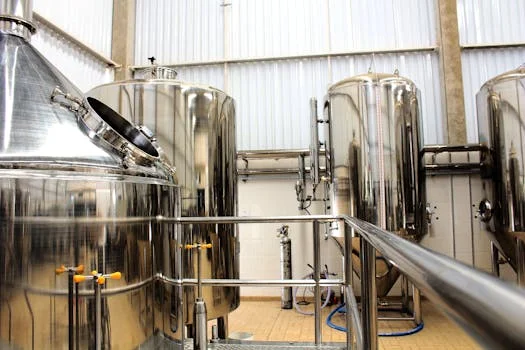
The following HydropureWater products are engineered for the wastewater challenges discussed above:
- underground package sewage treatment systems for small communities — view specifications, capacity range, and technical data
- high-efficiency DAF systems for TSS and phosphorus removal — view specifications, capacity range, and technical data
- MBR systems for cold-weather performance and high-quality effluent — view specifications, capacity range, and technical data
Need a customized solution? Request a free quote with your specific flow rate and pollutant parameters.