Package Wastewater Treatment Plants in Germany: Technical Guide, Costs & Compliance 2025
Package wastewater treatment plants in Germany offer rapid deployment for industrial and municipal applications, with capacities ranging from 50 to 1,380 population equivalents (PE) in containerized, underground, or mobile configurations. Klaro GmbH’s 40ft containerized systems (up to 1,380 PE) achieve 95%+ BOD/TSS removal, while underground WSZ series plants (1–80 m³/h) comply with EU Directive 91/271/EEC and German AbwV standards. Costs vary from €15,000–€500,000 depending on capacity, technology (e.g., MBR vs. A/O), and automation level, with OPEX averaging €0.10–€0.30 per m³ treated.Why Package Wastewater Treatment Plants Are Gaining Traction in Germany
The adoption of package wastewater treatment plants in Germany is significantly driven by a need for rapid, compliant, and space-efficient solutions for decentralized wastewater management. A Bavarian food processing plant, for example, successfully reduced its CAPEX by 30% by opting for a 20ft containerized system instead of conventional concrete construction, demonstrating the financial advantages of modular solutions (MENA-WATER, 2023). This trend underscores the increasing demand from industries and municipalities facing stringent environmental regulations and tight project timelines. Key drivers for this market expansion include the strict mandates of the EU Urban Waste Water Directive 91/271/EEC, which requires secondary treatment for all agglomerations greater than 2,000 PE, and the even more rigorous German AbwV (Abwasserverordnung) discharge limits, such as 25 mg/L BOD and 125 mg/L COD, often with additional requirements for nitrogen and phosphorus removal. rural development programs, including funding from the German Federal Ministry of Food and Agriculture (BMEL) for small communities, incentivize the upgrade and expansion of wastewater infrastructure using modern, efficient package plants. These systems primarily come in three configurations: containerized, underground, and mobile. Containerized wastewater treatment plants offer the fastest deployment due to their pre-fabricated, plug-and-play design, making them ideal for temporary needs or rapid expansions, though their scalability can be limited by the number of containers. Underground modular sewage treatment plants, such as underground package sewage treatment plants (WSZ Series), are preferred for their minimal aesthetic impact and reduced noise, blending seamlessly into sensitive landscapes, but typically incur higher civil works costs for excavation and installation. Mobile systems, often trailer-mounted, provide unparalleled flexibility, serving as emergency solutions or for short-term projects, often available through lease options with lower upfront capital, though generally limited to lower capacities. The German market for package plants is experiencing a robust 12% CAGR from 2020–2025 (Frost & Sullivan), fueled by industrial decentralization, rapid urban development, and continuous municipal infrastructure upgrades.Technical Specifications: Removal Efficiencies, Footprint, and Energy Use
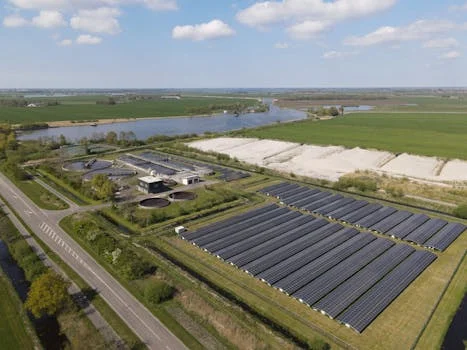
Table 1: Typical Removal Efficiencies for Package Wastewater Treatment Technologies
| Parameter | Influent Range (mg/L) | A/O System Removal Efficiency | SBR System Removal Efficiency | MBR System Removal Efficiency | Effluent Range (mg/L) | Source |
|---|---|---|---|---|---|---|
| BOD₅ | 200–500 | 85–95% | 90–97% | 98–99%+ | <10 (MBR), <25 (A/O, SBR) | EPA 2024, Klaro GmbH |
| COD | 400–1000 | 80–90% | 85–95% | 95–98%+ | <50 (MBR), <125 (A/O, SBR) | EPA 2024, Klaro GmbH |
| TSS | 200–400 | 90–98% | 90–98% | 99%+ (virtually zero) | <5 (MBR), <35 (A/O, SBR) | EPA 2024, Klaro GmbH |
| Total Nitrogen (TN) | 30–80 | 60–80% | 70–90% | 80–95% | <10 (MBR), <15 (A/O, SBR) | EPA 2024, Klaro GmbH |
| Total Phosphorus (TP) | 5–15 | 30–50% (biological) | 40–60% (biological) | 50–70% (biological) | <1 (with chemical dosing) | EPA 2024, Klaro GmbH |
Containerized vs. Underground vs. Mobile Systems: A Cost-Benchmarked Comparison
Evaluating package wastewater treatment plants in Germany involves a detailed assessment of both Capital Expenditure (CAPEX) and Operational Expenditure (OPEX) to determine the Total Cost of Ownership (TCO). This comparison is essential for engineering and procurement teams to align system selection with project budgets, timelines, and long-term financial goals.Table 2: CAPEX and OPEX Comparison for 500 PE Package Wastewater Treatment Plants
| System Type | Typical CAPEX (500 PE) | Key CAPEX Drivers | Typical OPEX (€/m³ treated) | Key OPEX Drivers | Typical Deployment Timeline |
|---|---|---|---|---|---|
| Containerized | €200,000 – €300,000 | Modular design, pre-fabricated, minimal civil works | €0.20 – €0.30 | Energy (aeration), chemical dosing, sludge disposal | 4–8 weeks |
| Underground | €300,000 – €400,000 | Excavation, civil works, landscaping, specialized tanks | €0.15 – €0.25 | Energy, routine maintenance, sludge disposal | 12–20 weeks |
| Mobile (Lease) | N/A (Lease Fee) | Lease terms, transport, installation/commissioning fee | €10,000 – €20,000 / month (lease + OPEX) | Lease payment, energy, operator labor, sludge disposal | 2–4 weeks |
EU and German Compliance: Permits, Discharge Limits, and Certification Requirements
- Preliminary Design Approval (Vorbescheid): This initial step confirms the general feasibility of the project and its compliance with zoning and environmental regulations.
- Construction Permit (Baugenehmigung): Once the preliminary design is approved, a detailed construction permit is required, covering all civil, mechanical, and electrical aspects of the plant.
- Operational Permit (Betriebserlaubnis): Before commissioning, an operational permit is issued, confirming that the plant is built according to approved plans and can operate safely and meet discharge standards.
How to Select the Right Package Plant for Your Project: A Decision Framework
Selecting the appropriate package wastewater treatment plant for a German or EU project requires a structured approach that aligns technical capabilities with project-specific constraints and regulatory demands. This decision framework guides engineering managers and procurement officers through a logical sequence of evaluations.Step 1: Define Influent Characteristics. Accurately characterize the raw wastewater's composition. This includes parameters such as Biochemical Oxygen Demand (BOD), Chemical Oxygen Demand (COD), Total Suspended Solids (TSS), Fats, Oils, and Grease (FOG), pH, and temperature. For example, industrial wastewater from food processing plants often has high FOG content and fluctuating pH, which may necessitate specific pretreatment technologies like DAF systems for industrial wastewater pretreatment to prevent operational issues in the biological treatment stage.
Step 2: Determine Effluent Requirements. Identify the specific discharge limits mandated by the EU Urban Waste Water Directive 91/271/EEC and the German AbwV, as well as any local authority stipulations or water reuse standards. For instance, if the treated effluent is intended for irrigation, it might require a BOD of less than 10 mg/L, making an MBR system the recommended choice due to its superior filtration capabilities.
Step 3: Assess Site Constraints. Evaluate physical limitations and environmental considerations of the project site. This includes available space, potential noise impact on surroundings, and aesthetic requirements. Urban sites, for example, often prefer underground systems to minimize visual impact and noise, while remote industrial sites might prioritize the rapid deployment and flexibility of mobile leases or containerized units.
Step 4: Evaluate Budget and Timeline. Analyze the project's financial constraints (CAPEX vs. OPEX) and the required deployment schedule. CAPEX-sensitive projects might lean towards more traditional A/O systems, which generally have lower initial costs. Conversely, projects with urgent deadlines or temporary needs will favor containerized wastewater treatment plants or mobile units, which offer significantly faster deployment times.
Step 5: Supplier Selection Checklist. Beyond technical specifications and cost, evaluate potential suppliers based on critical support factors. This includes DIBt certification for their systems, the availability and responsiveness of a local service network within Germany, clear performance guarantees (e.g., 95% uptime), and comprehensive operator training programs. A robust supplier ensures long-term operational reliability and compliance.
Frequently Asked Questions

Q: What is a wastewater package plant?
A: A wastewater package plant is a pre-engineered, modular wastewater treatment system delivered in containers, underground tanks, or trailers. These systems are designed for rapid deployment and plug-and-play operation, offering a compact and efficient solution for decentralized wastewater treatment. For example, Klaro’s 40ft containerized plant can treat up to 1,380 PE with 95% BOD removal.
Q: How much does a package wastewater treatment plant cost in Germany?
A: The Capital Expenditure (CAPEX) for a package wastewater treatment plant in Germany ranges from approximately €15,000 for small 50 PE underground systems to €500,000 for large 1,000 PE containerized MBR plants. Operational Expenditure (OPEX) typically averages €0.10–€0.30 per m³ treated, depending on the chosen technology (e.g., MBR vs. A/O), energy consumption, and sludge disposal costs.
Q: What are the German regulations for package wastewater treatment plants?
A: Package wastewater treatment plants in Germany must comply with the EU Urban Waste Water Directive 91/271/EEC and the stricter German AbwV (Abwasserverordnung). Key requirements include discharge limits for BOD, COD, and TSS, with additional limits for Total Nitrogen (TN ≤ 10 mg/L) and Total Phosphorus (TP ≤ 1 mg/L) in sensitive areas. Plants larger than 50 PE typically require DIBt certification, and all systems must bear CE marking.
Q: Can package plants be used for industrial wastewater?
A: Yes, package plants are widely used for industrial wastewater treatment. However, industrial wastewater often has highly variable characteristics (e.g., high FOG, extreme pH, high COD), requiring specific pretreatment steps. For instance, a German chemical plant successfully deployed a containerized MBR system combined with DAF systems for industrial wastewater pretreatment to meet stringent COD limits of 150 mg/L.
Q: What is the largest containerized wastewater treatment plant available?
A: Klaro GmbH offers 40ft containerized systems capable of treating wastewater for up to 1,380 Population Equivalents (PE). For projects requiring larger capacities beyond this, multiple containerized units can be combined, or hybrid solutions integrating underground and containerized designs can be engineered to meet the specific demands.
Related Equipment
- underground package sewage treatment plants (WSZ Series) — view specifications, capacity range, and technical data
- MBR systems for high-quality effluent and compact footprint — view specifications, capacity range, and technical data
- DAF systems for industrial wastewater pretreatment — view specifications, capacity range, and technical data
Need a customized solution? Request a free quote with your specific flow rate and pollutant parameters.