Top Sewage Treatment Equipment Suppliers in Córdoba: Technical Guide & Cost Comparison 2025
Córdoba’s sewage treatment equipment market is characterized by suppliers offering solutions tailored to Spain’s EU compliance standards, specifically Directive 91/271/EEC, and regional needs such as winery effluent or municipal wastewater. In 2025, industrial buyers can anticipate capital expenditures ranging from €50,000 for compact package plants (10 m³/h capacity) to over €2 million for large-scale MBR systems (500 m³/h capacity), with critical performance differentiators including TSS removal efficiency (typically 92–98%), energy consumption (0.3–0.8 kWh/m³), and physical footprint (ranging from 50–300 m²). This comprehensive guide provides a detailed comparison of top suppliers, technical specifications, and cost benchmarks to facilitate an informed procurement decision for projects in Córdoba.Why Córdoba’s Wastewater Treatment Needs Are Unique
Córdoba's industrial wastewater, particularly from its olive oil and winery sectors, consistently presents high organic loads (COD: 1,500–5,000 mg/L) and suspended solids (TSS: 300–1,200 mg/L), demanding specialized treatment solutions. The region’s economic backbone relies heavily on agriculture and related processing, making the efficient and compliant treatment of effluent from olive mills, wineries, and meat processing facilities a critical environmental and operational challenge. Olive mill wastewater, for instance, is characterized by high acidity (pH 4-5), extremely high COD (up to 20,000 mg/L), and significant concentrations of polyphenols, requiring robust pretreatment. Wineries produce effluent with high BOD (1,000-3,000 mg/L), TSS, and fluctuating pH, while meat processing generates high levels of FOG (fat, oil, and grease) and nitrogen compounds. EU Directive 91/271/EEC mandates secondary treatment for all urban agglomerations exceeding 2,000 population equivalent (PE), with even stricter limits for discharge into sensitive areas like the Guadalquivir River basin. Non-compliance with these stringent regulations risks substantial penalties, with fines for violations reaching up to €1 million in Andalusia (Andalusia regional data, 2024). The chronic water scarcity in Andalusia, exacerbated by the 2023 drought which saw reservoir levels plummet to 23% capacity, intensifies the demand for advanced wastewater reuse systems. This aligns with the EU’s ambitious target to achieve 90% wastewater reuse by 2030, making technologies like MBR and tertiary filtration essential for industrial and municipal sustainability in Córdoba.Key Sewage Treatment Equipment Types for Córdoba’s Needs
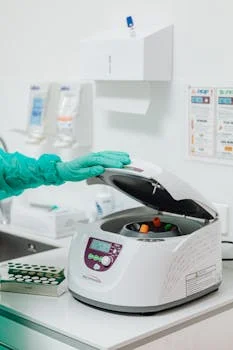
- Package Plants (e.g., HydropureWater WSZ Series): These compact, pre-engineered units are ideal for small communities, hotels, rural developments, or remote industrial facilities with capacities typically ranging from 10–500 m³/day. They are often fully automated, designed for buried installation to minimize visual impact, and require minimal operator intervention, making them cost-effective for decentralized treatment. The compact WSZ package plant for small communities can deliver effluent with BOD levels below 30 mg/L.
- DAF Systems (e.g., HydropureWater): Dissolved Air Flotation (DAF) systems are critical for industrial pretreatment, excelling in the removal of fats, oils, and grease (FOG) with efficiencies often exceeding 95%, and total suspended solids (TSS) removal of 90%+. These systems are widely employed in food processing, wineries, and meat processing plants where FOG and TSS can overwhelm biological treatment stages. The high-efficiency DAF system for industrial pretreatment is essential for protecting downstream processes.
- MBR Systems (e.g., HydropureWater MBR): Membrane Bioreactor (MBR) systems integrate biological treatment with membrane filtration, producing near-reuse quality effluent with turbidity often below 1 NTU and achieving 99% pathogen removal (EPA 2024 benchmarks). MBR systems offer a significantly smaller footprint (up to 60% less space) compared to conventional activated sludge systems for the same capacity, making them suitable for space-constrained sites. Energy consumption for MBR typically ranges from 0.5–0.8 kWh/m³, a trade-off for superior effluent quality. A MBR system for near-reuse quality effluent is highly effective for water reuse initiatives.
- Activated Sludge (Extended Aeration): This conventional biological treatment method is common for municipal WWTPs, such as Ingesa’s projects in Villafranca and Villa del Río. Extended aeration variants operate with longer sludge retention times (SRT) of 20–30 days and mixed liquor suspended solids (MLSS) concentrations of 3,000–5,000 mg/L, leading to stable operation and reduced sludge production. While effective, they require a larger physical footprint.
- Anaerobic Digestion: Primarily used for high-strength organic waste, such as that generated by olive oil mills or certain food processing industries, anaerobic digestion converts organic pollutants into biogas (methane and carbon dioxide). Biogas yields typically range from 0.3–0.5 m³/kg COD removed, offering a potential energy recovery benefit.
| Equipment Type | Typical Application | Key Benefit | Removal Rates (Example) | Energy Use (Example) | Footprint (Relative) |
|---|---|---|---|---|---|
| Package Plants (WSZ Series) | Small communities, hotels, rural areas | Compact, automated, low operator input | BOD <30 mg/L | 0.3-0.5 kWh/m³ | Small |
| DAF Systems | Industrial pretreatment (food, wineries, meat) | High FOG (95%+) & TSS (90%+) removal | FOG 95%+, TSS 90%+ | 0.15-0.3 kWh/m³ | Medium |
| MBR Systems | Industrial reuse, high-quality discharge | Near-reuse quality effluent, small footprint | BOD <10 mg/L, Turbidity <1 NTU | 0.5-0.8 kWh/m³ | Very Small (60% less than AS) |
| Activated Sludge (Extended Aeration) | Municipal WWTPs | Proven, robust, lower OPEX for large scale | TSS 90-95%, BOD 85-92% | 0.3-0.5 kWh/m³ | Large |
| Anaerobic Digestion | High-strength organic waste (olive mills) | Biogas production (energy recovery) | COD 85-95% | Net energy producer (biogas) | Medium-Large |
Top 5 Sewage Treatment Equipment Suppliers in Córdoba: Technical Comparison
BioCycle, a leading supplier in Córdoba, specializes in anaerobic digestion systems, achieving 85–95% COD removal for high-strength organic waste from industries like wineries and olive mills. The Córdoba market features several specialized suppliers, each with distinct strengths in technology, application focus, and compliance adherence.- BioCycle: This supplier is prominent for its expertise in anaerobic digestion systems, particularly suited for treating high-strength organic wastewater from industries such as wineries and olive mills. Their systems typically achieve COD removal efficiencies of 85–95% and can generate biogas at a rate of approximately 0.4 m³/kg COD removed. BioCycle solutions are designed to meet EU Directive 91/271/EEC standards for industrial discharge, often integrating energy recovery.
- Ingesa: Ingesa focuses on large-scale municipal wastewater treatment plants (WWTPs), with notable projects in Córdoba like those in Villafranca and Villa del Río. Their primary offering involves extended aeration activated sludge systems, which reliably achieve TSS removal rates of 90–95% and BOD removal of 85–92%. These plants typically require a footprint of 200–500 m² for capacities ranging from 500–2,000 m³/day.
- Estruagua: Estruagua provides a range of urban and industrial wastewater treatment equipment, including high-performance DAF and MBR systems. Their DAF systems are engineered to remove over 95% of FOG and more than 90% of TSS from industrial effluents. Estruagua’s MBR systems are capable of producing effluent with very low BOD (<10 mg/L) and turbidity (<1 NTU), suitable for stringent discharge limits or reuse applications (company data).
- HydropureWater: HydropureWater offers comprehensive, turnkey wastewater treatment solutions, including compact WSZ package plants, DAF systems, and MBR technology. The WSZ series is designed for capacities ranging from 1–80 m³/h, consistently delivering effluent with BOD levels below 30 mg/L. Their MBR systems are particularly effective, achieving up to 99% pathogen removal, making them suitable for sensitive applications and water reuse (EPA 2024). Additionally, HydropureWater provides specialized solutions like the ozone-based hospital wastewater treatment system with 99%+ kill rates for pathogens.
- Watercare (Quicesa): Through its CPI division, Watercare (Quicesa) offers consultancy services alongside specialized water treatment equipment. They focus on providing tailored solutions, including chemical dosing and advanced disinfection systems. Watercare has expertise in treating specific wastewater types, such as hospital wastewater, often utilizing ozone disinfection for high pathogen kill rates and compliance with stringent public health standards.
| Supplier | Specialization / Key Technology | Performance Metric (Example) | Typical Footprint (Relative) | Compliance / Key Feature |
|---|---|---|---|---|
| BioCycle | Anaerobic Digestion for organic waste | COD removal: 85–95%; Biogas: 0.4 m³/kg COD | Medium-Large | EU Directive 91/271/EEC for industrial discharge |
| Ingesa | Municipal WWTPs, Extended Aeration Activated Sludge | TSS removal: 90–95%; BOD removal: 85–92% | Large (200–500 m² for 500–2,000 m³/day) | Municipal discharge standards |
| Estruagua | Urban/Industrial DAF & MBR systems | DAF: 95%+ FOG, 90%+ TSS; MBR: <10 mg/L BOD | Variable (DAF: Medium; MBR: Small) | High-quality effluent for discharge/reuse |
| HydropureWater | Turnkey Package Plants (WSZ), DAF, MBR | WSZ: <30 mg/L BOD; MBR: 99% pathogen removal | Small-Very Small | Comprehensive solutions, high pathogen removal |
| Watercare (Quicesa) | Consultancy, Chemical Dosing, Disinfection | Ozone disinfection: 99%+ kill rate (hospital WW) | Variable (equipment specific) | Specialized applications, high disinfection standards |
Cost Benchmarks for Sewage Treatment Equipment in Córdoba (2025)
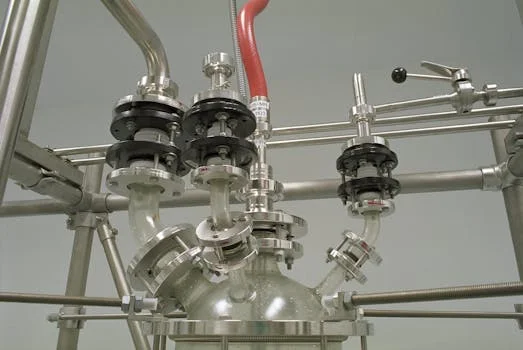
- Package Plants (WSZ Series): Initial CAPEX for capacities of 10–100 m³/h typically falls between €50,000 and €200,000. Operational costs (OPEX) for these systems are generally low, averaging €0.10–€0.25/m³, covering energy, chemicals, and routine maintenance. For small communities, the ROI can be realized within 3–5 years through avoided fines and improved public health (Andalusia Water Agency data).
- DAF Systems: Industrial DAF systems for capacities of 4–300 m³/h have a CAPEX range of €80,000–€300,000. OPEX is estimated at €0.15–€0.30/m³, primarily driven by energy for air compression and chemical coagulants/flocculants. For industries like wineries in the Montilla-Moriles region, DAF systems offer a rapid ROI by significantly reducing FOG surcharges, which can range from €50–€100 per ton of FOG discharged.
- MBR Systems: Capital costs for MBR systems, covering capacities from 50–500 m³/h, range from €500,000 to €2 million. OPEX is higher than conventional methods, typically €0.30–€0.50/m³, largely due to membrane replacement every 5–8 years and higher energy consumption for aeration and membrane scouring. However, the superior effluent quality enables water reuse for irrigation or industrial processes, yielding an ROI of 5–7 years for such projects. For global cost benchmarks for wastewater treatment, refer to our Wastewater Treatment Plant Cost Analysis.
- Activated Sludge (Municipal): Large-scale municipal activated sludge plants (1,000–10,000 m³/day) represent a significant investment, with CAPEX often between €1 million and €5 million. OPEX typically ranges from €0.20–€0.40/m³, with a substantial portion allocated to energy for aeration and sludge management. Sludge disposal costs in Andalusia can be considerable, at €100–€200 per ton.
| Equipment Type | CAPEX (2025 Range) | OPEX (€/m³) | Typical ROI (Years) | Key Cost Drivers |
|---|---|---|---|---|
| Package Plants (WSZ) | €50,000–€200,000 (10–100 m³/h) | €0.10–€0.25 | 3–5 | Equipment purchase, minimal civil works |
| DAF Systems | €80,000–€300,000 (4–300 m³/h) | €0.15–€0.30 | 1–3 (via surcharge reduction) | Equipment, chemicals, energy |
| MBR Systems | €500,000–€2M (50–500 m³/h) | €0.30–€0.50 | 5–7 (via water reuse) | Equipment, membrane replacement, energy |
| Activated Sludge (Municipal) | €1M–€5M (1,000–10,000 m³/day) | €0.20–€0.40 | N/A (compliance-driven) | Civil works, equipment, energy, sludge disposal |
How to Choose the Right Supplier: A Decision Framework for Córdoba Buyers
Selecting the appropriate sewage treatment equipment supplier in Córdoba requires a structured, five-step decision framework that prioritizes effluent characteristics, site constraints, energy efficiency, compliance, and pilot testing. This systematic approach ensures that the chosen solution aligns with both technical requirements and financial objectives.- Step 1: Define Effluent Characteristics and Discharge Limits. Begin by precisely characterizing your influent wastewater (e.g., COD, TSS, FOG, pH) and identifying the specific discharge limits mandated by EU and Andalusia regional standards. For instance, if FOG levels consistently exceed 500 mg/L, a DAF system is crucial for pretreatment. Create a parameter table to match your influent quality with the capabilities of different equipment types.
- Step 2: Assess Site Constraints. Evaluate physical site limitations, including available footprint, potential noise impact, and odor considerations. Compact package plants (WSZ Series) are ideal for small or remote sites. MBR systems offer a significant advantage by requiring up to 60% less space than conventional activated sludge systems for comparable capacity (EPA 2024), making them suitable for urban or land-constrained industrial facilities.
- Step 3: Evaluate Energy Efficiency and OPEX. Compare the energy consumption of different systems. MBR systems typically use 0.5–0.8 kWh/m³, while conventional activated sludge systems might range from 0.3–0.5 kWh/m³. Calculate the total operational expenditure (OPEX) over a 10-year period, considering energy, chemicals, maintenance, and sludge disposal costs. This long-term view can reveal significant savings despite higher initial CAPEX for more efficient technologies. For a technical deep dive on MBR systems, consult our article on How Does a Membrane Bioreactor Work.
- Step 4: Check Compliance and Certifications. Verify that potential suppliers provide equipment with necessary certifications, including CE marking for European markets and ISO 14001 for environmental management. Crucially, suppliers must demonstrate proven compliance with EU Directive 91/271/EEC and any specific Andalusia regional water quality standards through verifiable test reports and operational data.
- Step 5: Request Pilot Testing. For complex industrial applications, such as olive mills or specialized chemical processing, requesting pilot testing is highly recommended. Suppliers like HydropureWater often offer 3-month pilot trials for DAF or MBR systems to validate performance under actual site conditions and influent variability before committing to a full-scale installation. This step mitigates risk and ensures the chosen technology meets specific treatment goals.
Frequently Asked Questions
Q: How much does it cost to set up a sewage treatment plant in Córdoba?
A: The cost to set up a sewage treatment plant in Córdoba varies significantly, ranging from approximately €50,000 for small package plants (10 m³/h capacity) up to €5 million or more for large municipal wastewater treatment plants (10,000 m³/day). Key variables influencing the total cost include the chosen equipment type (e.g., DAF, MBR, activated sludge), the extent of civil works and site preparation, and any necessary upgrades to meet specific compliance standards (Andalusia Water Agency 2024).
Q: What is the difference between STP and WWTP?
A: STP (Sewage Treatment Plant) typically refers to facilities that primarily treat domestic sewage, which is wastewater from households and commercial buildings. WWTP (Wastewater Treatment Plant) is a broader term that encompasses the treatment of both domestic sewage and industrial effluent. In Córdoba, industries such as wineries and olive mills often require specialized WWTPs utilizing systems like DAF for pretreatment or MBR for advanced treatment to meet the stringent COD limits imposed by EU Directive 91/271/EEC.
Q: What are the largest water companies in Spain?
A: In Spain, large municipal water contracts are predominantly managed by major players like Acciona Agua, Suez Spain, and Agbar. However, Córdoba’s industrial sector, particularly for specialized wastewater challenges, often relies on dedicated equipment suppliers such as BioCycle, which specializes in anaerobic digestion for organic waste, and HydropureWater, known for its compact package plants and MBR systems.
Q: Can sewage treatment equipment be rented in Córdoba?
A: Yes, some suppliers, including HydropureWater, offer rental options for certain sewage treatment equipment, such as DAF or MBR systems. Rental costs typically range from €2,000–€10,000 per month for capacities between 50–500 m³/h. This option is ideal for temporary projects, emergency situations, or for pilot testing a system's performance before committing to a permanent purchase.
Q: What are the penalties for non-compliance with wastewater regulations in Córdoba?
A: Penalties for non-compliance with wastewater regulations in Córdoba are substantial, ranging from €10,000 for minor violations to over €1 million for repeated or severe breaches of EU Directive 91/271/EEC. The regional government of Andalusia actively enforces these regulations, conducting quarterly inspections to ensure adherence (2024 enforcement data).