Package wastewater treatment plants in Georgia, USA, are compact, self-contained systems designed for decentralized wastewater management in commercial, industrial, or rural settings not served by municipal sewers. They offer efficient on-site treatment, with capacities ranging from 1 m³/h for small communities to 2,000 m³/day for larger industrial applications, ensuring compliance with state environmental discharge standards.
Understanding Package Wastewater Treatment Plants for Georgia Applications
Package wastewater treatment plants in Georgia are engineered to process hydraulic loads ranging from 1 m³/h to 2,000 m³/day, providing a localized alternative to municipal infrastructure. Unlike large-scale municipal facilities, such as the South Cobb Water Reclamation Facility (WRF) which manages a capacity of 40 million gallons per day (MGD), package plants are designed for site-specific requirements where connection to a centralized grid is geographically or economically unfeasible. These systems are pre-fabricated, modular units that integrate multiple treatment stages—including primary settling, biological aeration, clarification, and disinfection—into a single or multi-tank configuration.
Georgia's diverse geography and rapid commercial expansion in peri-urban and rural areas drive the demand for decentralized treatment. For a commercial developer in North Georgia or an industrial facility manager in the coastal plains, a package plant serves as an essential utility. These systems are categorized as "package" units because they are typically manufactured off-site and delivered as ready-to-install modules. This contrasts sharply with municipal plants like those operated by the Macon Water Authority, which serve broad populations across entire counties. Package plants cater to specific non-municipal entities, including:
- Remote Residential Developments: New subdivisions where municipal sewer extensions exceed budget constraints.
- Hospitality and Resorts: Hotels, golf courses, and campgrounds located in environmentally sensitive or rural regions.
- Industrial Facilities: Food processing plants, manufacturing sites, and warehouses requiring pre-treatment or full treatment before discharge.
- Institutional Campuses: Hospitals, schools, and private correctional facilities operating independently of city utilities.
By utilizing advanced biological processes, these compact units achieve high-quality effluent that meets or exceeds the standards required for surface water discharge or subsurface irrigation, fulfilling the technical needs of Georgia’s commercial and industrial sectors.
Key Benefits of Implementing Package Plants in Georgia
Implementing a decentralized package plant can reduce capital expenditure by up to 60% compared to the costs associated with extending municipal sewer lines to remote Georgia development sites. For many facility managers, the primary advantage lies in the economic independence from escalating municipal tap-in fees and long-term sewage rates. When a business chooses a package system, they effectively control their own utility costs while avoiding the logistical hurdles of municipal bureaucracy.
Flexibility and scalability are inherent to the modular design of these systems. As a commercial site in Georgia grows—for instance, an industrial park adding new phases—additional modules can be integrated into the existing treatment train. This allows for a phased investment approach, matching wastewater capacity to actual site occupancy or production volume. The compact footprint of these units is a critical benefit for developers working with limited land area. You can compare skid mounted treatment plant options to understand how these compact configurations minimize site disruption during installation.
Environmental compliance is another significant driver. The Georgia Environmental Protection Division (EPD) maintains strict standards for effluent quality to protect the state's watersheds. Modern package plants are designed to meet these stringent limits consistently. For example, the HydropureWater WSZ Series is a fully automated system requiring minimal manual intervention, which is ideal for businesses that do not employ a full-time wastewater operator. The automation ensures that oxygen levels, sludge return rates, and disinfection dosing remain within programmed parameters, maintaining compliance 24/7. This reliability is essential for avoiding the heavy fines associated with EPD non-compliance.
Advanced Package Plant Technologies for Georgia's Diverse Needs
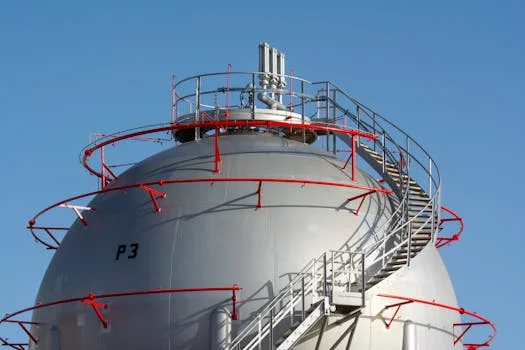
Modern package plants utilize distinct biological and mechanical technologies to achieve high-purity effluent, with the choice of technology depending on the specific contaminant profile of the wastewater. In Georgia, two primary technologies dominate the commercial and industrial market: Integrated A/O (Anoxic/Oxic) systems and Membrane Bioreactor (MBR) systems.
Underground Integrated Sewage Treatment (WSZ Series): This technology utilizes a biological contact oxidation process. The HydropureWater WSZ Series underground package sewage treatment plant is designed for capacities between 1 and 80 m³/h. It employs an A/O process where wastewater first enters an anoxic zone for denitrification, followed by an aerobic zone where microorganisms on a fixed biofilm carrier break down organic matter (BOD). These units are particularly popular in Georgia’s residential and hospitality sectors because they can be buried underground, allowing for landscaping or parking lots to be constructed above, thereby preserving the aesthetic value of the site.
MBR Membrane Bioreactor Systems: For applications requiring the highest possible effluent quality, such as water reuse or discharge into sensitive Georgia basins like the Ogeechee River, MBR technology is the gold standard. An integrated MBR membrane bioreactor system for high-quality effluent combines traditional activated sludge treatment with micro-filtration or ultra-filtration membranes (typically PVDF). This eliminates the need for a secondary clarifier and results in a footprint that is approximately 60% smaller than traditional systems. MBR systems, similar to the advanced facility in Richmond Hill, GA, produce effluent with turbidity levels below 1 NTU and can effectively remove pathogens without heavy chemical reliance.
| Feature | WSZ Series (A/O) | MBR Integrated System |
|---|---|---|
| Primary Application | Domestic sewage, hotels, rural areas | Industrial process water, water reuse, sensitive discharge |
| Treatment Capacity | 1 – 80 m³/h | 10 – 2,000 m³/day |
| Effluent Quality | Meets standard discharge limits | Near-reuse quality (< 1 μm filtration) |
| Installation Type | Primarily buried/underground | Above-ground or containerized |
| Footprint | Moderate (but buried) | Very compact (60% smaller than conventional) |
| Automation Level | High (PLC controlled) | Full Automation with remote monitoring |
Additionally, for Georgia’s robust food processing and manufacturing sectors, package plants can be equipped with Dissolved Air Flotation (DAF) units for pre-treatment. DAF systems are highly effective at removing fats, oils, and grease (FOG) and total suspended solids (TSS) before the biological stages, ensuring the longevity and efficiency of the downstream package plant components.
Navigating Georgia's Wastewater Discharge Regulations and Compliance
The Georgia Environmental Protection Division (EPD) mandates that all non-municipal wastewater systems treating more than 2,000 gallons per day must obtain a specific permit for operation and discharge. For commercial and industrial buyers, understanding the distinction between an NPDES (National Pollutant Discharge Elimination System) permit and a Land Application System (LAS) permit is vital. NPDES permits are required for systems discharging treated effluent into surface waters (streams, rivers, or lakes), while LAS permits govern systems that apply treated water to the land through irrigation or drain fields.
Compliance is measured against specific chemical and biological parameters. In Georgia, permit limits typically focus on:
- Biochemical Oxygen Demand (BOD): A measure of the organic strength of the wastewater. Limits often range from 10 mg/L to 30 mg/L depending on the receiving water body.
- Total Suspended Solids (TSS): The concentration of solid particles. High TSS can indicate poor system performance and can clog downstream equipment or damage aquatic habitats.
- Nutrients (Nitrogen and Phosphorus): Georgia EPD increasingly enforces nutrient limits to prevent algae blooms in state reservoirs. MBR systems are particularly effective at meeting these low nutrient thresholds.
- pH and Dissolved Oxygen (DO): Effluent must typically maintain a pH between 6.0 and 9.0 and a minimum DO level to ensure compatibility with the environment.
To ensure compliance, the design of a package plant must be reviewed and stamped by a Georgia-licensed Professional Engineer (PE). The EPD requires regular reporting, often monthly, through Discharge Monitoring Reports (DMRs). Utilizing highly automated systems with integrated sensors for pH, DO, and turbidity allows facility managers to streamline this reporting process and maintain a clear audit trail of environmental performance.
Choosing the Optimal Package Wastewater Treatment Plant for Your Georgia Project
Selecting the right package treatment system requires a technical evaluation of the raw influent characteristics and the desired final effluent standards. A "one-size-fits-all" approach often leads to operational failure or regulatory non-compliance. For instance, the wastewater from a Georgia poultry processing plant will have significantly higher organic loading and grease content than the domestic sewage from a 50-unit residential development in the Atlanta suburbs.
Capacity planning is the first step. Buyers must calculate the Average Daily Flow (ADF) and Peak Hourly Flow (PHF). In Georgia, design flows for commercial facilities are often calculated based on the EPD's "Manual for On-Site Sewage Management Systems," which provides standard flow rates per employee, per room, or per square foot. Over-sizing a system can lead to biological "starvation" of the microorganisms, while under-sizing leads to "washout" during peak periods. To help navigate these variables, facility managers should understand buried wastewater treatment system costs and how capacity impacts the initial investment.
| Decision Factor | Commercial/Residential (Domestic) | Industrial/Manufacturing |
|---|---|---|
| Contaminant Profile | Standard organic waste, high nitrogen | Chemicals, oils, heavy metals, high BOD/COD |
| Recommended Tech | WSZ Series (A/O) or MBR | MBR with DAF Pre-treatment |
| Regulatory Focus | BOD, TSS, Pathogens | TSS, FOG, Specific Industrial Pollutants |
| Operational Needs | Low maintenance, low noise | Robust handling of variable loads |
| Space Availability | Often limited (requires buried units) | Variable (skid-mounted often preferred) |
Site constraints also dictate the technology choice. If the project is located in a mountainous region of Georgia with rocky soil, excavation for a buried WSZ unit may be cost-prohibitive, making an above-ground containerized MBR system more attractive. Conversely, for a luxury resort where aesthetics are paramount, a buried system that remains completely invisible to guests is the superior choice. Finally, consider the lifecycle costs—while MBR systems have a higher initial CAPEX and energy requirement (OPEX) due to membrane scouring, their ability to produce reuse-quality water can significantly lower water utility bills over time.
Installation, Operation, and Maintenance Considerations for Longevity
The longevity of a package wastewater treatment plant in Georgia depends heavily on the quality of the initial installation and the rigors of the ongoing maintenance protocol. For buried units like the WSZ series, proper site preparation involves ensuring a level, compacted base and correct backfilling to prevent tank buoyancy in areas with high water tables, which are common in Southern Georgia. Utility connections, including electrical for blowers and pumps and plumbing for influent/