A sewage treatment equipment supplier in Saskatchewan, Canada, must deliver modular, cold-climate-ready systems with flows from 22–350 m³/day, meeting Saskatchewan Environmental Code standards. Top systems achieve <30 mg/L BOD and <10 mg/L TSS using MBR or A/O processes, with a 10x smaller footprint than lagoons.
Why Saskatchewan Needs Specialized Sewage Treatment Equipment
Saskatchewan’s climate features temperature swings from -40°C to +35°C, necessitating sewage treatment equipment designed for extreme thermal expansion and frost protection. Unlike temperate regions, Saskatchewan requires systems that can maintain biological activity despite frozen ground and sub-zero influent temperatures. Standard municipal lagoons often fail to meet nutrient removal targets during the winter months when microbial metabolism slows significantly. This has led to a shift toward intensive, mechanical treatment solutions that can be insulated or buried below the frost line, which typically extends to 2.5 meters in the prairies.
Remote and First Nation communities across the province face unique logistical hurdles. Decentralized infrastructure is often more cost-effective than extending centralized sewer lines over vast distances. For these sites, equipment must prioritize low-maintenance operation and remote monitoring capabilities. A fully automated underground sewage treatment system for 1–80 m³/h allows operators to manage facilities from central hubs in Regina or Saskatoon, reducing the need for constant on-site personnel in isolated northern regions.
Compliance is governed by the Saskatchewan Environmental Code, which mandates strict effluent limits for surface discharge. Standard requirements include Biological Oxygen Demand (BOD) of <30 mg/L and Total Suspended Solids (TSS) of <10 mg/L, often coupled with mandatory disinfection to eliminate pathogens. While traditional lagoons require massive land footprints to achieve these results—often exceeding 10 times the area of a mechanical plant—modern modular systems provide a compact alternative that simplifies the permitting process and reduces environmental impact on sensitive watersheds.
Top Sewage Treatment Technologies for Saskatchewan Applications
Membrane Bioreactor (MBR) technology achieves a 60% reduction in physical footprint compared to traditional activated sludge plants while producing effluent that meets non-potable reuse standards. By combining biological treatment with microfiltration or ultrafiltration, a compact MBR system with a 60% smaller footprint and reuse-quality effluent eliminates the need for secondary clarifiers. This is particularly advantageous for Saskatchewan resorts, mining camps, and "edge-of-city" developments where land value is high or space is constrained by topography.
Anoxic/Aerobic (A/O) systems, such as the WSZ Series, are designed for high-efficiency BOD removal and nitrification. These systems are frequently installed as a fully automated underground sewage treatment system for 1–80 m³/h, utilizing the earth's natural insulation to protect the biological process from Saskatchewan’s freeze-thaw cycles. The process is robust, handling fluctuating loads common in seasonal communities without the complexity of membrane maintenance.
For industrial applications, such as meatpacking or dairy processing facilities in the southern agricultural belt, Dissolved Air Flotation (DAF) units are essential. A high-efficiency DAF machine can remove 90–98% of Fats, Oils, and Grease (FOG), preventing the clogging of downstream municipal infrastructure. These units are often skid-mounted for rapid deployment within existing facility footprints.
| Technology Type | Primary Application | Effluent Quality (BOD/TSS) | Cold Climate Suitability |
|---|---|---|---|
| MBR (Membrane Bioreactor) | Water reuse, high-density areas | <5 mg/L / <1 mg/L | Excellent (if insulated/housed) |
| A/O (Anoxic/Aerobic) | Small towns, residential hubs | <20 mg/L / <20 mg/L | Superior (buried configurations) |
| DAF (Dissolved Air Flotation) | Industrial/Food processing | FOG removal focus | Indoor installation required |
| Lagoon (Standard) | Large rural municipalities | <30 mg/L / <30 mg/L | Poor (seasonal performance) |
Key Equipment Specifications: Flow, Footprint, and Compliance
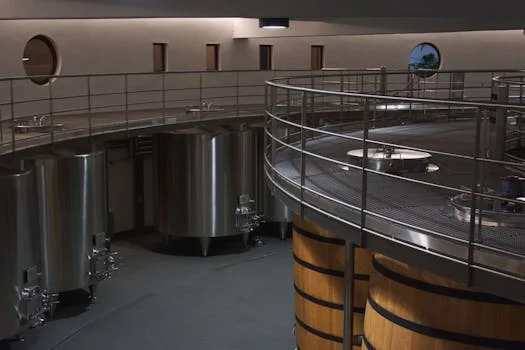
Municipal sewage systems in Saskatchewan must scale to handle peak hourly flows that often reach 2.5 to 3.0 times the average daily flow due to inflow and infiltration (I&I) during spring thaws. Equipment capacity typically ranges from 22 m³/day for small clusters to 80 m³/h for larger industrial or municipal upgrades. Selecting a compact MBR system with a 60% smaller footprint and reuse-quality effluent ensures that the facility can accommodate future population growth without requiring additional land acquisition.
Effluent quality is the primary metric for regulatory compliance. While the Saskatchewan Environmental Code sets the baseline, many new projects aim for higher standards to future-proof their investment. MBR systems utilize membranes with pore sizes <1 μm, effectively filtering out bacteria and most viruses. To meet disinfection requirements for surface discharge, integrated systems often include a high-performance chlorine dioxide generator or UV sterilization unit as the final treatment stage.
Automation levels significantly impact long-term operational viability. In remote Saskatchewan sites, "set-and-forget" systems are preferred. Modern integrated plants feature PLC-based control systems that manage aeration rates, sludge return, and backwashing cycles automatically. This reduces the requirement for high-level technical expertise on-site, allowing local maintenance staff to manage the system via mobile alerts and remote diagnostics. For more details on managing these assets, refer to this industrial maintenance protocols for buried sewage systems.
| Parameter | Standard Package System | Advanced MBR System | Saskatchewan Code Limit |
|---|---|---|---|
| BOD (mg/L) | <25 | <5 | <30 |
| TSS (mg/L) | <25 | <1 | <30 (Surface) |
| Footprint (m²) | 100 - 250 | 40 - 100 | N/A |
| Automation Level | Partial / Full | Full Remote Monitoring | N/A |
Supplier Comparison: Local and International Options in Saskatchewan
When evaluating a sewage treatment equipment supplier in Saskatchewan, Canada, it is necessary to compare local modular providers, international equipment manufacturers, and chemical service firms. Each brings a different value proposition to the table, depending on whether the project is a new municipal build or an industrial retrofit. Local providers often focus on containerized packages that are easily transported to northern mine sites, while international manufacturers provide the core technological components like membranes and high-efficiency aeration systems.
A regional modular specialist typically offers turn-key, skid-mounted packages that can be housed in standard shipping containers. These are ideal for rapid deployment in seasonal camps or first-nation communities. Meanwhile, a Western Canadian tank manufacturer may provide the structural vessels but often lacks the integrated biological process engineering found in specialized wastewater firms. For a broader perspective on how these systems compare across the country, see this comprehensive guide to packaged plants in Canadian climates.
International manufacturers, such as HydropureWater, bridge the gap by providing fully integrated WSZ (A/O) and MBR systems that meet EPA and WHO standards. These systems are designed for export and can be paired with local Saskatchewan contractors for installation and commissioning. This model combines global engineering expertise with local site support, ensuring compliance with provincial codes while maintaining competitive pricing.
| Supplier Type | Strengths | Weaknesses | Best For |
|---|---|---|---|
| Local Modular Specialist | Regional permitting knowledge | Higher CAPEX per unit | Remote camps, small towns |
| International Integrated Mfr. | Advanced tech (MBR), lower cost | Requires local install partner | Industrial sites, urban perimeters |
| Tank/Vessel Manufacturer | Strong structural durability | Limited process automation | Simple storage or septic upgrades |
| Chemical Service Firm | Ongoing O&M support | Lacks standalone equipment | Optimization of existing plants |
Cost and ROI: CAPEX, OPEX, and Long-Term Value
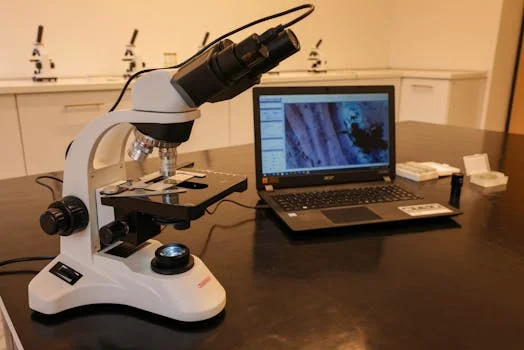
Decentralized wastewater treatment systems in Western Canada typically demonstrate a return on investment (ROI) within 5 to 7 years when land acquisition and linear infrastructure costs are factored into the lifecycle analysis. While a lagoon might have the lowest initial equipment cost, the expense of purchasing land and the long-term liability of potential groundwater contamination often make modular mechanical systems more attractive to municipal stakeholders. For a detailed breakdown of pricing, consult the buried wastewater treatment system cost price 2025 b2b breakdown.
Operating expenses (OPEX) in Saskatchewan are heavily influenced by energy consumption and the cost of heating equipment enclosures. Buried A/O systems minimize these costs by utilizing geothermal insulation. MBR systems, while having a higher energy demand for membrane scouring, offset this through significantly lower sludge disposal costs and the potential for water reuse in industrial processes or irrigation. For a breakdown of these operational variables, see the underground sewage treatment system cost price 2025 b2b breakdown.
| System Type | Estimated CAPEX (per m³/day) | Estimated OPEX (per m³) | Primary Cost Driver |
|---|---|---|---|
| Containerized MBR | $300 – $500 | $0.35 – $0.45 | Energy & Membrane Replacement |
| Buried A/O (WSZ) | $180 – $300 | $0.15 – $0.25 | Sludge Disposal |
| Lagoon System | $100 – $150 | $0.05 – $0.10 | Land & Dredging Maintenance |
Frequently Asked Questions
What is the smallest sewage treatment plant available for a Saskatchewan community?
The smallest modular systems typically start at a capacity of 22 m³/day, which is sufficient for approximately 100 residents. These units, such as the WSZ-1 or similar skid-mounted packages, are designed for easy transport and rapid installation.
Are containerized plants suitable for Saskatchewan winters?
Yes, provided they are properly modified. Containerized plants for the Canadian prairies