The key difference between activated sludge and biofilm lies in microbial growth mode: suspended flocs vs attached biofilms. Activated sludge achieves 85–95% COD removal but produces 0.3–0.6 kg dry sludge/kg BOD removed, while biofilm systems (e.g., MBBR) produce 30–50% less sludge and tolerate shock loads better due to stable biofilm structure.
How Activated Sludge and Biofilm Treat Wastewater Differently
Activated sludge systems rely on suspended microbial flocs that are continuously mixed within aerated tanks to consume pollutants. This process requires precise control over dissolved oxygen and a robust sludge return system, including return activated sludge (RAS) pumps and a secondary clarifier, to maintain a sufficient concentration of biomass (Top 4). The free-floating nature of the microbial flocs means that maintaining optimal conditions for their activity and subsequent settling is critical for consistent treatment performance. Any upset can lead to floc shearing or poor settling, directly impacting effluent quality.
In contrast, biofilm systems grow microorganisms on inert, fixed, or moving media, such as the plastic carriers found in a moving bed biofilm reactor (MBBR). This creates a stable, attached ecosystem where microbes are protected from washout, even under high hydraulic loads. Biofilm technology effectively mimics natural soil purification processes, allowing for a more resilient and robust treatment against flow and load variations (Top 1). In a typical biofilm process, wastewater flows through a reactor containing these carriers, where the attached biofilm degrades contaminants. Unlike activated sludge, the need for a large secondary clarifier or a complex sludge return system is significantly reduced or eliminated, as the biomass remains largely within the reactor.
Performance Comparison: Removal Efficiency and Process Stability
Biofilm systems often achieve higher and more consistent removal efficiencies than activated sludge, especially under fluctuating conditions. Activated sludge systems typically achieve 85–95% Chemical Oxygen Demand (COD) removal under stable loading conditions. However, biofilm reactors, such as MBBRs, consistently reach 88–96% COD removal due to their stable and concentrated biomass (per EPA guidelines and Top 1 benchmarks). This slight edge in efficiency becomes more pronounced when considering nitrogen removal.
Ammonia-N removal is significantly more stable in biofilm systems, with nitrifying bacteria achieving 90–98% removal, even during temperature swings or pH fluctuations that would severely inhibit activated sludge systems. Activated sludge typically achieves 80–90% ammonia removal, but its nitrifiers, being slower-growing and more sensitive, are prone to washout or inhibition. Biofilm systems demonstrate 20–40% better tolerance to shock loads—sudden increases in flow or pollutant concentration—due to their higher biomass retention and the diverse, layered microbial niches within the biofilm. In activated sludge, high-turbulence aeration tanks can cause floc shearing, reducing the efficiency of microbial aggregates and impairing their settleability, which further compromises treatment stability.
| Parameter | Activated Sludge | Biofilm Systems (e.g., MBBR) |
|---|---|---|
| Typical COD Removal | 85–95% | 88–96% |
| Ammonia-N Removal (Stable) | 80–90% | 90–98% |
| Shock Load Tolerance | Moderate (sensitive to variations) | High (20–40% better resilience) |
| Biomass Retention | Suspended, prone to washout | Attached, resistant to washout |
| Microbial Community | Less diverse, more sensitive | Highly diverse, robust |
Sludge Production and Operational Burden
Biofilm systems produce substantially less sludge than activated sludge, reducing long-term operational expenditures (OPEX). Activated sludge systems typically produce 0.3–0.6 kg of dry sludge per kg of BOD removed. In contrast, biofilm systems, including MBBRs, generate only 0.15–0.35 kg of dry sludge per kg of BOD removed (Top 5). This 30–50% reduction in sludge volume translates directly to lower costs associated with sludge dewatering, transport, and disposal. For instance, facilities utilizing plate and frame filter presses for dewatering can see a reduction in usage and associated costs by approximately 35% with biofilm technology compared to activated sludge.
Beyond sludge volume, operational complexity differs significantly. Activated sludge systems require continuous monitoring and precise control of mixed liquor suspended solids (MLSS) concentrations, along with dedicated sludge return pumps and complex control algorithms to manage the return activated sludge (RAS) flow. This increases both electrical load and maintenance demands. Biofilm systems do not require sludge recycle; the active biomass remains attached to the carriers within the reactor. This eliminates the need for RAS pumps and MLSS control, reducing pump maintenance, energy consumption, and overall operational complexity. The simplified operation lowers labor requirements and supports a more robust, less operator-intensive process.
Footprint, Energy Use, and Retrofit Suitability
Biofilm systems require less space than activated sludge systems, making them suitable for land-constrained industrial and urban sites. Activated sludge systems require 40–60% more space, primarily due to large aeration tanks, expansive secondary clarifiers, and associated return line infrastructure (Top 4). This infrastructure is necessary to accommodate suspended biomass and ensure adequate settling.
MBBR biofilm reactors achieve 2–3 times higher biomass density per cubic meter of reactor volume. This high volumetric efficiency allows for more compact designs, ideal for sites with limited land. In terms of energy, activated sludge systems generally consume 1.2–1.8 kWh/m³ of treated wastewater, mainly due to energy-intensive aeration for mixing and oxygen transfer, plus sludge return pumping. Biofilm systems typically use 0.8–1.3 kWh/m³, a 25–30% reduction. Lower energy use results from improved oxygen transfer in biofilm structures and the absence of sludge recycle pumps. The compact design and contained biomass of biofilm systems also make them well-suited for plant upgrades, as they can often be installed in existing tanks, minimizing civil works and operational disruption.
| Parameter | Activated Sludge | Biofilm Systems (e.g., MBBR) |
|---|---|---|
| Relative Footprint | Larger (100%) | Smaller (40–60% less) |
| Biomass Density (per m³) | Lower | 2–3x Higher |
| Energy Use (kWh/m³) | 1.2–1.8 | 0.8–1.3 |
| Retrofit Suitability | Challenging (requires significant civil work) | Excellent (can use existing tanks) |
| Capital Cost (relative) | Moderate to High | Moderate (lower civil costs) |
EPS Composition and Microbial Community Differences
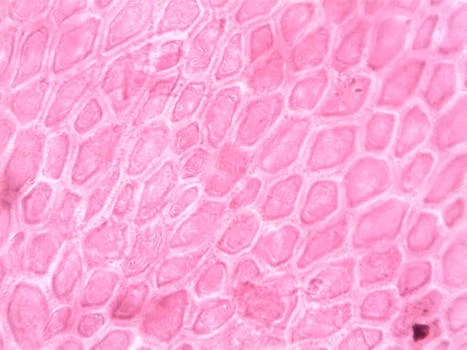
Extracellular polymeric substances (EPS) determine the structural integrity and functional performance of both activated sludge flocs and biofilms. Activated sludge flocs contain EPS richer in proteins, which aid flocculation but increase susceptibility to shearing and poor settling under turbulent conditions (Top 3). This protein-rich matrix is dynamic and sensitive to environmental changes, leading to variable floc stability.
Biofilm EPS contains a higher proportion of polysaccharides, enhancing structural integrity and adhesion to carrier media. This composition provides strong resistance to shear stress and maintains biofilm stability during hydraulic shock loads. The attached growth mode also supports greater microbial diversity. Biofilms develop layered zones that allow coexistence of various microbial populations, including slow-growing nitrifiers essential for ammonia removal and anaerobic zones that support denitrification. This stratification and diversity enhance the robustness and treatment capability of biofilm reactors, enabling complex biological processes that are difficult to sustain in uniformly mixed suspended systems.
When to Choose Activated Sludge vs Biofilm
The choice between activated sludge and biofilm depends on wastewater characteristics, site constraints, and operational goals. Activated sludge is suitable for large municipal plants with stable influent flows, ample land, and skilled operators. Its flexibility in adjusting MLSS concentrations offers process control advantages in such settings.
Biofilm processes, particularly MBBR and integrated fixed-film activated sludge (IFAS) systems, are increasingly preferred in industrial applications. These environments often face variable loads, fluctuating wastewater composition, space limitations, and high ammonia levels. Biofilm systems perform well under these conditions due to their resilience to shock loads, compact footprint, and stable nitrification. For decentralized or packaged plants, such as our WSZ series compact underground sewage treatment plant with biofilm technology, biofilm technology offers automation potential, low sludge production, and reduced operator intervention. While activated sludge allows direct MLSS control, biofilm systems provide passive stability, with attached biomass naturally adapting to variations for consistent performance with less manual oversight.
| Factor | Choose Activated Sludge If... | Choose Biofilm (MBBR/IFAS) If... |
|---|---|---|
| Wastewater Type | Large municipal, stable flows, moderate toxicity | Industrial, high variability, high ammonia, toxic compounds |
| Site Constraints | Ample land available | Limited footprint, urban areas, retrofits |
| Operational Goals | Skilled operators, desire for MLSS control, consistent influent | Low operational complexity, high resilience to shock loads, low sludge handling |
| Nitrification Needs | Standard ammonia removal, stable temperature | High ammonia removal, fluctuating temperatures, robust nitrification |
| Sludge Management | Tolerance for higher sludge volume and handling | Desire for significantly reduced sludge production and disposal costs |
Frequently Asked Questions
Common questions about activated sludge and biofilm processes focus on practical differences and performance trade-offs.
What are the disadvantages of activated sludge?
Activated sludge systems produce high sludge volumes, require large footprints for tanks and clarifiers, and are sensitive to shock loads. They also demand higher operational complexity due to precise MLSS control and sludge return management.
Which is better: MBBR or MBR?
MBBR (Moving Bed Biofilm Reactor) typically has lower OPEX and reduced fouling risk, making it cost-effective for many applications. MBR (Membrane Bioreactor) provides superior effluent quality, often less than 1 μm, but requires more energy and intensive membrane maintenance. For a detailed comparison, explore our high-efficiency MBR system combining activated sludge with membrane filtration, and refer to our blog on MBR system cost, performance, and ROI in industrial applications.
What does activated sludge remove?
Activated sludge systems remove 85–95% of biochemical oxygen demand (BOD) and chemical oxygen demand (COD), and 80–90% of ammonia, depending on design, aeration control, and operating conditions.
Can biofilm and activated sludge be combined?
Yes, integrated fixed-film activated sludge (IFAS)