The cost price of a PAC dosing system in 2025 ranges from $183 for basic diaphragm pumps to $15,000+ for fully automated, PLC-controlled skid-mounted units. Integrated systems with 6–30 L/h capacity, 5–15 bar pressure, and 100–240V power typically cost $2,500–$8,000, depending on materials, control level, and tank size. Procurement managers and plant engineers need a granular understanding of how technical specifications translate into operational reliability and regulatory compliance in industrial water treatment dosing.
What Determines PAC Dosing System Cost in 2025?
Flow rate and pressure requirements are the primary drivers of PAC dosing system cost, with 15 bar industrial pumps commanding a 200% premium over standard 5 bar units. When evaluating a pac dosing system cost price, the hardware specifications must align with the hydraulic profile of the injection point. In low-pressure applications, such as atmospheric tank dosing, a basic diaphragm pump starting at $183 is often sufficient. However, as the required injection pressure increases to 10 or 15 bar for pressurized pipelines, the cost for the metering pump alone can exceed $600 to $800 due to the need for reinforced diaphragms and heavy-duty motor housings (HydropureWater field data, 2025).
The level of automation is the second most significant variable. Manual systems, where chemical concentration and pump stroke frequency are adjusted by hand, are 30–50% cheaper upfront than units featuring plc controlled dosing. A fully automatic pac dosing system includes electromagnetic flowmeters, level sensors, and PLC logic controllers that adjust dosing based on real-time influent turbidity or flow rates. While these features increase the initial price, they eliminate the risk of human error, which often leads to chemical over-dosing and non-compliance fines.
Material selection also creates significant price tiers. A standard 1,000-liter polyethylene (PE) tank for a pac solution preparation system typically costs around $500. In contrast, if the industrial environment is highly corrosive or requires high-temperature resistance, a 316L stainless steel tank can exceed $1,200. Power input requirements influence the price; while 100–240V 50/60Hz is the global standard for small to mid-sized units, the addition of explosion-proof (ATEX) motors for hazardous environments adds a minimum 20% surcharge to the total system cost.
PAC Dosing System Types and Price Ranges by Configuration
Configuration levels for PAC dosing systems range from $183 standalone pumps to $15,000+ integrated skids, reflecting a shift from manual operation to high-precision automation. For small-scale operations or batch processing, a standalone chemical metering pump price is low, but it excludes the necessary peripheral equipment like mixers, tanks, and safety valves required for a functional wastewater chemical feed setup. This range of configurations allows facilities to select a system that meets their specific needs.
A mid-range skid-mounted dosing unit provides the best balance of cost and performance for most B2B industrial users. These units are pre-engineered on a single frame, significantly reducing on-site installation labor. A PLC-controlled automatic chemical dosing system typically includes a chemical storage tank, an electric agitator, a metering pump, and a control panel, ensuring the PAC is properly dissolved and metered into the stream without manual intervention.
| System Type | Typical Price Range | Key Specifications | Best For |
|---|---|---|---|
| Manual Dosing Pump | $183 – $618 | 6L/h @ 5bar; Electric diaphragm; Manual stroke adjust | Small batch trials; Low-pressure tank dosing |
| Semi-Automatic Skid | $1,200 – $2,500 | PE Tank; 0.37kW Mixer; Level sensor; Manual start/stop | Constant flow rates; Budget-conscious facilities |
| Fully Automatic PLC System | $2,500 – $8,000 | 10–30 L/h; 10–15 bar; 4-20mA feedback; Touchscreen | Continuous industrial wastewater treatment |
| Integrated Dual-Chemical System | $6,000 – $15,000+ | PAC + PAM dosing; CIP (Clean-in-place); Dual tanks | Complex coagulation/flocculation processes |
| Custom Turnkey Solution | Quote-based | Silo feeding; Dust extraction; SCADA integration | Large-scale mining or municipal plants |
For facilities requiring both coagulants and flocculants, it is essential to compare PAM dosing system cost and configuration options alongside PAC systems. Integrated dual-chemical systems offer a smaller footprint and centralized control, though they require strict separation to prevent cross-contamination, which can lead to system clogging and expensive downtime.
Technical Specifications That Impact Long-Term Value
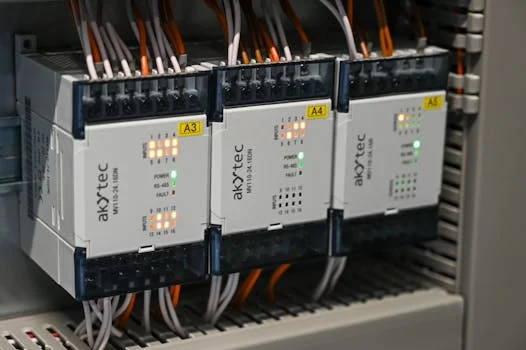
High-specification components like 316L stainless steel heads and variable frequency drives (VFDs) increase initial CAPEX by 15–25% but extend the mean time between failures (MTBF) by up to 300%. In industrial water treatment dosing, the long-term cost of ownership is often dominated by maintenance and chemical consumption rather than the purchase price. For instance, choosing a high-quality diaphragm pump ensures a dosing accuracy of ±2%, which is critical for maintaining stable effluent quality. Lesser-grade pumps may drift over time, leading to either under-dosing (failing discharge limits) or over-dosing (wasting expensive PAC chemicals).
The choice of wetted materials is a critical durability factor. While Polyvinylidene Fluoride (PVDF) or PVC is standard for many coagulant injection system components, stainless steel 316L pump heads and piping are preferred in high-chloride environments or where mechanical impact is a risk. These metal components last significantly longer than plastic alternatives in harsh industrial settings. Additionally, the inclusion of Variable Frequency Drives (VFDs) allows the pump to adjust its speed rather than just its stroke length, which can reduce energy consumption by up to 25% and significantly reduce wear on the motor and gearbox (HydropureWater field data, 2025).
Another technical spec that justifies a higher pac dosing system cost price is self-priming capability. Pumps that can self-prime eliminate the need for foot valves, which are prone to clogging in PAC solutions that may have undissolved solids. For outdoor installations or high-humidity food processing plants, an IP65 or higher rated control panel is a non-negotiable requirement to prevent electrical failure, even though it adds to the upfront cost compared to standard IP54 panels.
Cost Breakdown by Industry Application
Industrial application requirements dictate PAC dosing system pricing, with pharmaceutical-grade units costing up to 400% more than municipal systems due to documentation and material certifications. Each industry has unique operational constraints that shift the necessary technical specifications and, consequently, the pac dosing system cost price. For example, the textile industry requires high-pressure pumps and corrosion-resistant materials, while food processing plants prioritize sanitation and may require dual-chemical systems with built-in CIP capabilities.
In the textile industry, wastewater often contains high temperatures and varying pH levels, requiring 15 bar high-pressure pumps and corrosion-resistant materials to handle the aggressive wastewater chemical feed. Conversely, food processing plants prioritize sanitation and may require dual-chemical systems (PAC + PAM) with built-in CIP capabilities to prevent biological growth within the dosing lines. This adds complexity and cost to the control system and piping manifold.
| Industry | Typical Cost | Primary Specification Requirement | Dosing Range |
|---|---|---|---|
| Municipal Wastewater | $2,500 – $5,000 | PLC with alarm; 10 bar pressure rating | 15 L/h average |
| Food Processing | $4,000 – $7,000 | CIP capability; Stainless wetted parts | 10–20 L/h |
| Textile Industry | $5,000 – $8,000 | High-pressure (15 bar); Chemical resistance | 20–30 L/h |
| Mining & Tailings | $6,000 – $10,000+ | Silo-fed; Dust control; Explosion-proof | 30+ L/h |
| Pharmaceutical | $8,000+ | IQ/OQ documentation; 316L SS; Ultra-precise | 5–15 L/h |
Mining applications represent the high end of the pricing spectrum. These systems often handle powdered PAC in bulk, requiring silo-feeding mechanisms and sophisticated dust extraction systems to protect workers and equipment. The integration of these mechanical handling components into the pac solution preparation system can push the price well beyond the $10,000 mark.
How to Calculate ROI for an Automated PAC Dosing System
Automated PAC dosing systems typically achieve a full return on investment (ROI) within 14 to 22 months through a 15–30% reduction in chemical waste and lower labor costs. For a plant processing 1,000 cubic meters of wastewater daily, a 20% reduction in PAC consumption can save between $1,200 and $4,000 annually. When these savings are combined with the reduction in manual labor required for mixing and monitoring, the automatic pac dosing system pays for itself rapidly.
Beyond direct chemical savings, automated systems provide a significant buffer against regulatory risk. A single incident of non-compliant effluent discharge can result in fines exceeding $5,000, depending on the jurisdiction. PLC-based systems feature real-time alerts that notify operators of low tank levels or pump failures before they result in a treatment breach. This proactive monitoring can prevent unplanned downtime, which often costs industrial facilities $8,000 or more per incident in lost production (HydropureWater field data, 2025).
Skid-mounted systems reduce installation time by approximately 60% compared to component-built systems. This "plug-and-play" nature can save over $3,000 in specialized mechanical and electrical labor during the commissioning phase. To maximize this ROI, engineers should also learn how to solve common polymer dosing system issues, as efficient operation of the PAC system is often dependent on the downstream flocculation performance.
Frequently Asked Questions
What is the average cost of a PAC dosing system?
For a standard automated skid-mounted system used in industrial wastewater treatment, the average cost ranges between $2,500 and $8,000. Basic standalone pumps start as low as $183.
How much does a 150 LPH dosing pump cost?
A 150 LPH (Liters Per Hour) pump is exceptionally large for PAC dosing, which is typically measured in L/h. A high-capacity 15 L/h industrial system generally costs $3,500–$6,000. If 150 LPH is truly required, it would likely involve a custom multi-pump skid exceeding $12,000.
What is included in a full PAC dosing system?
A comprehensive system includes a chemical storage tank, an electric mixer/agitator, a precision diaphragm metering pump, a PLC control panel, level sensors, safety valves (back-pressure and relief), and all necessary internal piping.