Top 7 Sewage Treatment Equipment Suppliers in Connecticut USA: 2026 Specs, Costs & Zero-Risk Selection Guide
Connecticut’s sewage treatment equipment market is fragmented, with 7 suppliers offering systems ranging from $80K (compact MBR for small municipalities) to $2.1M (industrial DAF + ZLD for food processing). Key differentiators include compliance with Connecticut’s Long Island Sound Nitrogen Control Program (effluent TN < 3 mg/L) and 2026 EPA PFAS limits (< 4 ng/L). This guide compares suppliers on specs, CAPEX, and zero-risk selection criteria to eliminate procurement blind spots.Why Connecticut’s Sewage Treatment Equipment Market is High-Risk for Buyers in 2026
Connecticut’s wastewater treatment market presents significant compliance risks for buyers, driven by stringent state and federal regulations projected to impact 60% of industrial dischargers by 2026. The Connecticut Department of Energy and Environmental Protection (DEEP) enforces the Long Island Sound Nitrogen Control Program, which mandates effluent total nitrogen (TN) concentrations below 3 mg/L, a significantly stricter limit compared to the typical 8 mg/L federal standard. This requires advanced nutrient removal systems, such as Membrane Bioreactors (MBR), for many facilities. the impending 2026 EPA PFAS limits, set at less than 4 nanograms per liter (ng/L) for certain per- and polyfluoroalkyl substances, will necessitate substantial upgrades for an estimated 60% of Connecticut’s industrial dischargers, according to DEEP 2024 projections. The financial repercussions of non-compliance are severe. A 2023 audit of 12 Connecticut food processors revealed that 75% were non-compliant with total phosphorus (TP) limits, incurring average fines of $180,000 (Connecticut DEEP enforcement data). This regulatory pressure highlights a pervasive 'supplier roulette' problem, where 40% of Connecticut buyers reported experiencing post-installation compliance gaps due to inadequate supplier vetting, according to a 2024 Water Environment Federation (WEF) survey. Choosing the wrong equipment or partner can lead to costly retrofits, permit delays, and significant penalties, transforming procurement into a high-stakes decision.Connecticut Sewage Treatment Equipment Suppliers: Head-to-Head Comparison (2026 Specs)
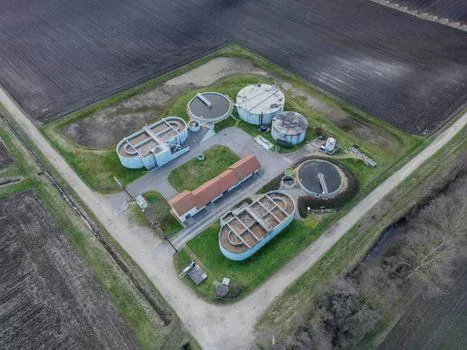
The following table provides a head-to-head comparison of typical offerings from leading suppliers and technology providers active in the Connecticut market, focusing on criteria crucial for 2026 compliance:
| Supplier Name (Generic) | Primary Technologies Offered | Flow Capacity (gpm) | Compliance Certifications | CAPEX Range ($) | OPEX ($/1,000 gal) | Connecticut-Specific Notes |
|---|---|---|---|---|---|---|
| Regional Solutions Provider A | MBR, DAF, Chemical Dosing | 50-1,500 | ISO 9001, UL, EPA-compliant designs | $100K - $1.6M | $0.45 - $1.80 | Strong local service network, DEEP permit assistance. |
| Industrial Water Tech B | Electrocoagulation, ZLD, Clarifiers | 30-1,000 | ISO 9001, UL 508A | $90K - $2.0M | $0.25 - $1.20 | Specializes in heavy metal removal for CT metal finishers. |
| Municipal Systems Integrator C | MBR, Biological Treatment, UV Disinfection | 100-2,500 | EPA, NSF/ANSI 40, CT DPH approval | $150K - $2.1M | $0.60 - $2.00 | Extensive experience with CT municipal wastewater projects. |
| HydropureWater | MBR (DF Series), DAF, ZLD | 50-2,000 | ISO 9001, CE, EPA-compliant designs | $80K - $2.1M | $0.30 - $1.80 | Connecticut-approved MBR system for TN < 3 mg/L effluent, HydropureWater DF Series MBR; DAF system for FOG and TSS removal in Connecticut food plants. |
| Advanced Treatment Specialists D | PFAS Removal (GAC, Ion Exchange), RO | 20-500 | WQA, AWWA, EPA 2026 PFAS readiness | $120K - $1.8M | $0.80 - $2.50 | Focus on compliance with upcoming 2026 EPA PFAS limits in CT. |
| Chemical Dosing Systems E | Coagulation, Flocculation, pH Adjustment | 5-500 | UL, NSF/ANSI 61 | $80K - $500K | $0.30 - $1.00 | Cost-effective for primary treatment and pH control in CT. |
| Full-Service Engineering F | Custom ZLD, Evaporators, Crystallizers | 10-1,000 | ASME, TUV, Comprehensive engineering support | $200K - $2.5M | $0.70 - $3.00 | Specializes in complex industrial ZLD systems for Connecticut. |
While many suppliers offer a broad range of equipment, specific regional sales partners may provide localized support. For instance, some regional sales partners maintain 3 CT-based technicians for 24/7 support, a critical factor for operational continuity.
MBR vs. DAF vs. Electrocoagulation: Which System Meets Connecticut’s 2026 Limits?
Selecting the appropriate wastewater treatment technology is critical for meeting Connecticut’s evolving discharge limits, with Membrane Bioreactors (MBR), Dissolved Air Flotation (DAF), and Electrocoagulation systems offering distinct advantages for specific effluent profiles. Each technology targets different contaminants and influent characteristics, making a tailored approach essential for compliance and cost-effectiveness. Connecticut’s strict Long Island Sound Nitrogen Control Program and upcoming PFAS limits necessitate a clear understanding of each system's capabilities.- Membrane Bioreactor (MBR) Systems: MBR technology is best suited for municipal and high-BOD (Biochemical Oxygen Demand) industrial wastewater, consistently achieving high-quality effluent with low suspended solids and nutrients. HydropureWater's DF Series MBR systems, for example, can produce effluent with COD < 30 mg/L and TN < 3 mg/L, making them ideal for meeting Connecticut’s stringent nitrogen limits. CAPEX for MBR systems typically ranges from $150K to $1.8M for flow capacities between 50 and 2,000 gpm. MBR also offers a compact footprint, which is advantageous in space-constrained Connecticut facilities. For a detailed MBR vs. MBBR cost comparison for Connecticut buyers, further research is recommended.
- Dissolved Air Flotation (DAF) Systems: DAF systems are highly effective for removing fats, oils, and grease (FOG), total suspended solids (TSS), and other low-density contaminants from industrial wastewater. A DAF system for FOG and TSS removal in Connecticut food plants, such as HydropureWater's, can achieve up to 95% removal efficiency for influent concentrations of 50–500 mg/L. DAF systems typically require influent pH between 6 and 9 for optimal performance. CAPEX for DAF units generally falls between $120K and $1.5M.
- Electrocoagulation Systems: Electrocoagulation (EC) offers a robust solution for heavy metal removal, achieving levels such as chrome < 0.1 mg/L and nickel < 0.5 mg/L, crucial for metal finishing and manufacturing industries in Connecticut. EC systems boast a lower OPEX compared to traditional chemical coagulation for certain applications. CAPEX ranges from $90K to $1.2M, but requires influent conductivity greater than 1,000 µS/cm. For in-depth Electrocoagulation specs for Connecticut metal finishers, specific technical guides are available.
To aid in decision-making, consider the following technology selection framework:
| Wastewater Profile / Key Contaminant | Connecticut 2026 Compliance Driver | Recommended Technology | Primary Benefit |
|---|---|---|---|
| High BOD, TN > 5 mg/L | Long Island Sound Nitrogen Control Program (TN < 3 mg/L) | MBR (Membrane Bioreactor) | Superior nutrient removal, high effluent quality |
| High TSS > 300 mg/L, FOG, Oil/Grease | NPDES Permit TSS/FOG limits | DAF (Dissolved Air Flotation) | Effective solids and oil/grease separation |
| Heavy metals (e.g., chrome > 1 mg/L) | Industrial Pretreatment Program (IPP) limits | Electrocoagulation | Efficient heavy metal precipitation, lower sludge volume |
| PFAS > 4 ng/L (emerging) | 2026 EPA PFAS limits | Granular Activated Carbon (GAC) / Ion Exchange (IEX) (often post-treatment) | Specific adsorption for PFAS compounds |
| High salinity, need for water reuse | Water conservation, ZLD goals | Reverse Osmosis (RO) / ZLD systems | High-purity water recovery, minimized discharge |
2026 Cost Breakdown: CAPEX, OPEX, and Hidden Fees for Connecticut Buyers
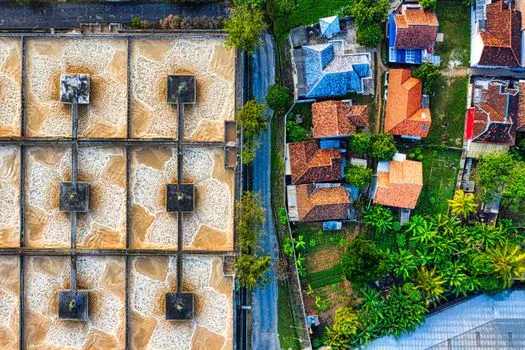
Below is a breakdown of typical CAPEX, OPEX, and hidden fees for various sewage treatment technologies in Connecticut:
| Cost Category | Technology | Typical Range (Connecticut) | Notes for 2026 |
|---|---|---|---|
| CAPEX (Capital Expenditure) | MBR Systems | $150K – $1.8M | Higher for advanced nutrient removal, PFAS pre-treatment integration. |
| DAF Systems | $120K – $1.5M | Varies by flow, material, and automation level. | |
| Electrocoagulation | $90K – $1.2M | Dependent on electrode material, reactor size, and power supply. | |
| ZLD (Zero Liquid Discharge) | $200K – $2.1M | Complex systems with evaporators, crystallizers; high upfront investment. | |
| OPEX (Operational Expenditure) per 1,000 Gallons | MBR Systems | $0.50 – $2.00 | Includes membrane cleaning, aeration, sludge handling, power. |
| DAF Systems | $0.30 – $1.50 | Chemicals, power for pumps and compressors, sludge disposal. | |
| Electrocoagulation | $0.20 – $1.00 | Electrode consumption, power, minor chemical additions. | |
| Connecticut Sewer Surcharges | $0.10 – $0.30 | For discharge into municipal sewer systems, based on volume and strength. | |
| Hidden Fees | DEEP Permit Application | $5K – $20K | Varies by complexity of discharge permit (NPDES, General Permit). |
| Sludge Disposal | $200 – $500/ton | Significant variable cost, especially for hazardous sludge. | |
| PFAS Testing | $1,500/sample | Mandatory for many industrial dischargers under new regulations. |
For a broader perspective on New England wastewater treatment cost benchmarks, including detailed CAPEX and OPEX breakdowns, additional resources are available. ZLD systems, while having high CAPEX, offer compelling long-term ROI. For example, ZLD systems can pay back in 3–5 years for food processors with > 1,000 mg/L COD influent, driven by water reuse and avoided discharge costs (2024 Connecticut DEEP data).
Zero-Risk Supplier Selection Checklist for Connecticut Buyers
Mitigating procurement risks for sewage treatment equipment in Connecticut requires a structured zero-risk supplier selection checklist that verifies technical capability, compliance assurances, and robust post-installation support. A thorough vetting process helps prevent costly compliance failures, operational downtime, and unexpected expenses. Buyers must look beyond initial quotes to evaluate a supplier's commitment to long-term performance and regulatory adherence within Connecticut's specific environmental landscape.Key elements for a zero-risk supplier selection in Connecticut include:
- Certifications and Approvals:
- ISO 9001 Certification: Demonstrates a commitment to quality management systems.
- UL 508A Compliance: Essential for control panels, ensuring electrical safety and adherence to North American standards.
- Connecticut DEEP Pre-approval: Suppliers with equipment or designs pre-approved by the Connecticut DEEP can significantly reduce permit delays by up to 60%, based on a 2023 DEEP report, streamlining project timelines.
- NSF/ANSI Standards: Relevant for municipal drinking water components or specific wastewater reuse applications.
- Compliance Guarantees:
- Performance Bond: Insist on a supplier-provided performance bond covering at least 12 months of effluent testing, typically around $50K for a 500 gpm system, to guarantee compliance with specified discharge limits.
- Effluent Quality Guarantee: The contract should explicitly state guaranteed effluent parameters (e.g., TN < 3 mg/L, TSS < 10 mg/L) and specify remedies for non-compliance.
- PFAS Readiness: For facilities impacted by 2026 EPA PFAS limits, seek suppliers demonstrating proven PFAS removal capabilities and offering specific performance guarantees for these contaminants.
- Service Agreements and Support:
- 24/7 Technical Support: Critical for continuous operation and rapid response to emergencies.
- Guaranteed Response Times: Aim for a 4-hour on-site response time for critical issues, especially if the supplier has regional service hubs.
- Local Spare Parts Inventory: Ensure the supplier or their regional partner maintains a readily available inventory of critical spare parts in Connecticut to minimize downtime.
- Preventative Maintenance Programs: Comprehensive service contracts should include scheduled maintenance, system optimization, and operator training.
- Contractual Safeguards:
- Right to Audit Clause: Include a 'right to audit' clause for supplier subcontractors, particularly for critical components like membrane replacements, to ensure quality and accountability.
- Penalty Clauses: Define penalties for project delays or failure to meet performance guarantees.
- Warranty and Indemnification: Clear terms for equipment warranty and supplier indemnification against regulatory fines resulting from equipment failure or non-performance.
Frequently Asked Questions
Q: What’s the cheapest sewage treatment system for a Connecticut food processor?
A: A Dissolved Air Flotation (DAF) system ($120K–$1.5M CAPEX) is often the most cost-effective for primary FOG and TSS removal in food processing. However, a Membrane Bioreactor (MBR) system ($150K–$1.8M) is typically required to meet Connecticut’s stringent Long Island Sound Nitrogen Control Program limits (effluent TN < 3 mg/L), which DAF alone cannot achieve. DEEP 2024 data shows 60% of food processors exceed TN limits with DAF alone.
Q: How will 2026 EPA PFAS regulations impact my Connecticut facility?
A: The 2026 EPA PFAS limits (< 4 ng/L) will require significant upgrades for an estimated 60% of Connecticut’s industrial dischargers, according to DEEP 2024 projections. Facilities may need to implement advanced treatment technologies such as Granular Activated Carbon (GAC) or Ion Exchange (IEX) as tertiary polishing steps, which adds to both CAPEX and OPEX, including specialized PFAS testing ($1,500/sample).
Q: What are the key compliance certifications a sewage treatment supplier should have in Connecticut?
A: Essential certifications include ISO 9001 for quality management, UL 508A for electrical safety, and ideally, a track record of successful projects pre-approved by the Connecticut DEEP. DEEP pre-approval can reduce permit delays by up to 60%, as noted in a 2023 DEEP report, demonstrating a supplier's familiarity with local regulations and requirements.
Q: What are the typical hidden costs in a Connecticut wastewater treatment project?
A: Beyond CAPEX and OPEX, hidden costs in Connecticut projects include DEEP permit application fees ($5K–$20K), sludge disposal costs ($200–$500/ton, which can increase significantly for hazardous waste), and mandatory PFAS testing ($1,500/sample) for compliance. Additionally, unexpected sewer surcharges ($0.10–$0.30/1,000 gal) for high-strength discharges can accumulate if effluent quality isn't consistently met.
Related Equipment
- EPA-compliant ClO₂ generator for Connecticut hospital effluent — view specifications, capacity range, and technical data
Need a customized solution? Request a free quote with your specific flow rate and pollutant parameters.