Why Abuja’s Sewage Treatment Market Demands Zero-Risk Suppliers
Abuja’s sewage treatment equipment market is fragmented, with suppliers offering systems ranging from ₦15M compact underground plants (WSZ series) to ₦500M industrial MBR systems. Key differentiators include COD removal efficiency (MBR: ≤50 mg/L vs. DAF: 70–90 mg/L), footprint (underground systems save 60% space), and compliance with FMEnv’s BOD ≤30 mg/L limit. This guide compares 5 supplier types, provides 2026 cost benchmarks, and includes a zero-risk selection framework to avoid non-compliant or over-engineered solutions.
FMEnv’s 2022 enforcement actions resulted in 42% of Abuja hospitals failing BOD and TSS discharge tests according to the FMEnv Annual Report 2023. For facility managers in districts like Wuse and Maitama, the financial stakes of equipment failure are high. A hospital in Wuse recently faced ₦2.5M in fines and a temporary closure order due to a malfunctioning legacy septic system that failed to meet the Federal Ministry of Environment (FMEnv) sewage discharge limits Abuja requires for urban areas. Beyond fines, the scarcity of land in the Federal Capital Territory (FCT) has turned wastewater management into a real estate challenge. With land costs in Garki reaching ₦120M per hectare, traditional, sprawling treatment ponds are no longer economically viable.
The shift toward high-efficiency, compact technology is driven by these land constraints and stricter regulatory oversight. Field data from a 200-bed hospital project in Maitama demonstrated that installing an underground WSZ series for Abuja’s high-density areas reduced CAPEX by 40% compared to a conventional above-ground sewage treatment plant (STP). The primary risks currently facing Abuja buyers include procurement of undersized systems, suppliers with no local service presence to handle pump failures, and equipment that cannot be permitted by the FMEnv due to outdated treatment processes. Achieving zero-risk procurement requires moving beyond the lowest bid and evaluating suppliers based on technical failure-mode analysis and verified local performance data.
5 Types of Sewage Treatment Equipment Suppliers in Abuja: Pros, Cons, and Use Cases
The sewage treatment market in Abuja comprises five distinct supplier tiers. Selecting the wrong supplier type often leads to "compliance drift," where a system meets standards during the first month but fails within a year due to lack of specialized maintenance or poor component quality.1. Underground Package Plant Suppliers: These providers focus on integrated systems like the WSZ series. They are the preferred choice for residential estates in Lokogoma or boutique hotels in Asokoro. These systems offer a 60% smaller footprint than conventional STPs and eliminate odor complaints. However, they are generally limited to capacities below 80 m³/h per unit.
2. DAF System Suppliers: Specialized in industrial applications, these suppliers provide DAF systems for Abuja’s industrial wastewater, specifically for high-fat and suspended solid loads found in food processing and laundry facilities. While they achieve 92–97% TSS removal, they require precise pH adjustment (6.5–8.5) to remain compliant with FMEnv standards.
3. MBR Technology Suppliers: These suppliers provide MBR systems for Abuja hospitals and water reuse projects. Membrane Bioreactors are the "gold standard" for effluent quality, producing water with COD ≤50 mg/L. This level of treatment is essential for facilities aiming for zero-liquid discharge (ZLD) or using treated water for landscape irrigation. The trade-off is a 30% higher CAPEX compared to DAF or traditional aerobic systems.
4. Local Engineering Contractors: Often found in Wuse II, these firms offer turnkey installation services. While they excel at site preparation and civil works, they often lack proprietary manufacturing capabilities, relying on third-party equipment which can complicate warranty claims and long-term parts availability.
5. International Industrial Manufacturers: These suppliers handle large-scale municipal or multi-factory industrial zones. While they offer global certifications like ISO 14001, their CAPEX often exceeds ₦300M, and they may lack the localized "boots on the ground" needed for rapid emergency repairs in the FCT.
| Supplier Type | Primary Advantage | Critical Limitation | Best Abuja Use Case |
|---|---|---|---|
| Underground Package | Zero land use; Odor control | Capacity caps at 80 m³/h | Residential Estates / Hotels |
| DAF Specialists | High TSS/FOG removal | High chemical consumption | Food Processing / Laundries |
| MBR Specialists | Near-potable reuse quality | 30% higher initial CAPEX | Hospitals / Water Reuse |
| Local Contractors | Turnkey site management | No proprietary tech control | Small Commercial Buildings |
| Intl. Manufacturers | Global engineering standards | High cost; Slow local response | Municipal / Industrial Zones |
Spec Comparison: MBR vs. DAF vs. Underground Systems for Abuja Projects
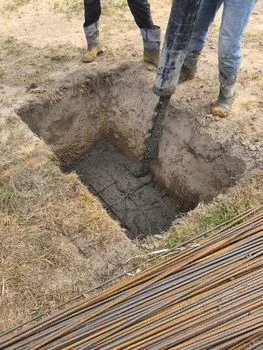
When evaluating a sewage treatment equipment supplier in abuja, engineers must compare performance data against the FMEnv’s BOD ≤30 mg/L and TSS ≤30 mg/L limits. Many "low-cost" systems sold locally fail to meet these parameters without expensive post-treatment polishing filters.
MBR systems utilize a physical membrane barrier that replaces the secondary clarifier found in traditional plants. This allows for a much higher Mixed Liquor Suspended Solids (MLSS) concentration, resulting in superior COD removal. For Abuja hospitals, where pharmaceutical residues and pathogens are a concern, hospital wastewater treatment compliance strategies often dictate the use of MBR to ensure the effluent is safe for discharge into municipal drains or reuse in cooling towers.
In contrast, Dissolved Air Flotation (DAF) is a mechanical separation process. It is highly effective for industrial sites where the wastewater contains high levels of oils or grease. While DAF systems have a lower energy footprint for aeration compared to MBR, they cannot match the biological nutrient removal (BNR) capabilities of membrane systems. For projects where land is the primary constraint, underground WSZ systems offer the most efficient use of space, burying the entire treatment train beneath parking lots or green areas.
| System Type | COD Removal (mg/L) | TSS Removal (%) | Footprint (m²/100 m³/h) | Energy Use (kWh/m³) | Compliance Level |
|---|---|---|---|---|---|
| MBR Integrated | ≤50 | >99% | 0.5 | 0.8–1.2 | Exceeds FMEnv (Reuse Ready) |
| Industrial DAF | 70–90 | 92–97% | 1.2 | 0.3–0.5 | Meets FMEnv (w/ pH control) |
| Underground WSZ | 60–80 | 85–90% | 0.3 | 0.4–0.6 | Meets FMEnv (Standard) |
Abuja Sewage Treatment Costs 2026: CAPEX, OPEX, and Hidden Expenses
Sewage treatment CAPEX in Abuja for 2026 is projected to range from ₦15 million for compact residential units to over ₦500 million for municipal-grade industrial plants.Operational expenditure (OPEX) is often the "silent killer" of wastewater projects in Nigeria. Energy costs, driven by the price of diesel for backup generators or high industrial electricity tariffs, account for 40–60% of OPEX. MBR systems, while more expensive to run due to membrane scouring air requirements, significantly reduce costs associated with sludge disposal and chemical flocculants. Conversely, DAF systems have lower energy needs but require a consistent supply of polymers and coagulants, which are subject to forex-driven price volatility. To accurately model these costs, facility engineers should consult industrial wastewater treatment cost models to understand how different technologies scale over a 10-year lifecycle.
| System Capacity | Tech Type | Estimated CAPEX (₦) | OPEX (₦/m³) | Hidden Cost Risk |
|---|---|---|---|---|
| 10 m³/h | Underground WSZ | 15M – 25M | 50 – 90 | Excavation/Soil stability |
| 50 m³/h | Industrial DAF | 85M – 120M | 200 – 450 | Chemical supply chain |
| 100 m³/h | MBR System | 180M – 260M | 120 – 180 | Membrane replacement (5yr) |
| 200 m³/h | Municipal MBR | 450M – 550M | 110 – 160 | Import duties/Permits |
A critical cost-saving strategy for Abuja developers is the adoption of underground systems. By eliminating the need for a dedicated above-ground "utility building," developers can free up valuable land in high-density areas. In a recent Garki residential project, the use of an integrated underground system saved the developer approximately ₦75M in land opportunity costs while simultaneously avoiding odor-related litigation from neighboring properties.
Zero-Risk Supplier Selection: A Step-by-Step Framework for Abuja Buyers
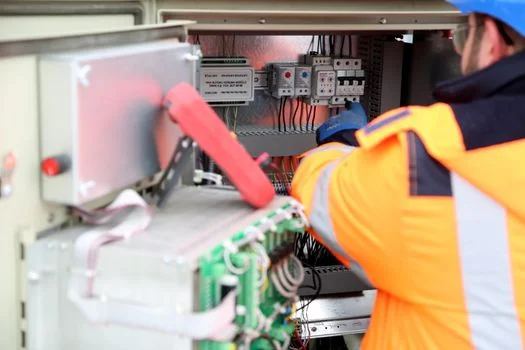
- Step 1: Verify FMEnv Compliance Documentation. Request certified laboratory test reports from existing Abuja installations showing BOD ≤30 mg/L and TSS ≤30 mg/L. Suppliers should also demonstrate familiarity with the 2022 FMEnv standards.
- Step 2: Assess Local Service Infrastructure. A supplier without a local service hub or a rapid-response team in Abuja or Lagos is a high-risk choice. Ask for a guaranteed response time for critical pump or blower failures.
- Step 3: Conduct Failure Mode and Effects Analysis (FMEA). Ask the supplier to provide an FMEA report. For instance, in an MBR system, what is the protocol for membrane fouling during a power outage? A zero-risk supplier will have automated cleaning cycles and redundant power configurations.
- Step 4: Audit the Warranty and Parts Availability. Ensure a minimum 2-year warranty on major mechanical components. Verify that critical wear items, such as membrane modules or DAF air