PCB wastewater resource recovery systems achieve 99.8% copper recovery and 95% water reuse using hybrid ZLD (Zero Liquid Discharge) designs combining DAF (Dissolved Air Flotation), MBR (Membrane Bioreactor), and RO (Reverse Osmosis). For a 200 m³/day PCB plant, a 2026-spec system costs $1.2M–$1.8M CapEx with 2.5–3.5 year ROI from recovered copper (12–18 kg/day at $8,500/ton market price) and reduced discharge fees. Effluent meets EPA 40 CFR Part 469 (PCB manufacturing) and EU Industrial Emissions Directive 2010/75/EU limits for heavy metals and TSS.
Why PCB Wastewater Recovery is a $1.2M Opportunity for Electronics Manufacturers
PCB manufacturing plants lose an average of 12–20 kg of copper per day through wastewater streams, representing 1.5–2.5% of total production metal input. At projected 2026 copper market prices of $8,500 per ton, this translates to an annual revenue loss of $36,000 to $61,000 for a mid-sized facility. Beyond the loss of raw materials, the financial risk of non-compliance has escalated significantly; EPA fines for PCB wastewater violations now average $25,000 to $100,000 per incident based on 2023 enforcement data, while European Union penalties can reach €500,000 for failure to comply with the Industrial Emissions Directive 2010/75/EU.
A 2025 case study of a high-density interconnect (HDI) PCB plant in Shenzhen demonstrated the viability of advanced recovery; the facility reduced copper losses by 99.5% and slashed industrial water procurement costs by 92% following the installation of a hybrid DAF-MBR-RO system. This transition is no longer optional for plants operating in water-stressed regions like California, Taiwan, or Northern China, where water scarcity surcharges add $5–$15/m³ to standard production costs. Implementing a semiconductor wastewater recovery for fabs and OSATs inspired model allows PCB manufacturers to achieve 90–95% water reuse rates, effectively decoupling production growth from local water utility constraints.
The shift toward Zero Liquid Discharge (ZLD) is driven by the realization that "waste" streams are actually high-concentration liquid mines. When copper concentrations in etching and plating rinses are managed through targeted recovery rather than simple precipitation and landfilling, the resulting copper-rich sludge (often 30-40% solids) becomes a sellable commodity for smelters rather than a hazardous waste liability. This dual benefit—revenue generation from copper and cost avoidance from ZLD—creates a compelling $1.2M+ net-positive impact over a 5-year equipment lifecycle.
PCB Wastewater Composition: What’s in Your Effluent and Why It Matters
PCB wastewater typically contains copper concentrations ranging from 500 to 3,000 mg/L alongside complexing agents like EDTA that prevent traditional hydroxide precipitation. According to 2024 EPA PCB manufacturing effluent guidelines, these streams also carry significant loads of nickel (100–500 mg/L), lead (50–200 mg/L), and in high-end facilities, trace gold and silver (10–50 mg/L). Identifying these concentrations is the first step in designing a recovery system that prevents membrane fouling and maximizes metal purity.
Etching processes introduce high levels of fluoride (200–800 mg/L) and silica (50–150 mg/L), both of which are notorious for causing irreversible scaling on Reverse Osmosis (RO) membranes. Pretreatment through lime precipitation or specialized ion-exchange (IX) resins is mandatory to lower these levels before the water reaches the high-pressure membrane stages. the organic load from photoresist and solder mask residues results in Chemical Oxygen Demand (COD) levels between 1,000 and 5,000 mg/L. Without a Membrane Bioreactor (MBR) to reduce COD to <50 mg/L, the biological growth on downstream membranes would lead to weekly system shutdowns for cleaning.
| Contaminant | Concentration Range (mg/L) | Treatment Requirement | Recovery/Removal Goal |
|---|---|---|---|
| Copper (Cu) | 500 – 3,000 | DAF + RO + Evaporation | >99.8% Recovery |
| Nickel (Ni) | 100 – 500 | Ion Exchange / ZLD | <0.1 mg/L Effluent |
| COD (Organics) | 1,000 – 5,000 | MBR (DF Series) | <50 mg/L (for RO Feed) |
| Fluoride (F-) | 200 – 800 | Chemical Precipitation | <10 mg/L |
| TSS | 200 – 1,500 | DAF | 90–95% Removal |
Total Suspended Solids (TSS) in PCB plants are primarily composed of copper hydroxide sludge and fiberglass particles from drilling and routing. DAF systems are specifically engineered to handle this variable TSS load, achieving 90-95% removal efficiency before the water enters the biological or membrane stages. This protecting step is critical for the longevity of IC wastewater recovery systems for semiconductor plants and PCB plants alike.
Hybrid ZLD System Design: Engineering Specs for 99.8% Copper Recovery
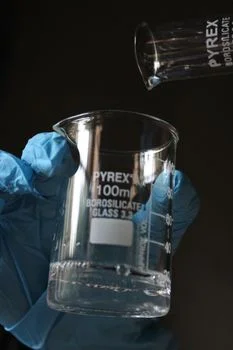
The core of a 99.8% copper recovery system is a multi-stage hybrid design that transitions from bulk solids removal to molecular-level separation. The primary stage utilizes a DAF system for PCB wastewater copper recovery, which employs micro-bubbles (30–50 μm) to float copper-laden flocs to the surface. With a hydraulic loading rate of 5–10 m/h, this system achieves 92–97% copper removal from raw influent, producing a thickened sludge that is significantly easier to dewater for smelting than traditional sedimented sludge.
Following primary treatment, the wastewater enters a biological stage using DF Series MBR membranes for PCB wastewater COD reduction. These PVDF flat-sheet membranes, featuring a 0.1 μm pore size, operate at a flux of 15–25 LMH (liters per square meter per hour). By maintaining a Mixed Liquor Suspended Solids (MLSS) concentration of 8,000–12,000 mg/L, the MBR effectively digests the organic photoresist residues that would otherwise foul RO membranes. This stage is vital for ensuring the water is clean enough for the high-pressure recovery of pure water.
The tertiary stage consists of RO systems for PCB wastewater water reuse and copper concentration. Operating at pressures between 15 and 25 bar, these systems achieve 99.5% copper rejection and 90–95% water recovery. To prevent scaling from residual silica or fluoride, antiscalant dosing (typically 3–5 mg/L of SHMP) is precisely controlled based on real-time conductivity monitoring. The final stage for ZLD involves forced-circulation evaporation, which reduces the RO brine volume by another 95%, resulting in a crystalline copper-rich byproduct and high-purity distillate for reuse in the plating line.
| System Component | Key Engineering Parameter | Value/Specification | Target Performance |
|---|---|---|---|
| DAF | Bubble Size / Loading | 30–50 μm / 5–10 m/h | 97% Cu Removal |
| MBR (DF Series) | Membrane Pore Size / Flux | 0.1 μm / 15–25 LMH | COD < 50 mg/L |
| Reverse Osmosis | Operating Pressure | 15 – 25 bar | 99.5% Cu Rejection |
| Evaporator | Volume Reduction | 95% Concentration | ZLD Compliance |
CapEx and ROI: 2026 Cost Breakdown for PCB Wastewater Recovery Systems
Capital expenditure (CapEx) for a 200 m³/day PCB wastewater recovery system in 2026 ranges from $1.2M for a standard DAF-RO configuration to $1.8M for a full ZLD system integrated with evaporation and crystallization. This investment includes the primary treatment modules, advanced membrane racks, PLC-based automation for real-time monitoring, and complete onsite commissioning. While the initial outlay is significant, the operational expenditure (OpEx) remains optimized at $0.80–$1.20/m³ of treated water, inclusive of energy consumption ($0.30–$0.50/m³), chemical reagents ($0.20–$0.40/m³), and a localized membrane replacement fund ($0.15–$0.25/m³).
The ROI is primarily driven by three factors: copper commodity recovery, water procurement savings, and the total elimination of discharge fees. A facility recovering 15 kg of copper per day generates approximately $46,000 annually in metal value. More significantly, reusing 95% of the process water saves $50,000 to $100,000 per year in municipal water costs and wastewater surcharges. When including the avoidance of hazardous sludge disposal fees—which can exceed $300/ton—the payback period for a ZLD system typically falls between 2.5 and 3.5 years.
| Cost Category | DAF-RO System (Partial Recovery) | Full ZLD Hybrid System |
|---|---|---|
| CapEx (200 m³/day) | $1.2M | $1.8M |
| Annual OpEx | $58,000 | $87,000 |
| Annual Cu Recovery Value | $42,000 | $52,000 |
| Water Savings (@ $10/m³) | $58,000 | $69,000 |
| Payback Period | 2.2 Years | 3.1 Years |
Sensitivity analysis indicates that even a 10% drop in copper prices only extends the payback period by approximately 4 months, whereas a 20% increase in local water costs (a common trend in industrial hubs) can shorten the ROI to under 2 years. This financial resilience makes the hybrid ZLD system a stable long-term asset for PCB manufacturers.
Compliance Standards: PCB Wastewater Limits in the US, EU, and China
Navigating the regulatory landscape is essential for any PCB plant manager, as discharge limits vary significantly by jurisdiction. In the United States, the EPA 40 CFR Part 469 (specifically subpart B for electronic crystals and subpart A for semiconductors/PCBs) mandates strict limits: copper must not exceed 1.0 mg/L and lead must be below 0.1 mg/L on a monthly average. TSS is capped at 20 mg/L. Failure to meet these standards requires mandatory reporting and often triggers expensive National Pollutant Discharge Elimination System (NPDES) permit reviews.
In the European Union, the Industrial Emissions Directive 2010/75/EU establishes Best Available Techniques (BAT) Associated Emission Levels (BAT-AELs). For PCB plants, this typically means copper discharge limits of 0.5 mg/L—twice as strict as the US federal standard—and COD limits of 125 mg/L. China’s GB 21900-2008 (Emission Standard of Pollutants for Electroplating) represents the most stringent regulatory environment for electronics manufacturers, enforcing a copper limit of <0.3 mg/L and nickel <0.1 mg/L in environmentally sensitive regions (Table 3 areas).
| Pollutant | US EPA 40 CFR 469 | EU IED 2010/75/EU | China GB 21900-2008 |
|---|---|---|---|
| Copper (Cu) | 1.0 mg/L | 0.5 mg/L | 0.3 mg/L |
| Nickel (Ni) | Monitoring Required | 0.5 mg/L | 0.1 mg/L |
| COD | N/A (varies by State) | 125 mg/L | 50 - 80 mg/L |
| Fluoride (F-) | N/A (varies by State) | 20 mg/L | 10 mg/L |
To ensure compliance, plants must secure appropriate permits—NPDES in the US, IED permits in the EU, and the Environmental Impact Assessment (EIA) approval in China. A hybrid ZLD system effectively "future-proofs" the facility by removing the discharge point entirely, thereby eliminating the need for complex pollutant monitoring and the risk of exceeding these tightening limits.
How to Select the Right PCB Wastewater Recovery System for Your Plant
Selecting the optimal recovery system requires balancing the plant’s daily hydraulic load with its specific copper recovery targets and available capital. For smaller facilities processing less than 100 m³/day, a modular DAF-RO system is often the most cost-effective entry point. This setup prioritizes the recovery of 95% of copper and 80% of water with a lower CapEx ($800K–$1.2M), making it suitable for plants where ZLD is not yet a legal mandate but cost reduction is a priority.
Mid-to-large scale plants (100–500 m³/day) should opt for the integrated DAF-MBR-RO approach. The inclusion of the MBR is critical at this scale to prevent the higher organic loads from causing frequent RO membrane failure. This configuration hits the "sweet spot" of 99% copper recovery and 90% water reuse. For massive production hubs exceeding 500 m³/day, especially those in regions with "Zero Discharge" mandates, a full ZLD system with evaporation is the only viable long-term solution. While the CapEx exceeds $2.5M, the economies of scale significantly reduce the per-cubic-meter treatment cost.
| Plant Size | Recommended System | Recovery Target | Budget Range |
|---|---|---|---|
| <100 m³/day | DAF-RO Modular | 95% Cu / 80% Water | $800K – $1.2M |
| 100 – 500 m³/day | DAF-MBR-RO Hybrid | 99% Cu / 90% Water | $1.2M – $2.5M |
| >500 m³/day | Full ZLD (Evaporation) | 99.8% Cu / 95%+ Water | $2.5M+ |
When budget constraints are a primary concern, a modular scalability strategy is recommended. Start by installing a high-efficiency DAF system to capture the bulk of copper value immediately. As regulations tighten or water costs rise, the MBR and RO stages can be added to increase reuse rates, followed finally by evaporation modules for ZLD. This phased approach allows the system to partially fund its own expansion through recovered copper revenue.
Frequently Asked Questions
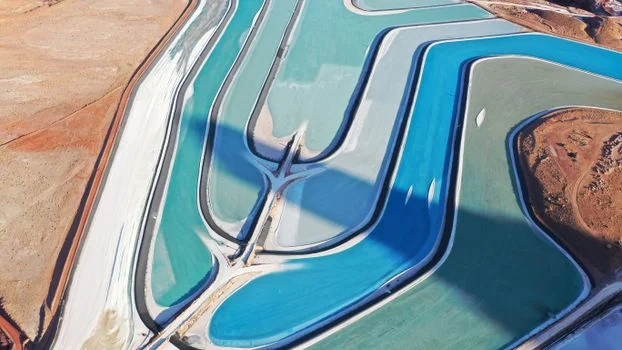
What’s the copper recovery rate of a DAF-MBR-RO system?
A 99.8% copper recovery rate is achievable with a 3-stage DAF-MBR-RO system. This design reduces effluent copper levels to <0.5 mg/L, which comfortably meets the US EPA 40 CFR Part 469 limit of 1.0 mg/L and approaches the stricter standards required in China and the EU.
How much does a PCB wastewater recovery system cost?
2026 CapEx ranges from $1.2M for a 200 m³/day DAF-RO system to $1.8M for a full ZLD system with evaporation. The ROI is typically realized within 2.5 to 3.5 years, driven by copper recovery ($8,500/ton) and the avoidance of high industrial water costs ($5–$15/m³).
What are the maintenance requirements for an MBR system?
MBR membranes require weekly Chemical Cleaning In Place (CIP) using 0.5% NaOH for organic removal and 0.2% citric acid for inorganic scaling. The membrane modules generally require replacement every 5–7 years, with costs ranging from $20,000 to $50,000 per module depending on the system flux and water quality.
Can PCB wastewater be treated to drinking water standards?
No. PCB wastewater contains persistent organic pollutants (POPs), complexing agents, and heavy metals that require specialized industrial treatment. However, ZLD systems produce high-purity distillate with <10 mg/L TDS, which is ideal for industrial reuse in plating, rinsing, and cooling towers, but not for human consumption.
What permits are required for PCB wastewater discharge in the US?
Facilities must obtain an EPA NPDES permit under 40 CFR Part 469. This requires continuous or frequent monitoring for copper, lead, nickel, and TSS. Depending on the location, state-level permits (such as those from California’s Regional Water Quality Control Boards) may impose even stricter limits than federal guidelines.