Why Yaoundé’s Wastewater Crisis Demands Localized Equipment Solutions
Yaoundé’s wastewater treatment coverage is critically low, estimated at less than 30% by the World Bank in 2023. This deficiency results in over 80% of effluent in the capital city being discharged untreated into the Mfoundi and Sanaga rivers, as reported by MINEE in 2024. Such widespread pollution leads to severe environmental degradation, threatening aquatic ecosystems and public health. high turbidity, often reaching up to 3,000 mg/L Total Suspended Solids (TSS), coupled with persistent power outages averaging 12 hours per day in industrial zones, cripples conventional treatment plants. This leads to maintenance costs that are approximately 60% higher compared to modular systems designed for such conditions. The regulatory landscape is tightening, with MINSANTE fines for non-compliance now applying to industrial sectors such as food processing, textiles, and palm oil. Under Decree 2024-042, these fines can reach up to 10 million XAF (approximately $16,500 USD), with over 200 violations recorded in 2025 alone. Yaoundé's urban landscape also presents significant space constraints, making traditional above-ground plants impractical. Underground or skid-mounted systems are increasingly essential to address these spatial challenges and ensure effective treatment within limited footprints.
Yaoundé’s Wastewater Profile: Influent Challenges and Effluent Standards
Understanding Yaoundé’s specific wastewater characteristics is paramount for selecting the correct treatment technology. Typical influent parameters observed in the city include Chemical Oxygen Demand (COD) ranging from 500–1,200 mg/L, Biochemical Oxygen Demand (BOD) from 200–600 mg/L, and TSS from 1,500–3,000 mg/L, with pH generally between 6.5 and 8.5, according to MINEE 2024 benchmarks. These levels significantly exceed the MINEE’s 2026 effluent standards, which mandate a BOD of less than 30 mg/L, COD less than 50 mg/L, TSS less than 30 mg/L, and E. coli counts below 1,000 CFU/100mL, as stipulated in Decree 2024-042. Seasonal rainfall, averaging 1,500–2,000 mm per year, exacerbates these issues by significantly spiking turbidity and flow rates, necessitating equipment capable of handling variable hydraulic loading. Power instability poses another critical challenge; aeration systems, crucial for biological treatment, can fail during outages, severely impacting treatment efficiency. Solar-powered or hybrid systems are becoming essential to mitigate these disruptions and ensure continuous operation.
| Parameter | Typical Yaoundé Influent (mg/L or CFU/100mL) | MINEE 2026 Effluent Standard (mg/L or CFU/100mL) | Significance |
|---|---|---|---|
| BOD | 200 – 600 | < 30 | Measures biodegradable organic matter; high levels deplete oxygen in receiving waters. |
| COD | 500 – 1,200 | < 50 | Measures total organic matter (biodegradable and non-biodegradable); indicates overall pollution load. |
| TSS | 1,500 – 3,000 | < 30 | Suspended solids contribute to turbidity, sediment, and oxygen depletion. High levels are a key Yaoundé challenge. |
| E. coli | High (variable) | < 1,000 | Indicator of fecal contamination; poses significant public health risks. |
| pH | 6.5 – 8.5 | 6.0 – 9.0 (General) | Affects biological processes and aquatic life. |
Technology Matching Matrix: Which Sewage Treatment System Fits Your Yaoundé Project?
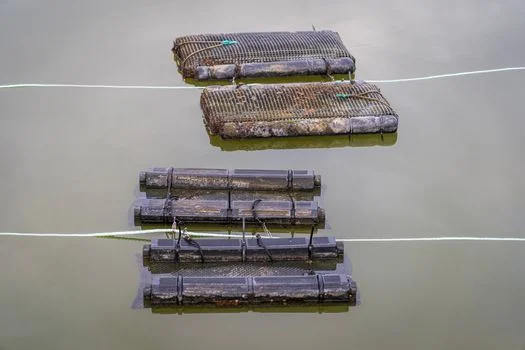
Selecting the appropriate sewage treatment technology is a critical decision, driven by influent characteristics, site constraints, and budget. For Yaoundé’s challenging conditions, several technologies offer distinct advantages. Activated Oxygen (A/O) processes are cost-effective for moderate organic loads but may struggle with very high COD levels. Membrane Bioreactor (MBR) systems excel in achieving high effluent quality with a compact footprint, making them ideal for space-constrained urban environments and high-COD industrial wastewater. Dissolved Air Flotation (DAF) is effective for removing suspended solids and oils but often requires chemical pre-treatment. Sequencing Batch Reactors (SBR) offer flexibility and can handle variable flow rates, but typically require more operational attention. HydropureWater’s modular WSZ Series underground sewage treatment plants, for example, offer 92–97% COD removal and can be deployed in as little as 4 weeks, making them suitable for rapid compliance needs. For a 50 m³/day textile factory with influent COD of 1,000 mg/L, MBR systems can achieve 95% removal, whereas a conventional A/O system might only reach 85%. While MBR systems incur approximately 30% higher CAPEX (e.g., $120,000 vs. $90,000 for an A/O system of similar capacity), their superior performance and smaller footprint often justify the investment. For off-grid sites or areas with unreliable power, solar-powered options are essential. A $25,000 solar package, including battery storage, can save an estimated $8,000 per year in diesel fuel costs, offering a compelling return on investment. The modular nature of systems like the WSZ Series also allows for phased expansion, accommodating Yaoundé’s urban growth rate of 3.5% annually.
| Technology | Typical COD Removal (%) | Typical TSS Removal (%) | Approx. Footprint (m²/100 m³/day) | Power Requirement (kWh/m³) | Deployment Time (Weeks) | Approx. Cost ($/m³/day) |
|---|---|---|---|---|---|---|
| A/O (Activated Oxygen) | 85 – 90 | 90 – 95 | 10 – 15 | 0.8 – 1.5 | 8 – 12 | 1,500 – 2,000 |
| MBR (Membrane Bioreactor) | 95 – 98 | >99 | 5 – 8 | 1.2 – 2.0 | 4 – 8 | 2,200 – 3,000 |
| DAF (Dissolved Air Flotation) | 70 – 85 (with chemicals) | 90 – 92 | 8 – 12 | 0.5 – 1.0 | 6 – 10 | 1,800 – 2,500 |
| SBR (Sequencing Batch Reactor) | 90 – 95 | 95 – 98 | 12 – 18 | 1.0 – 1.8 | 10 – 14 | 1,700 – 2,300 |
| WSZ Series (Modular Underground) | 92 – 97 | 95 – 98 | 6 – 9 | 0.9 – 1.6 | 4 – 6 | 1,800 – 2,400 |
For instance, if your influent COD consistently exceeds 800 mg/L and available land is limited in Yaoundé, MBR systems are a strong consideration, offering superior removal rates and a reduced footprint compared to A/O or SBR technologies. Solar-powered options, integrated with battery storage, are crucial for sites experiencing frequent power outages, such as many industrial zones in Cameroon. A typical solar installation for a 50 m³/day plant can significantly offset energy costs, potentially saving $8,000 annually in diesel expenses and ensuring uninterrupted operation. The modularity of systems like the modular WSZ Series underground sewage treatment plants allows for scalable deployment, aligning with future expansion needs and Yaoundé's dynamic urban development.
Supplier Selection Checklist: 7 Non-Negotiables for Yaoundé Buyers
To mitigate risks and ensure long-term compliance and operational efficiency, procurement managers and facility operators in Yaoundé must adopt a rigorous supplier evaluation process. Adhering to a structured checklist is crucial for avoiding costly fines and operational failures. Firstly, verify that the supplier’s equipment demonstrably meets MINEE’s 2026 effluent standards (BOD <30 mg/L, COD <50 mg/L) through accredited laboratory test reports; generic claims are insufficient. Secondly, prioritize suppliers with robust local after-sales support, ideally with service hubs in Douala or Yaoundé, offering guaranteed response times (e.g., 24 hours for critical parts replacement) to minimize downtime. Thirdly, assess the equipment's power adaptability; it must be designed to withstand daily outages of 12+ hours, with solutions like solar/battery hybrids or auto-restart functions being essential. Fourthly, ensure the system offers modular scalability, allowing for expansion in increments (e.g., 20 m³/day) to align with Yaoundé’s projected urban growth. Fifthly, confirm the supplier’s capability in handling high-turbidity influent; verify TSS removal rates of ≥95% at 3,000 mg/L influent, ideally supported by pilot test data. Sixthly, scrutinize the deployment timeline; prefabricated systems should achieve installation in under 8 weeks to prevent delays that could trigger MINSANTE fines. Finally, ensure comprehensive training and documentation are provided in French, including Standard Operating Procedures (SOPs) and operator training manuals, which is critical for effective long-term management, especially for municipal projects.
Cost Breakdown: CAPEX, OPEX, and ROI for Yaoundé Sewage Treatment Projects
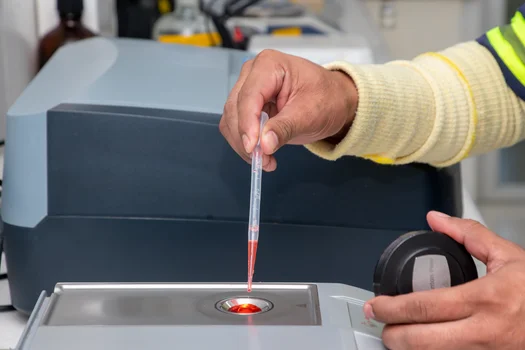
Transparent cost analysis is vital for securing stakeholder approval and managing project budgets effectively. In Yaoundé, the Capital Expenditure (CAPEX) for sewage treatment plants can range significantly, from approximately $15,000 for a small 5 m³/day mobile unit to $500,000 for a large-scale 200 m³/day industrial MBR system. Operational Expenditure (OPEX) is primarily driven by energy consumption (around 40% of total costs), followed by chemicals (20%), labor (15%), and maintenance (10%). Implementing solar-powered solutions can reduce energy costs by up to 60%, dramatically improving the overall financial viability. Calculating the Return on Investment (ROI) is crucial. For example, a 50 m³/day MBR system with a CAPEX of $120,000 can result in significant savings. By avoiding annual MINSANTE fines, estimated at $16,000 per year for non-compliance, and reducing diesel fuel costs by $8,000 annually through solar integration, the system can achieve a payback period of approximately 3 years. Beyond direct equipment costs, potential buyers must also account for hidden expenses. These include land acquisition in Yaoundé, where urban land can cost between $100–$300/m², permitting processes which typically take 6–8 weeks for MINEE approval, and sludge disposal fees, which can be around 500 XAF per ton for landfilling. Understanding these comprehensive cost factors is essential for accurate budgeting and long-term financial planning.
| Technology | Approx. CAPEX ($/m³/day) | Approx. OPEX (% of Total) | Key OPEX Drivers | Solar Integration Savings (%) |
|---|---|---|---|---|
| A/O | 1,800 | 15 – 20% | Energy, Sludge Disposal | 30 – 40% |
| MBR | 2,400 | 20 – 25% | Energy, Membrane Replacement, Sludge Disposal | 40 – 50% |
| DAF | 2,000 | 18 – 23% | Energy, Chemicals, Sludge Disposal | 30 – 40% |
| SBR | 1,900 | 17 – 22% | Energy, Operator Labor, Sludge Disposal | 35 – 45% |
| WSZ Series (Modular Underground) | 2,000 | 16 – 21% | Energy, Sludge Disposal | 40 – 50% |
Case Study: How a Yaoundé Palm Oil Mill Cut Fines by 90% with a Solar-Powered WSZ Plant
A prominent palm oil mill located in the Nkolbisson suburb of Yaoundé faced significant financial penalties due to non-compliance with MINEE effluent standards. Their untreated wastewater, with COD levels reaching 1,200 mg/L, far exceeded the mandated 50 mg/L limit, resulting in MINSANTE fines totaling 5 million XAF (approximately $8,250 USD) in a single quarter. To address this critical issue, the mill invested in a HydropureWater 30 m³/day WSZ Series underground plant, integrated with solar panels and battery storage. The total project cost was $75,000. This solution effectively reduced their effluent COD to 45 mg/L, completely eliminating the recurring MINSANTE fines. the adoption of solar power drastically cut their reliance on diesel generators, saving an estimated $6,000 per year in fuel costs. The payback period for this investment was calculated at 4.5 years. A key lesson learned was the advantage of the modular design, which allowed the plant to be easily expanded to 50 m³/day as the mill's production capacity grew. Additionally, the provision of French-language Standard Operating Procedures (SOPs) and comprehensive operator training led to a 70% reduction in operator errors, ensuring sustained operational efficiency.
Frequently Asked Questions
What are MINEE’s effluent standards for Yaoundé in 2026? MINEE’s Decree 2024-042 mandates stringent effluent quality for all industrial and municipal discharges in Cameroon, requiring BOD to be below 30 mg/L, COD below 50 mg/L, TSS below 30 mg/L, and E. coli counts under 1,000 CFU/100mL.
How much does a sewage treatment plant cost in Yaoundé? Costs vary significantly by capacity and technology. A 5 m³/day mobile unit can start around $15,000, while a 200 m³/day industrial MBR system can cost up to $500,000. Solar-powered options typically add 20–30% to the initial CAPEX but can reduce OPEX by 40% over the system's lifespan.
Which sewage treatment technology is best for Yaoundé’s high turbidity? For Yaoundé’s high turbidity influent (up to 3,000 mg/L TSS), Membrane Bioreactor (MBR) systems are highly recommended due to their ability to achieve 95–98% TSS removal, significantly outperforming conventional technologies like A/O (85–90%) and DAF (90–92%).
Can sewage treatment plants run on solar power in Yaoundé? Yes, solar-powered systems with integrated battery storage are a viable and increasingly popular solution in Yaoundé. For example, a 10 kW solar array coupled with a 20 kWh battery can effectively power a 50 m³/day plant, reducing diesel costs by approximately $8,000 per year and eliminating downtime caused by power outages.
How long does it take to deploy a sewage treatment plant in Yaoundé? Prefabricated and modular systems, such as HydropureWater’s WSZ Series, can be deployed within 4–8 weeks. Custom-designed or site-built plants may require 12–16 weeks for completion. It is crucial to note that MINSANTE fines can be imposed after 6 months of non-compliance with effluent standards.
Related Equipment
- MBR systems for high-COD industrial wastewater — view specifications, capacity range, and technical data
- compact medical wastewater treatment systems for clinics — view specifications, capacity range, and technical data
Need a customized solution? Request a free quote with your specific flow rate and pollutant parameters.