Oklahoma’s industrial facilities face strict DEQ discharge limits (30 mg/L TSS, 25 mg/L BOD5) and rising wastewater volumes, making equipment selection critical. Top suppliers offer DAF, MBR, and underground systems, but performance varies: MBR systems deliver <10 mg/L TSS (exceeding compliance) while DAF units remove 95%+ FOG—ideal for food processing. This guide compares specs, costs, and Oklahoma-specific compliance for zero-risk procurement.
Why Oklahoma’s Wastewater Compliance Demands Smarter Equipment Choices
Oklahoma Department of Environmental Quality (DEQ) industrial discharge permits typically mandate strict thresholds of 30 mg/L for Total Suspended Solids (TSS), 25 mg/L for Five-Day Biochemical Oxygen Demand (BOD5), and as low as 2 mg/L for ammonia-nitrogen. These standards align with EPA Region 6 industrial pretreatment requirements, which often impose a 10 mg/L limit on oil and grease for sectors like food processing and petro-refining. Failure to meet these metrics results in significant financial exposure; for instance, an Oklahoma City meat processor was fined $120,000 in 2023 for repeated TSS violations caused by outdated primary clarifiers that could not handle peak hydraulic loads (per DEQ enforcement report data).
Oklahoma’s specific climate presents a secondary engineering challenge. Equipment must remain operational through extreme thermal shifts, from summer highs exceeding 100°F to sub-freezing winter conditions. Biological processes are particularly vulnerable; Dissolved Air Flotation (DAF) efficiency can drop by 15% when water temperatures fall below 5°C due to changes in air solubility and floc stability. Similarly, Membrane Bioreactor (MBR) systems in Oklahoma often require insulated enclosures or heat-traced piping to maintain the microbial activity necessary for nutrient removal.
Data from a 2024 DEQ audit indicates that approximately 60% of industrial facilities in the state lack adequate pretreatment for Fats, Oils, and Grease (FOG). This gap often leads to sewer surcharges or "slug load" violations. Facilities must also consider how federal oversight often pushes regional standards toward more stringent nationwide benchmarks. Selecting equipment that offers a "compliance cushion"—performing 20-30% better than the current permit—is the only way to future-proof an Oklahoma facility against tightening regulations. For context, San Diego’s strict pretreatment standards can inform Oklahoma’s regulatory trajectory.
Oklahoma’s Top 4 Sewage Treatment System Types: Engineering Specs Compared
The following sections outline the primary technology categories deployed across the state.Industrial buyers in Oklahoma must match equipment selection to specific waste streams, whether they are managing high-strength organics from a poultry plant or saline-heavy produced water from oil and gas operations.
DAF Systems: These units utilize micro-bubbles to float solids and oils to the surface for mechanical skimming. They are the industry standard for FOG removal, achieving 95% efficiency. For Oklahoma facilities, Oklahoma-approved DAF systems for FOG and TSS removal must include automated pH adjustment loops, as bubble formation is optimized between pH 6.5 and 8.5. Capacity ranges from 4 to 300 m³/h, making them scalable for small processors or large refineries.
MBR Systems (Integrated MBR): Combining biological treatment with membrane filtration, MBRs produce high-clarity effluent with <10 mg/L TSS. These are increasingly used in Oklahoma’s water-scarce regions for reuse applications. The PVDF membranes used in these systems are particularly robust, tolerating the high salinity (up to 15,000 mg/L TDS) common in western Oklahoma’s industrial sectors. You can explore MBR systems for Oklahoma’s high-salinity and space-constrained sites to see how they reduce footprint by 60% compared to traditional clarifiers.
Underground WSZ Plants: These systems utilize an A/O (Anaerobic/Oxidized) biological contact oxidation process followed by sedimentation. They are ideal for facilities where surface space is limited or where aesthetic and odor control are priorities. In Oklahoma, DEQ-compliant underground plants for Oklahoma’s freezing winters are buried at a minimum depth of 2 meters to leverage geothermal insulation, preventing the biological "kill-off" associated with surface tank freezing.
Chemical Dosing Systems: Often used as a "boost" for existing plants, these PLC-controlled systems inject coagulants and flocculants with ±0.1 pH accuracy. This precision is critical for meeting DEQ’s 10 mg/L limits on heavy metals, such as chromium in electroplating wastewater, which requires specific pH precipitation points.
| System Type | Primary Application | Capacity Range | TSS Removal | BOD5 Removal |
|---|---|---|---|---|
| DAF | Food/Oil & Gas Pretreatment | 4–300 m³/h | 90% | 50–70% |
| MBR (Integrated) | Municipal/High-Strength Organic | 10–2,000 m³/day | >99% | >95% |
| WSZ (Underground) | Small Industrial/Residential | 1–80 m³/h | 85% | 90% |
| Chemical Dosing | Metal Removal/pH Correction | Customizable | Variable | N/A |
Oklahoma Compliance vs. Equipment Capabilities: A Parameter Matching Table
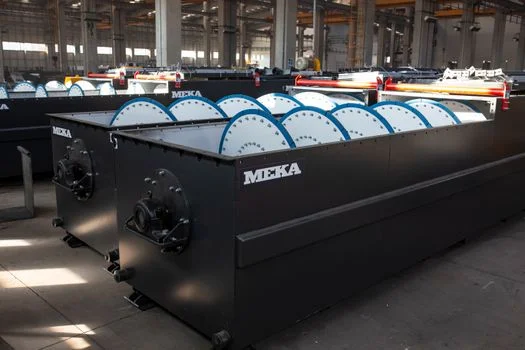
To ensure zero-risk procurement, equipment specifications must be mapped directly against the Oklahoma Administrative Code (OAC) 252:606 standards and EPA 40 CFR Part 403. While a standard clarifier might struggle with fine suspended solids, MBR and DAF technologies provide the reliability needed to avoid daily fine structures. Facilities dealing with meat processing should specifically look into hybrid systems for Oklahoma’s high-BOD industrial wastewater (e.g., meat processing) to manage nitrogen and phosphorus spikes.
| Parameter | OK DEQ Limit | EPA Standard | DAF Capability | MBR Capability | WSZ Capability |
|---|---|---|---|---|---|
| TSS | 30 mg/L | 30 mg/L | 20–50 mg/L | <5 mg/L | 20 mg/L |
| BOD5 | 25 mg/L | 25 mg/L | >100 mg/L* | <5 mg/L | 15 mg/L |
| FOG | 15 mg/L | 10 mg/L | <10 mg/L | <2 mg/L | <10 mg/L |
| Ammonia | 2 mg/L | N/A | No Removal | <1 mg/L | <2 mg/L |
| Metals | Variable | 0.1–2.0 mg/L | With Chemicals | Partial | Minimal |
*Note: DAF primarily removes insoluble BOD; soluble BOD requires downstream biological treatment like MBR or WSZ.
Cost Models for Oklahoma: CapEx, OPEX, and ROI by System Type
Budgeting for a sewage treatment plant in Oklahoma involves several factors.Operating expenditures (OPEX) in Oklahoma are heavily influenced by electricity rates. While Oklahoma’s industrial rates are competitive, the energy-intensive nature of MBR blowers means that high-efficiency motors are essential for long-term ROI. sludge disposal at Oklahoma landfills can cost between $50 and $80 per ton, favoring systems like MBR that produce significantly less sludge volume than traditional chemical precipitation methods. For a broader perspective on how these costs align with other regions, see these global cost benchmarks for sewage treatment plants.
| System Type | CapEx Range (2025) | Annual OPEX | Primary Cost Drivers |
|---|---|---|---|
| DAF System | $50,000 – $200,000 | $5,000 – $15,000 | Coagulant/Flocculant chemicals |
| MBR Plant | $200,000 – $1.2M | $15,000 – $40,000 | Electricity & Membrane cleaning |
| WSZ (Underground) | $80,000 – $400,000 | $3,000 – $10,000 | Periodic sludge pumping |
| Chemical Dosing | $20,000 – $80,000 | Variable | Chemical consumption volume |
Zero-Risk Supplier Selection: A 7-Step Framework for Oklahoma Buyers
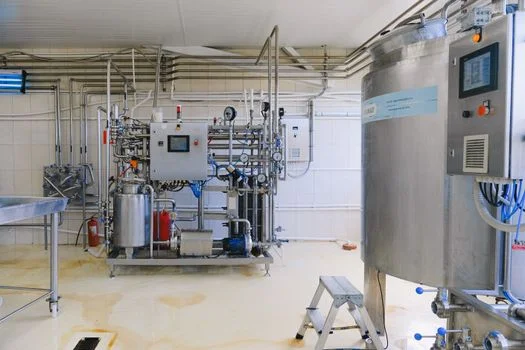
Selecting a supplier requires more than just a low bid; it requires technical verification that the equipment can handle Oklahoma’s specific influent fluctuations and regulatory scrutiny. Follow this framework to ensure procurement success:
- Step 1: Verify OEM Capabilities: Determine if the supplier is a direct manufacturer or a reseller. Direct manufacturers provide better access to custom engineering and spare parts.
- Step 2: Audit Oklahoma Project History: Demand case studies from similar industries within the state. A system that works for a municipal plant in Oregon may fail in an Oklahoma oilfield due to salinity differences.
- Step 3: Evaluate Support Response: Oklahoma DEQ permits often require 24/7 emergency response plans. Ensure your supplier or their local partner can provide on-site support within 24 hours.
- Step 4: Demand Performance Guarantees: Do not sign a contract without a guarantee that the effluent will meet specific DEQ parameters (e.g., TSS < 30 mg/L) under your site’s peak flow conditions.
- Step 5: Inspect Supply Chain Resilience: Check where spare parts are stocked. For example, HydropureWater maintains a 30-day inventory in regional hubs like Houston to ensure rapid delivery to Oklahoma facilities.
- Step 6: Total Cost of Ownership (TCO) Analysis: Calculate the 10-year cost including membrane replacements, chemical usage, and energy. A cheaper DAF unit may be more expensive than an MBR over