A Valencia meat processor, facing imminent EU fines due to seasonal BOD spikes, exemplifies the critical need for advanced wastewater treatment in Spain's food industry. Food processing wastewater in Spain presents significant challenges, characterized by high organic loads (COD typically 2,000–15,000 mg/L for meat processing, 500–3,000 mg/L for dairy) and substantial fats, oils, and grease (FOG often exceeding 1,000 mg/L). Compliance with EU Directive 91/271/EEC and Spain’s Royal Decree 509/2020 mandates stringent effluent limits, including BOD <25 mg/L, TSS <35 mg/L, and pH 6–9. As 2026 approaches, stricter regional limits, such as Andalusia’s 10 mg/L BOD target for water reuse, are driving upgrades towards proven modular solutions like dissolved air flotation (DAF) for efficient FOG removal and membrane bioreactors (MBR) for robust COD/BOD reduction, ensuring both regulatory adherence and operational sustainability.
Spain’s 2026 Food Processing Wastewater Regulations: EU vs. National vs. Regional Limits
Spain's food processing wastewater treatment regulations are a multi-layered framework, with EU Directive 91/271/EEC establishing baseline effluent limits that are further tightened by national and regional legislation. This intricate regulatory landscape, particularly with 2026 upgrades in focus, places significant responsibility on plant engineers and environmental compliance managers to avoid substantial financial penalties and operational disruptions. The EU Urban Waste Water Treatment Directive 91/271/EEC sets the fundamental discharge parameters for urban and industrial wastewater, requiring effluent to meet BOD <25 mg/L, COD <125 mg/L, TSS <35 mg/L, and maintain a pH between 6 and 9 (Top 1). This directive serves as the baseline for all member states, including Spain.
Building upon the EU framework, Spain’s Royal Decree 509/2020 (which updates Royal Decree 509/1996) introduces more granular, industry-specific limits. For food processing facilities, this includes a stringent FOG limit of <15 mg/L and specific heavy metal thresholds, such as cadmium <0.2 mg/L (Top 1). These national regulations aim to address pollutants common to industrial discharges that may not be fully covered by the broader EU directive. Enforcement is conducted by regional agencies, like the Catalan Water Agency (ACA) and the Guadalquivir Hydrographic Confederation (CHG), which frequently impose even stricter limits, especially in water-stressed regions. For example, Andalusia targets a BOD <10 mg/L for treated wastewater destined for reuse, while Catalonia mandates 90% nutrient removal for sensitive areas (Top 2). These regional variations highlight the importance of understanding local requirements beyond national guidelines.
Non-compliance carries severe consequences. Spain incurred approximately €12 million in EU penalties in 2023 due to violations of Directive 91/271/EEC, demonstrating the financial risk (Top 2). Regional agencies conduct unannounced sampling and high-frequency monitoring, with tiered penalties based on the severity of environmental impact and recidivism, potentially reaching administrative fines of €2 million (HydropureWater regulatory analysis, 2025). facilities discharging directly to municipal sewers are often required to implement mandatory pretreatment to reduce loads on public infrastructure. Adherence to these evolving regulations for food processing wastewater treatment in Spain is not merely a legal obligation but a strategic imperative for operational continuity and environmental stewardship.
| Regulatory Body/Jurisdiction | Key Effluent Parameters | Limit (mg/L, unless specified) | Notes |
|---|---|---|---|
| EU Directive 91/271/EEC | BOD5 | <25 | Baseline for urban/industrial wastewater |
| COD | <125 | ||
| TSS | <35 | ||
| pH | 6–9 | ||
| Spain Royal Decree 509/2020 | FOG (for food processing) | <15 | National industry-specific limit |
| Cadmium | <0.2 | Specific heavy metal limit | |
| Andalusia (for water reuse) | BOD5 | <10 | Stricter regional limit for reuse applications |
| Catalonia (sensitive areas) | Nutrient Removal | 90% | Requires advanced treatment for nitrogen/phosphorus |
Food Processing Wastewater Characteristics: COD, BOD, TSS, and FOG by Subsector
Understanding the specific characteristics of food processing wastewater is fundamental for designing effective treatment systems, as influent quality varies significantly across subsectors due to distinct raw materials and processes. These variations in chemical oxygen demand (COD), biochemical oxygen demand (BOD), total suspended solids (TSS), and fats, oils, and grease (FOG) directly dictate the required treatment technologies and system sizing for food processing wastewater treatment in Spain.
- Meat processing: Wastewater from slaughterhouses and meat processing facilities is notoriously high in organic load, characterized by blood, fat, and protein content. Typical influent ranges include COD 2,000–15,000 mg/L, BOD 1,000–8,000 mg/L, TSS 500–3,000 mg/L, and FOG 500–1,000 mg/L. These high concentrations necessitate robust pretreatment for FOG and solids removal before biological treatment.
- Dairy processing: Dairy wastewater is characterized by high concentrations of lactose, casein, and whey, contributing to significant organic loads and moderate FOG levels. Influent parameters typically fall within COD 500–3,000 mg/L, BOD 300–2,000 mg/L, TSS 200–1,000 mg/L, and FOG 300–800 mg/L. pH can also fluctuate due to cleaning-in-place (CIP) operations.
- Vegetable processing: Wastewater from vegetable processing, including washing, blanching, and peeling, contains starches, cellulose, and some pesticide residues. While FOG levels are generally lower, organic loads can still be substantial: COD 1,000–5,000 mg/L, BOD 500–3,000 mg/L, TSS 300–2,000 mg/L, and FOG <100 mg/L.
- Beverage processing: This category encompasses a wide range, from fruit juices to alcoholic beverages. Wastewater typically contains sugars, alcohol, and organic acids, resulting in moderate organic loads. Influent ranges are generally COD 500–2,000 mg/L, BOD 300–1,500 mg/L, TSS 100–500 mg/L, and FOG <50 mg/L.
Beyond average concentrations, seasonal variations significantly impact system sizing and operational strategies. For instance, Valencia’s vegetable processors often experience flow spikes of +40% during harvest season (Top 2). Such fluctuations demand treatment systems with adequate hydraulic retention time (HRT) and biological capacity to prevent washout and maintain consistent effluent quality, ensuring compliance even during peak production. Properly characterizing these influent parameters is the first critical step in selecting effective food industry wastewater treatment technologies.
| Food Subsector | Typical COD Range (mg/L) | Typical BOD Range (mg/L) | Typical TSS Range (mg/L) | Typical FOG Range (mg/L) | Key Constituents |
|---|---|---|---|---|---|
| Meat Processing | 2,000–15,000 | 1,000–8,000 | 500–3,000 | 500–1,000 | Blood, fat, protein, tissue |
| Dairy Processing | 500–3,000 | 300–2,000 | 200–1,000 | 300–800 | Lactose, casein, whey, milk fat |
| Vegetable Processing | 1,000–5,000 | 500–3,000 | 300–2,000 | <100 | Starch, cellulose, sugars, soil, pesticide residues |
| Beverage Processing | 500–2,000 | 300–1,500 | 100–500 | <50 | Sugars, alcohol, organic acids, fruit pulp |
Treatment Technologies for Food Processing Wastewater: DAF vs. MBR vs. Hybrid Systems
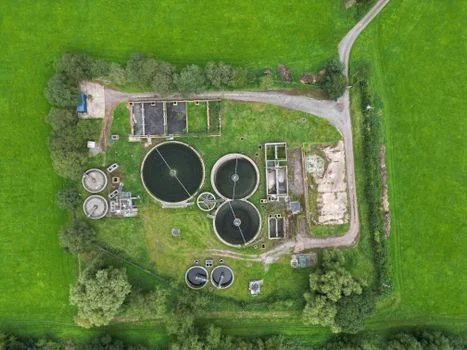
Selecting the optimal wastewater treatment technology for food processing facilities in Spain hinges on matching influent characteristics with desired effluent quality, with dissolved air flotation (DAF) and membrane bioreactors (MBR) standing out as highly effective solutions for specific challenges. These technologies offer distinct advantages in removing key pollutants like FOG, COD, and BOD, crucial for meeting stringent Spanish wastewater discharge limits for food processing.
- Dissolved Air Flotation (DAF) Systems: DAF systems for FOG removal in food processing wastewater are highly effective for primary treatment, particularly in subsectors with high FOG and TSS loads like meat and dairy processing. DAF systems inject fine air bubbles into wastewater, causing suspended solids, fats, oils, and greases to float to the surface for skimming. They typically achieve 90–98% FOG removal and 50–70% TSS reduction (Top 1), significantly reducing the load on subsequent biological stages. DAF is a compact, robust technology ideal for pretreatment, protecting downstream equipment and reducing operational costs.
- Membrane Bioreactor (MBR) Systems: Integrated MBR systems for COD/BOD removal and water reuse combine conventional activated sludge biological treatment with membrane filtration (ultrafiltration or microfiltration). MBR systems achieve superior effluent quality, with 95%+ COD/BOD removal and TSS <1 mg/L, making the treated water suitable for direct discharge to sensitive environments or for water reuse applications (Top 3). The compact footprint of MBRs makes them ideal for facilities with limited space. However, they require frequent membrane cleaning to maintain flux rates and prevent fouling, which impacts operational expenditure. Key process parameters include hydraulic retention time (HRT) and sludge retention time (SRT), which are typically longer in MBRs, and membrane flux rates, which are critical for system design and performance.
- Hybrid DAF-MBR Systems: These systems leverage the strengths of both technologies, using DAF for initial FOG and TSS removal, followed by an MBR for advanced biological treatment. This hybrid approach is particularly beneficial for food processing wastewater with high and variable organic loads. The DAF pretreatment protects the MBR membranes from fouling by FOG, extending membrane life and reducing the frequency of chemical cleaning. Case studies demonstrate that hybrid DAF-MBR systems can reduce chemical costs by up to 30% compared to standalone MBRs, while consistently meeting stringent effluent standards (Top 3).
- Activated Sludge Systems: Traditional activated sludge systems, while having a lower CAPEX, often struggle with the high FOG content and seasonal flow spikes characteristic of food processing wastewater. They require larger footprints and produce more sludge compared to MBR systems (Top 2). While effective for general organic removal, they typically cannot achieve the low TSS and high pathogen removal rates required for water reuse without tertiary filtration.
Choosing between these food industry wastewater treatment technologies depends on influent characteristics, desired effluent quality, space availability, and budget. For primary screening and solids removal, rotary drum screens for pre-treatment in food processing wastewater are often used before DAF or biological treatment.
| Technology | Primary Function | Typical Removal Efficiency | Pros | Cons | Ideal Application |
|---|---|---|---|---|---|
| Dissolved Air Flotation (DAF) | FOG, TSS removal | FOG: 90-98%, TSS: 50-70% | Compact, effective for FOG, robust pretreatment | Requires chemical dosing, sludge disposal | High FOG/TSS influent (meat, dairy) as pretreatment |
| Membrane Bioreactor (MBR) | COD, BOD, TSS, Nutrient removal | COD/BOD: 95%+, TSS: <1 mg/L | High effluent quality, compact footprint, water reuse potential | Higher CAPEX/OPEX (membranes), fouling risk | Strict discharge limits, water reuse goals, limited space |
| Hybrid DAF-MBR | FOG, COD, BOD, TSS, Nutrient removal | Combines DAF/MBR efficiencies | Optimized FOG protection for MBR, reduced chemical costs, high effluent quality | Higher CAPEX than standalone DAF | High FOG/organic loads, strict discharge/reuse goals |
| Activated Sludge | COD, BOD removal | COD/BOD: 80-90% | Lower CAPEX, familiar technology | Large footprint, struggles with FOG/spikes, higher sludge volume | Lower organic loads, ample space, less stringent discharge |
Cost Breakdown: CAPEX, OPEX, and ROI for Food Processing Wastewater Systems in Spain
Understanding the comprehensive cost implications, encompassing both Capital Expenditure (CAPEX) and Operational Expenditure (OPEX), is crucial for evaluating the long-term viability and return on investment (ROI) of food processing wastewater treatment systems in Spain. These financial considerations directly influence technology selection and budget allocation for compliance and sustainability initiatives.
- DAF Systems: The CAPEX for DAF systems for FOG removal in food processing wastewater ranges from €50,000 to €300,000 for capacities between 4 and 300 m³/h. OPEX is typically €0.10–€0.30/m³ of treated water, primarily driven by chemical dosing (coagulants, flocculants), energy consumption for pumps and compressors, and routine maintenance. The relatively lower CAPEX makes DAF an attractive option for initial pretreatment stages.
- MBR Systems: Integrated MBR systems for COD/BOD removal and water reuse represent a higher upfront investment due to the advanced membrane technology. CAPEX typically falls between €200,000 and €1.5M for systems treating 10–2,000 m³/day. OPEX, ranging from €0.30–€0.80/m³, is significantly influenced by membrane replacement costs (typically every 5-10 years), energy for aeration and membrane scouring, and chemicals for cleaning. Despite higher OPEX, the superior effluent quality and potential for water reuse can offset these costs over time.
- Hybrid DAF-MBR Systems: Combining the benefits of both, hybrid DAF-MBR systems have a CAPEX between €250,000 and €1.8M. Their OPEX, generally €0.25–€0.60/m³, is often lower than standalone MBRs for comparable treatment levels. This is largely due to the DAF pretreatment protecting the membranes, leading to approximately 30% lower chemical cleaning costs and extended membrane life, improving the overall cost-effectiveness for complex food processing wastewater.
The ROI for water reuse in the Spanish food industry is a compelling factor. A notable example is Tarragona’s 20,000 m³/day reuse project, which generates annual savings of €1.2M in water costs (Top 1). For food processors, implementing water reuse can lead to payback periods of 3–7 years, depending on local water tariffs, discharge fees, and the volume of water reused. Cost drivers across all systems include energy consumption, particularly for aeration in biological processes like MBR, chemical dosing for coagulation/flocculation in DAF, and the periodic replacement of high-value components such as membranes in MBR systems. An automatic chemical dosing system can optimize chemical usage, reducing operational costs and improving treatment efficiency.
| System Type | Typical CAPEX (EUR) | Typical OPEX (EUR/m³) | Primary Cost Drivers | ROI Factors |
|---|---|---|---|---|
| DAF Systems | €50,000 – €300,000 | €0.10 – €0.30 | Chemicals, energy (pumps/compressors), sludge disposal | Reduced discharge fees, protection of downstream systems |
| MBR Systems | €200,000 – €1.5M | €0.30 – €0.80 | Membrane replacement, energy (aeration/scouring), cleaning chemicals | Water reuse savings, reduced fines, compliance, smaller footprint |
| Hybrid DAF-MBR Systems | €250,000 – €1.8M | €0.25 – €0.60 | Energy, membrane replacement, reduced chemical use (30% less than MBR alone) | Maximized water reuse, extended membrane life, compliance for complex wastewater |
How to Select the Right Wastewater Treatment System for Your Food Processing Facility
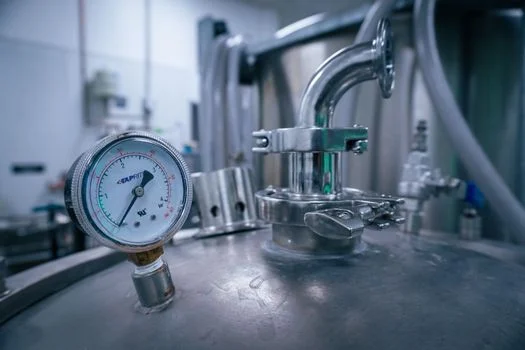
Selecting the optimal wastewater treatment system for a food processing facility requires a structured approach that aligns effluent quality goals with influent characteristics, regulatory mandates, and financial considerations. This decision framework ensures that the chosen food industry wastewater treatment technologies are both effective and economically viable for your specific operations.
- Step 1: Define Effluent Goals. The first critical step is to clearly establish your desired effluent quality. Are you aiming for discharge to a municipal sewer, a natural water body, or reuse for irrigation or process water? Each goal dictates different levels of treatment and corresponding technology requirements. For example, water reuse typically demands MBR-level filtration, while discharge to a municipal sewer might allow for less stringent treatment after effective pretreatment.
- Step 2: Assess Influent Quality. Utilize the subsector benchmarks for COD, BOD, TSS, and FOG discussed earlier (e.g., meat vs. dairy vs. vegetable processing) to accurately characterize your facility's raw wastewater. High FOG (>500 mg/L) or extreme organic loads (>5,000 mg/L COD) will steer the decision towards robust pretreatment and advanced biological systems.
- Step 3: Evaluate Regional Compliance Requirements. Beyond national mandates, assess specific regional compliance variations. For instance, if your facility is in Andalusia and aims for water reuse, you must meet the stricter BOD <10 mg/L limit. Failure to consider these nuances can lead to non-compliance and penalties.
- Step 4: Compare CAPEX/OPEX. Use the cost breakdown table to evaluate the upfront capital expenditure and ongoing operational costs for DAF, MBR, and hybrid systems. Prioritize systems with lower chemical and energy consumption for long-term savings. Consider the total cost of ownership over a 10-15 year lifecycle, factoring in potential water reuse savings and reduced discharge fees.
- Step 5: Consider Footprint and Scalability. Evaluate the physical space available at your facility. MBR systems are generally more compact, making them suitable for sites with limited real estate. For facilities experiencing significant seasonal spikes in flow or organic load, a hybrid DAF-MBR system offers greater flexibility and scalability to handle fluctuations without compromising effluent quality.
A simplified decision tree can guide this process: if FOG >500 mg/L, DAF pretreatment is essential. If COD >5,000 mg/L or water reuse is a goal, an MBR or hybrid DAF-MBR system is typically required. For further insights into regulatory compliance and cost models, refer to Portugal’s 2026 food processing wastewater regulations and cost models.
Frequently Asked Questions
Addressing common inquiries regarding food processing wastewater treatment provides practical insights for plant engineers and compliance managers navigating complex operational and regulatory challenges.
Q: How do I manage seasonal spikes in wastewater flow and organic load?
A: Seasonal variations, common in vegetable processing during harvest (e.g., +40% flow in Valencia), require flexible systems. Integrated MBR systems for COD/BOD removal and water reuse, especially hybrid DAF-MBR configurations, are designed with adequate hydraulic retention time (HRT) and biological capacity to handle these fluctuations. Pre-equalization tanks can also buffer peak loads, ensuring consistent influent to the main treatment system and maintaining stable effluent quality.
Q: Can treated wastewater be reused for irrigation or process water in Spain?
A: Yes, water reuse in the Spanish food industry is increasingly encouraged, particularly in water-stressed regions. Effluent treated to high standards, typically by MBR systems, can be reused for irrigation of non-food crops, cleaning, or even certain process applications, provided it meets specific regional quality criteria (e.g., Andalusia’s BOD <10 mg/L for reuse). This reduces reliance on fresh water sources and lowers discharge costs.
Q: What are the primary challenges in treating high FOG content wastewater?
A: High fats, oils, and grease (FOG) content, prevalent in meat and dairy processing, can clog pipes, impair biological treatment, and cause compliance issues. The most effective approach involves robust pretreatment using DAF systems for FOG removal in food processing wastewater. DAF efficiently separates FOG, protecting downstream biological processes and reducing the need for frequent maintenance and chemical cleaning.
Q: What role do chemical dosing systems play in food processing wastewater treatment?
A: Automatic chemical dosing systems are crucial for several aspects of food processing wastewater treatment. They are used for pH adjustment to optimize biological activity, for coagulation and flocculation in DAF systems to enhance FOG and TSS removal, and for nutrient removal (e.g., phosphorus precipitation). Precise PLC-controlled chemical dosing for pH adjustment and coagulation ensures optimal treatment efficiency and compliance, minimizing chemical consumption and operational costs.
Related Equipment
The following HydropureWater products are engineered for the wastewater challenges discussed above:
- DAF systems for FOG removal in food processing wastewater — view specifications, capacity range, and technical data
- Integrated MBR systems for COD/BOD removal and water reuse — view specifications, capacity range, and technical data
- PLC-controlled chemical dosing for pH adjustment and coagulation — view specifications, capacity range, and technical data
Need a customized solution? Request a free quote with your specific flow rate and pollutant parameters.