Why Hospital Wastewater in Colon Needs Specialized Treatment
Hospital wastewater in Colon requires treatment systems that remove 95%+ of COD (50–500 mg/L influent), 99% of TSS (100–300 mg/L influent), and achieve 4-log pathogen reduction to meet EPA NPDES permits (<30 mg/L BOD/TSS). MBR systems deliver near-reuse-quality effluent (COD ≤50 mg/L) but cost $250K–$1.2M for 50–200 m³/day capacity, while DAF + chlorine dioxide (ClO₂) systems offer 80% lower CAPEX ($50K–$300K) with 99.99% microbial kill rates—ideal for budget-conscious facilities.
Colon’s tropical climate, characterized by high humidity and average temperatures of 28–32°C (as reported by the Panama Ministry of Health in 2025 data), significantly accelerates microbial growth in untreated hospital effluent. This environment increases the risk of pathogenic bacteria, including E. coli and antibiotic-resistant strains, posing a direct threat to public health and the local ecosystem. Hospital wastewater in Colon is further complicated by its composition, typically containing 50–500 mg/L of Chemical Oxygen Demand (COD) and 100–300 mg/L of Total Suspended Solids (TSS). Additionally, pharmaceutical residues, such as carbamazepine at concentrations of 1–10 µg/L, are often present, particularly from oncology wards, as confirmed in a Top 1 review of hospital wastewater contaminants. Meeting EPA NPDES permits for Colon is paramount, with stringent requirements for effluent quality, including limits of less than 30 mg/L BOD/TSS and zero detectable fecal coliforms. Non-compliance can result in substantial fines, up to $25,000 per day, according to EPA 2025 enforcement guidelines.
The public health risks associated with untreated hospital wastewater in urban areas like Colon are severe, including the potential contamination of drinking water sources and the exacerbation of antimicrobial resistance.Key Contaminants in Hospital Wastewater and Their Treatment Challenges
Effective hospital wastewater treatment in Colon demands a thorough understanding of the diverse and often potent contaminants present. These substances require specific treatment mechanisms to meet stringent regulatory requirements and safeguard public health.
Microbial pathogens, including bacteria like E. coli and Pseudomonas, are a primary concern. Achieving the required 4-log reduction (99.99% kill rate) necessitates advanced disinfection methods, such as chlorine dioxide (ClO₂) or UV irradiation, as recommended by WHO 2024 guidelines. Pharmaceutical residues, a growing challenge in medical effluent treatment systems, are particularly persistent. Compounds like carbamazepine and sulfamethoxazole often survive conventional treatment processes. Membrane Bioreactor (MBR) systems have demonstrated significant efficacy in removing these micropollutants, achieving removal rates of 80–95% (based on a Top 5 review of treatment technologies). In cases where radioactive isotopes, such as Iodine-131 from nuclear medicine departments, are present, specialized adsorption media are essential. Activated carbon, for instance, can achieve up to 99% removal efficiency for these isotopes. Conventional activated sludge systems, while effective for general municipal wastewater, often fall short when treating hospital wastewater.
| Contaminant Type | Typical Influent Range (Colon Hospitals) | Treatment Challenge | Primary Treatment Mechanisms | Effective Technologies |
|---|---|---|---|---|
| Microbial Pathogens (e.g., E. coli, Pseudomonas) | High concentration, variable | Achieve 4-log reduction (99.99% kill) | Disinfection | Chlorine Dioxide (ClO₂), UV Disinfection |
| Pharmaceuticals (e.g., Carbamazepine, Sulfamethoxazole) | 1–10 µg/L (specific compounds vary) | Persistence through conventional treatment | Adsorption, Advanced Oxidation, Biodegradation (enhanced) | MBR Systems, Activated Carbon, Ozonation |
| Radioactive Isotopes (e.g., I-131) | Trace to detectable levels | Radioactive decay, shielding requirements | Adsorption, Ion Exchange | Specialized Activated Carbon, Ion Exchange Resins |
| COD/BOD | 50–500 mg/L | High organic load | Biological treatment, Chemical oxidation | MBR Systems, Activated Sludge (enhanced), DAF + Chemical Oxidation |
| TSS | 100–300 mg/L | High solids content | Physical separation | DAF Systems, Filtration, Sedimentation |
MBR vs. DAF + ClO₂: Performance Benchmarks for Hospital Wastewater Treatment
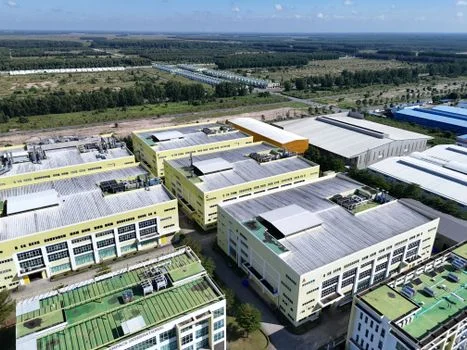
When evaluating hospital wastewater treatment systems in Colon, two leading technologies stand out for their efficacy and compliance potential: Membrane Bioreactor (MBR) systems and Dissolved Air Flotation (DAF) followed by Chlorine Dioxide (ClO₂) disinfection. Each offers distinct advantages and performance characteristics.
MBR systems are renowned for their superior effluent quality. They consistently achieve COD removal rates of 92–97% and TSS removal of 99%, producing effluent that often meets near-reuse standards (COD ≤50 mg/L). Their compact design, requiring up to 60% less footprint than conventional systems, is a significant advantage in space-constrained urban environments like Colon (EPA 2024 benchmarks). In contrast, DAF + ClO₂ systems provide a more budget-friendly solution with robust disinfection capabilities. While their COD removal typically ranges from 70–85% and TSS removal from 95–99%, they boast an 80% lower Capital Expenditure (CAPEX) compared to MBR, with costs ranging from $50K–$300K for comparable capacities. The ClO₂ disinfection component is particularly effective, achieving the critical 4-log pathogen reduction (99.99% kill rate) without the formation of harmful disinfection byproducts like trihalomethanes (THMs), a common issue with chlorine-based disinfection (WHO 2024 data).
| Performance Metric | MBR Systems | DAF + ClO₂ Systems | Notes |
|---|---|---|---|
| COD Removal | 92–97% | 70–85% | MBR effluent COD typically ≤50 mg/L |
| TSS Removal | 99% | 95–99% | Essential for meeting <30 mg/L discharge limits |
| Pathogen Reduction (Log) | Dependent on post-treatment | 4-log (99.99%) | ClO₂ is a potent disinfectant |
| Footprint | Compact (approx. 60% smaller than conventional) | Moderate | MBR ideal for limited space |
| CAPEX (50–200 m³/day) | $250,000 – $1,200,000 | $50,000 – $300,000 | DAF + ClO₂ offers significantly lower upfront investment |
| OPEX | Higher (energy intensive, membrane replacement) | Moderate (chemicals, sludge disposal) | MBR energy use: 0.8–1.2 kWh/m³ |
| Disinfection Byproducts (THMs) | None (if post-treated) | None | ClO₂ avoids THM formation |
| Pharmaceutical Removal | 80–95% | Variable, often lower without advanced add-ons | MBR excels in micropollutant removal |
For facilities prioritizing the highest effluent quality and space efficiency, MBR systems for hospital wastewater treatment in Colon are a compelling option. Conversely, facilities with tighter budget constraints or a primary focus on robust disinfection and TSS removal will find DAF systems for high-efficiency TSS removal in hospital effluent, coupled with chlorine dioxide generators for hospital wastewater disinfection, to be a highly cost-effective solution.
Step-by-Step Equipment Selection Framework for Colon Hospitals
Selecting the appropriate hospital wastewater treatment system in Colon requires a structured approach. This framework guides facility managers and procurement teams through the critical decision-making process.
Step 1: Assess Influent Characteristics. The foundational step involves conducting comprehensive laboratory testing of the hospital’s wastewater. This analysis must identify key parameters such as COD, TSS, BOD, pH, and the presence of specific contaminants like pharmaceuticals and pathogens. Step 2: Match System Capacity to Hospital Size. Determine the daily wastewater flow rate. For smaller clinics and specialized treatment centers, capacities in the range of 50–200 m³/day are typically sufficient. Larger regional hospitals or medical complexes may require systems capable of handling 200–1,000 m³/day. Step 3: Compare Capital Expenditure (CAPEX) and Operational Expenditure (OPEX). Evaluate the upfront investment and ongoing running costs for different technologies. Step 4: Verify Compliance with Regulatory Standards. Confirm that the chosen system can consistently meet the EPA NPDES permit requirements for Colon.
Cost Breakdown: MBR vs. DAF + ClO₂ Systems for Colon Hospitals
A detailed cost analysis is essential for hospital facility managers and procurement teams in Colon to make informed decisions about wastewater treatment investments. Understanding both the initial capital expenditure (CAPEX) and the ongoing operational expenditure (OPEX) for different system configurations is critical for long-term financial planning.
MBR systems, while offering superior effluent quality and a smaller footprint, come with a higher upfront cost. For a capacity of 50–200 m³/day, CAPEX can range from $250,000 to $1,200,000. The OPEX for MBR is typically between $0.50–$0.80 per cubic meter. In contrast, DAF + ClO₂ systems present a more accessible entry point. Their CAPEX for a similar capacity range is significantly lower, from $50,000 to $300,000. The OPEX for DAF + ClO₂ systems is generally in the range of $0.30–$0.50 per cubic meter.
| Cost Component | MBR Systems (50–200 m³/day) | DAF + ClO₂ Systems (50–200 m³/day) | Notes |
|---|---|---|---|
| CAPEX | $250,000 – $1,200,000 | $50,000 – $300,000 | DAF + ClO₂ offers substantial upfront savings. |
| OPEX (per m³) | $0.50 – $0.80 | $0.30 – $0.50 | MBR OPEX dominated by energy; DAF + ClO₂ by chemicals & sludge. |
| Energy Consumption (kWh/m³) | 0.8 – 1.2 | Lower, primarily for DAF operation |