Why Toronto Hospitals Are Failing Wastewater Compliance: The Pathogen Risk Gap
A facility engineer at a major Greater Toronto Area (GTA) hospital recently faced a $180,000 fine and an immediate Ministry of the Environment, Conservation and Parks (MOECC) mandate for equipment upgrades after effluent samples revealed persistent SARS-CoV-2 RNA and antibiotic-resistant bacteria (ARB) that exceeded municipal sewer use bylaws. While 86% of Canadians rely on municipal systems, only 28% of those systems provide tertiary treatment (Canada.ca 2023 data), leaving the heavy lifting of pathogen inactivation to the hospital facility. Hospital effluent frequently bypasses the biological thresholds of municipal plants, requiring robust on-site pre-treatment to avoid regulatory action.
SARS-CoV-2 RNA was detected in 92% of hospital wastewater samples in Ontario during a 2023 MOECC-aligned study, highlighting that standard secondary treatment is insufficient for viral neutralization. Beyond viral loads, antibiotic-resistant bacteria (ARB) and resistance genes (ARGs) survive standard activated sludge processes, necessitating high-dose chemical oxidation or advanced membrane filtration. Technical benchmarks suggest that inactivation of these resilient strains requires high-dose chlorination (10 mg/L) or high-intensity UV (120 mJ/cm²) to meet emerging safety standards (NIH 2024).
The 2023 Toronto hospital case study illustrates the risk: the facility’s influent was characterized by high concentrations of pharmaceutical residuals, including carbamazepine and various beta-blockers, which interfered with the biological treatment processes at the municipal plant. This interference led to non-compliance with the City of Toronto Sewer Use Bylaw 2023, which mandates strict limits for parameters such as Total Suspended Solids (TSS) ≤10 mg/L, Chemical Oxygen Demand (COD) ≤50 mg/L, and fecal coliform ≤200 CFU/100mL. Failure to meet these benchmarks can result in significant financial penalties and operational disruptions.
Toronto’s Regulatory Landscape: MOECC Bylaws, Municipal Limits, and Emerging Standards
Navigating the complex web of provincial and municipal regulations is critical for Toronto hospitals aiming for wastewater compliance. While the MOECC sets provincial standards through regulations like O. Reg. 267/03, the City of Toronto Sewer Use Bylaw imposes more stringent, localized limits. For instance, the City typically mandates a pH range of 6–10 and a Biochemical Oxygen Demand (BOD) limit of ≤300 mg/L. However, the regulatory landscape is rapidly evolving, particularly concerning emerging contaminants.
The MOECC is actively developing new standards for pharmaceuticals and antibiotic resistance genes (ARGs). Draft standards for 2025 include limits for specific pharmaceuticals such as diclofenac at ≤1.0 µg/L and ARGs at ≤10⁻⁴ copies/mL. These emerging standards necessitate advanced treatment technologies that can effectively remove or inactivate these complex pollutants. Recognizing this, the MOECC has introduced a ‘zero-risk’ mandate, requiring hospitals with over 100 beds to submit annual third-party effluent reports, a requirement updated in 2024. This increased scrutiny underscores the need for proactive and robust wastewater management systems.
The permitting process for new or upgraded wastewater treatment systems in Toronto can be lengthy, typically taking 6–12 months. Essential documentation includes detailed engineering drawings, comprehensive pathogen inactivation protocols, and proof of compliance with all relevant bylaws. Permit application fees can range from $5,000 to $20,000. Understanding these regulatory benchmarks and the permitting process is the first step in selecting an appropriate and compliant wastewater treatment solution.
| Parameter | MOECC Provincial Standard (General) | City of Toronto Sewer Use Bylaw (Typical) | Emerging MOECC Draft Standard (2025) |
|---|---|---|---|
| pH | 6.0 - 9.5 | 6.0 - 10.0 | N/A |
| BOD (mg/L) | ≤ 150 | ≤ 300 | N/A |
| TSS (mg/L) | ≤ 25 | ≤ 10 | N/A |
| COD (mg/L) | N/A | ≤ 50 | N/A |
| Fecal Coliform (CFU/100mL) | N/A | ≤ 200 | N/A |
| Diclofenac (µg/L) | N/A | N/A | ≤ 1.0 |
| Antibiotic Resistance Genes (ARGs) (copies/mL) | N/A | N/A | ≤ 10⁻⁴ |
Engineering Specs for Hospital Wastewater Treatment: MBR vs. DAF + UV vs. Chlorine Dioxide
Selecting the appropriate wastewater treatment technology is paramount for achieving stringent effluent quality standards and ensuring compliance. For Toronto hospitals, Membrane Bioreactor (MBR) systems, Dissolved Air Flotation (DAF) combined with Ultraviolet (UV) disinfection, and chlorine dioxide dosing represent the most effective advanced treatment options. Each technology offers distinct advantages and performance characteristics tailored to specific effluent challenges.
MBR systems utilize submerged membranes, typically with a pore size of 0.1 µm, to provide superior solid-liquid separation. This results in exceptionally high-quality effluent, consistently achieving COD levels ≤50 mg/L and TSS ≤5 mg/L, which meets or exceeds City of Toronto reuse standards for non-potable applications like cooling towers. MBRs are also highly compact, requiring up to 60% less space than conventional treatment systems, and have an energy consumption range of 0.8–1.2 kWh/m³.
DAF systems, employing micro-bubbles typically sized between 30–50 µm, are highly effective at removing suspended solids, achieving 92–97% TSS removal at influent concentrations ranging from 50–500 mg/L. When paired with UV disinfection, specifically at a dose of 120 mJ/cm², DAF systems can achieve 99.9% viral inactivation, crucial for meeting SARS-CoV-2 inactivation requirements. Chlorine dioxide offers a potent chemical oxidation method. Dosing ranges of 5–10 mg/L with a contact time of 30–60 minutes are typically required for effective disinfection and inactivation of pathogens and certain recalcitrant organic compounds. A key consideration with chlorine dioxide is byproduct formation, with chlorite levels needing to remain ≤1.0 mg/L per EPA 2023 guidelines.
| Technology | Key Specification | Typical Effluent Quality | Energy Use (kWh/m³) | Footprint Advantage | Primary Application |
|---|---|---|---|---|---|
| MBR Systems | PVDF Membrane Pore Size: 0.1 µm | COD ≤50 mg/L, TSS ≤5 mg/L | 0.8–1.2 | 60% smaller than conventional | High COD/TSS, space-constrained sites, reuse |
| DAF + UV | Micro-bubble Size: 30–50 µm; UV Dose: 120 mJ/cm² | TSS Removal: 92–97%; Viral Inactivation: 99.9% | Variable (DAF ~0.5-1.0, UV ~0.1-0.3) | Moderate | High TSS, moderate COD, viral inactivation |
| Chlorine Dioxide | Dosing: 5–10 mg/L; Contact Time: 30–60 min | Disinfection, pathogen inactivation; Byproducts (Chlorite) ≤1.0 mg/L | Low (generator power) | Compact (generator unit) | High pathogen loads, specific chemical oxidation needs |
For hospitals in dense urban areas like Toronto, the compact footprint of MBR systems for hospital wastewater treatment in Toronto is often a decisive factor. Conversely, facilities with more available land might find DAF + UV to be a cost-effective solution for managing high TSS loads. The ability of on-site on-site chlorine dioxide generators for SARS-CoV-2 inactivation to provide rapid and effective disinfection makes it a valuable standalone or complementary technology.
Cost Breakdown: CAPEX, OPEX, and ROI for Toronto Hospital Systems
Understanding the financial implications of upgrading wastewater treatment infrastructure is crucial for procurement managers and hospital administrators. Capital expenditure (CAPEX) and operational expenditure (OPEX) vary significantly based on system size and technology choice, but the return on investment (ROI) in terms of fine avoidance and regulatory compliance is substantial. For Toronto hospitals, CAPEX for advanced wastewater treatment systems can range from approximately $250,000–$500,000 for small clinics treating 1–5 m³/h, to $1 million–$2.5 million for medium-sized hospitals (5–20 m³/h), and $3 million–$5 million for large hospital complexes (20–100 m³/h).
Operational expenditures are also a key consideration. Benchmarks for 2026 in Toronto suggest OPEX for MBR systems to be in the range of $0.80–$1.50/m³. DAF + UV systems typically fall between $1.20–$2.50/m³, influenced by UV lamp replacement and chemical costs. Chlorine dioxide systems generally have lower OPEX, ranging from $0.50–$1.00/m³, primarily driven by chemical consumption. These figures are crucial for long-term budgeting and comparing the total cost of ownership across different technologies.
The ROI for these investments is driven by several factors. The most immediate is the avoidance of fines, which can reach up to $180,000 per infraction. Additionally, hospitals can reduce sewer surcharges imposed by the City of Toronto, which can be substantial for facilities exceeding discharge limits for parameters like BOD. For example, the City charges approximately $0.45/m³ for BOD exceeding 300 mg/L. innovative systems like the Wastewater Energy Transfer (WET) system at Toronto Western Hospital demonstrate potential for energy recovery, significantly offsetting operational costs. The MOECC also offers funding through its Hospital Wastewater Upgrade Grant, which can cover up to 50% of CAPEX, with a maximum of $2 million per facility, making these critical upgrades more financially accessible. Comparing these costs against the potential fines and ongoing surcharges reveals a compelling case for investment, with payback periods often targeted at under five years.
| Hospital Size (Flow Rate) | Estimated CAPEX Range (CAD) | Estimated OPEX Range ($/m³) | Key ROI Drivers |
|---|---|---|---|
| Small Clinic (1–5 m³/h) | $250,000–$500,000 | $0.50–$1.50 | Fine avoidance, reduced surcharges |
| Medium Hospital (5–20 m³/h) | $1,000,000–$2,500,000 | $0.80–$2.50 | Fine avoidance, surcharges, improved operational efficiency |
| Large Hospital (>20 m³/h) | $3,000,000–$5,000,000+ | $0.80–$2.50 | Fine avoidance, surcharges, potential energy recovery, public health protection |
How to Select the Right System for Your Toronto Hospital: A Decision Framework
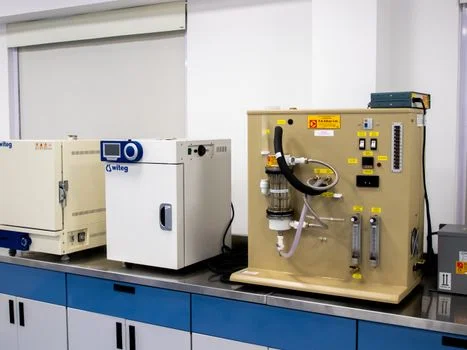
Selecting the optimal wastewater treatment system for a Toronto hospital requires a systematic approach that aligns technological capabilities with specific effluent characteristics and operational needs. The process begins with a thorough understanding of the wastewater being treated.
Step 1: Characterize Effluent. Conduct a comprehensive 30-day sampling and analysis of your hospital’s wastewater. This should include flow rate, COD, TSS, BOD, pH, and crucially, pathogen load (including SARS-CoV-2 RNA and ARB indicators). Utilize MOECC-approved laboratories in Toronto, such as ALS Environmental or Maxxam, to ensure data accuracy and regulatory acceptance.
Step 2: Match Technology to Effluent. Based on the effluent characterization, select the most appropriate technology. For hospitals with consistently high COD levels (>500 mg/L) and a need for compact footprint, MBR systems for hospital wastewater treatment in Toronto are often the preferred choice. Facilities experiencing high TSS loads (>300 mg/L) will benefit from DAF systems for high-TSS hospital wastewater pre-treatment, often coupled with UV for disinfection. For facilities with particularly high pathogen loads or specific disinfection challenges, on-site on-site chlorine dioxide generators for SARS-CoV-2 inactivation provide a robust solution.
Step 3: Evaluate Footprint and Site Constraints. Urban hospitals with limited available space will find the compact design of MBR systems highly advantageous. Suburban hospitals or larger campuses with more land may have greater flexibility in choosing between MBR, DAF, or other configurations. Consider future expansion plans and potential for integrating with existing infrastructure.
Step 4: Calculate ROI. Utilize the CAPEX and OPEX data presented in the previous section to perform a detailed ROI calculation. Compare the total cost of ownership for each viable technology against the projected savings from fine avoidance, reduced surcharges, and any potential for energy recovery. Aim for a payback period of less than five years for critical compliance investments.
Step 5: Validate with MOECC. Before finalizing equipment selection and procurement, submit a preliminary engineering report to the MOECC for pre-approval. This proactive step can significantly reduce the overall permitting timeline by up to 40% and ensures that your chosen solution aligns with all regulatory expectations, streamlining the path to compliance.
Frequently Asked Questions
What are the primary risks of non-compliance for Toronto hospitals?
The primary risks include substantial financial penalties, with fines reaching up to $180,000, and immediate MOECC mandates for system upgrades. Beyond fines, non-compliance can lead to reputational damage and potential disruptions to hospital operations. The detection of SARS-CoV-2 RNA and antibiotic-resistant bacteria (ARB) in effluent, as highlighted by a 2023 MOECC study, poses a public health risk and is a key driver for stringent regulations. Meeting the City of Toronto Sewer Use Bylaw’s limits for TSS (≤10 mg/L) and COD (≤50 mg/L) is essential.
How does MBR technology address specific hospital wastewater challenges in Toronto?
MBR systems, featuring membranes with a 0.1 µm pore size, excel at removing very fine suspended solids and microorganisms, consistently delivering effluent with COD ≤50 mg/L and TSS ≤5 mg/L. This high-quality effluent meets the City of Toronto's reuse standards for non-potable applications. Their compact footprint is particularly advantageous for space-constrained urban hospitals. MBRs effectively inactivate pathogens and remove pharmaceutical residuals, addressing the complex nature of hospital wastewater that municipal plants struggle to treat.
What is the recommended UV dose for SARS-CoV-2 inactivation in hospital wastewater?
For effective inactivation of SARS-CoV-2 and other viruses, a UV dose of at least 120 mJ/cm² is recommended. This dosage ensures a 99.9% reduction in viral load, a critical benchmark for meeting public health and environmental protection standards. When combined with technologies like DAF for TSS removal, UV disinfection forms a robust barrier against viral contamination in hospital effluent. This aligns with the MOECC’s growing focus on pathogen control in wastewater.
How do chlorine dioxide generators compare to UV for disinfecting hospital wastewater?
Chlorine dioxide (ClO₂) is a powerful oxidizing agent effective for disinfection and inactivation of a broad spectrum of pathogens, including viruses and bacteria, often at lower doses than chlorine. Typically, dosing ranges of 5–10 mg/L with a 30–60 minute contact time are employed. While UV relies on light intensity and water clarity, ClO₂ is effective in turbid water and can provide a residual disinfectant effect. However, careful monitoring of byproducts like chlorite (≤1.0 mg/L) is necessary. Both technologies are viable for SARS-CoV-2 inactivation, with selection often depending on effluent characteristics, desired residual, and operational preference.
What are the key financial considerations for upgrading hospital wastewater treatment in Toronto?
Key financial considerations include CAPEX, which can range from $250,000 to over $5 million depending on hospital size and technology. OPEX, typically $0.50–$2.50/m³, covers energy, chemicals, and maintenance. The most significant ROI driver is the avoidance of fines (up to $180,000) and reduced sewer surcharges. The MOECC’s Hospital Wastewater Upgrade Grant offers significant financial support, covering up to 50% of CAPEX. A thorough ROI analysis, targeting payback periods under five years, is essential for justifying these investments.
Further Reading
Explore these in-depth articles on related wastewater treatment topics: