Why Manchester Factories Are Upgrading Sewage Treatment Equipment in 2025
Manchester’s Environment Agency (EA) discharge limits for industrial effluents, often requiring BOD ≤20 mg/L, TSS ≤30 mg/L, and ammonia ≤5 mg/L, are now significantly stricter than historical EU averages following the 2024 EA technical guidance updates. For facility managers in Greater Manchester, the shift from "compliance as a goal" to "compliance as a survival metric" is driven by a surge in enforcement actions. In 2023, a Manchester-based food processor was fined £180,000 after repeated TSS violations caused by an aging sedimentation tank system. By upgrading to a high-efficiency Dissolved Air Flotation (DAF) unit with a £95,000 CAPEX, the plant not only eliminated fines but reduced its chemical-related OPEX by 30% through automated sludge thickening.
Urban space constraints in industrial zones like Trafford Park and Salford further dictate equipment selection. Traditional activated sludge plants require large footprints for secondary clarifiers, a luxury many Manchester factories lack. Consequently, there is a 45% year-on-year increase in inquiries for MBR systems for Manchester’s high-strength industrial effluents, which offer a 60% smaller footprint compared to conventional biological plants. Manchester’s industrial energy rates averaging £0.22/kWh in 2025 drive demand for low-power aeration and smart-controlled pumps. Modern MBR systems now operate at 0.4–0.8 kWh/m³, a stark contrast to the 1.2–1.8 kWh/m³ consumed by unoptimized legacy systems.
The financial risk of inaction is quantifiable. Beyond Environment Agency fines, which can reach £250,000 per year for persistent non-compliance, Manchester manufacturers face escalating "trade effluent" charges from United Utilities if pre-treatment equipment fails to meet agreed-upon COD and FOG (Fats, Oils, and Grease) levels. Investing in advanced sewage treatment equipment supplier in manchester solutions stabilizes long-term operational costs in a volatile energy market.
Manchester’s Regulatory Landscape: Effluent Limits and Permit Requirements
The regulatory landscape for Manchester industrial sites mandates strict effluent limits.Environment Agency (EA) 2025 discharge permits for Manchester industrial sites mandate real-time monitoring for sensitive parameters such as phosphorus and ammonia to protect the Irwell and Mersey catchments. Meeting these standards requires equipment with integrated IoT sensors for wastewater treatment that can provide instantaneous data logging. Failure to provide these logs during an EA audit often results in permit revocation. Understanding how local catchment sensitivities vary within the North of England impacts equipment specs. For example, Leeds vs Manchester: Cost and compliance differences for industrial buyers outline distinct requirements.
The permit application process in Greater Manchester typically spans 6 to 12 months. Common rejection reasons include inadequate sludge handling plans and the failure to demonstrate "Best Available Techniques" (BAT). For instance, an industrial site discharging more than 50 m³/day must prove that their selected technology—whether MBR, DAF, or MBBR—is the most efficient option for their specific waste stream. The following table outlines the 2025 compliance benchmarks for industrial effluent in the Manchester region.
| Parameter | Standard Limit (mg/L) | Sensitive Catchment Limit (mg/L) | Monitoring Frequency |
|---|---|---|---|
| Biochemical Oxygen Demand (BOD) | ≤20 | ≤10 | Daily/Continuous |
| Chemical Oxygen Demand (COD) | ≤125 | ≤50 | Continuous (Online) |
| Total Suspended Solids (TSS) | ≤30 | ≤15 | Daily |
| Ammonia (NH3-N) | ≤5 | ≤1 | Continuous (Online) |
| Fats, Oils, and Grease (FOG) | ≤20 | ≤5 | Weekly |
| Total Phosphorus | ≤2 | ≤0.5 | Continuous (Online) |
According to 2023 EA enforcement data, approximately 12% of Manchester industrial plants were cited for "failure to monitor," emphasizing the need for automated systems. A robust sludge management plan is also essential, as landfill costs for untreated sludge in the North West have risen to £120/tonne. High-performance dewatering and separation equipment is crucial for new installations.
Sewage Treatment Technologies Compared: MBR vs DAF vs Conventional Systems
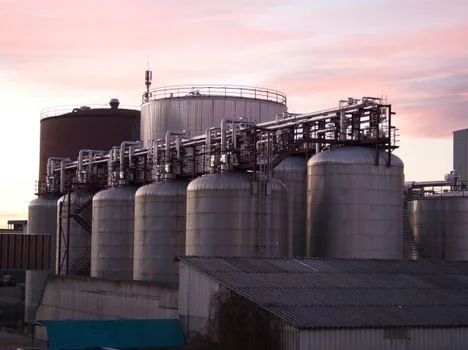
Membrane Bioreactor (MBR) technology achieves an effluent COD of ≤50 mg/L by replacing secondary clarifiers with 0.03-micron ultrafiltration membranes. This makes MBR the gold standard for high-strength Manchester industrial waste. Conventional activated sludge (A/O) systems are viable for low-strength municipal-like waste but often fail to meet 2025 EA standards for phosphorus and ammonia without significant chemical polishing. For industries dealing with high lipid content, DAF systems for Manchester’s FOG-heavy wastewater provide up to 95% removal of oils and grease.
In Trafford Park, a chemical plant transitioned from a conventional clarifier system to an integrated MBR, reducing effluent COD from 1,200 mg/L to a consistent 45 mg/L. A dairy facility in Salford utilized a DAF system to cut FOG levels from 800 mg/L to 20 mg/L. The choice between these technologies depends on the raw wastewater characteristics and available footprint. MBR offers the highest quality effluent but requires careful management of membrane fouling; typical PVDF membranes in industrial settings have a lifespan of 5 to 8 years.
| Feature | MBR (Membrane Bioreactor) | DAF (Dissolved Air Flotation) | Conventional (A/O) |
|---|---|---|---|
| Effluent Quality (TSS) | <1 mg/L | 10–30 mg/L | 15–35 mg/L |
| Footprint Requirement | Very Small (1x) | Medium (1.5x) | Large (2.5x–3x) |
| Energy Use (kWh/m³) | 0.4–0.8 | 0.2–0.5 | 0.3–0.6 |
| FOG Removal | Moderate | Excellent (>95%) | Poor |
| Primary Application | Chemical, Pharma, Reuse | Food, Dairy, Slaughterhouse | General Manufacturing |
Buyers must consider chemical consumption when evaluating MBR vs DAF vs conventional sewage treatment. DAF systems rely heavily on coagulants and flocculants, with chemical OPEX ranging from £5 to £15 per cubic meter of treated water. For international comparisons, Manchester’s industrial effluent limits compared to US hospital wastewater standards show differing nutrient removal requirements.
Cost Breakdown: CAPEX and OPEX for Manchester Industrial Buyers
Capital expenditure (CAPEX) for industrial sewage treatment equipment in Manchester ranges from £50,000 for small-scale 10 m³/h DAF units to over £500,000 for fully automated 100 m³/h MBR plants. These prices fluctuate based on automation, materials of construction, and tertiary treatment stages. For a standard 50 m³/h system, Manchester buyers should budget for the following benchmarks:
| System Component | Estimated CAPEX (50 m³/h) | Annual OPEX (Est.) | Key Cost Driver |
|---|---|---|---|
| MBR Integrated Plant | £280,000 – £350,000 | £40,000 – £55,000 | Membrane Replacement & Power |
| DAF Pre-treatment | £85,000 – £130,000 | £25,000 – £45,000 | Chemicals & Sludge Disposal |
| Conventional Activated Sludge | £140,000 – £210,000 | £30,000 – £45,000 | Sludge Handling & Labor |
Operating expenditure (OPEX) in Manchester is influenced by local labor rates and disposal fees. Skilled technicians command £45–£65 per hour. Sludge disposal costs £80–£150 per tonne. High-performance dewatering equipment reduces sludge volume by 70%, offering a direct ROI by slashing disposal fees.
A 50 m³/h MBR system with a £300,000 CAPEX offers savings. Its ability to produce high-quality effluent for reuse saves a factory £25,000 annually in water procurement costs. The payback period for an MBR system in Manchester is typically 4.5 to 6 years. This financial model is increasingly favorable compared to global markets, as seen in how Manchester’s compliance standards compare to global benchmarks.
How to Select a Sewage Treatment Equipment Supplier in Manchester
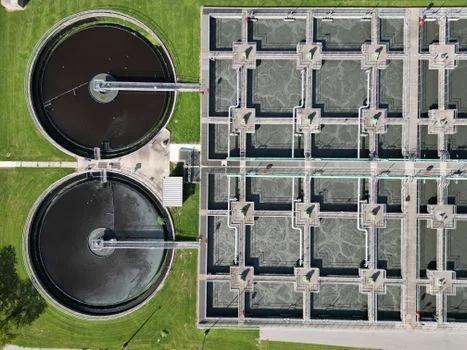
A technical audit of your facility’s specific effluent profile is the mandatory first step before engaging any sewage treatment equipment supplier in manchester. A common mistake among Manchester procurement leads is purchasing "off-the-shelf" equipment that fails to handle specific chemical inhibitors in industrial waste. For example, a Manchester brewery with a 30 m³/h flow and COD of 2,500 mg/L requires different aeration and dosing strategies than a textile manufacturer.
Once you have defined your effluent characteristics, use the following framework to evaluate potential suppliers. Ensure the supplier provides PLC-controlled chemical dosing for Manchester’s variable industrial effluents to minimize chemical waste and ensure compliance. The supplier should also offer a local service network capable of responding to onsite emergencies within 24 hours.
| Selection Step | Action Item | Critical Success Factor |
|---|---|---|
| 1. Effluent Characterization | Conduct 7-day composite sampling | Identify peak vs. average loads |
| 2. Technology Matching | Compare MBR vs DAF vs MBBR | Select based on footprint & FOG |
| 3. Supplier Due Diligence | Check Manchester-based case studies | Verify EA permit success rates |
| 4. Pilot Testing | Request a 2–4 week onsite trial | Validate removal efficiencies |