In 2025, Naples industrial and municipal buyers must prioritize sewage treatment equipment suppliers that meet Florida DEP Chapter 62-600 FAC effluent limits, such as BOD ≤ 20 mg/L and TSS ≤ 20 mg/L, while optimizing CAPEX, typically $500K–$5M for 50–500 m³/h systems. Top suppliers like R2J and Custom Water Systems offer turnkey solutions, but buyers should verify hydraulic loading rates, such as 0.5–1.5 m³/m²·h for DAF systems, and local permitting support to avoid costly compliance violations.
Why Naples Buyers Need Zero-Risk Sewage Treatment Equipment in 2025
Florida DEP Chapter 62-600 FAC establishes the baseline for all domestic and industrial wastewater discharge in Collier County, mandating strict effluent limits: BOD ≤ 20 mg/L, TSS ≤ 20 mg/L, and fecal coliform ≤ 200 CFU/100mL for Class III waters. For facility managers in Naples, the margin for error is non-existent. Under Florida Statutes Chapter 403.141, non-compliance penalties can reach $10,000 per day per violation. In 2023, enforcement actions specifically targeted industrial dischargers in the Southwest Florida region who failed to maintain equipment standards during peak seasonal flow periods.
A food processing facility in North Naples faced $250,000 in fines and remediation costs in 2024 after its primary clarifier failed to handle a sudden surge in Total Suspended Solids (TSS). The symptoms were classic: excessive foaming in the aeration tank, foul odors that triggered municipal complaints, and a permit violation that halted production for seven days. The root cause was an undersized clarifier that could not manage the 30% flow spikes common during Naples' winter tourism season. This underscores the necessity of selecting equipment with built-in redundancy and high hydraulic surge capacity.
Naples presents unique environmental challenges that standard equipment often fails to address. Coastal projects face saline intrusion, which accelerates the corrosion of standard carbon steel components. The high cost of land in Collier County necessitates compact, high-efficiency systems. Buyers must adopt an engineering-first approach, ensuring that every piece of equipment is rated for local environmental stressors and seasonal load variability.
Florida DEP & EPA Compliance: 2025 Effluent Limits and Equipment Requirements
Mapping project discharge requirements to specific engineering specifications is the first step in risk mitigation. If a facility discharges to a municipal sewer system, it must adhere to EPA Pretreatment Standards (40 CFR Part 403), which typically require pH levels between 6 and 9 and oil and grease (O&G) concentrations below 100 mg/L. However, if a facility discharges directly to surface waters or uses reclaimed water for irrigation, Florida DEP Chapter 62-600 FAC standards apply, which are significantly more stringent.
Equipment selection is directly dictated by these targets. For instance, achieving TSS levels ≤ 5 mg/L is nearly impossible with traditional gravity clarifiers alone; such requirements necessitate the use of DAF systems for high-FOG industrial wastewater in Naples or advanced membrane filtration. Managing high FOG loads from Naples' dense concentration of hospitality and food service sectors requires specialized pretreatment to prevent the "blinding" of downstream biological processes.
| Parameter | FL DEP Class III Limit | Recommended Equipment Tech | Engineering Benchmark |
|---|---|---|---|
| BOD5 | ≤ 20 mg/L | MBR or Integrated Package Plant | 95%+ Removal Efficiency |
| TSS | ≤ 20 mg/L | DAF System or MBR | Loading: 0.5–1.5 m³/m²·h (DAF) |
| Fecal Coliform | ≤ 200 CFU/100mL | UV Sterilization or Ozone | Dose: 30–40 mJ/cm² |
| Oil & Grease | ≤ 10 mg/L (Direct) | DAF with Chemical Flocculation | 99% FOG Removal |
Naples-specific challenges like saline intrusion require the use of corrosion-resistant materials. Standard 304 stainless steel may pit in high-chloride environments; therefore, 316L stainless steel or fiberglass-reinforced plastic (FRP) is the 2025 standard for longevity. These requirements mirror Tampa’s hospital wastewater treatment compliance standards, where high-stakes environments demand maximum material durability. For projects requiring the highest possible water quality for reuse, MBR systems for reuse-quality effluent in Naples coastal areas provide a "barrier" technology that ensures TSS and pathogen removal exceeds all current regulatory mandates.
Sewage Treatment Equipment Options for Naples: Specs, Costs, and Trade-Offs
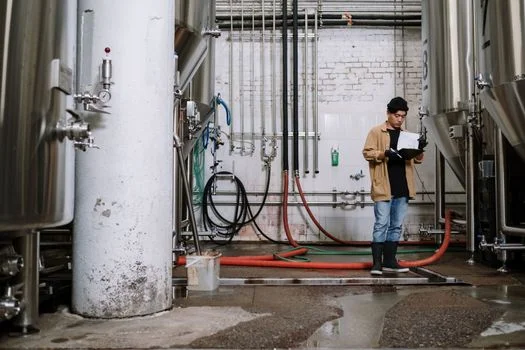
Selecting the right technology involves balancing CAPEX, OPEX, and footprint. In Naples, where real estate is at a premium, the footprint often becomes the deciding factor. Integrated package plants, Dissolved Air Flotation (DAF), and Membrane Bioreactors (MBR) represent the three primary tiers of equipment available to industrial and municipal buyers.
Integrated Package Plants (WSZ Series): These systems are the workhorse for Naples' gated communities, hotels, and small municipal projects. With a CAPEX range of $500K–$1.5M for capacities of 50–150 m³/h, compact WSZ series integrated package plants for Naples hotels and hospitals offer a footprint of only 20–50 m². They are designed for ease of installation, often being buried underground to preserve site aesthetics. While they reliably meet BOD ≤ 30 mg/L limits, they may require supplemental filtration to meet the strictest Class III TSS standards.
DAF Systems: Primarily used in industrial applications such as food processing or laundries, DAF systems excel at removing TSS and FOG. CAPEX ranges from $300K–$2M depending on flow rates (4–300 m³/h). According to EPA 2024 benchmarks, DAF systems achieve 92–97% TSS removal when paired with proper chemical dosing (typically 5–10 mg/L of polyaluminum chloride). The trade-off is a higher OPEX due to continuous chemical consumption and sludge disposal costs.
MBR Systems: The gold standard for water scarcity and high-compliance zones. MBR systems combine biological treatment with membrane filtration, resulting in a 60% smaller footprint than conventional activated sludge systems. CAPEX is higher ($1M–$5M), but they produce reuse-quality effluent (BOD ≤ 5 mg/L, TSS ≤ 1 mg/L). OPEX is driven by membrane cleaning requirements (using NaOCl at 200–500 ppm) and higher aeration energy needs. However, for a Naples facility looking to eliminate discharge fees by reusing water for irrigation, the ROI is often achieved within 3–5 years (HydropureWater field data, 2025).
| System Type | CAPEX (Typical) | Effluent Quality (TSS) | Footprint Needs | Best Application |
|---|---|---|---|---|
| WSZ Integrated | $500K – $1.5M | ≤ 30 mg/L | Minimal (Underground) | Hotels, Small Muni |
| DAF | $300K – $2.0M | ≤ 20 mg/L (w/ chem) | Moderate | Food Processing |
| MBR System | $1.0M – $5.0M | ≤ 1 mg/L | Extremely Compact | Water Reuse, Coastal |
Top Sewage Treatment Equipment Suppliers in Naples: 2025 Comparison
Shortlisting a supplier in Naples requires evaluating their specific technical strengths against the project’s primary constraint. While many local firms handle water softening or residential filtration, only a few possess the engineering depth for industrial-scale sewage treatment. This selection process is similar to how Portland buyers evaluate sewage treatment suppliers, focusing on long-term reliability over the lowest initial bid.
R2J Chemical Services: Known for their expertise in cooling tower water treatment and their status as a preferred contractor for EVAPCO. Their strength lies in turnkey chemical management and boiler pretreatment. However, for large-scale municipal sewage treatment or projects requiring high-flux MBR technology, their equipment portfolio is more limited, often leading to higher OPEX due to a heavy reliance on chemical-intensive processes.
Custom Water Systems: A staple in Collier County since 1985, they excel in 24/7 emergency response and well water filtration. They are the go-to for repairs and smaller commercial installations (≤150 m³/h). Their limitation is scale; they generally do not manufacture the large-scale DAF or MBR systems required for heavy industrial or major municipal expansions.
HydropureWater: Offers high-spec engineering typically reserved for global infrastructure projects. Their systems utilize 316L stainless steel as a standard for coastal Naples installations to prevent corrosion. While they offer a 20-year warranty on structural components, buyers must account for a 12–16 week lead time for custom-engineered systems. Their MBR systems are particularly noted for achieving TSS ≤ 1 mg/L, making them ideal for Naples projects targeting Zero Liquid Discharge (ZLD).
| Supplier | Core Strength | Emergency Response | Material Spec |
|---|---|---|---|
| R2J Chemical | Cooling Towers/Boilers | Local (Naples) | Standard Industrial |
| Custom Water | 24/7 Service/Well Water | < 4 Hours (Collier) | Commercial Grade |
| HydropureWater | MBR/DAF Manufacturing | Remote + Local Partner | 316L Stainless/FRP |
How to Vet Sewage Treatment Equipment Suppliers in Naples: A 7-Step Checklist
To ensure a zero-risk procurement process, facility managers should follow this structured vetting framework before signing any equipment contracts.
- Verify Florida DEP/EPA Compliance: Ask for a performance guarantee in writing. Request case studies of local installations in Southwest Florida that consistently meet BOD ≤ 20 mg/L and TSS ≤ 20 mg/L.
- Request Hydraulic Loading Data: Ensure the equipment is not undersized. For DAF systems, the loading rate should be between 0.5 and 1.5 m³/m²·h. For MBR systems, verify the design flux is between 15 and 25 LMH (liters per square meter per hour).
- Assess Local Support and Parts: Confirm the supplier’s emergency response time in Collier County. Ask specifically: "Do you stock replacement MBR membranes or DAF pump seals within 100 miles of Naples?"
- Compare 10-Year TCO: Do not buy on CAPEX alone. Request a Total Cost of Ownership (TCO) breakdown that includes energy consumption (kWh/m³ treated) and chemical costs (typically