Texas operates 1,404 municipal sewage treatment plants (POTWs) serving 24.6 million residents—ranging from 100-person rural systems to the 1.3M-resident Central WWTP in Dallas. These plants must meet EPA NPDES permit limits (e.g., 30 mg/L BOD₅, 30 mg/L TSS) while adapting to Texas-specific challenges: influent spikes from flash floods, high summer temperatures accelerating biological processes, and stringent TCEQ discharge standards for water reuse. This guide provides 2026 engineering specs, cost models ($2M–$150M CAPEX), and equipment selection matrices to optimize performance and compliance for municipal sewage treatment plants in Texas, USA.
Texas Municipal Sewage Treatment: Scale, Challenges, and Regulatory Landscape
Texas operates 1,404 municipal sewage treatment plants (POTWs) serving 24.6 million residents, with 647 plants serving populations under 1,000 and 10 plants serving over 500,000. This expansive network presents a diverse array of operational scales, from small rural systems to large metropolitan facilities like the Central WWTP in Dallas, which serves 1.3 million residents (EPA National Sewersheds dataset, v1.2). The distribution highlights a concentration of larger facilities in urban centers, while numerous smaller plants dot the vast rural landscape, each facing unique design and operational considerations.
Texas-specific influent challenges significantly influence wastewater treatment plant design. Flash floods, common in regions like Harris County, can cause influent spikes exceeding design flows by 300%, as observed in 2021, necessitating robust hydraulic capacity and equalization strategies. These events also lead to significant inflow and infiltration (I&I) into aging collection systems, increasing pump station load and potentially causing sanitary sewer overflows (SSOs) if not adequately managed. High summer temperatures, often reaching 35–40°C, accelerate biological kinetics, which can impact process control and oxygen demand. Elevated temperatures can also reduce dissolved oxygen solubility and increase sludge settling velocities, requiring careful aeration management and clarifier optimization to prevent solids washout. Additionally, industrial contributions, particularly from the petrochemical sector in the Houston area, introduce variable and sometimes complex waste streams requiring specialized pretreatment or advanced biological processes.
TCEQ discharge standards often exceed federal EPA NPDES permit requirements, particularly for water reuse applications. For instance, discharge to certain irrigation uses may require total suspended solids (TSS) below 5 mg/L, stricter than the typical EPA secondary standard of 30 mg/L (TCEQ 2025 Water Quality Standards). Emerging contaminants like PFAS are also under increasing scrutiny, with monitoring requirements projected to expand by 2026. In terms of disinfection, Texas exhibits a higher adoption rate of chlorine disinfection, with 92% of plants utilizing it compared to a national average of 65%, largely due to cost-effectiveness and established TCEQ approval (EPA ECHO 2024).
| Population Served | Number of Plants | Percentage of Total |
|---|---|---|
| < 1,000 | 647 | 46.1% |
| 1,000 – 5,000 | 280 | 19.9% |
| 5,000 – 25,000 | 210 | 14.9% |
| 25,000 – 100,000 | 142 | 10.1% |
| 100,000 – 500,000 | 95 | 6.8% |
| > 500,000 | 30 | 2.1% |
Engineering Specs for Texas POTWs: Influent, Process, and Effluent Parameters
Texas municipal wastewater treatment plants typically manage influent BOD₅ concentrations ranging from 150–400 mg/L and TSS from 180–350 mg/L, requiring robust design parameters for effective treatment (EPA Clean Watersheds Needs Survey 2024, Texas subset). Ammonia concentrations commonly fall between 20–50 mg/L, necessitating effective nitrification capabilities. Influent characteristics can vary significantly between urban and rural settings; for instance, urban areas like San Antonio may exhibit higher FOG (Fats, Oils, and Grease) content due to concentrated food processing industries, impacting headworks and primary treatment design. High FOG levels necessitate specialized grease removal systems and increased maintenance frequency for pumps and pipelines to prevent blockages and reduce operational downtime.
| Parameter | Urban POTW Range (mg/L) | Rural POTW Range (mg/L) | Notes |
|---|---|---|---|
| BOD₅ | 200–400 | 150–300 | Higher industrial/commercial contribution in urban areas |
| TSS | 250–350 | 180–280 | Stormwater infiltration can increase TSS in urban systems |
| Ammonia-N | 30–50 | 20–40 | Generally stable, but varies with industrial input |
| FOG | 80–150 | 40–80 | Significant impact from food service establishments in urban settings |
Process design parameters for activated sludge systems in Texas typically include an F/M (Food-to-Microorganism) ratio of 0.1–0.3 and a Solids Retention Time (SRT) of 10–20 days for effective nitrification (Texas Water Utilities Association 2025). Mixed Liquor Suspended Solids (MLSS) concentrations are often maintained between 2,500–4,000 mg/L. Adjustments are critical for high-temperature operations prevalent in Texas summers, where increased microbial activity can necessitate reduced SRTs to maintain stable performance and prevent filamentous bulking. Furthermore, oxygen transfer efficiency decreases at higher temperatures, often requiring increased blower capacity or fine-tuning of aeration systems to meet elevated oxygen demands without excessive energy consumption.
Effluent targets for Texas POTWs typically start with EPA secondary standards (30 mg/L BOD₅ and 30 mg/L TSS) as a baseline. However, 78% of Texas plants aim for higher effluent quality, targeting less than 10 mg/L for water reuse applications (TCEQ 2026). Tertiary treatment goals are increasingly common, especially for discharges into sensitive receiving waters or for advanced reuse schemes. For example, UV disinfection requires turbidity below 2 NTU.
| Parameter | Target Value | Application |
|---|---|---|
| BOD₅ | < 5 mg/L | Water Reuse (Irrigation, Industrial Cooling) |
| TSS | < 5 mg/L | Water Reuse, Sensitive Receiving Waters |
| Turbidity | < 2 NTU | UV Disinfection, Advanced Reuse |
| Total Nitrogen | < 10 mg/L | Nutrient-Sensitive Receiving Waters |
| Total Phosphorus | < 1 mg/L | Nutrient-Sensitive Receiving Waters |
Texas-specific process adaptations include the widespread adoption of anoxic/aerobic (A/O) systems for denitrification in regions like Dallas-Fort Worth, where 62% of plants utilize such configurations to meet nutrient limits. Dissolved Air Flotation (DAF) systems are also increasingly employed, with 45% adoption in Gulf Coast plants, primarily for efficient algae removal in tertiary treatment or for challenging industrial wastewater streams. HydropureWater offers high-efficiency DAF systems for Texas tertiary treatment and algae removal, designed to handle these specific challenges.
Technology Comparison: MBR vs. Conventional Activated Sludge for Texas Plants

Membrane Bioreactor (MBR) systems offer a significantly smaller footprint, requiring up to 60% less space compared to conventional activated sludge systems, a critical factor for urban Texas wastewater treatment plant expansions like Houston’s 69th Street WWTP (HydropureWater 2026 data). This compact design allows for increased capacity within existing plant boundaries, minimizing land acquisition costs and community impact. Conventional systems, however, generally exhibit lower energy consumption, with MBR systems typically ranging from 0.8–1.2 kWh/m³ compared to 0.4–0.6 kWh/m³ for conventional activated sludge (Texas Water Development Board 2025). While conventional plants may require more land, their operational complexity is often lower, with more forgiving process parameters and less specialized maintenance compared to the membrane cleaning and integrity testing protocols required for MBRs. This difference in energy demand is a key operational cost consideration, particularly with Texas's variable energy market.
| Population Served | Flow Rate (MGD) | Conventional (kWh/m³) | MBR (kWh/m³) | Annual Energy Cost Difference (Approx.) |
|---|---|---|---|---|
| 10,000 | 1.0 | 0.4 | 0.9 | $150,000 - $250,000 |
| 50,000 | 5.0 | 0.5 | 1.0 | $750,000 - $1,250,000 |
| 100,000 | 10.0 | 0.6 | 1.2 | $1,500,000 - $2,500,000 |
| Assumes average electricity cost of $0.12/kWh. Flow rates are approximate. | ||||
MBR systems consistently produce superior effluent quality, typically achieving less than 1 mg/L TSS and below 5 mg/L BOD₅, significantly better than conventional systems that usually range from 5–10 mg/L for both parameters (EPA 2024 benchmarks). This high-quality effluent makes MBR an ideal choice for water reuse applications, such as at the San Antonio Water System’s Steven M. Clouse Center, where treated water is used for irrigation and industrial processes. The ultrafiltration membranes in MBR systems effectively remove bacteria, viruses, and suspended solids, reducing the need for extensive chemical disinfection downstream. However, MBR systems typically produce a higher concentration of waste activated sludge (WAS) due to longer SRTs and higher MLSS, which can impact sludge handling and dewatering costs, a factor often considered in overall operational budgeting.
For Texas-specific considerations, while MBR systems have higher energy usage, this can be offset by reduced chemical costs for disinfection due to the superior effluent quality, requiring less chlorine or other disinfectants. Conventional systems, conversely, require larger secondary clarifiers to effectively handle hydraulic surges from stormwater infiltration, a common occurrence during Texas flash floods. For facilities considering MBR technology, HydropureWater offers MBR integrated wastewater treatment solutions designed for high performance and reliability.
A comparison of prominent Texas facilities illustrates these differences: Dallas’s Central WWTP, a conventional activated sludge plant serving 1.3 million residents, relies on its vast scale and established infrastructure. In contrast, Austin’s Walnut Creek WWTP, an MBR facility serving approximately 300,000 residents, leverages its compact footprint and high-quality effluent for environmental protection and potential reuse opportunities, as indicated by public NPDES data.
Cost Models for Texas Municipal Sewage Treatment Plants: CAPEX, OPEX, and ROI
Capital expenditures (CAPEX) for municipal sewage treatment plants in Texas range from $2 million for smaller facilities serving 1,000–5,000 residents to over $150 million for large metropolitan systems serving more than 1 million people (Texas Water Development Board 2026). These costs are influenced by plant capacity, required treatment levels, site-specific conditions, and the complexity of chosen technologies. A detailed CAPEX breakdown typically includes civil works, mechanical and electrical equipment, permitting, engineering design, and contingency allocations.
Operational expenditures (OPEX) are a significant ongoing cost, typically comprising 60-80% of a plant's total lifecycle cost. For Texas POTWs, major OPEX drivers include energy consumption (30-50% of total OPEX, primarily for aeration and pumping), chemical usage (5-15% for disinfection, nutrient removal, and sludge conditioning), labor (20-35% for skilled operators and maintenance staff), and routine maintenance for equipment. The specific energy costs are highly sensitive to electricity rates, which can fluctuate significantly across Texas's deregulated market.
Return on Investment (ROI) for municipal wastewater projects is often measured not just in financial terms but also in public health benefits, environmental compliance, and support for economic development through water reuse. Funding for CAPEX and major upgrades often comes from a combination of local bonds, state revolving funds (e.g., through the Texas Water Development Board - TWDB), federal grants (e.g., EPA Clean Water State Revolving Fund), and user fees. Strategic planning for upgrades and technology selection can lead to long-term OPEX reductions, providing a tangible return over the plant's operational lifespan.
Related Equipment
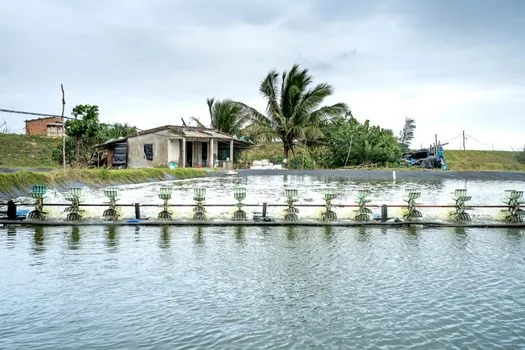
The following HydropureWater products are engineered for the wastewater challenges discussed above:
- compact underground sewage treatment systems for rural Texas plants — view specifications, capacity range, and technical data
- TCEQ-approved chlorine dioxide generators for Texas disinfection compliance — view specifications, capacity range, and technical data
Need a customized solution? Request a free quote with your specific flow rate and pollutant parameters.