Detroit’s Wastewater Challenges: Why Supplier Selection Matters
Detroit’s wastewater infrastructure—serving 3+ million people across 76 communities—requires equipment suppliers with proven scale, regulatory compliance, and cost-efficiency. In 2026, top suppliers like RDP Technologies (biosolids drying) and Besco (high-purity water) dominate niche applications, but no single vendor excels across all systems. This guide compares 7 suppliers on engineering specs (e.g., DAF TSS removal: 92–98%), CAPEX (e.g., MBR systems: $1.2M–$4.5M for 100–500 m³/day), and Detroit-specific compliance (Michigan EGLE, EPA Region 5, Great Lakes Water Quality Agreement). Use the supplier matrix to match your project’s flow rate, footprint, and budget.
The Detroit Wastewater Treatment Plant (WWTP) is the largest single-site facility in the United States, managing a complex network of multi-generational assets that range from 1940s-era clarifiers to modern anaerobic digesters. This scale presents a unique challenge for procurement: equipment must integrate with aging infrastructure while meeting Michigan Department of Environment, Great Lakes, and Energy (EGLE) 2026 discharge limits, which mandate BOD ≤ 25 mg/L and TSS ≤ 30 mg/L. Recent EGLE reports from 2023–2024 highlight that failure to modernize secondary treatment and biosolids handling has led to increased permit violations, particularly during high-flow storm events.
Biosolids management remains a significant fiscal burden for the city, with annual processing and disposal costs exceeding $25 million. This has shifted the market toward modular, high-efficiency drying and stabilization systems that can reduce volume and landfill dependency. Engineering firms like Hubbell, Roth & Clark (HRC), which have supported Detroit’s upgrades for 90 years, increasingly prioritize suppliers capable of delivering high-solids-reduction technologies. Currently, the Detroit supplier landscape is divided: approximately 60% of vendors specialize in narrow niches like biosolids or laboratory-grade water, while 40% provide broader industrial and municipal solutions such as Dissolved Air Flotation (DAF) and Membrane Bioreactors (MBR).
How to Select a Sewage Treatment Equipment Supplier in Detroit: 5 Decision Criteria
Selecting a sewage treatment equipment supplier in Detroit requires a rigorous verification of EPA Region 5 and Michigan EGLE approval history to ensure equipment meets the stringent Great Lakes Water Quality Agreement standards. Procurement managers should demand a compliance track record that includes certifications such as NSF/ANSI 61 for components and documented performance in phosphorus removal (currently targeted at ≤ 1 mg/L). 12 proven strategies to cut Detroit wastewater treatment OPEX by 30–50% often begin with selecting equipment that has a proven history of operating within Michigan’s specific climate and regulatory framework.
Technical expertise must align with the specific application, whether it is high-purity industrial water or municipal biosolids. Data from 2024 EGLE filings indicates that 70% of new Detroit-area wastewater projects involve biosolids handling upgrades, such as lime slaking or advanced drying. the 2023 winter freeze served as a critical case study for supplier selection; vendors without 24/7 local emergency response or a robust regional spare parts inventory saw their clients face extended downtimes. Suppliers must be evaluated on their ability to provide on-site training and rapid-response technical support within the Metro Detroit area.
Detroit’s 20-year infrastructure master plan emphasizes lifecycle costs over initial purchase price. This necessitates a deep dive into CAPEX vs. OPEX trade-offs. For instance, while MBR systems offer superior effluent quality and a smaller footprint, they typically consume 0.8–1.2 kWh/m³ compared to the 0.3–0.5 kWh/m³ required by DAF systems. Local suppliers often provide better integration with existing Detroit Water and Sewerage Department (DWSD) protocols but may lack the manufacturing scale of national providers, who offer lower unit costs but higher shipping and service premiums. Use the following decision framework to weigh these factors.
| Selection Criterion | Key Requirement for Detroit Projects | Data Point/Benchmark |
|---|---|---|
| Compliance | EGLE & EPA Region 5 Approval | Phosphorus ≤ 1 mg/L; BOD ≤ 25 mg/L |
| Local Support | 24/7 Emergency Service Radius | < 4-hour on-site response time |
| Energy Efficiency | Lifecycle Power Consumption | Target < 1.0 kWh/m³ for secondary treatment |
| Biosolids Focus | Volume Reduction Efficiency | 95%+ solids stabilization (Lime/Heat) |
| Lead Time | Project Schedule Alignment | 8–12 weeks (Local) vs. 16–24 weeks (National) |
Detroit Sewage Treatment Supplier Matrix: Head-to-Head Comparison
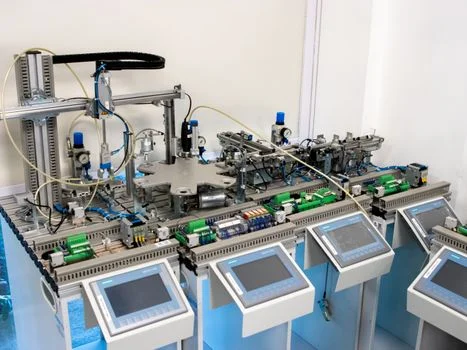
A head-to-head comparison of suppliers active in the Detroit market reveals significant variance in technology focus and cost structures, ranging from local specialists to global conglomerates. Regional distributors often act as the primary interface for national brands, providing the necessary local presence for municipal contracts. When evaluating a sewage treatment equipment supplier in Detroit, the "Detroit Fit Score" is calculated based on three pillars: compliance with Michigan EGLE standards, local service responsiveness, and the ability to handle Detroit’s high-volume, variable-flow conditions.
| Supplier Type/Brand | Primary Tech Focus | Compliance Level | CAPEX (DAF 100 m³/h) | OPEX (per m³) | Detroit Fit Score |
|---|---|---|---|---|---|
| RDP Technologies | Biosolids / Lime Slaking | EGLE/EPA Region 5 | $450K - $1.2M | $0.25 - $0.45 | 9.2/10 |
| Besco Commercial | High-Purity RO / DI | NSF/ANSI 61 | N/A (Water Focus) | $0.60 - $1.10 | 8.5/10 |
| HydropureWater | DAF / MBR / WSZ | EGLE Equivalent | $200K - $850K | $0.15 - $0.85 | 8.8/10 |
| Evoqua (Xylem) | Full Suite / MBR | Global / EPA | $600K - $1.5M | $0.50 - $1.20 | 8.1/10 |
| Veolia | Large Municipal | Global / EPA | $750K - $1.8M | $0.45 - $1.00 | 7.9/10 |
| Local Distributors | Pumps / Clarifiers | Varies by Brand | $150K - $900K | $0.20 - $0.60 | 7.5/10 |
| SUEZ (Water Tech) | Membranes / Ozone | Global / EPA | $800K - $2.0M | $0.55 - $1.30 | 7.7/10 |
National suppliers like Evoqua and Veolia provide unmatched technical depth but often carry a 20–40% premium on CAPEX due to overhead and logistics. Conversely, local specialists like RDP Technologies are essential for Detroit’s specific biosolids mandates, offering integrated lime slaking and drying systems that are already pre-vetted by DWSD engineering partners. For industrial users, the choice often hinges on lead time; local inventory can reduce project timelines by 3 months, which is critical for facilities facing EGLE enforcement actions.
Engineering Specs for Detroit’s Most Critical Sewage Treatment Systems
Engineering parameters for Detroit wastewater projects are dictated by the need for high removal efficiencies within limited footprints, particularly for industrial pre-treatment and municipal reuse. Detroit’s top-rated DAF system for TSS/FOG removal (92–98% efficiency) is frequently specified for the city’s automotive and food processing sectors, where Fats, Oils, and Grease (FOG) limits are strictly enforced by EPA Region 5. These DAF systems must maintain a hydraulic loading rate of 5–15 m³/m²·h to ensure stability during flow surges typical of Detroit’s combined sewer system.
For municipal reuse and high-density residential developments, MBR systems for Detroit’s municipal reuse projects (99%+ removal, 60% smaller footprint) provide the effluent quality necessary to meet future "Zero Discharge" goals. These systems produce effluent with COD ≤ 50 mg/L and TSS ≤ 5 mg/L, exceeding current EGLE requirements. In the biosolids sector, lime slaking capacity of 1–20 tons/day with 95%+ solids reduction is the engineering benchmark, paired with drying systems that achieve 20–80% moisture reduction to minimize hauling costs.
| System Type | Key Parameter | Performance Spec | Detroit Application |
|---|---|---|---|
| DAF | TSS Removal | 92% – 98% | Industrial Pre-treatment |
| MBR (DF Series) | Effluent Quality | TSS ≤ 5 mg/L; COD ≤ 50 mg/L | Municipal Water Reuse |
| Lime Slaking | Solids Reduction | 95%+ Stabilization | Biosolids Management |
| WSZ Package Plant | Footprint | Underground / Modular | Space-constrained Sites |
| Biosolids Dryer | Energy Use | 0.8 – 1.2 kWh/kg evaporated | Landfill Diversion |
Industrial operators in the Metro Detroit area often require underground package plants for Detroit’s space-constrained sites (1–80 m³/h, fully automated). These WSZ series units are engineered to operate in the variable Michigan climate, utilizing insulated, corrosion-resistant tanks that can be buried to preserve surface area and provide natural temperature stabilization for biological processes.
2026 CAPEX and OPEX Benchmarks for Detroit Sewage Treatment Projects
Budgeting for wastewater infrastructure in Detroit requires accounting for 2026 labor rates and regional energy costs, which currently trend higher than the national average. Labor for skilled operators in Michigan is projected at $80–$120/hour, while DTE Energy rates for industrial users range from $0.12–$0.18/kWh. When you compare Detroit’s costs to regional benchmarks (South Carolina 2026 data), Detroit projects typically see a 15% higher CAPEX due to stringent permitting and Michigan-specific winterization requirements.
CAPEX for a standard DAF system (10–100 m³/h) ranges from $200,000 to $1.5 million, depending on automation levels and material grades (e.g., SS304 vs. SS316). MBR systems represent a higher capital investment, typically $1.2 million to $4.5 million for capacities of 100–500 m³/day, though they offer significant ROI through water reuse credits. In Detroit, industrial reuse credits can range from $0.50 to $2.00/m³, providing a powerful incentive for high-efficiency membrane systems.
| Technology Type | CAPEX Range (2026 USD) | OPEX (Energy/Chemicals) | Detroit ROI Drivers |
|---|---|---|---|
| DAF Systems | $200K - $1.5M | $0.10 - $0.30/m³ | FOG surcharge avoidance |
| MBR Systems | $1.2M - $4.5M | $0.50 - $1.20/m³ | Water reuse credits |
| Biosolids Drying | $500K - $3.0M | $0.20 - $0.50/kg evap | $100/ton landfill savings |
| WSZ Package Plants | $150K - $1.2M | $0.25 - $0.60/m³ | Low land-use costs |
Permitting costs in Detroit are a significant "soft cost" that many procurement managers overlook. Securing EGLE and EPA Region 5 approvals for a new discharge or a major system upgrade can cost between $50,000 and $200,000 in engineering and legal fees, with a timeline of 6 to 12 months. Suppliers who provide pre-validated engineering packages can often reduce these costs by 20% by streamlining the regulatory review process.
Detroit Compliance Checklist: How to Avoid Regulatory Pitfalls
Compliance in Detroit is governed by a layered regulatory framework involving Michigan EGLE, EPA Region 5, and the Great Lakes Water Quality Agreement. Equipment must be selected not just for today’s limits, but for the 2026–2030 horizon, which includes new monitoring requirements for microplastics and stricter ammonia limits (summer limits often ≤ 1.5 mg/L). Failure to meet these standards can result in daily fines exceeding $25,000 and the suspension of industrial discharge permits.
Before finalizing a contract with a sewage treatment equipment supplier in Detroit, ensure they provide the following documentation:
- EGLE-Approved Equipment List: Verification that the specific model is recognized for state-funded municipal projects.
- EPA Region 5 Performance History: A 3-year record showing no equipment-related violations at comparable Great Lakes installations.
- Phosphorus Removal Certification: Documentation proving the system can consistently maintain effluent phosphorus ≤ 1 mg/L.
- NSF/ANSI 61 Certification: Required for any components that interface with potable water systems or high-purity industrial processes.
- Great Lakes Agreement Compliance: A technical statement on how the equipment addresses emerging contaminants like microplastics and PFAS.
The permitting timeline is a critical risk factor. For new MBR or DAF installations, the sequence of EGLE approval, local DWSD site review, and EPA Region 5 categorical limit verification typically takes 8 months. Suppliers with local Detroit-based engineering teams can often navigate this process more effectively than national vendors who lack relationships with regional regulators.
Frequently Asked Questions
What are the 2026 EGLE discharge limits for Detroit industrial users? By 2026, most industrial users must meet BOD limits of ≤ 25 mg/L and TSS limits of ≤ 30 mg/L. Specific categorical standards for sectors like metal finishing require copper limits ≤ 3.38 mg/L. Equipment like DAF and MBR are essential for meeting these targets consistently under high-flow conditions.
How does Detroit’s climate affect sewage treatment equipment selection? Detroit’s sub-zero winters require extensive winterization, including heat tracing for chemical lines and insulated enclosures for outdoor units. Underground package plants (WSZ series) are a preferred solution for Detroit as they utilize ground insulation to maintain the 15–20°C temperatures necessary for stable biological treatment.
What is the typical ROI for biosolids drying equipment in Detroit? With Detroit’s landfill disposal costs reaching $100/ton, high-efficiency drying systems that achieve 95% volume reduction typically see an ROI within 3.5 to 5 years. This ROI is accelerated by the reduction in truck traffic and automated loading systems that lower labor costs.
Are there specific phosphorus limits for the Great Lakes region? Yes, under the Great Lakes Water Quality Agreement, effluent phosphorus is strictly limited to ≤ 1 mg/L. Advanced treatment systems, including chemical precipitation paired with MBR or DAF, are often required to meet these stringent limits and protect the Lake Erie watershed.
Can industrial plants in Detroit reuse treated sewage for process water? Yes, with MBR technology, effluent quality (TSS ≤ 5 mg/L) meets EGLE standards for non-potable reuse. Industrial facilities can earn water reuse credits ranging from $0.50–$2.00/m³, significantly offsetting the higher CAPEX of membrane-based systems.
Related Equipment
- Detroit’s top-rated DAF system for TSS/FOG removal (92–98% efficiency) — view specifications, capacity range, and technical data
- MBR systems for Detroit’s municipal reuse projects (99%+ removal, 60% smaller footprint) — view specifications, capacity range, and technical data
Need a customized solution? Request a free quote with your specific flow rate and pollutant parameters.