In Dong Nai, industrial buyers face strict wastewater discharge limits under QCVN 40:2011/BTNMT, such as COD ≤ 150 mg/L and TSS ≤ 100 mg/L. Top sewage treatment equipment suppliers offer DAF systems, MBR units, and packaged A/O plants. This guide provides 2025 engineering specs, cost benchmarks, and a zero-risk selection framework to match equipment to influent quality, compliance needs, and budget.
Why Dong Nai Factories Are Upgrading Sewage Treatment Equipment in 2025
Industrial facilities in Dong Nai operate under the most stringent environmental oversight in Vietnam, as the Department of Natural Resources and Environment has intensified inspections to protect the Dong Nai River basin. According to Vietnam’s 2025 wastewater compliance standards, factories in major industrial zones like Amata, Bien Hoa II, and Nhon Trach must adhere to QCVN 40:2011/BTNMT. For Column A compliance, limits for Chemical Oxygen Demand are set at ≤ 75 mg/L and Total Suspended Solids at ≤ 50 mg/L, while Column B allows ≤ 150 mg/L and ≤ 100 mg/L respectively.
The financial risk of non-compliance has reached a critical peak. In 2023, the Vietnam Environment Administration issued a $250,000 fine to a Dong Nai-based textile factory after its legacy clarifier system failed to handle a surge in dye-house effluent, leading to a discharge violation. Legacy systems, such as basic septic tanks and gravity settlers, are frequently cited as primary failure points because they cannot adapt to fluctuating organic loads common in modern manufacturing. These older technologies typically achieve COD removal rates of less than 60%, which is insufficient for the high-strength wastewater produced by the region's food processing and chemical sectors.
Data from a 2024 Vietnam National University study revealed that 30% of industrial wells in the Bien Hoa region exceed WHO arsenic and heavy metal limits due to historical groundwater contamination. Modern equipment like Dissolved Air Flotation and Membrane Bioreactors mitigate these risks by providing multi-stage barrier protection. Upgrading to high-efficiency equipment is a prerequisite for maintaining a "License to Operate" in Dong Nai’s regulated industrial environment.
Sewage Treatment Equipment Types: Engineering Specs for Dong Nai Applications
Engineering specifications for Dong Nai's industrial environment focus on three primary technologies: DAF, MBR, and Packaged A/O systems.
Dissolved Air Flotation (DAF) Systems: DAF systems utilize micro-bubble technology and are engineered for the removal of Fats, Oils, and Grease and suspended solids. These units operate with a hydraulic retention time of 20–30 minutes and an air-to-solids ratio of 0.01 to 0.05. For Dong Nai's food processing plants, DAF technology achieves 92–97% TSS removal and can handle capacities ranging from 4 m³/h to over 300 m³/h. DAF systems for high-FOG wastewater in Dong Nai are the standard for primary pretreatment.
MBR Systems (Membrane Bioreactors): MBR systems employ submerged PVDF membranes with a 0.1 μm pore size. These systems maintain a high Mixed Liquor Suspended Solids concentration, allowing for a smaller footprint than conventional activated sludge. While energy consumption is higher, the effluent COD is consistently ≤ 50 mg/L, meeting strict standards. Detailed insights on how MBR systems work for Dong Nai wastewater highlight their ability to eliminate the need for secondary clarifiers.
Packaged Sewage Treatment (WSZ Series): These automated packaged sewage treatment for Dong Nai communities and small factories utilize an Integrated A/O biological contact oxidation process. Designed for capacities of 1–80 m³/h, these units are typically buried to save surface space and are fully PLC-controlled.
| Equipment Type | Primary Removal Target | Removal Efficiency (TSS/COD) | Capacity Range | Automation Level |
|---|---|---|---|---|
| DAF | FOG, Suspended Solids | 95% TSS / 50% COD | 4–300 m³/h | Semi-Auto / Full-Auto |
| MBR Integrated | BOD, COD, Bacteria | 99% TSS / 90% COD | 10–500 m³/h | Full PLC Control |
| Packaged (WSZ) | Domestic Organic Load | 85% TSS / 80% COD | 1–80 m³/h | Full Auto (Unmanned) |
| Septic Tank | Large Solids | <60% COD | Variable | Manual / None |
DAF vs. MBR vs. Packaged Systems: Head-to-Head Comparison for Dong Nai Buyers
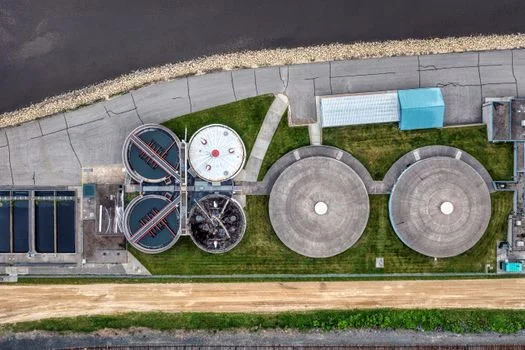
The choice between DAF, MBR, and packaged systems is dictated by influent quality and available land at the Dong Nai site. DAF is almost exclusively a pretreatment or primary treatment solution for high-FOG industries. In contrast, MBR serves as a comprehensive secondary and tertiary treatment, often replacing the need for multiple downstream processes. Packaged systems are the most cost-effective for decentralized domestic sewage but lack the robustness required for heavy industrial chemical loads.
A critical factor for Dong Nai procurement managers is the footprint-to-performance ratio. With industrial land prices in Bien Hoa and Long Thanh ranging from $150 to $300/m², MBR systems provide a significant advantage by reducing land requirements by up to 60% compared to conventional activated sludge systems. However, this footprint reduction comes with a higher OPEX due to membrane aeration requirements and the eventual need for membrane replacement every 5–7 years, which can cost between $20,000 and $50,000 per module depending on the system scale. For a detailed financial breakdown, see the DAF vs. IAF cost comparison for Dong Nai projects.
| Comparison Metric | DAF System | MBR System | Packaged WSZ |
|---|---|---|---|
| Influent Suitability | High FOG/TSS (Food/Textile) | High BOD/COD (Pharma/Chem) | Low Organic (Domestic) |
| Effluent Quality | Pretreatment Standard | QCVN 40 Column A (Reuse) | QCVN 40 Column B |
| Energy Use | Low (0.2–0.4 kWh/m³) | High (0.8–1.2 kWh/m³) | Medium (0.5–0.7 kWh/m³) |
| Footprint | Moderate | Minimal (60% reduction) | Underground (Zero surface) |
| Maintenance | Mechanical (Scrapers/Pumps) | Chemical (Membrane Cleaning) | Minimal (Blower/Pump) |
2025 Cost Breakdown: CAPEX, OPEX, and Hidden Costs for Dong Nai Projects
Budgeting for a sewage treatment project in Dong Nai requires distinguishing between the initial capital expenditure and long-term operational expenditure. For a standard 50 m³/h treatment capacity, CAPEX for a DAF system ranges from $30,000 to $200,000, while MBR systems command a premium of $80,000 to $500,000 due to membrane costs and advanced control systems. Installation and commissioning in Vietnam add another 10–20% to the base equipment price.
OPEX is driven primarily by electricity and chemical consumption. In Dong Nai, coagulants and flocculants for DAF systems cost approximately $0.10–$0.30/m³ of treated water. Sludge disposal is a significant "hidden" cost often overlooked during procurement; specialized waste contractors in Dong Nai charge between $50 and $150 per ton for industrial sludge transport and treatment. For MBR systems, the ROI calculation must include the membrane replacement fund, but this is often offset by the ability to reuse treated water for cooling towers or irrigation, saving on municipal water procurement costs.
| Cost Category | DAF (50 m³/h) | MBR (50 m³/h) | Packaged (50 m³/h) |
|---|---|---|---|
| Equipment CAPEX | $40,000 – $110,000 | $120,000 – $280,000 | $70,000 – $150,000 |
| Installation Cost | $8,000 – $15,000 | $20,000 – $40,000 | $10,000 – $25,000 |
| Annual OPEX (Est.) | $12,000 – $18,000 | $25,000 – $45,000 | $10,000 – $15,000 |
| Payback Period | 2.5 – 3.5 Years | 4.0 – 6.0 Years | 3.0 – 4.5 Years |
Zero-Risk Supplier Selection: A Step-by-Step Checklist for Dong Nai Buyers
To eliminate project risk, procurement teams must move beyond price-based selection and implement a technical vetting framework. The first step is compliance verification: any supplier providing equipment in Dong Nai must provide certified test reports demonstrating that their systems meet QCVN 40:2011/BTNMT under actual load conditions.
The second pillar of zero-risk selection is local service capability. A supplier must guarantee a maximum 24-hour response time for technical failures. This requires the supplier to maintain a local inventory of critical spare parts. Financial stability is the final check; a supplier should hold a Dun & Bradstreet rating of at least 4A4 or provide three years of audited financial statements to ensure they will be in business to honor 5–10 year equipment warranties.
- Compliance: Request QCVN 40:2011/BTNMT performance logs from at least three similar installations in Vietnam.
- Service: Verify the location of the nearest service hub to Dong Nai and the quantity of on-hand MBR membrane replacements.
- Financials: Confirm the supplier’s registered capital and insurance coverage for professional indemnity.
- Site Visit: Visit an operational site in Dong Nai; use a checklist to record actual effluent turbidity, odor levels, and downtime history.
Frequently Asked Questions
What is the most cost-effective equipment for meeting QCVN 40:2011/BTNMT Column A?MBR systems are the most reliable for meeting Column A standards consistently. While the CAPEX is higher,