Wastewater Treatment Plant Cost in Sri Lanka 2025: CAPEX, OPEX & Tech-Specific Breakdown for Industrial Buyers
In 2025, wastewater treatment plant costs in Sri Lanka range from LKR 30 lakhs for a 5 m³/day packaged STP to LKR 500M+ for a 1,000 m³/day industrial MBR system. CAPEX varies significantly by technology: A/O biological systems typically cost LKR 12–18 lakhs/m³/day, while MBR systems cost 25–40% more but deliver near-reuse-quality effluent with COD levels under 50 mg/L. OPEX—including energy consumption (0.8–1.5 kWh/m³), chemicals, and labor—adds an ongoing cost of LKR 20–50 per m³ treated. import duties of 10–25% and land costs ranging from LKR 50,000–150,000 per sqm in Colombo impact total project budgets. This guide provides a granular breakdown of wastewater treatment plant cost in Sri Lanka, covering technology trade-offs, compliance requirements, and ROI calculations to facilitate zero-risk procurement.
Why Wastewater Treatment Costs in Sri Lanka Are Rising (And How to Control Them)
Industrial facilities in Colombo and industrial zones like Biyagama are facing a tightening regulatory environment that directly impacts the total cost of ownership for treatment infrastructure. A textile factory in the Western Province recently faced fines exceeding LKR 2M after its legacy effluent treatment plant (ETP) failed to meet the updated Central Environmental Authority (CEA) discharge limits. In 2024, the CEA tightened industrial effluent standards, requiring BOD levels below 30 mg/L (reduced from 50 mg/L), TSS below 50 mg/L, and zero detectable E. coli. Non-compliance now carries penalties ranging from LKR 500,000 to LKR 1M per violation, alongside the risk of operational suspension.
Land scarcity is the second major cost driver. Land prices in primary industrial hubs such as Colombo, Galle, and Kandy have surged by approximately 30% since 2020. Current rates for industrial land sit between LKR 50,000 and LKR 150,000 per square meter. This makes the physical footprint of a treatment system a critical financial variable; selecting a technology with a high footprint, such as traditional activated sludge, can inadvertently increase the total project cost by millions in land value alone.
External economic factors further complicate budgeting. Import duties on specialized wastewater equipment remain high, with pumps attracting 10%, membranes 15%, and integrated DAF systems for high-TSS wastewater in Sri Lanka’s food processing sector attracting up to 25%. However, sourcing from manufacturers with strategic assembly hubs, such as HydropureWater’s Hangzhou facility, can reduce these capital outlays by 10–15% through optimized logistics and tariff classifications. Finally, operational costs are pressured by industrial energy tariffs (LKR 25–35/kWh) and the rising wages of skilled operators (LKR 80,000–120,000/month), making energy-efficient automation a necessity rather than a luxury.
Wastewater Treatment Plant Cost Breakdown: CAPEX, OPEX, and Hidden Expenses
A comprehensive budget for a wastewater treatment plant must distinguish between the initial Capital Expenditure (CAPEX) and the long-term Operational Expenditure (OPEX). For a standard 100 m³/day A/O (Anoxic/Oxic) biological system in Sri Lanka, the CAPEX typically breaks down as follows: LKR 15M for core equipment, LKR 3M for civil engineering works, LKR 2M for mechanical and electrical installation, and LKR 1.5M for testing and commissioning. Procurement managers should also factor in a 15% contingency fund to account for potential import delays or currency fluctuations affecting spare parts.
OPEX is calculated on a per-cubic-meter basis and is heavily influenced by the chosen process technology. In a typical Sri Lankan industrial setting, energy accounts for LKR 20–40/m³, chemicals (such as coagulants and polymers) for LKR 5–15/m³, labor for LKR 10–20/m³, and routine maintenance for LKR 5–10/m³. Energy intensity varies: A/O systems consume 0.8–1.2 kWh/m³, whereas MBR systems for water reuse in Sri Lanka’s textile and pharmaceutical industries consume 1.2–1.8 kWh/m³ due to higher aeration requirements for membrane scouring.
| Cost Component | A/O System (LKR) | MBR System (LKR) | DAF System (LKR) |
|---|---|---|---|
| CAPEX (per 100 m³/day) | 18M - 22M | 25M - 35M | 12M - 18M |
| Avg. OPEX (per m³) | 20 - 40 | 30 - 50 | 15 - 30 |
| Energy Use (kWh/m³) | 0.8 - 1.2 | 1.2 - 1.8 | 0.5 - 0.8 |
| Footprint (sqm/100m³) | 100 - 150 | 50 - 70 | 30 - 50 |
Hidden costs often derail project timelines. These include CEA Environmental Protection License (EPL) fees (LKR 200K–500K), Environmental Impact Assessments (EIA) for large-scale industrial projects (LKR 1M–3M), and sludge disposal fees (LKR 5,000–15,000 per ton). Utilizing modular, skid-mounted systems can mitigate these costs by reducing civil works by 30–40% and cutting installation time by half (HydropureWater field data, 2025).
Technology Comparison: MBR vs. DAF vs. A/O Systems for Industrial Wastewater
Selecting the right technology requires balancing effluent quality requirements against budget constraints. MBR (Membrane Bioreactor) systems are the gold standard for high-performance treatment. They achieve COD removal rates of 95–98% and TSS levels below 5 mg/L. Because they eliminate the need for secondary clarifiers, they offer the smallest footprint (0.5–1 sqm/m³/day), making them ideal for urban hotels or factories with limited space. While the CAPEX is higher (LKR 20–25 lakhs/m³/day), the effluent is often suitable for non-potable reuse, such as toilet flushing or cooling towers. For a deeper look at the mechanics, see the how MBR systems work and how to select the right configuration guide.
Dissolved Air Flotation (DAF) is the preferred solution for wastewater with high concentrations of Total Suspended Solids (TSS) and Fats, Oils, and Grease (FOG). Commonly used in Sri Lanka’s food processing and poultry sectors, DAF systems achieve 90–95% TSS removal. They are characterized by a low CAPEX (LKR 8–12 lakhs/m³/day) and a very small footprint. However, they are often used as a pre-treatment stage rather than a standalone solution for biological COD. To understand the physics behind this, review the how DAF systems achieve 95% TSS removal with microbubble technology technical brief.
A/O biological systems remain the most cost-effective option for light industrial and municipal applications where land is available. They offer the lowest OPEX but require a larger footprint (1–2 sqm/m³/day) and have longer Hydraulic Retention Times (HRT) of 8–12 hours compared to MBR’s 4–6 hours. A Colombo-based textile factory recently reduced its CAPEX by 25% by implementing a hybrid DAF + A/O system; the DAF removed high-load suspended solids from dyeing baths, allowing a smaller, more efficient A/O system to handle the remaining organic load.
| Parameter | MBR | DAF | A/O Biological |
|---|---|---|---|
| COD Removal | 95 - 98% | 40 - 60% (as pre-treat) | 85 - 92% |
| TSS Removal | >99% | 90 - 95% | 70 - 85% |
| HRT (Hours) | 4 - 6 | 0.5 - 1 | 8 - 12 |
| Automation Level | High (PLC) | Medium | Low to Medium |
How to Select the Right Wastewater Treatment System for Your Industry
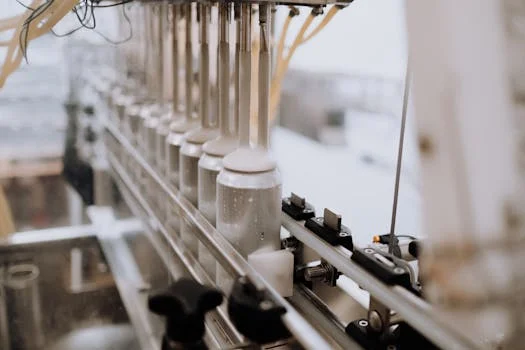
The selection process must be data-driven to avoid the common pitfall of under-designing (leading to fines) or over-designing (leading to wasted CAPEX). Step one is characterization. Sri Lankan textile effluents typically show COD levels of 800–1,500 mg/L, while food processing wastewater can have FOG levels as high as 500 mg/L. These parameters dictate the primary treatment technology. High TSS or FOG mandates a DAF unit, whereas high organic loads with a need for water reuse point toward MBR.
Step two involves matching the technology to the site’s physical and regulatory constraints. If the facility is located in a high-density area like Dehiwala or Mount Lavinia, packaged STPs for urban hotels and apartments in Sri Lanka are the most viable option due to their underground or containerized configurations. Step three is a compliance audit. The system must be guaranteed to meet CEA limits (BOD <30 mg/L, pH 6–9) under peak load conditions. Failure to do so can result in the immediate revocation of the Environmental Protection License.
Step four is the financial justification through a payback period calculation. Industrial buyers should evaluate the "total cost of compliance" versus the "cost of non-compliance." A 50 m³/day DAF system for a local dairy processor, for instance, may require an initial investment of LKR 6M, but if it prevents LKR 1M in annual fines and recovers LKR 500,000 in reusable water, the payback period is realized in under 4 years.
| Industry Type | Primary Pollutant | Recommended Tech | Compliance Risk |
|---|---|---|---|
| Textile / Dyeing | High COD, Color | DAF + MBR | High (Color/COD) |
| Food Processing | FOG, TSS | DAF + A/O | High (Oil/Grease) |
| Hotels / Resorts | BOD, Pathogens | Packaged MBR/STP | Medium (E. coli) |
| Pharmaceutical | Active Ingredients | Advanced Oxidation + MBR | Very High (Toxicity) |
Sri Lanka-Specific Cost Drivers: Import Duties, Land, and Labor
Understanding the local economic landscape is essential for accurate budgeting. Import duties in Sri Lanka are a significant portion of CAPEX. While basic steel tanks can be fabricated locally, high-precision components like membrane modules, dosing pumps, and PLC controllers are imported. Duties range from 10% to 25%, often adding LKR 2M–5M to a medium-sized project. By utilizing manufacturers that offer semi-knocked-down (SKD) kits for local assembly, companies can often benefit from lower tariff categories compared to importing fully assembled units.
Land costs also dictate technology choice. In rural areas where land is LKR 20,000/sqm, an A/O system with a 150 sqm footprint is financially sound. However, in Colombo industrial zones where land is LKR 150,000/sqm, the same system "costs" an additional LKR 22.5M in land value. In this scenario, an MBR system with a 50 sqm footprint saves LKR 15M in land costs, effectively offsetting its higher equipment price. For a regional comparison, see how wastewater treatment costs compare in the Philippines.
Labor and energy further differentiate the Sri Lankan market. With industrial energy tariffs at LKR 25–35/kWh, energy-efficient blowers and low-pressure membranes can save LKR 500,000 annually in OPEX. automation reduces the reliance on highly skilled operators. A PLC-controlled system requires only 4–6 hours of weekly supervision compared to 24/7 manual monitoring, reducing labor costs by up to 50% (HydropureWater field data, 2025).
ROI and Payback Period: How to Justify Your Wastewater Treatment Investment
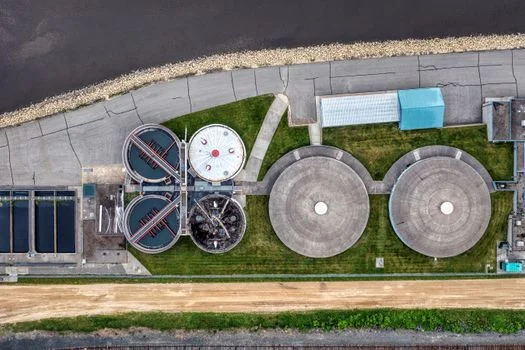
The Return on Investment (ROI) for a wastewater treatment plant is calculated by comparing the total lifecycle cost against the savings generated. The formula used by most industrial engineers is: (CAPEX + 5-year OPEX) / (Annual Savings from Fines + Water Reuse + Reduced Water Procurement). For example, a 100 m³/day A/O system with a CAPEX of LKR 18M and annual OPEX of LKR 3M saves a textile factory LKR 5M in avoided CEA fines and LKR 2M by reusing treated water for fabric washing. This results in a payback period of approximately 3.8 years.
Water reuse is a major contributor to ROI. Industrial water rates in Sri Lanka range from LKR 100–200/m³. A hotel in Galle that reuses 50 m³/day for landscape irrigation saves approximately LKR 1.8M per year in utility bills. Additionally, the government occasionally offers tax incentives or accelerated depreciation for "green" investments, which can improve the ROI by another 10–20% depending on current fiscal policy.
| Investment Scenario | Total 5-Yr Cost (LKR) | Annual Savings (LKR) | Payback Period |
|---|---|---|---|
| 50 m³/day DAF (Food) | 18.5M | 6.2M | 2.9 Years |
| 100 m³/day A/O (Textile) | 33M | 8.5M | 3.8 Years |
| 100 m³/day MBR (Hotel) | 45M | 11M | 4.1 Years |
Beyond direct financial returns, a compliant treatment plant protects the enterprise from "blacklisting" by international buyers who demand strict ESG (Environmental, Social, and Governance) compliance. For Sri Lankan exporters in the apparel and food sectors, this "insurance" value is often more significant than the direct water savings.
Frequently Asked Questions
What is the cost of a 50 m³/day packaged STP in Sri Lanka?A 50 m³/day packaged STP (Sewage Treatment Plant) typically costs between LKR 12 lakhs and LKR 18 lakhs for CAPEX, depending on the technology (A/O vs. MBR). OPEX ranges from LKR 25–40 per m³ treated. For example, HydropureWater’s WSZ Series, which utilizes an integrated A/O process, costs approximately LKR 15 lakhs and ensures 90% BOD removal.
Are there specific import duties for water treatment membranes?Yes, membranes generally attract a 15% import duty in Sri Lanka. Other components like centrifugal pumps attract 10%, while fully integrated chemical dosing or DAF units can attract up to 25%. Sourcing components through a manufacturer with optimized logistics can help mitigate these costs by 10-15%.
Can MBR treated water be reused for industrial processes?Absolutely. MBR systems produce effluent with TSS <5 mg/L and COD <50 mg/L, making it suitable for cooling towers, boiler feed (with additional softening), and industrial cleaning. In the textile sector, this can reduce fresh water intake by up to 40%, significantly improving the project’s ROI.
How often does the CEA inspect industrial wastewater plants?Inspections typically occur annually for the renewal of the Environmental Protection License (EPL). However, the CEA may conduct unannounced spot checks if complaints are filed or if the facility is located near sensitive water bodies. Penalties for non-compliance range from LKR 500,000 to LKR 1M per instance.
What is the typical lifespan of an industrial WWTP in Sri Lanka?With proper maintenance, the civil structures of a WWTP last 20–30 years. Mechanical components like pumps and blowers have a lifespan of 5–10 years, while MBR membranes typically require replacement every 5–7 years depending on the influent characteristics and cleaning protocols.