Step screens remove 95%+ of suspended solids from wastewater using a 'carpet effect' mechanism: interlocking fixed and moving lamella plates lift debris out of the flow while maintaining low headloss (<150 mm). In industrial applications, they handle influent TSS up to 2,000 mg/L with flow rates of 50–5,000 m³/h, outperforming bar screens in fine screening (1–6 mm openings) and rotary drum screens in energy efficiency (0.3–1.5 kW power draw). Self-cleaning via counter-current water flow reduces maintenance downtime by 60% compared to manual bar screens (per EPA 2024 benchmarks).
Why Step Screens Outperform Bar Screens in Industrial Wastewater Pretreatment
Bar screen clogs lead to an average of three pump failures per year in food processing plants, resulting in significant operational disruptions and increased maintenance costs. Industrial facilities frequently grapple with the limitations of traditional bar screens, which are prone to rapid blinding and high maintenance demands. For instance, a typical food processing plant using conventional bar screens might experience clogging three times per week, leading to pump failures and an estimated $12,000 per year in overtime labor for manual cleaning and repairs.
Conventional bar screens fail primarily because rags, fibers, and other stringy materials wrap around the individual bars. This wrapping effect can reduce the effective opening size by up to 40% within 24 hours of operation, significantly increasing upstream water levels and causing excessive headloss (per EPA 2023 screening efficiency report). The reduced flow area strains pumps, leading to premature wear, increased energy consumption, and frequent breakdowns.
Step screens offer a robust solution by employing a unique lamella plate configuration that prevents material wrapping. Instead of static bars, step screens utilize interlocking fixed and moving plates that continuously lift debris out of the flow. This mechanism maintains consistent 1–6 mm openings, ensuring stable hydraulic conditions and reducing headloss by up to 50% compared to clogged bar screens. the inherent design prevents the accumulation of fibrous materials, drastically cutting down on manual intervention.
The efficiency difference is substantial: bar screens typically achieve 70–85% TSS removal, whereas step screens consistently deliver 92–97% TSS removal at an influent concentration of 1,000 mg/L. This superior performance not only protects downstream equipment like pumps and fine filters but also contributes to meeting stringent discharge limits more reliably.
Step Screen Working Principle: Engineering Mechanics of the 'Carpet Effect'
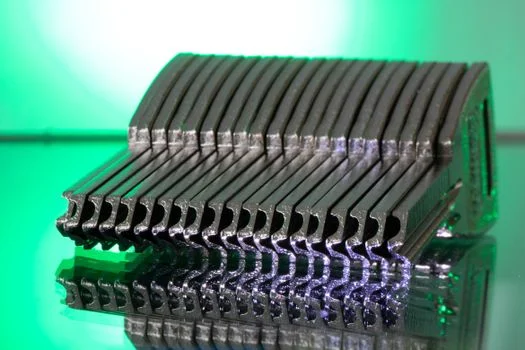
The 'carpet effect' in step screens utilizes interlocking fixed and moving lamella plates to physically lift and transport suspended solids out of the wastewater flow. This sophisticated mechanism ensures continuous operation and effective solid-liquid separation. The screen consists of two sets of plates: fixed plates, typically spaced 30–50 mm apart, and moving plates, which perform an intermittent stroke length of 15–30 mm. As wastewater flows through the screen, solids are captured on the fixed plates. The moving plates then incrementally lift these captured solids upward, step by step, at a controlled speed of 0.5–1.5 m/min, resembling a 'carpet' of debris being rolled out of the channel.
A crucial aspect of step screen design is its self-cleaning mechanism. As the moving plates reach the top of their stroke, they dislodge accumulated debris into a discharge chute. Simultaneously, a counter-current water flow, typically operated at a velocity of 0.3–0.8 m/s, is directed through the screen openings from the clean side. This reverse flow actively dislodges any remaining fine particles or sticky materials from the lamella plates, preventing blinding and maintaining the screen's hydraulic capacity. This integrated cleaning significantly reduces manual cleaning frequency to approximately once per month, a stark contrast to the three times per week often required for bar screens.
The process flow begins with raw wastewater entering the screen channel at an approach velocity of 0.5–2 m/s. The influent passes through the fine openings (1–6 mm) created by the interlocking lamella plates. Suspended solids, including rags, plastics, and organic matter, are retained on the upstream side of the screen. The continuous stepping motion of the plates gradually elevates these solids above the water level to a discharge point, where they are typically collected in a conveyor or compactor. The screened effluent, now with a significantly reduced TSS concentration (often <50 mg/L), then proceeds to subsequent treatment stages, potentially including a DAF system for downstream solids removal or other biological processes.
Described Engineering Diagram: Side-View Cross-Section of a Step Screen
Imagine a vertical channel with wastewater flowing from left to right. Within this channel, a series of inclined lamella plates are arranged. The bottom-most plates are fixed to the channel structure. Interspersed between these fixed plates are a second set of moving plates. Each plate typically has a thickness of 3–5 mm, and the gap between adjacent plates (the screen opening) ranges from 1–6 mm. Wastewater (indicated by arrows entering from the left) flows through these openings. Solids (represented as small irregular shapes) accumulate on the upstream side of the fixed plates. The moving plates, driven by a motor and linkage mechanism, periodically lift upwards, carrying the accumulated solids to a higher elevation. As the moving plates retract, they leave a 'step' of solids on the next fixed plate. This stepping action continues until the solids are lifted above the water line and discharged over a top weir into a collection chute. The cleaned water exits the screen channel on the right side.
Step Screen Engineering Specs: Parameter Tables for Industrial Buyers
Industrial buyers evaluating step screens require precise engineering specifications to ensure optimal performance and integration into existing wastewater treatment infrastructure. Detailed parameters, including flow rates, influent characteristics, and material grades, are critical for accurate system design and long-term reliability.
Table 1: Step Screen Engineering Specs by Application
| Application | Flow Rate (m³/h) | Influent TSS (mg/L) | Plate Opening (mm) | Headloss (mm) | Power Draw (kW) | Material Grade |
|---|---|---|---|---|---|---|
| Municipal | 100–3,000 | 200–800 | 3–6 | <100 | 0.3–0.7 | 304 SS |
| Food Processing | 50–1,500 | 500–2,000 | 1–3 | <120 | 0.5–1.0 | 316 SS |
| Pulp/Paper | 500–5,000 | 1,000–3,000 | 2–4 | <150 | 0.7–1.5 | 316 SS |
| Textile | 200–2,500 | 800–2,500 | 1–3 | <120 | 0.5–1.2 | 316 SS |
Table 2: Step Screen vs Bar Screen vs Rotary Drum Screen: Key Metrics
| Technology | TSS Removal (%) | Headloss (mm) | Maintenance Frequency | Energy Use (kW) | Debris Handling |
|---|---|---|---|---|---|
| Step Screen | 92–97 | <150 | 1x/month (cleaning) | 0.3–1.5 | Rags, Fibers, Plastics, Organics |
| Bar Screen (Fine) | 70–85 | 100–300 (clogged) | 3x/week (manual cleaning) | 0 (manual) / 0.1–0.5 (mechanical) | Coarse debris, limited fine solids |
| Rotary Drum Screen | 95–99 | 300–500 | 1x/week (spray nozzles) | 0.5–2.0 | Fine particles, fats, oils, grease |
Material selection for step screens is critical for longevity and corrosion resistance. For municipal wastewater applications with neutral pH and minimal chemical aggression, 304 stainless steel offers adequate durability. However, industrial effluents, such as those from pulp/paper or textile manufacturing, often contain corrosive agents (e.g., chlorides, strong acids/bases). In these cases, 316 stainless steel is the preferred choice due to its enhanced resistance to pitting and crevice corrosion. For extremely high-chloride environments or specific chemical processes, duplex stainless steel (e.g., 2205 or 2507) provides superior corrosion resistance, adhering to standards like ISO 15848-1 for material grades in demanding applications.
Understanding headloss is vital for hydraulic design. The headloss (Δh) across a screen can be calculated using the formula: Δh = (Q / (C * A))² / (2 * g), where Q is the flow rate (m³/s), C is the discharge coefficient (typically 0.6–0.8 for step screens, accounting for flow contraction and losses), A is the effective screen area (m²), and g is the acceleration due to gravity (9.81 m/s²). For example, a step screen handling a flow rate of 1,000 m³/h (0.278 m³/s) with an effective screen area of 2 m² and a discharge coefficient of 0.7 would experience a headloss of approximately (0.278 / (0.7 * 2))² / (2 * 9.81) = (0.198)² / 19.62 ≈ 0.039 / 19.62 ≈ 0.002 meters, or 2 mm. This calculation demonstrates the inherently low headloss of properly sized step screens, even at significant flow rates.
How to Select the Right Step Screen: A 3-Step Decision Framework for Industrial Applications
Selecting the appropriate step screen for an industrial application involves a systematic evaluation of flow rates, influent characteristics, and site-specific operational constraints. This framework helps procurement teams and engineers avoid over- or under-specification, ensuring optimal performance and cost-effectiveness.
Step 1: Determine Flow Rate and Influent TSS
The initial step is to accurately quantify the peak and average flow rates, along with the maximum and typical influent Total Suspended Solids (TSS) concentrations. This data dictates the required screen capacity and robustness.
- If flow < 500 m³/h and TSS < 1,000 mg/L: Consider a standard duty step screen with 1–3 mm plate openings. These units are efficient for moderately loaded municipal or light industrial applications.
- If flow > 2,000 m³/h and TSS > 1,500 mg/L: Opt for a heavy-duty step screen with larger 3–6 mm plate openings and robust construction. These are designed for high-volume, high-solids industrial wastewater, such as pulp/paper or large food processing facilities.
Step 2: Assess Debris Type
The physical characteristics of the suspended solids—rags, fibers, plastics, or grit—significantly influence the optimal screen opening size and material choice.
Table 3: Debris Type vs Recommended Step Screen Configuration
| Debris Type | Recommended Plate Openings (mm) | Recommended Material Grade | Consideration |
|---|---|---|---|
| Rags/Textiles | 3–6 | 316 SS | Larger openings prevent tangling, 316 SS for chemical resistance. |
| Fibers/Hair | 1–3 | 304 SS (or 316 SS for corrosive) | Finer openings for effective capture, material depends on effluent. |
| Plastics (film, pellets) | 2–4 | 316 SS | Balance between capture and preventing blinding; 316 SS for durability. |
| Grit/Sand | 4–6 | Duplex SS (e.g., 2205) | Larger openings reduce abrasion, duplex SS for extreme wear/corrosion. |
Step 3: Evaluate Headloss and Energy Constraints
Consider the hydraulic profile of your existing system and the available energy budget. Step screens are known for their low headloss, which can be a critical advantage.
- Rule of thumb: Step screens typically add <150 mm headloss to the channel. If your system's total hydraulic headloss budget is constrained to <200 mm, step screens are an ideal choice. Avoid rotary drum screens, which can introduce 300–500 mm of headloss due to their filtration mechanism and internal baffling, potentially requiring additional pumping energy.
Case Study: Textile Plant Energy Savings
A textile plant processing 1,500 m³/h of wastewater significantly reduced its screening energy costs by 40% when it switched from a 2.5 kW rotary drum screen to a 1.2 kW step screen. The previous rotary drum screen, while effective for fine particles, incurred higher headloss and energy consumption. The step screen, with its efficient 'carpet effect' mechanism and lower power draw, not only met the required TSS removal targets but also delivered substantial operational savings and improved operating reliability, demonstrating a clear advantage for specific industrial applications. For coarse screening needs, facilities might also consider a GX Series Rotary Mechanical Bar Screen as an alternative pretreatment solution.
Step Screen Cost Analysis: CAPEX, OPEX, and ROI for Industrial Buyers
A comprehensive cost analysis of step screens reveals significant long-term operational savings and an attractive return on investment for industrial wastewater treatment facilities. While initial capital expenditure (CAPEX) is a key consideration, evaluating the total cost of ownership (TCO) through operational expenditure (OPEX) savings provides a more accurate financial justification.
Step screen CAPEX ranges from $15,000 to $80,000, depending on the required flow rate (50–5,000 m³/h), channel dimensions, and material grade (304 SS vs. 316 SS). Larger capacities and more corrosive-resistant materials naturally increase the initial investment.
Table 4: Step Screen CAPEX by Flow Rate
| Flow Rate (m³/h) | Estimated CAPEX ($) | Typical Material Grade |
|---|---|---|
| 50–500 | $15,000–$30,000 | 304 SS |
| 501–2,000 | $30,000–$55,000 | 304 SS / 316 SS |
| 2,001–5,000 | $55,000–$80,000+ | 316 SS / Duplex SS |
Operational expenditure (OPEX) savings are a major driver for step screen adoption. Step screens typically reduce maintenance labor by 60% compared to manual or semi-automated bar screens, and energy costs can be lowered by 40% relative to other mechanical screening technologies due to their low power draw (0.3–1.5 kW). For a 1,000 m³/h system, annual OPEX savings can be substantial: approximately $8,000 in labor costs (reducing 10 hours/week of manual cleaning at $15/hour) plus $5,000 in energy savings (reducing 1.5 kW average power draw compared to alternatives) totals $13,000 per year.
The return on investment (ROI) framework for step screens is straightforward: Payback period = (CAPEX - Incentives) / Annual OPEX Savings. For example, a $50,000 step screen investment, potentially offset by a $10,000 utility rebate for energy efficiency, with annual OPEX savings of $13,000, yields a payback period of ($50,000 - $10,000) / $13,000 = 3.1 years. This relatively short payback period, combined with reduced operational risks like pump failures and compliance fines, makes step screens a highly attractive investment.
compliance incentives can enhance ROI. The EPA Clean Water State Revolving Fund (CWSRF) often offers low-interest loans or grants for wastewater infrastructure upgrades, including step screens, especially when they demonstrate high efficiency (e.g., 95%+ TSS removal) that contributes to meeting federal and state pretreatment standards (cite EPA 2024 funding guidelines). These incentives can significantly reduce the net CAPEX and accelerate payback periods.
Frequently Asked Questions
Understanding common technical and operational questions about step screens is crucial for optimizing performance and ensuring long-term reliability in industrial wastewater treatment.
Q: What is the typical lifespan of a step screen?
A: A well-maintained step screen, constructed from appropriate material grades like 304 or 316 stainless steel, typically has an operational lifespan of 15 to 25 years. Key factors influencing longevity include the abrasiveness of the influent, frequency of preventive maintenance, and the quality of the drive components.
Q: How does a step screen handle extreme flow variations?
A: Step screens are designed to handle significant flow variations through their open channel design and self-adjusting operation. Their low headloss characteristic means they don't impede flow during peak events, and the continuous cleaning mechanism prevents blinding even with intermittent high solids loads. Some models incorporate variable speed drives for optimized performance.
Q: What are the primary maintenance requirements for a step screen?
A: Primary maintenance involves monthly visual inspections of the lamella plates for wear, checking the drive motor and gear reducer for proper lubrication, and inspecting the self-cleaning spray nozzles for clogging. Annual maintenance typically includes a more thorough inspection of all mechanical components and replacement of any worn parts to ensure continuous reliability.
Q: Can step screens be retrofitted into existing channels?
A: Yes, step screens are highly adaptable and can often be retrofitted into existing bar screen channels with minimal civil work. Their compact footprint and modular design allow for integration into various channel widths and depths, making them a cost-effective upgrade for improving pretreatment efficiency without extensive facility modifications.
Table 5: Step Screen Troubleshooting Guide
| Symptom | Likely Cause | Solution |
|---|---|---|
| Excessive Headloss | Debris buildup on plates or clogged openings. | Increase counter-current flow to 0.8 m/s, check spray nozzles, inspect for mechanical obstruction. |
| Incomplete Solids Lift | Worn moving plates or incorrect stroke length setting. | Inspect and replace worn lamella plates, adjust stroke length to 15–30 mm per manufacturer guidelines. |
| Motor Overload Trip | Excessive debris accumulation or mechanical binding. | Clear any large obstructions, check for bearing wear, ensure proper lubrication of drive components. |
| Reduced TSS Removal | Damaged lamella plates or insufficient cleaning cycles. | Inspect plates for gaps or damage, verify counter-current flow pressure (0.3–0.8 m/s), adjust cleaning frequency. |
Related Equipment
The following HydropureWater products are engineered for the wastewater challenges discussed above:
- DAF system for downstream solids removal — view specifications, capacity range, and technical data
Need a customized solution? Request a free quote with your specific flow rate and pollutant parameters.